Neon Tetra Temp Range – The Ultimate Guide To Perfect Water
The right neon tetra temp range is between 72°F and 78°F (22°C-26°C). Maintaining this stable temperature is essential for their health, colorful coloration, and to prevent stress-related diseases.
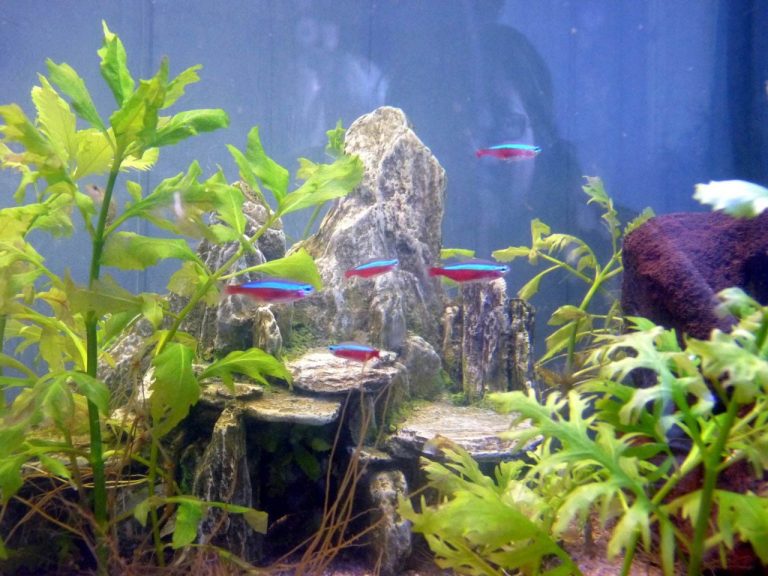
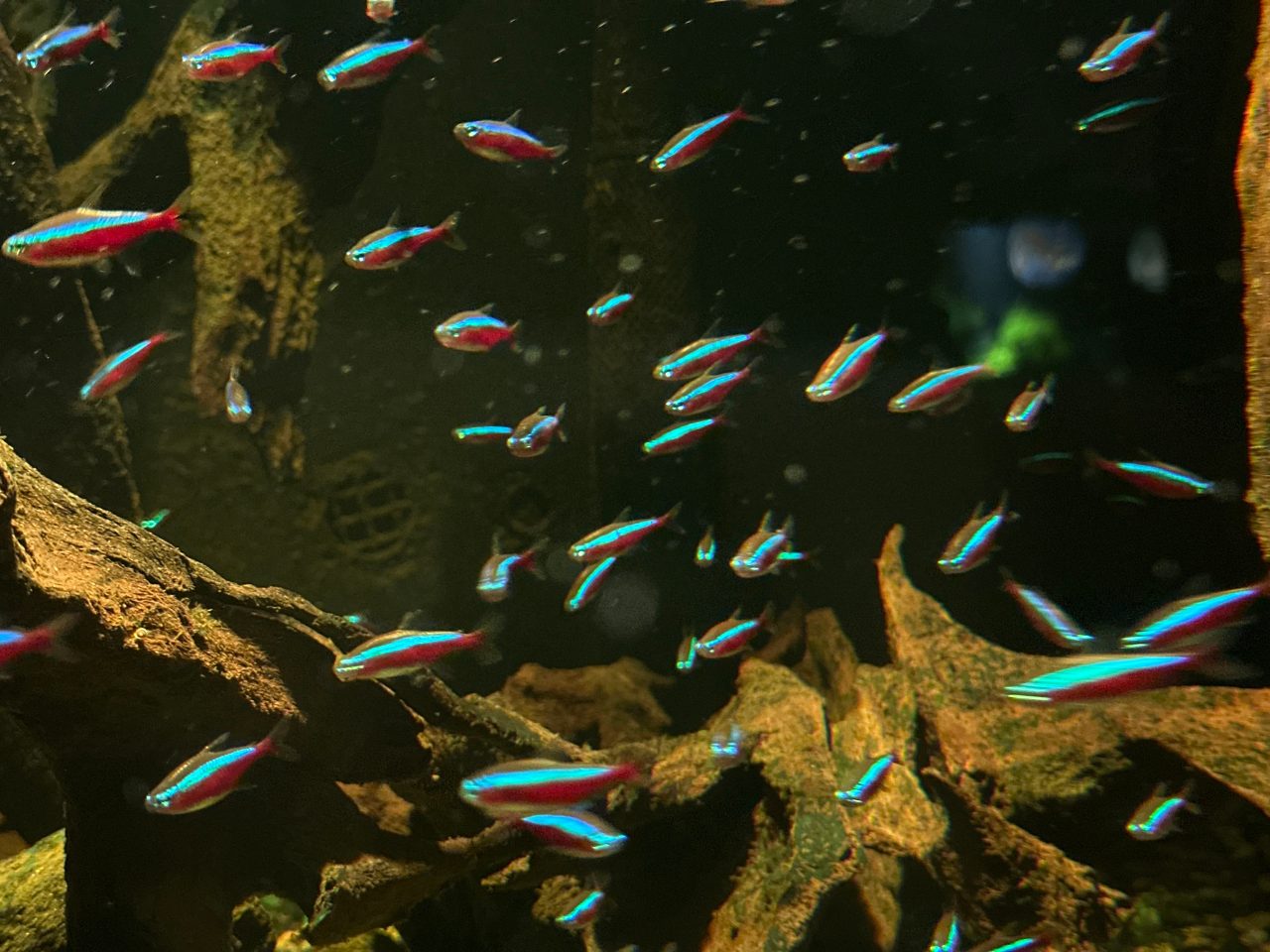
Neon tetras (Paracheirodon innesi) are undeniably one of the most interesting and popular freshwater fish in the aquarium hobby. Their iridescent blue and red stripes add a beautiful splash of color to any community tank. However, their dazzling appearance belies a delicate nature that stays healthy only when specific environmental parameters are met.
Among these critical parameters, water temperature stands out as essential. It directly impacts every aspect of a neon tetra’s life, from its metabolism and immune system to its behavior and overall lifespan. As an aquarist with over a decade of experience, I’ve seen firsthand how a stable, appropriate temperature regime can transform a group of stressed, dull fish into a flourishing, vivid school.
This comprehensive guide will look closely at everything you need to know about the ideal neon tetra temp range. We’ll explore why temperature is so vital, how to maintain it consistently, spot signs of stress, and avoid common pitfalls. By the end, you’ll have the knowledge to create the perfect thermal environment for your cherished neon tetras.
At a glance: Neon tetra (Paracheirodon innesi)
- Temperature
- 72–78°F (22–26°C)
- Water pH
- 6.0–7.0
- Adult size
- 1.5 in (4 cm)
- Minimum tank
- 10 gal (20 gal for a proper school)
- Group size
- Groups of 8+
- Temperament
- Peaceful
- Diet
- Omnivore: micro pellets, flakes, frozen daphnia
- Lifespan
- 5–8 years
Keeper’s tip: Add neons only to a fully cycled, stable tank; they are among the first fish to suffer from ammonia swings.
The Ideal Neon Tetra Temperature Range
When it comes to keeping neon tetras healthy and happy, precision in water temperature is key. These beautiful fish originate from the warm, soft, and acidic blackwater rivers and streams of South America, specifically the Amazon basin. Mimicking their natural habitat is always the best approach for long-term success.
The generally accepted and most successful neon tetra temp range is 72°F to 78°F (22°C to 26°C). Within this range, your neon tetras will exhibit their best colors, display natural behaviors, and maintain solid health. Maintaining consistency within this range is far more important than hitting a single “perfect” number.
Sudden fluctuations, even within the ideal range, can cause significant stress. I always advise aiming for the middle of this range, perhaps 74-76°F (23-24°C), and keeping it as steady as possible. This slight buffer allows for minor variations without pushing the fish to their limits.
To give you a broader picture of their ideal environment, here’s a quick overview of key parameters:
| Parameter | Ideal Range |
|---|---|
| Temperature | 72°F – 78°F (22°C – 26°C) |
| pH | 6.0 – 7.0 (slightly acidic) |
| General Hardness (GH) | 1-2 dGH (very soft water) |
| Carbonate Hardness (KH) | 3-8 dKH |
Why Temperature Matters: The Science Behind the Comfort Zone
Fish are ectothermic, meaning their body temperature is regulated by their external environment. This fundamental biological fact makes water temperature an incredibly influential factor in their health. Understanding the underlying science helps appreciate why maintaining the correct neon tetra temp range is non-negotiable.
Metabolic Rate Regulation
Temperature directly controls a fish’s metabolic rate regulation. In warmer water, their metabolism speeds up. This means faster digestion, increased activity, and a greater need for food and oxygen. Conversely, colder water slows metabolism, leading to lethargy and reduced appetite.
While a slightly higher temperature might seem to make them more active, sustained high temperatures can lead to premature aging and a shorter lifespan. It’s a delicate balance to strike for best health.
Oxygen Levels and Respiration
There’s a critical inverse relationship between water temperature and dissolved oxygen saturation. Colder water holds more oxygen, while warmer water holds less. Since neon tetras require adequate oxygen to breathe, pushing the temperature too high can quickly lead to oxygen deprivation, even in a well-filtered tank.
You might observe them gasping at the surface, which is a clear sign of insufficient oxygen. This condition, if prolonged, is highly stressful and potentially fatal.
Immune System and Disease Prevention
A stable temperature within the ideal neon tetra temp range directly supports a strong immune system. When fish are subjected to incorrect or fluctuating temperatures, their immune response is weakened, making them vulnerable to common aquarium diseases.
I’ve noticed that temperature stress is a primary trigger for outbreaks of Ichthyophthirius multifiliis (White Spot Disease or Ich) and bacterial infections like Flavobacterium columnare, often referred to as Columnaris. Preventing these diseases is far easier than treating them.
Osmoregulation
Osmoregulation is the process by which fish maintain the balance of water and salts in their bodies. Temperature plays a significant role in this physiological process. Extremes or rapid changes in temperature can disrupt a neon tetra’s osmoregulation, leading to stress on their kidneys and gills.
This internal imbalance can manifest as bloating, lethargy, or even organ failure if not corrected promptly. Healthy osmoregulation is vital for overall fish well-being.
Maintaining Stable Water Temperature: Essential Equipment and Practices
Achieving and maintaining the perfect neon tetra temp range requires reliable equipment and diligent practices. It’s not a set-it-and-forget-it aspect of fish keeping.
Choosing the Right Heater
A high-quality, fully submersible heater is indispensable. As a general rule of thumb, you need about 5 watts of heating power per gallon of water for tanks in a typical room environment. So, a 10-gallon tank would need a 50-watt heater, and a 20-gallon tank a 100-watt heater.
For larger aquariums or rooms with significant temperature fluctuations, you might consider slightly more wattage or even two smaller heaters. Two heaters can provide more even heat distribution and offer a safety net if one fails.
Thermometer Essentials
A reliable thermometer is just as important as the heater itself. Don’t rely solely on the heater’s built-in thermostat, as these can sometimes be inaccurate. I always recommend using a separate, accurate thermometer.
A digital thermistor thermometer placed on the opposite side of the tank from the heater provides the most accurate reading of your tank’s average temperature. Regularly check your submersible heater calibration against this external thermometer to make sure accuracy.
Pro Tip: Double-Check Your Readings.
Always use at least two thermometers in your tank, especially when setting up a new heater or after a power outage. One internal and one external (digital stick-on) can confirm consistency and catch discrepancies early, preventing potential thermal shock for your fish.
Heater Placement and Monitoring
Place your heater in an area with good water flow, such as near the filter output. This helps make sure that the heated water is evenly distributed throughout the tank, preventing hot or cold spots. Regularly check the thermometer daily to ensure the temperature remains stable within the ideal neon tetra temp range.
Environmental Factors
The ambient room temperature can significantly impact your aquarium’s temperature. Avoid placing your tank in direct sunlight or near heat sources like radiators or vents, as these can cause rapid and dangerous temperature swings. A stable room temperature will make your heater’s job much easier.
Signs of Temperature Stress in Neon Tetras
Observing your fish regularly is one of the most important aspects of fish keeping. Neon tetras are good indicators of water quality issues, and temperature stress manifests in distinct ways.
Too Cold (Below 72°F / 22°C)
If the water temperature drops too low, you’ll likely notice several concerning signs:
- Lethargy and Inactivity: Your neon tetras will become sluggish, spending more time at the bottom of the tank or hiding.
- Clamped Fins: Their fins will be held close to their body rather than fanned out normally.
- Loss of Color: The bright blue and red stripes may appear faded or dull.
- Slow Movements: They’ll swim less actively and react slowly to food.
- Increased Susceptibility to Disease: As their immune system weakens, they become prime targets for infections like Ichthyophthirius multifiliis (Ich).
Too Warm (Above 78°F / 26°C)
Overheating can be even more dangerous and rapid in its effects:
- Rapid Gill Movement (Gasping): This is a clear sign of low dissolved oxygen. They might congregate at the water surface where oxygen exchange occurs.
- Darting or Erratic Swimming: They may become agitated and swim frantically around the tank.
- Faded Coloration: Similar to cold stress, their colors can become muted.
- Increased Aggression: While neon tetras are generally peaceful, stress can lead to nipping or chasing.
- Higher Metabolic Rate: This shortens their lifespan and stresses their internal organs.
Thermal Shock
Rapid temperature changes, often during water changes or power outages, can cause thermal shock. This is incredibly dangerous and can lead to immediate death or severe, irreversible health problems. Always make sure new water matches the tank temperature closely.
Acclimation: Gently Introducing New Neon Tetras
Bringing new fish home is an exciting part of the hobby. However, it’s also a vulnerable time for your new inhabitants. Proper acclimation is vital to prevent thermal shock and reduce stress.
When you bring your new neon tetras home from the fish store, the water in their transport bag will likely be a different temperature and have different parameters than your established tank. The goal of acclimation is to slowly equalize these conditions.
I highly recommend the drip acclimation method, especially for sensitive fish like neon tetras:
- Float the Bag: Place the sealed bag containing the fish into your aquarium for 15-20 minutes. This allows the temperature of the bag water to gradually match your tank’s water temperature.
- Transfer to a Container: After floating, open the bag and gently transfer the fish and their water into a clean bucket or container. Discard about half of the bag water.
- Drip Acclimation: Using an air line tube and a knot or airline valve, create a slow drip from your main aquarium into the container with the new fish. Aim for about 2-3 drips per second.
- Monitor and Add: Allow the water volume in the container to slowly double over a period of 45-60 minutes. This gradual mixing helps the fish adjust to the new pH, hardness, and other parameters, along with the temperature.
- Introduce to Tank: Once acclimation is complete, gently net the fish and place them into your aquarium. Discard all the water from the acclimation container; never add pet store water to your main tank.
This slow process significantly reduces stress and helps make sure your new neon tetras have the best possible start in their new home. For more general advice on keeping various aquarium fish tetras, you might find our dedicated guide helpful.
Common Temperature Mistakes and How to Avoid Them
Even experienced aquarists can sometimes overlook common temperature-related issues. Being aware of these pitfalls can save you a lot of heartache and keep your neon tetras well-kept.
Ignoring a Thermometer
One of the most frequent mistakes is assuming the heater is working correctly without regularly verifying the temperature with an independent thermometer. Heaters can malfunction, get stuck on or off, or simply be inaccurate. Always check your thermometer daily.
Over or Under-Heating
Using an incorrectly sized heater for your tank volume can lead to constant temperature struggles. An undersized heater will struggle to maintain the desired neon tetra temp range, especially in cooler rooms. An oversized heater can quickly overheat the tank if its thermostat fails.
Always refer to the 5 watts per gallon rule and consider your room’s ambient temperature.
Rapid Temperature Swings
This is a big one. Rapid temperature changes often occur during water changes when the replacement water is too cold or too hot. Always help your new water is temperature-matched to your aquarium water before adding it.
Power outages can also cause rapid drops in temperature. If you live in an area prone to outages, consider a battery-operated air pump to keep some surface agitation and a thermal cover for your tank to slow heat loss.
Common Mistake: Neglecting Heater Maintenance
Many aquarists install a heater and forget about it. Heaters can accumulate algae and debris, reducing efficiency. More critically, their internal components can wear out, leading to thermostat failure. Make it a habit to visually inspect your heater during weekly water changes. Consider replacing heaters every 3-5 years as a preventative measure.
For those interested in creating a more natural and stable environment, incorporating elements of a blackwater biotope can also help buffer temperature fluctuations. The tannins released by driftwood and leaves can offer slight insulation and provide beneficial humic substances.
Questions I get asked a lot
Can neon tetras survive in colder water?
While neon tetras might survive briefly in water slightly below their ideal neon tetra temp range (e.g., 68-70°F), it will significantly stress them, weaken their immune system, and dull their colors. Prolonged exposure to cold water will lead to illness and a drastically reduced lifespan.
What if my tank gets too hot?
If your tank temperature rises above 78°F, especially towards 80°F or higher, it’s critical to act quickly. First, check your heater to ensure it’s not stuck on. You can perform small, frequent water changes with cooler (but not icy cold) dechlorinated water. Floating frozen water bottles (sealed in a plastic bag) or using a fan to blow across the water surface can help lower the temperature gradually. Reducing tank lighting can also help.
How often should I check the temperature?
You should check your aquarium’s temperature at least once daily. During seasonal changes, after power outages, or if you notice any unusual fish behavior, check it more frequently. Consistency is key to preventing problems.
Do neon tetras need a heater in warm climates?
Even in warm climates, a heater is usually necessary. While your room might be warm, it can still experience temperature drops at night or during cooler seasons. A heater helps make sure that the temperature remains stable within the ideal neon tetra temp range 24/7, preventing dangerous fluctuations that stress fish.
Final thoughts
Mastering the art of maintaining the perfect neon tetra temp range is fundamental to the success and vibrancy of your aquarium. These beautiful fish, though small, are sensitive to their environment, and temperature is arguably the most critical parameter to get right.
Once you understand their natural habitat, investing in reliable equipment, diligently monitoring your tank, and recognizing the signs of stress, you can create a stable home for your neon tetras. Consistency and stability are far more important than any single temperature reading.
With a little attention to detail, your neon tetras will reward you with their dazzling colors and active schooling behaviors for years to come.

- 2003First tank
- 20+Years keeping
- 40+Tanks kept
- 0Sponsored picks
Howard set up his first 10-gallon planted tank in 2003 and lost half of it within six weeks. Two decades and more than forty aquariums later, he writes the guides he wished he had then: clear numbers, the reasons behind them, and what actually goes wrong in home tanks.