Neon Fish Tank Setup – Setup Checklist
Setting up a neon fish tank involves choosing a suitable aquarium (10+ gallons), essential equipment like a filter, heater, and lighting, establishing proper water parameters through cycling, and creating a natural, planted environment to keep the well-being of your Neon Tetras.
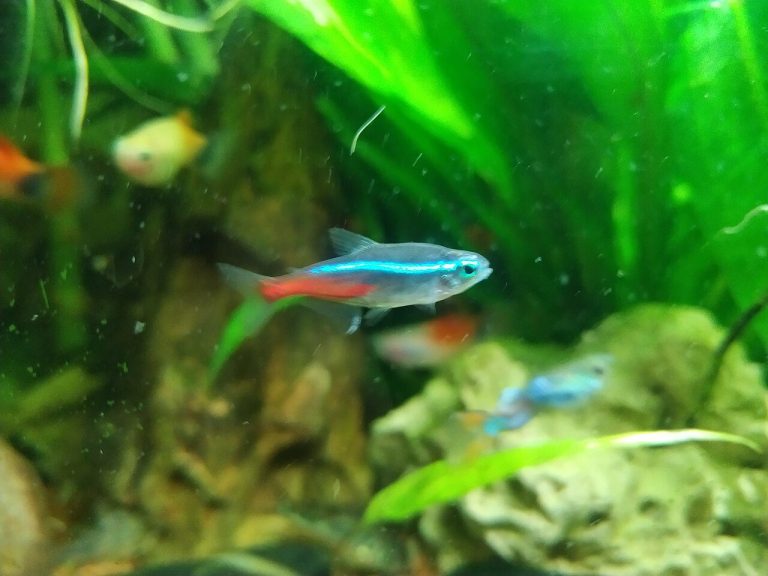
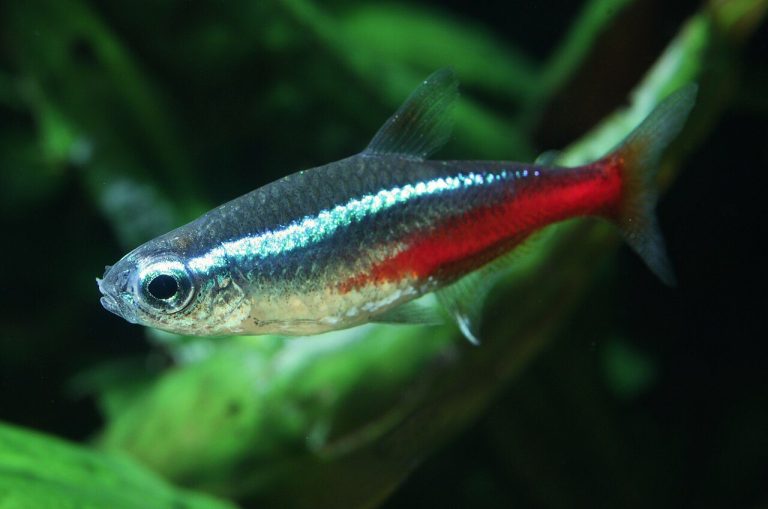
Few fish capture the imagination quite like the Neon Tetra. Their iridescent blue and red stripes shimmer, bringing a dynamic splash of color to any freshwater setup.
Creating an ideal habitat for these tiny gems is incredibly satisfying. It’s a process that combines art, science, and a touch of patience.
This comprehensive guide will walk you through every step of a successful neon fish tank setup. You’ll learn how to build a stable environment where your Neon Tetras can flourish.
At a glance: Neon tetra (Paracheirodon innesi)
- Temperature
- 72–78°F (22–26°C)
- Water pH
- 6.0–7.0
- Adult size
- 1.5 in (4 cm)
- Minimum tank
- 10 gal (20 gal for a proper school)
- Group size
- Groups of 8+
- Temperament
- Peaceful
- Diet
- Omnivore: micro pellets, flakes, frozen daphnia
- Lifespan
- 5–8 years
Keeper’s tip: Add neons only to a fully cycled, stable tank; they are among the first fish to suffer from ammonia swings.
Why Choose Neon Tetras for Your Aquarium?
Neon Tetras (Paracheirodon innesi) are a staple in the freshwater aquarium hobby for good reason. Their striking coloration makes them instantly recognizable and highly sought after.
Beyond their beauty, they are generally peaceful schooling fish. This makes them excellent candidates for community tanks.
I’ve noticed that their active swimming patterns and tight schooling behavior add a lively energy to an aquarium. They are a fantastic choice for both novice and experienced aquarists.
The Appeal of Schooling Behavior
Neons are schooling fish, meaning they feel safest and happiest in groups. A larger school of 6-10 (or more!) individuals creates a striking display.
This natural behavior also reduces stress for the fish. It encourages more bright coloring and activity.
Choosing Your Aquarium: Size and Type for a Neon Fish Tank Setup
The first and most key step in any neon fish tank setup is selecting the right aquarium. Tank size directly impacts the health and happiness of your fish.
While small, Neons require ample swimming space and stable water conditions. These conditions are much easier to maintain in larger volumes of water.
Minimum Tank Size Recommendations
For a small school of 6-8 Neon Tetras, a 10-gallon tank is generally considered the absolute minimum. However, in my experience, a 15 or 20-gallon long aquarium is far better.
Larger tanks provide more stability in water parameters. They also offer more room for aquascaping and additional tank mates. For a deeper look at tank sizes for Tetras, you can explore our guide on Tetra fish tank size.
Pro Tip: Bigger is Better for Stability! While a 10-gallon tank might seem sufficient for a few Neons, I always recommend going for a 20-gallon long if space allows. The larger water volume dilutes waste products more effectively and provides greater stability for water temperature and chemistry, making your job easier and your Neons healthier.
Aquarium Shape and Material
Standard rectangular glass tanks are ideal for Neon Tetras. They provide a good swimming footprint and are easy to maintain.
Avoid tall, narrow tanks as they offer less horizontal swimming space. Acrylic tanks are lighter and more resistant to impact, but they scratch more easily than glass.
Essential Equipment for Your Neon Fish Tank Setup
Once you have your tank, it’s time to gather the necessary equipment. Each piece plays a vital role in creating a balanced and healthy environment.
Think of these components as the life support system for your aquatic ecosystem.
Filtration System
A reliable filter is the top priority for maintaining water quality. It removes physical debris, harmful toxins, and provides biological filtration.
For a Neon Tetra tank, a hang-on-back (HOB) filter or a sponge filter are excellent choices. Canister filters are great for larger tanks.
Make sure the filter’s flow rate is appropriate for your tank size. Neons prefer gentle to moderate current. For more details on choosing the right filter, check out our article on Tetra filters for fish tanks.
Heater and Thermometer
Neon Tetras are tropical fish and require stable, warm water. A submersible aquarium heater is essential.
Choose a heater with enough wattage for your tank size. A good rule of thumb is 5 watts per gallon for typical room temperatures.
Always use a reliable thermometer to monitor the water temperature. This ensures it stays within the ideal range for your Neons.
Lighting
Appropriate lighting is important for both your fish and any live plants you include. Neons prefer subdued lighting, similar to their natural Amazonian habitat.
LED aquarium lights are energy-efficient and offer adjustable intensity. A timer is highly recommended to establish a consistent day/night cycle.
Typically, 8-10 hours of light per day is sufficient. Too much light can encourage excessive algae growth.
Substrate
The substrate forms the bottom layer of your aquarium. It provides a base for plants and beneficial bacteria.
Fine gravel or sand are excellent choices for a neon fish tank setup. They are easy to clean and gentle on the fish.
If you plan on live plants, consider a nutrient-rich plant substrate beneath a cap of gravel or sand.
Decorations and Hiding Spots
Neons stay healthy in a well-decorated tank with plenty of hiding spots. This mimics their natural environment and reduces stress.
Include driftwood, rocks, and artificial or live plants. Ensure all decorations are aquarium-safe and have no sharp edges.
Water Parameters: The Lifeblood of Your Neon Tetras
Maintaining stable and appropriate water parameters is arguably the most critical aspect of keeping Neon Tetras. These small fish are quite sensitive to fluctuations.
Understanding and managing the nitrogen cycle is fundamental to a healthy aquarium. This process converts harmful ammonia and nitrite into less toxic nitrate.
The Nitrogen Cycle and Tank Cycling
Before adding any fish, your tank must be “cycled.” This establishes a colony of beneficial bacteria in your filter and substrate.
These bacteria process fish waste. Cycling typically takes 4-6 weeks and involves monitoring ammonia, nitrite, and nitrate levels.
Never add fish to an uncycled tank; this can lead to “new tank syndrome” and fish loss.
Ideal Water Parameters for Neon Tetras
Neon Tetras prefer soft, acidic water, mirroring their native blackwater rivers. Consistency is more important than hitting exact numbers.
Here’s a quick overview of their preferred conditions:
| Parameter | Ideal Range |
|---|---|
| Temperature | 70-78°F (21-26°C) |
| pH | 6.0-7.0 (slightly acidic) |
| GH (General Hardness) | 1-2 dGH (very soft) |
| KH (Carbonate Hardness) | 1-2 dKH (very low) |
| Ammonia | 0 ppm |
| Nitrite | 0 ppm |
| Nitrate | <20 ppm |
Regular water testing with a liquid test kit is essential. Test strips are less accurate and generally not recommended for precise readings.
Common Mistake: Rushing the Cycle! Many beginners make the mistake of adding fish before the nitrogen cycle is fully established. This inevitably leads to ammonia and nitrite spikes, which are highly toxic to fish. Patience is key here; a fully cycled tank is the foundation of a healthy aquarium, especially for sensitive species like Neons.
Aquascaping for Success: Plants and Decor
Creating a beautiful and functional aquascape is a joyful part of the neon fish tank setup. It’s not just for aesthetics; it provides shelter, foraging opportunities, and reduces stress for your fish.
Think about replicating their natural environment: dense vegetation, subdued lighting, and dark substrates.
Live Plants for Neon Tetras
Live plants are incredibly beneficial. They absorb nitrates, produce oxygen, and provide natural hiding spots.
Good plant choices for a Neon Tetra tank include Java Moss, Anubias, Java Fern, Amazon Swords, and Cryptocoryne species. These plants are relatively low-maintenance.
They also flourish in the softer, slightly acidic water that Neons prefer. Floating plants like Frogbit or Dwarf Water Lettuce can help diffuse light.
Driftwood and Rocks
Driftwood not only looks natural but can also release tannins. These tannins gently lower pH and create a “blackwater” effect, which Neons love.
Make sure any wood is aquarium-safe and has been thoroughly soaked. Smooth rocks can also be used to create caves and territories.
Stocking Your Neon Tank: Numbers and Companions
Once your tank is cycled and aquascaped, it’s time to consider stocking. Remember the schooling nature of Neon Tetras.
Never keep just one or two Neons. A school of at least six is the minimum for their well-being.
Ideal School Size
For a 10-gallon tank, a school of 6-8 Neons is appropriate. In a 20-gallon or larger, you can comfortably keep 10-15 or even more.
The larger the school, the more pronounced their schooling behavior will be. This also makes them feel more secure.
Compatible Tank Mates
Neon Tetras are peaceful fish, making them suitable for a Tetra community tank. Choose tank mates that are also peaceful and prefer similar water parameters.
Good companions include other small, peaceful Tetras (like Ember Tetras or Cardinal Tetras), Corydoras catfish, Otocinclus catfish, and peaceful dwarf shrimp like Cherry Shrimp.
Avoid any fish that are large enough to eat a Neon Tetra or known to be fin-nippers. Betta fish can sometimes be kept with Neons, but this depends heavily on the individual Betta’s temperament.
Maintenance Schedule: Keeping Your Neons Healthy
Consistent maintenance is key to a long-lasting, healthy aquarium. A regular routine prevents problems before they start.
This includes water changes, feeding, and diligent observation of your fish.
Water Changes
Perform partial water changes of 20-25% weekly. This removes accumulated nitrates and replenishes essential minerals.
Always use a good quality dechlorinator/water conditioner. Help the new water is temperature-matched to prevent shock.
Feeding Your Neon Tetras
Neon Tetras are omnivores. Feed them a varied diet of high-quality flake food, micro-pellets, and occasional live or frozen foods.
Brine shrimp, daphnia, and bloodworms are excellent treats. Feed small amounts 1-2 times a day, only what they can consume in a few minutes.
Overfeeding is a common mistake that leads to poor water quality. It can also cause digestive issues for your fish.
Observation and Health Checks
Spend time observing your Neon Tetras daily. Look for any changes in behavior, appetite, or appearance.
Early detection of issues can prevent serious problems. Healthy Neons will be active, brightly colored, and schooling tightly.
Common Challenges and Solutions
Even with the best intentions, you might encounter some common aquarium challenges. Knowing how to address them quickly is important.
Algae Control
Algae is a natural part of any aquarium, but excessive growth can be unsightly. Common causes include too much light, excess nutrients, or infrequent water changes.
Solutions include reducing light duration, increasing water changes, adding fast-growing live plants, or introducing algae-eating invertebrates like Nerite snails.
Disease Prevention and Treatment
The best defense against disease is a clean, stable environment. Stress from poor water quality or incompatible tank mates weakens fish immune systems.
Neon Tetra disease is a specific ailment, though often misdiagnosed. It’s best to quarantine new fish to prevent introducing diseases.
If you notice signs of illness, research symptoms and treat appropriately. Isolate affected fish if possible to prevent spread.
FAQ: Your Neon Fish Tank Setup Questions Answered
Q1: How many Neon Tetras can I put in a 10-gallon tank?
For a 10-gallon tank, a school of 6-8 Neon Tetras is generally appropriate. Always consider the “one inch of fish per gallon” rule as a rough guideline, but prioritize schooling behavior and water volume stability.
Q2: Do Neon Tetras need a heater?
Yes, Neon Tetras are tropical fish and absolutely require a heater. They stay healthy in stable water temperatures between 70-78°F (21-26°C). Fluctuations can cause stress and make them susceptible to illness.
Q3: Can Neon Tetras live with Bettas?
Sometimes, but with caution. While some Bettas are peaceful, others can be aggressive fin-nippers, especially towards small, colorful fish like Neons. A larger tank (20+ gallons) with plenty of hiding spots and a well-established Betta is recommended if you choose to try this pairing.
Q4: What kind of food do Neon Tetras eat?
Neon Tetras are omnivores. They settle in on a varied diet of high-quality micro-flake food or small pellets specifically designed for small schooling fish. Supplement this with occasional live or frozen foods like brine shrimp, daphnia, or bloodworms for best health and color.
Q5: How often should I clean my Neon Tetra tank?
You should perform a partial water change (20-25%) weekly, along with light gravel vacuuming. Filter media should be rinsed in old tank water every few weeks, and the aquarium glass cleaned as needed to remove algae. Consistent, smaller maintenance tasks are better than infrequent, large cleanings.
Conclusion: A Rewarding Journey Awaits
Setting up a flourishing neon fish tank setup is a journey of patience, learning, and immense satisfaction. By carefully planning your aquarium, selecting the right equipment, establishing stable water parameters, and providing consistent care, you’ll create a miniature underwater world that bursts with life and color.
Watching a bright school of Neon Tetras dart and shimmer through a beautifully aquascaped tank is one of the most satisfying experiences in fish keeping. Embrace the process, enjoy the beauty, and your Neons will reward you with years of enjoyment.

- 2003First tank
- 20+Years keeping
- 40+Tanks kept
- 0Sponsored picks
Howard set up his first 10-gallon planted tank in 2003 and lost half of it within six weeks. Two decades and more than forty aquariums later, he writes the guides he wished he had then: clear numbers, the reasons behind them, and what actually goes wrong in home tanks.