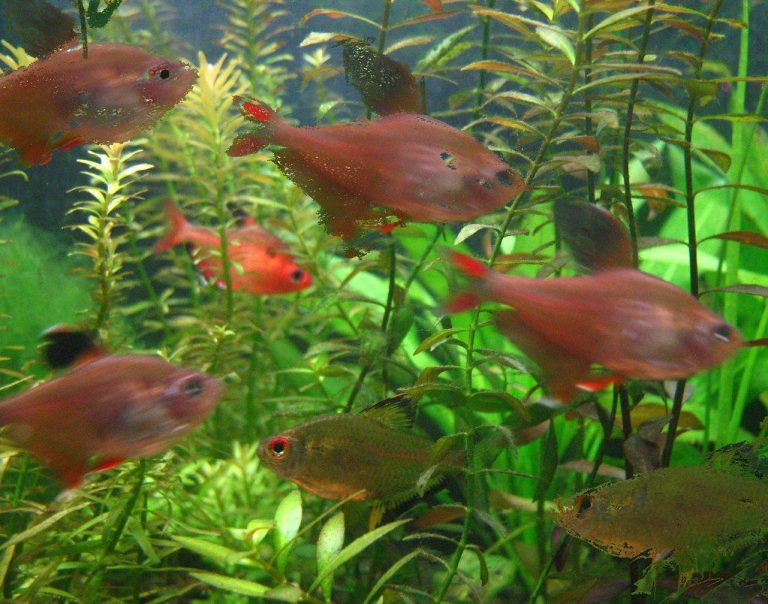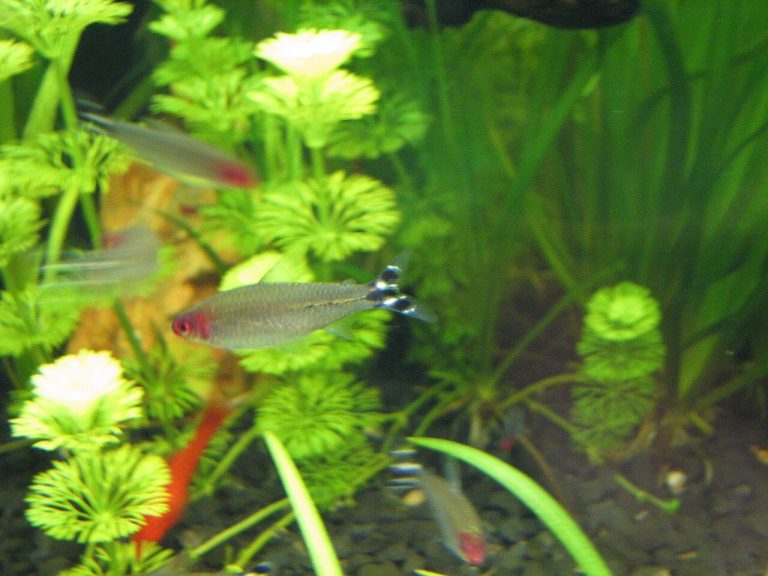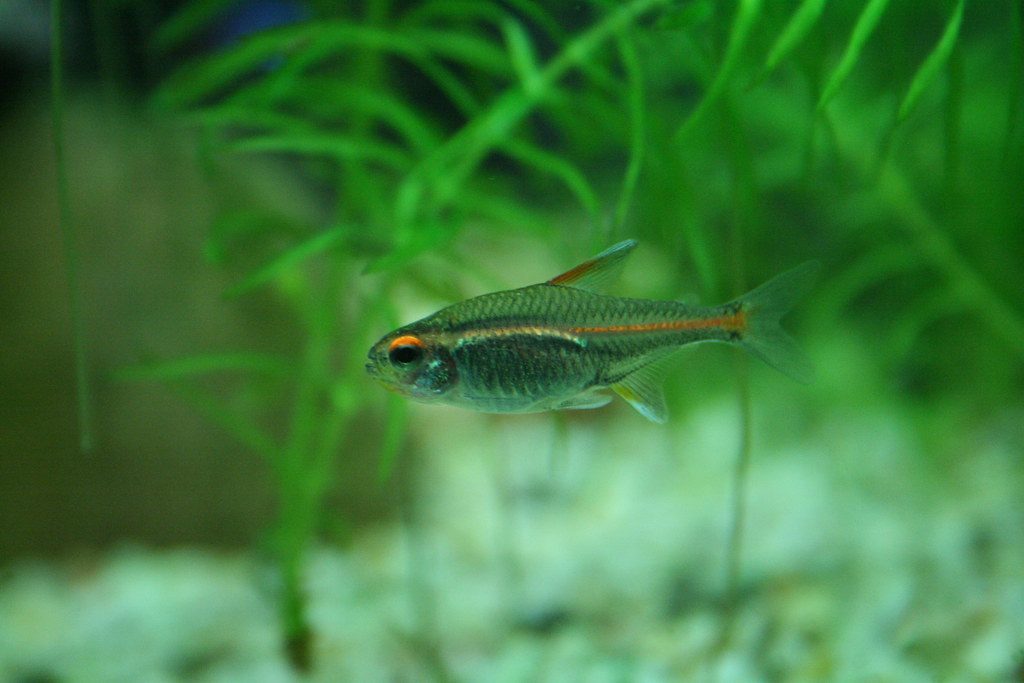
Tetra Fish Tank Size – Minimum Tank Size Explained
The ideal tetra fish tank size depends on the species, but a minimum of 10 to 20 gallons is recommended for a school of six to ten fish to ensure adequate swimming space and water stability.
Choosing the right tetra fish tank size is one of the most critical decisions you will make for your aquatic community. After more than a decade of maintaining various characin species, I have seen firsthand how much tank volume impacts their health and behavior.
Many beginners assume that because these fish are small, they can flourish in tiny containers or bowls. However, providing the correct amount of space is about much more than just physical dimensions; it is about biological stability and social harmony.
In this guide, I will share my experience to help you determine the exact requirements for your specific school. Whether you are keeping the iconic Paracheirodon innesi or the larger Congo tetra, getting the size right is the first step toward a successful aquarium.
At a glance: Tetras (general) (Family Characidae and relatives)
- Temperature
- 72–80°F (22–27°C) for most species
- Water pH
- 6.0–7.5 for most species
- Adult size
- 1–3 in (2.5–8 cm)
- Minimum tank
- 10–30 gal depending on species
- Group size
- Groups of 6–10+
- Temperament
- Mostly peaceful schooling fish
- Diet
- Omnivores: quality flakes or micro pellets plus frozen foods
- Lifespan
- 3–8 years
Keeper’s tip: Schooling size matters more than tank size for most tetras: small groups hide, nip and stress.
Why Tank Size Matters for Tetra Health
The tetra fish tank size you choose directly influences the bioload capacity of your system. Every fish produces waste, and in a smaller volume of water, toxins like ammonia and nitrite can reach lethal levels very quickly.
In my early years, I made the mistake of keeping a small school in a 5-gallon tank. I noticed they were constantly stressed and prone to diseases like Pleistophora hyphessobryconis, also known as Neon Tetra Disease.
Larger tanks provide a “buffer” against water quality fluctuations. This stability is essential for delicate species that require consistent parameters to maintain their bright colors and immune systems.
Schooling Behavior Dynamics
Tetras are social creatures that rely on schooling behavior dynamics for security and social interaction. In the wild, they swim in massive groups to confuse predators and forage for food.
When confined to a cramped space, their natural instinct to school is suppressed. This often leads to increased aggression among males or extreme shyness where the fish hide constantly.
A larger tank allows them to move as a cohesive unit. Watching a school of twenty neon tetras zip across a long aquarium is one of the most satisfying sights in the hobby.
Expert Pro Tip: Always prioritize the length of the tank over the height. Tetras are horizontal swimmers, and a “long” 20-gallon tank provides significantly more usable space than a “high” 20-gallon tank.
Determining Size Based on Tetra Species
Not all tetras are created equal when it comes to their space requirements. While some nano species can manage in smaller setups, others grow surprisingly large and need substantial room.
For example, the Paracheirodon axelrodi (Cardinal Tetra) is more active and sensitive than the standard Neon Tetra. They generally require more space to feel secure and stay healthy long-term.
Below is a comparison table to help you visualize the requirements for some of the most popular species in the hobby.
| Tetra Species | Average Adult Size | Minimum Tank Size | Ideal School Size |
|---|---|---|---|
| Neon Tetra | 1.5 Inches | 10 Gallons | 6-10 |
| Cardinal Tetra | 2 Inches | 20 Gallons | 10+ |
| Ember Tetra | 0.8 Inches | 5-10 Gallons | 8-12 |
| Congo Tetra | 3-4 Inches | 40+ Gallons | 6+ |
| Diamond Tetra | 2.5 Inches | 20-30 Gallons | 6-8 |
If you are considering larger varieties, I highly recommend checking out my guide on adult diamond tetra housing. These shimmering fish need ample space to display their full brilliance.
The Importance of Horizontal Swimming Area
When we talk about tetra fish tank size, we must focus on the footprint of the aquarium. Most tetras inhabit the middle to upper layers of the water column and spend their time darting back and forth.
A tall, hexagonal tank might look beautiful in a corner, but it offers very little horizontal swimming area. This can lead to frustration and stress for active swimmers.
I have found that a standard 20-gallon “long” aquarium is often the “sweet spot” for many hobbyists. It provides a 30-inch run, which is perfect for most small to medium tetra species.
Surface Area and Dissolved Oxygen
Tank geometry also affects the dissolved oxygen concentration in the water. Oxygen enters the water through the surface, so a tank with a larger surface area will naturally have better gas exchange.
In smaller, deep tanks, the bottom layers can become oxygen-depleted. This forces your tetras to stay near the surface, where they are more vulnerable and less comfortable.
Using a wider tank helps make sure that oxygen levels remain high throughout the water column. This is particularly important if you keep your tank at higher tropical temperatures, as warmer water holds less oxygen.
Stocking Density and Biological Filtration
Understanding stocking density is vital to maintaining a healthy environment. The old “one inch of fish per gallon” rule is often misleading because it doesn’t account for the fish’s activity level or waste production.
A school of ten tetras in a 10-gallon tank is technically “correct” by that rule. However, when you add plants, substrate, and decor, the actual water volume drops significantly.
I always suggest aiming for a lower stocking density than the maximum allowed. This gives you a safety margin if you miss a water change or if a piece of equipment fails.
Nitrogen Cycle Capacity
The nitrogen cycle capacity of your tank is limited by the surface area available for beneficial bacteria. These bacteria live on your filter media, substrate, and even the glass.
In a larger tank, there is more surface area for these colonies to grow. This means your aquarium can process waste more efficiently, preventing dangerous spikes in ammonia.
A strong filtration turnover rate is also easier to achieve in a larger volume. I typically look for a filter that can move the entire tank volume at least 4 to 6 times per hour.
Expert Pro Tip: If you are unsure about the proper volume for glowlights or other similar species, always round up. A 20-gallon tank is much easier to maintain than a 10-gallon, even for the same number of fish.
How Decor Affects Real-World Volume
When calculating your tetra fish tank size, you must account for “displacement.” Large rocks, thick layers of substrate, and driftwood all take up space that would otherwise be water.
I once set up a 15-gallon “Iwagumi” style tank with massive Seiryu stones. By the time I was finished, the actual water volume was barely 10 gallons.
For tetras, it is important to balance heavy aquascaping with open water. They need plants for cover and security, but they also need a clear “flight path” to swim at full speed.
Using Live Plants as a Biological Buffer
Live plants are an excellent addition to any tetra tank. They consume nitrates and help maintain high dissolved oxygen concentration during the day.
However, dense planting can reduce the available swimming room. I prefer to plant heavily along the back and sides while leaving the center of the tank open for the school to congregate.
Floating plants are also a great choice. They provide shade, which many tetras prefer, without taking up any of the precious horizontal swimming space.
Frequently asked questions
Can I keep neon tetras in a 5-gallon tank?
While you can physically fit a few in a 5-gallon, I strongly advise against it. The water parameters are too unstable, and the fish will not have enough room to exhibit their natural schooling behavior. A 10-gallon is the absolute minimum for a small school.
How many tetras can I put in a 20-gallon tank?
For a standard 20-gallon tank, you can comfortably house a school of 12 to 15 small tetras like Neons or Embers. If you are keeping larger species like Buenos Aires tetras, you should limit the number to about 6 to 8.
Does the shape of the tank matter?
Yes, the shape matters immensely. Tetras need length more than height. Always choose a rectangular “long” tank over a “tall” or “column” tank whenever possible to maximize their swimming path.
What happens if my tank is too small?
In a tank that is too small, tetras often become stressed, leading to a weakened immune system. You may notice nipping, faded colors, and a much shorter lifespan. Overcrowding also leads to rapid nitrate buildup.
Do I need a bigger tank for breeding?
Breeding often requires a separate, smaller “spawning tank” to protect the eggs, but the parent fish still need a large primary home. If you want to see natural spawning behavior in your community, a larger tank with plenty of moss is essential.
Final Thoughts on Tetra Tank Selection
Selecting the right tetra fish tank size is the foundation of a flourishing aquatic ecosystem. If you provide ample horizontal space and a stable biological environment, you allow these beautiful fish to live their best lives.
In my experience, the biggest regret most hobbyists have is not starting with a larger tank. A 20-gallon or 29-gallon aquarium offers so much more flexibility and safety than a 10-gallon starter kit.
Consider the specific needs of your chosen species, account for displacement from decor, and prioritize length over height. Your tetras will thank you with bright colors and energetic displays.
If you are just starting out, don’t be afraid to ask questions at your local fish store or join online communities. tetras is vast and satisfying, and it all starts with giving them the room they deserve.
For more specific stocking advice, you might find my article on stocking small tanks helpful for understanding the limits of nano setups.

- 2003First tank
- 20+Years keeping
- 40+Tanks kept
- 0Sponsored picks
Howard set up his first 10-gallon planted tank in 2003 and lost half of it within six weeks. Two decades and more than forty aquariums later, he writes the guides he wished he had then: clear numbers, the reasons behind them, and what actually goes wrong in home tanks.