Aquarium Temperature For Tetras – Care Guide
The ideal aquarium temperature for tetras typically ranges between 72°F and 82°F (22°C–28°C). While specific species have unique preferences, maintaining a stable environment is the most critical factor for their long-term health.
Finding the perfect aquarium temperature for tetras is one of the most vital steps in establishing a successful community tank.
In my ten years of keeping these rich characins, I have learned that “warm water” is a broad term that requires a nuanced approach.
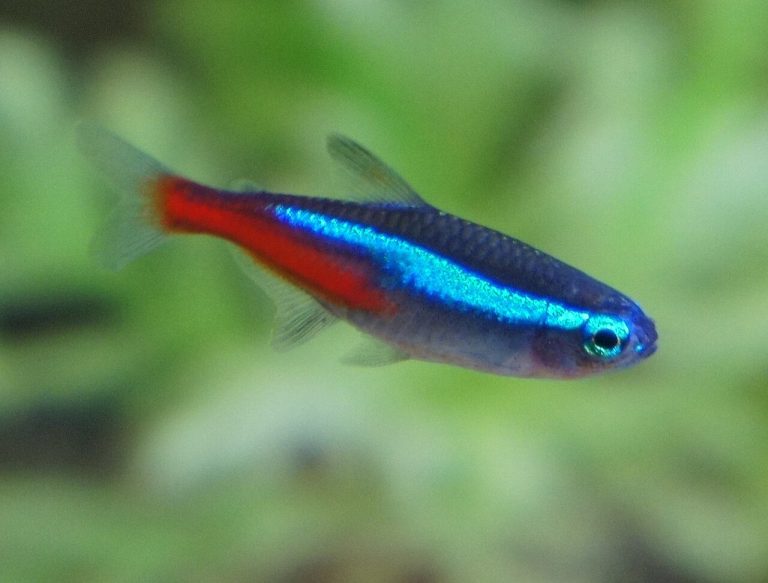
Whether you are keeping the iconic Paracheirodon innesi or the striking Cardinal Tetra, understanding how heat affects their biology is the key to preventing disease and promoting longevity.
At a glance: Tetras (general) (Family Characidae and relatives)
- Temperature
- 72–80°F (22–27°C) for most species
- Water pH
- 6.0–7.5 for most species
- Adult size
- 1–3 in (2.5–8 cm)
- Minimum tank
- 10–30 gal depending on species
- Group size
- Groups of 6–10+
- Temperament
- Mostly peaceful schooling fish
- Diet
- Omnivores: quality flakes or micro pellets plus frozen foods
- Lifespan
- 3–8 years
Keeper’s tip: Schooling size matters more than tank size for most tetras: small groups hide, nip and stress.
Understanding the Ideal aquarium temperature for tetras
Most tetras hail from the river basins of South America, where the waters are soft, acidic, and consistently warm.
However, the “perfect” number isn’t a one-size-fits-all solution because different species inhabit different niches within those river systems.
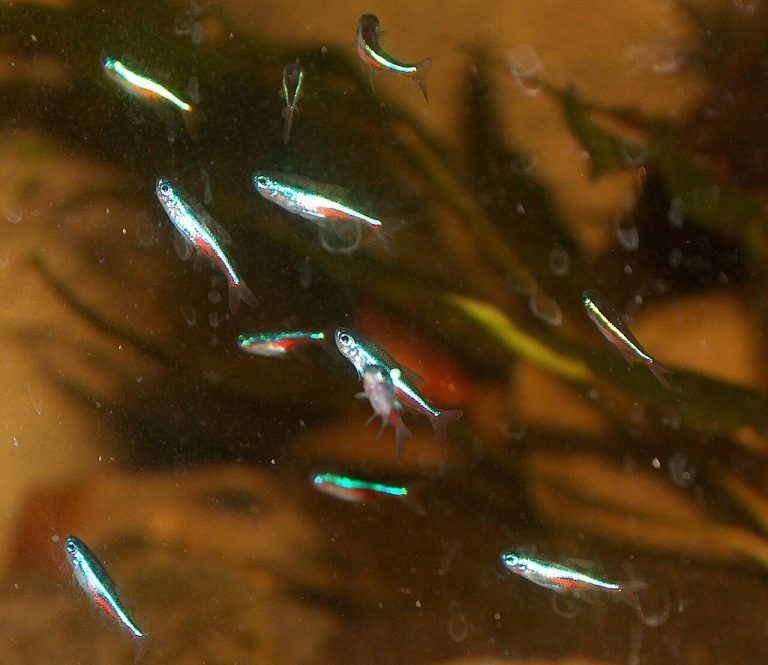
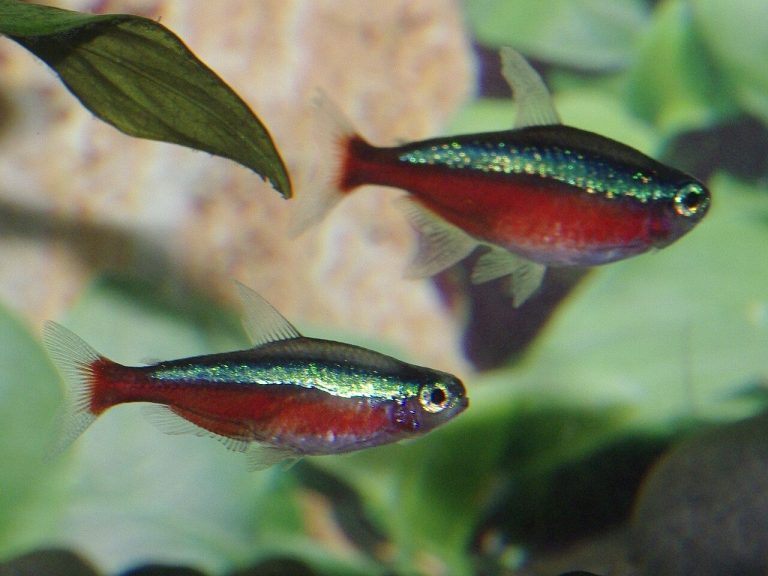
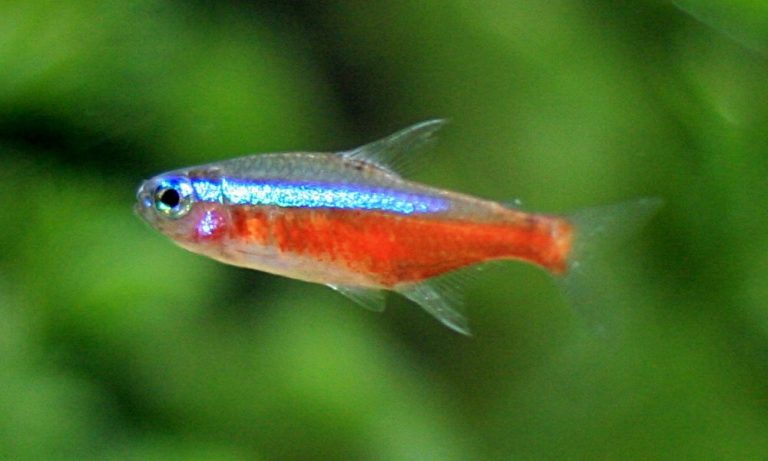
For example, the Neon Tetra (Paracheirodon innesi) actually prefers slightly cooler water than its cousin, the Cardinal Tetra (Paracheirodon axelrodi).
Pro Tip: When setting up a tetra community tank, I always aim for a “sweet spot” of 76°F (24.5°C). This middle-ground temperature usually keeps the widest variety of species comfortable without pushing their metabolic rates too high.
If the water is too cold, their immune systems slow down, making them vulnerable to pathogens like Ichthyophthirius multifiliis (Ich).
If the water is too hot, their metabolic rate skyrockets, which can lead to a shorter lifespan and increased aggression.
The Biological Impact of Heat on Tropical Fish
Tetras are ectothermic, meaning their internal body temperature is regulated by the water surrounding them.
This makes them incredibly sensitive to thermal shock, which occurs when the temperature shifts too rapidly for their bodies to compensate.
In my experience, a sudden drop of just three or four degrees can be enough to trigger a massive stress response in a delicate school.
Metabolic Rate and Longevity
When you increase the aquarium temperature for tetras, you are essentially “speeding up” the fish.
They will breathe faster, eat more, and produce more waste, which puts a heavier load on your nitrifying bacteria.
While this might lead to faster growth in juveniles, keeping adults at the upper end of their range for too long can prematurely age them.
Dissolved Oxygen Solubility
One of the most overlooked aspects of temperature is dissolved oxygen solubility.
Warmer water holds less oxygen than cooler water, which can be a major problem during the summer months.
If you notice your tetras gasping at the surface, it is often a sign that the water is too warm and the oxygen levels have plummeted.
Species-Specific Temperature Requirements
To give your fish the best chance at success, you must look at the specific needs of the species you have chosen.
Some tetras are remarkably hardy, while others are “canaries in the coal mine” for water quality and heat.
| Tetra Species | Ideal Temp Range (°F) | Ideal Temp Range (°C) | Sensitivity Level |
|---|---|---|---|
| Neon Tetra | 70°F – 78°F | 21°C – 25°C | Moderate |
| Cardinal Tetra | 73°F – 82°F | 23°C – 28°C | High |
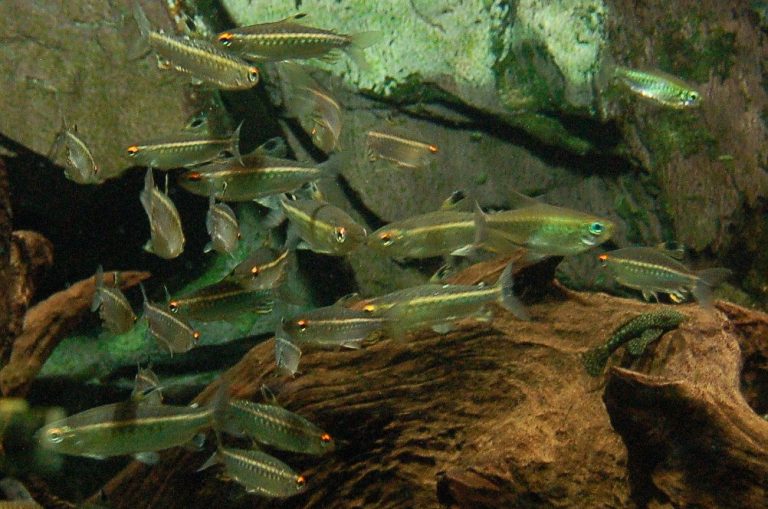
| Rummynose Tetra | 75°F – 84°F | 24°C – 29°C | Very High |
| Black Skirt Tetra | 70°F – 82°F | 21°C – 28°C | Low (Hardy) |
| Ember Tetra | 73°F – 84°F | 23°C – 29°C | Moderate |
As you can see, the neon tetra aquarium fish prefers the cooler end of the spectrum compared to the Rummynose.
If you are planning on breeding tetra fish, you will often need to raise the temperature by 2-3 degrees to simulate the arrival of the rainy season.
This slight increase mimics natural environmental cues that tell the fish it is time to spawn.
Essential Tools for Temperature Management
You cannot manage what you cannot measure, and in aquarium keeping, accuracy is everything.
I have seen many beginners rely solely on the dial of their heater, which is a recipe for disaster.
Heater dials are notoriously inaccurate and should only be used as a rough guide.
The Submersible Heater
A high-quality submersible heater is the heart of your climate control system.
Look for models with a built-in thermostat that allows for precise thermostat calibration.
I prefer using two smaller heaters rather than one large one; if one fails “on,” it is less likely to cook the fish before you notice.
Reliable Thermometers
Never trust just one thermometer, especially those “sticker” types that go on the outside of the glass.
I recommend using a digital probe thermometer for daily checks and a traditional glass alcohol thermometer for periodic verification.
Checking the temperature should be a daily ritual, just like feeding your fish.
Common Mistake: Many hobbyists place their thermometer right next to the heater. This gives a false reading of the overall tank temperature. Always place your thermometer on the opposite end of the tank to make sure the heat is circulating properly.
Temperature and the Immune System: Preventing Ich
One of the most common problems I see when the aquarium temperature for tetras fluctuates is an outbreak of Ich.
Ichthyophthirius multifiliis is a parasite that is often present in small numbers but only attacks when a fish’s immune system is compromised.
Stability is your best defense against this “white spot” disease.
Osmoregulation and Stress
When the temperature is inconsistent, tetras must spend a significant amount of energy on osmoregulation.
This is the process by which they maintain the salt and water balance in their bodies.
If they are too busy trying to survive the temperature swings, they won’t have the energy to fight off infections.
Using Heat as a Treatment
Interestingly, if your tetras do get Ich, raising the temperature to 86°F (30°C) for a short period can speed up the parasite’s life cycle.
However, you must increase aeration significantly during this time to compensate for the loss of dissolved oxygen.
This should only be done with hardy species and under close supervision.
Managing Seasonal Temperature Shifts
Maintaining a steady aquarium temperature for tetras becomes much harder when the seasons change.
In the winter, drafts from windows can cause localized “cold spots” in your tank.
In the summer, ambient room heat can push a tank past the safety zone, even if the heater is turned off.
How to Cool a Warm Aquarium
If your tank hits 85°F or higher during a heatwave, you need to act quickly but gently.
The easiest way to cool a tank is to use a small clip-on fan blowing across the surface of the water.
This promotes evaporative cooling, which can drop the temperature by 2-4 degrees without shocking the fish.
The Danger of Ice Cubes
I have seen many people try to drop ice cubes into their tanks to cool them down.
I strongly advise against this, as it creates pockets of freezing water that can cause thermal shock if a fish swims through them.
Instead, float a sealed bottle of cold water in the tank; this allows for a much more gradual and safe cooling process.
Water Changes and Temperature Matching
The most frequent time tetras experience temperature stress is during a water change.
I have made the mistake of adding water that was just five degrees cooler than the tank, and the result was a school of tetras huddling at the bottom, stressed and pale.
Always use a thermometer to match your new water to the tank water within 1 degree.
The Role of Water Conditioners
While water conditioners don’t change the temperature, using them correctly makes sure that the fish’s slime coat remains intact.
A healthy slime coat is a secondary barrier that protects the fish during minor environmental stressors.
When you combine temperature-matched water with a good conditioner, your tetras will bounce back from water changes almost instantly.
Things people often ask
Can tetras live at room temperature?
Generally, no. Most homes fluctuate between 65°F and 72°F, which is too cold for most tropical tetras. Without a heater, their metabolism will slow down, they will lose color, and they will likely succumb to disease within a few months.
What happens if the aquarium temperature for tetras is too high?
If the water exceeds 84°F-86°F for an extended period, the fish will suffer from oxygen deprivation. You will notice rapid gill movement and lethargy. High heat also accelerates the decay of organic matter, which can lead to ammonia spikes.
Is a 2-degree fluctuation daily okay?
A minor fluctuation of 1-2 degrees between day and night is natural and usually not harmful. However, rapid swings that occur over the course of an hour are much more dangerous than a slow shift over 12 hours.
Do different tetras need different heaters?
The heater depends on the tank size, not the fish species. A general rule is 5 watts of heater power per gallon of water. For a tetra 20 gallon fish tank, a 100-watt heater is usually perfect.
How do I know if my heater is broken?
If the water feels cold to the touch or if the thermometer shows a steady decline despite the heater light being on, the element has likely failed. Conversely, if the water is steaming or the fish are gasping and the temp is 90°F+, the thermostat is stuck “on.”
Conclusion: The Path to Stable Success
Mastering the aquarium temperature for tetras is not about chasing a single “perfect” number on a dial.
It is about creating a stable, predictable environment that allows these beautiful fish to do well without constant physiological stress.
If you put in a reliable heater, checking your thermometer daily, and matching your water during changes, you provide the foundation for a healthy aquarium.
In my years of keeping these schools, I have found that consistency is the greatest gift you can give your fish.
When the water is right, your tetras will reward you with colorful colors, active schooling behavior, and the peaceful energy that makes this hobby so satisfying.
Keep an eye on those thermometers, stay proactive during the changing seasons, and your tetras will enjoy a long and healthy life in your care.

- 2003First tank
- 20+Years keeping
- 40+Tanks kept
- 0Sponsored picks
Howard set up his first 10-gallon planted tank in 2003 and lost half of it within six weeks. Two decades and more than forty aquariums later, he writes the guides he wished he had then: clear numbers, the reasons behind them, and what actually goes wrong in home tanks.