How To Breed Tetra Fish – Step-by-Step Guide
Breeding tetra fish requires a dedicated spawning tank with soft, acidic water, low lighting, and fine-leaved plants. By conditioning parents with live foods and mimicking rainy season conditions, you can successfully trigger egg-scattering and raise healthy fry.
There is something magical about watching a shimmering school of tetras darting through a well-planted aquarium.
After more than a decade of maintaining these vivid characins, I can tell you that moving from keeping them to breeding them is one of the most satisfying milestones in the hobby.
Learning how to breed tetra fish is not just about increasing your stock; it is about understanding the delicate rhythms of nature within your own home.
In my experience, many beginners feel intimidated by the specific water requirements these fish demand.
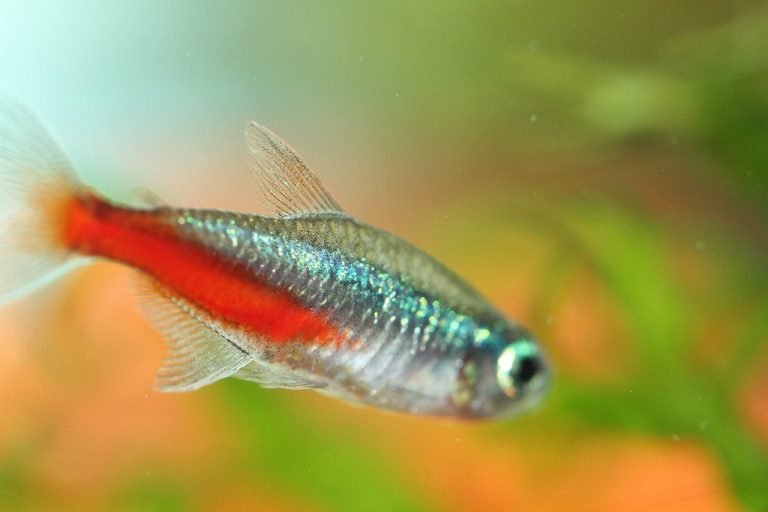
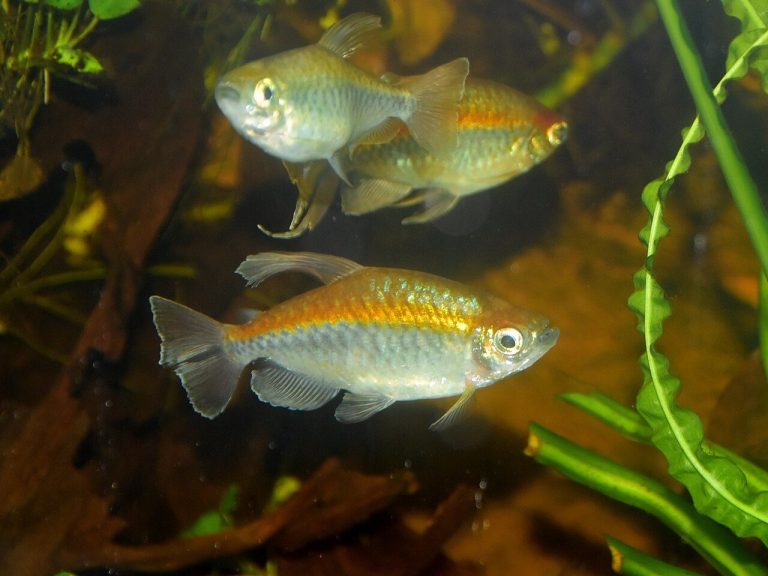
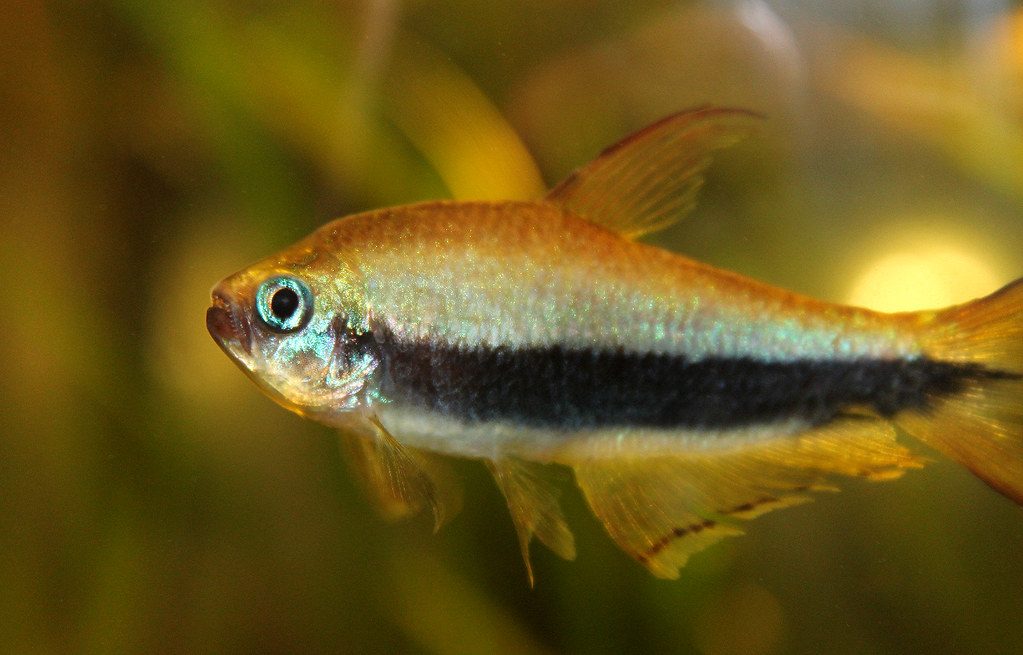
However, with a bit of patience and the right setup, you can witness the incredible lifecycle of species ranging from the classic Paracheirodon innesi (Neon Tetra) to the regal Emperor Tetra.
This guide will walk you through every step of the process, making sure you have the knowledge to succeed where many others struggle.
At a glance: Tetras (general) (Family Characidae and relatives)
- Temperature
- 72–80°F (22–27°C) for most species
- Water pH
- 6.0–7.5 for most species
- Adult size
- 1–3 in (2.5–8 cm)
- Minimum tank
- 10–30 gal depending on species
- Group size
- Groups of 6–10+
- Temperament
- Mostly peaceful schooling fish
- Diet
- Omnivores: quality flakes or micro pellets plus frozen foods
- Lifespan
- 3–8 years
Keeper’s tip: Schooling size matters more than tank size for most tetras: small groups hide, nip and stress.
Understanding the Basics of Tetra Reproduction
Before you set up your first breeding tank, you need to understand that tetras are “egg scatterers.”
Unlike cichlids that guard their nests, tetras generally provide no parental care and will often eat their own eggs if given the chance.
This behavior means our primary goal is to create an environment where the eggs can fall safely out of reach of the hungry adults.
Most tetras originate from the blackwater streams of South America or Africa, where the water is incredibly soft and stained with tannins.
To be successful, we must replicate these conditions, focusing on low Microsiemens (conductivity) and a slight acidity.
If your tap water is very hard, you may need to invest in a Reverse Osmosis (RO) system to achieve the right balance.
Pro Tip: Always choose the healthiest, most rich individuals for your breeding project. Look for females that are noticeably “plumper” in the midsection, which indicates they are carrying eggs, and males that are displaying their most intense colors.
Setting Up the Perfect Spawning Tank
You cannot easily breed most tetras in a community tank because the eggs will be eaten by tank mates or sucked into powerful filters.
A dedicated spawning tank, usually 5 to 10 gallons in size, is essential for control and safety.
The setup should be simple, focusing on cleanliness and the ability to easily remove the parents once the eggs are laid.
| Equipment | Purpose | Recommendation |
|---|---|---|
| Filter | Gentle circulation and biological filtration. | Air-driven sponge filter. |
| Substrate/Floor | Protects eggs from being eaten. | Bare bottom with glass marbles or mesh. |
| Plants | Provides a surface for egg scattering. | Java Moss (Taxiphyllum barbieri). |
| Lighting | Mimics natural shaded environments. | Very dim or no direct light. |
Using Spawning Mops and Moss
In my early years, I struggled with eggs being eaten before I could even see them.
I eventually learned that using a spawning mop made of dark synthetic yarn or a thick clump of Taxiphyllum barbieri is a big help.
These materials provide a dense thicket where eggs can fall and remain hidden from the adults until you are ready to move the parents.
Water Chemistry and Peat Filtration
Tetras often require a specific dGH (degree of General Hardness) to trigger spawning.
For many species, a dGH of 1 to 5 is ideal, which mimics the mineral-poor waters of the Amazon.
I often use peat filtration or add Indian Almond leaves to the water to release humic acid, which naturally lowers pH and adds beneficial tannins.
how to breed tetra fish: A Step-by-Step Spawning Process
Once your tank is cycled and your water parameters are stable, it is time to focus on how to breed tetra fish through a controlled introduction.
The process begins by separating your chosen males and females for about a week.
During this time, you should feed them heavily with high-quality live or frozen foods to “condition” them for the energy-intensive spawning act.
After the conditioning period, introduce the pair (or a small group) into the breeding tank in the evening.
If you are breeding diamond tetras or similar species, you will notice the male starting to chase the female more vigorously the following morning.
Spawning usually occurs at dawn or shortly after the lights come on, as the rising light levels signal the start of the day in nature.
The fish will swim closely together, often darting into the moss or mop, where the female releases her eggs and the male fertilizes them instantly.
Once you notice the female looks “spent” or thinner, and the chasing has subsided, it is critical to remove the adults immediately.
Leaving them in the tank for even an hour after spawning can result in the loss of the entire clutch of eggs.
Conditioning Your Tetra Breeders for Success
Diet is the most influential factor in preparing your fish for reproduction.
While flakes are fine for maintenance, they rarely provide the fatty acids and proteins needed for egg production.
I have found that rotating between live brine shrimp, daphnia, and bloodworms makes a massive difference in the number of eggs produced.
In addition to food, temperature plays a vital role in the conditioning process.
Raising the temperature by 2-3 degrees Fahrenheit over a few days can simulate the onset of the breeding season.
This, combined with a large water change using slightly cooler, soft water, mimics the tropical rains that naturally trigger spawning in the wild.
| Tetra Species | Ideal pH | Ideal Temperature |
|---|---|---|
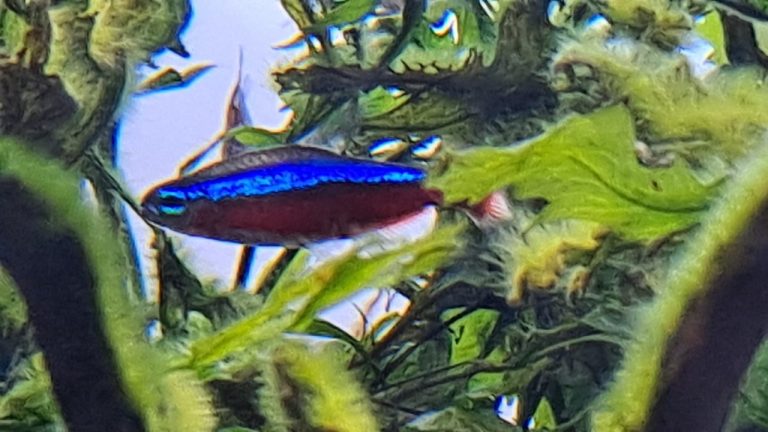
| Neon Tetra | 5.5 – 6.5 | 75°F – 78°F |
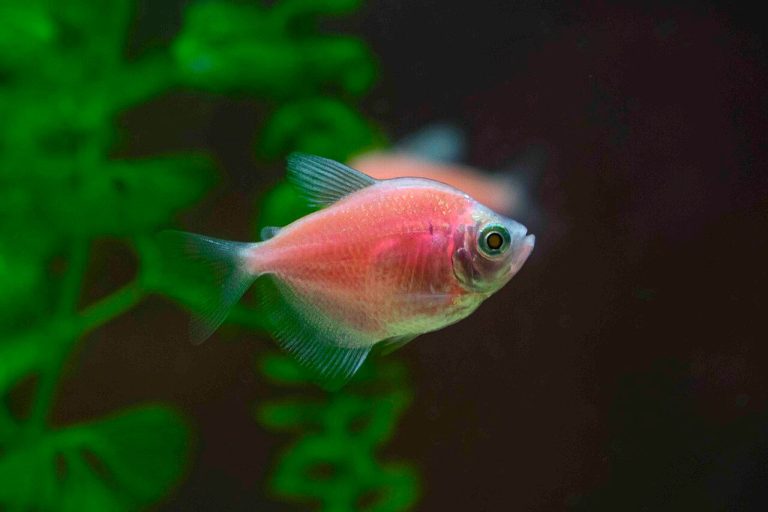
| Glowlight Tetra | 6.0 – 7.0 | 78°F – 82°F |
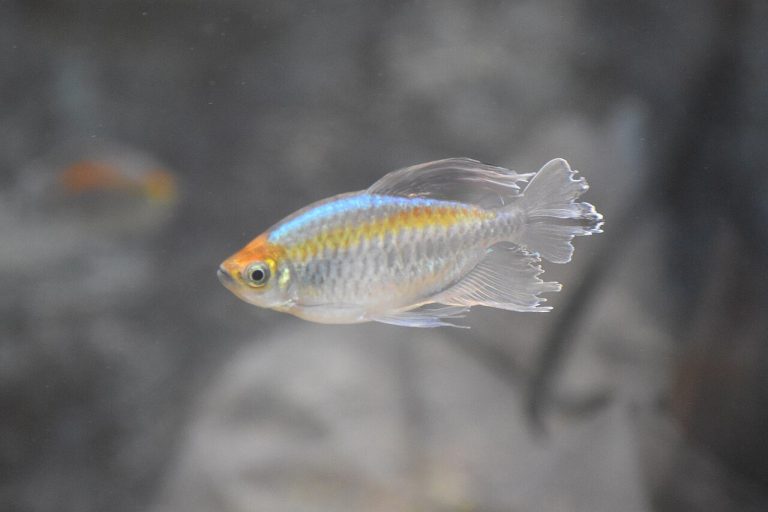
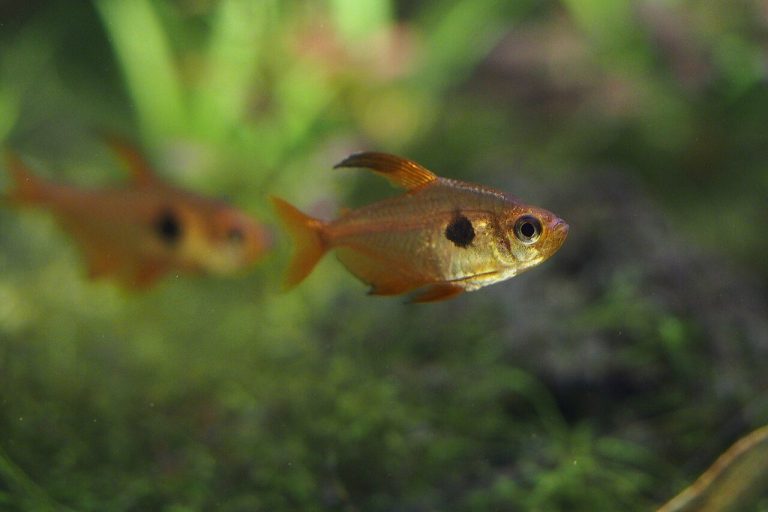
| Diamond Tetra | 6.0 – 7.5 | 76°F – 80°F |
Using high-quality tetra foods during this phase helps make sure the fry will have the best possible start in life.
Stronger parents produce more resilient offspring, which is especially important during the fragile first few days after hatching.
Caring for Tetra Fry: From Eggs to Free-Swimming
Once the adults are removed, the real challenge begins.
Tetra eggs are notoriously sensitive to light, a condition known as photosensitivity.
I usually cover the sides of the breeding tank with dark paper or keep the room in total darkness for the first 48 to 72 hours.
If the eggs are exposed to bright light, they may fungus over and fail to hatch.
The First Feedings
When the fry first hatch, they will look like tiny “slivers” stuck to the glass or the moss.
They will survive on their yolk sacs for a couple of days, but once they become “free-swimming,” you must provide food immediately.
Because tetra fry are incredibly small, they cannot eat standard baby brine shrimp right away.
You will need to start with Infusoria, which are microscopic organisms that the fry can easily swallow.
After about a week of feeding Infusoria, you can transition them to Artemia salina nauplii (newly hatched brine shrimp).
Providing care for neons and other small tetras at this stage requires multiple small feedings per day to keep their tiny bellies full.
Pro Tip: When cleaning the fry tank, use a small piece of airline tubing as a siphon. This prevents you from accidentally sucking up the nearly invisible fry while you remove waste from the bottom of the tank.
Troubleshooting Common Breeding Challenges
Even seasoned aquarists encounter hurdles when trying to breed tetras.
One of the most common issues is egg fungus, where a white, fuzzy growth consumes the clutch.
This is often caused by water that is too hard or not clean enough.
Adding a drop of methylene blue to the spawning tank can help prevent fungal outbreaks, though you must be careful not to overdo it.
Another issue is “non-productive” pairings.
Sometimes, two fish simply don’t “click,” or one of the pair is not fully mature.
If you don’t see eggs after three days in the spawning tank, I recommend returning the parents to the main tank.
Re-condition them for another two weeks before trying again, perhaps with different partners.
Quick answers
How many eggs do tetra fish lay?
Most common tetra species can lay anywhere from 60 to 150 eggs in a single spawning session. However, the survival rate depends heavily on water quality and how quickly the parents are removed.
Can I breed tetras in a community tank?
It is extremely rare for tetra fry to survive in a community tank. The eggs are a protein-rich snack for other fish, and the fry are small enough to be eaten by almost anything, including their parents.
How long does it take for tetra eggs to hatch?
In most cases, the eggs will hatch within 24 to 36 hours, depending on the water temperature. The fry will then remain stationary for another 2 to 3 days while they absorb their yolk sacs.
What is the best way to lower water hardness for breeding?
The most reliable method is mixing RO (Reverse Osmosis) water with a small amount of tap water. You can also use peat moss in your filter to naturally soften the water and lower the pH.
A closing note
Mastering how to breed tetra fish is a journey of observation and adjustment.
It forces us to pay closer attention to the subtle needs of our aquatic friends, from the exact mineral content of the water to the timing of their morning rituals.
While the process requires more effort than simply keeping a community tank, the sight of a dozen tiny fry growing into a colorful school is worth every bit of work.
Keep your spawning tank clean, your water soft, and your fry well-fed with microscopic foods.
With persistence and the right conditions, you will soon be successfully raising the next generation of shimmering gems in your home aquarium.
Keep experimenting, stay patient, and enjoy the satisfying world of tetra breeding!

- 2003First tank
- 20+Years keeping
- 40+Tanks kept
- 0Sponsored picks
Howard set up his first 10-gallon planted tank in 2003 and lost half of it within six weeks. Two decades and more than forty aquariums later, he writes the guides he wished he had then: clear numbers, the reasons behind them, and what actually goes wrong in home tanks.