Where Are Neon Tetras From – What You Need to Know
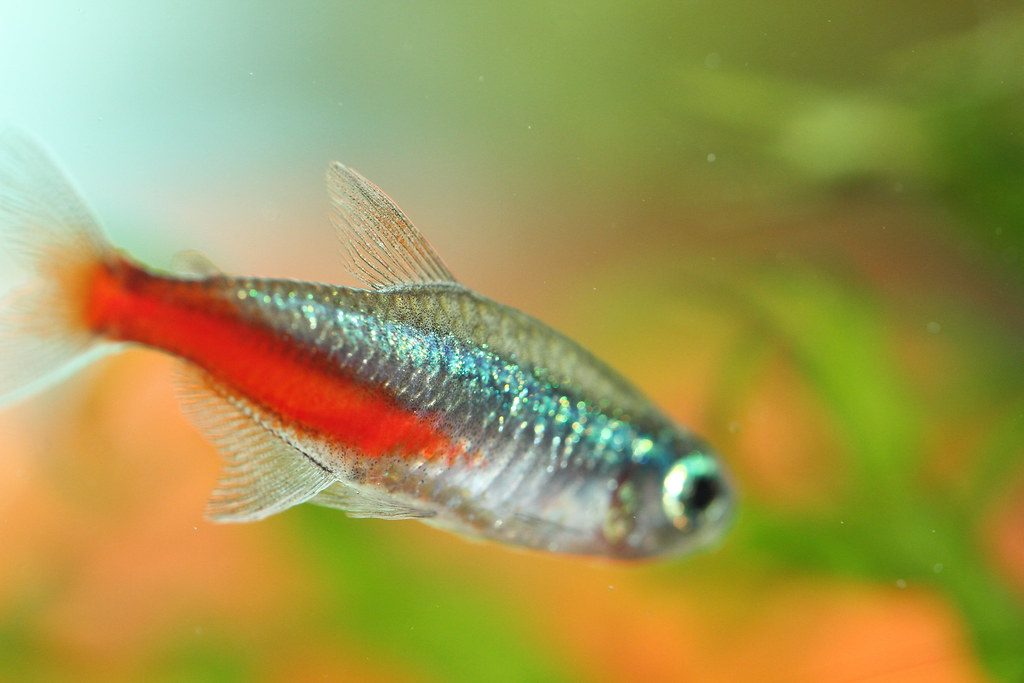
Neon tetras (Paracheirodon innesi) originate from the western Amazon basin, specifically the blackwater and clearwater tributaries of the Rio Solimões and Rio Putumayo across Peru, Colombia, and Brazil.
When you walk into almost any pet store in the world, the first thing that catches your eye is the shimmering blue and red streak of a neon tetra. These tiny fish have become a staple of the hobby, but many keepers don’t realize the incredible journey their ancestors took.
In my experience, understanding exactly where are neon tetras from is the single most important step in moving from a beginner to a successful aquarist. When we know the specific environment they evolved in, we can stop guessing about their care and start providing a home that allows them to settle in.
In this guide, I will take you deep into the heart of the Amazon rainforest. We will explore the chemistry of their native waters and how you can replicate those conditions to help your fish live long, healthy lives.
At a glance: Neon tetra (Paracheirodon innesi)
- Temperature
- 72–78°F (22–26°C)
- Water pH
- 6.0–7.0
- Adult size
- 1.5 in (4 cm)
- Minimum tank
- 10 gal (20 gal for a proper school)
- Group size
- Groups of 8+
- Temperament
- Peaceful
- Diet
- Omnivore: micro pellets, flakes, frozen daphnia
- Lifespan
- 5–8 years
Keeper’s tip: Add neons only to a fully cycled, stable tank; they are among the first fish to suffer from ammonia swings.
The Geographic Origins of Neon Tetras
The scientific name for the neon tetra is Paracheirodon innesi. They were first discovered in the mid-1930s by an adventurer named Auguste Rabaut, who found them in the leafy, humid jungles of South America.
Specifically, the Iquitos Peru region is considered the primary heartland for these fish. They are found throughout the western Amazon basin, stretching across the borders of Peru, Colombia, and western Brazil.
They primarily inhabit the Rio Solimões and the Rio Putumayo. These massive river systems are fed by countless smaller streams and tributaries that snake through the dense rainforest floor.
Pro Tip: While most neon tetras in stores today are captive-bred in huge facilities in Asia or Florida, their genetic blueprint is still hard-wired for the Amazon. Even if your fish have never seen a river, they will show much better color and behavior if you mimic their ancestral home.
where are neon tetras from: Exploring the Blackwater Environment
When we ask where are neon tetras from, we aren’t just looking for a spot on a map. We are looking for a specific type of water known as “blackwater.”
Contrary to the name, blackwater isn’t dirty or polluted. It is actually incredibly clean, but it is stained a deep, tea-like color by decaying organic matter.
This tannin-stained water is the result of thousands of years of fallen leaves, bark, and seeds soaking in the slow-moving streams. These organic materials release humic and fulvic acids, which fundamentally change the water’s chemistry.
The humic acid concentration in these areas is very high. This makes the water naturally acidic and provides a powerful boost to the fish’s immune systems.
In the wild, neon tetras spend their time working through through submerged root systems and thick layers of leaf litter. These structures provide shade from the intense tropical sun and places to hide from larger predators.
The Unique Water Chemistry of the Amazon
The water in the Amazonian blackwater tributaries is some of the softest on the planet. Because the region is dominated by ancient rainforest soil rather than limestone, there are very few minerals dissolved in the water.
This results in a very low general hardness dGH. In many of their native streams, the hardness is almost undetectable.
Additionally, the specific conductance (a measure of how well water conducts electricity based on dissolved salts) is extremely low. This means the water is very “pure” in terms of mineral content.
To help you understand the difference between their wild home and a typical home aquarium, I have put together this comparison table:
| Parameter | Wild Amazon Habitat | Standard Home Aquarium |
|---|---|---|
| pH Level | 4.0 – 6.5 | 6.5 – 7.5 |
| General Hardness (dGH) | 0 – 2 degrees | 4 – 10 degrees |
| Water Clarity | Tannin-stained (Dark) | Crystal Clear |
| Temperature | 68°F – 78°F | 72°F – 78°F |
I have noticed that when I keep my neons in slightly acidic water with some tannins, their blue stripe becomes almost neon-electric. When the water is too hard or alkaline, that color often fades to a duller grey.
How the Environment Shapes Their Life Cycle
The Amazon experiences dramatic seasonal changes. During the rainy season, the rivers rise and flood the surrounding forest floor.
This flooding creates a massive influx of food, such as small insects, larvae, and crustaceans. It also provides the tetras with new hiding spots among the flooded trees.
This is the primary trigger for breeding. The soft, acidic rainwater signals to the fish that it is time to spawn.
If you are interested in growing your school, understanding these triggers is vital. You can learn more about the process in our guide on how to breed tetra fish.
The fry are extremely sensitive to light and water quality. In the wild, the dark, tannin-stained water protects the developing eggs from harmful UV rays.
Replicating the Amazon in Your Home Aquarium
Now that we know where are neon tetras from, how do we bring that piece of the Amazon into our living rooms? You don’t need to turn your tank into a muddy swamp, but a few key additions make a huge difference.
First, consider using driftwood. Malaysian driftwood or Mopani wood will naturally leach tannins into the water over time.
This will slowly lower the pH and provide that natural “blackwater” look. If you prefer clear water, you can still provide the benefits of humic acid by using Indian Almond leaves (Catappa leaves).
I’ve found that adding a few of these leaves to the back of the tank provides a great grazing ground for shrimp and tiny fry. They also release natural anti-fungal properties that keep your bright aquarium additions healthy.
Pro Tip: Avoid using “white” or “high-intensity” LED lights at full power. Neon tetras are used to the dappled sunlight of the rainforest canopy. Use floating plants like Amazon Frogbit or Salvinia to create shadows and make your fish feel secure.
Lighting is often overlooked. In bright tanks, neon tetras often feel exposed and will hide or stay at the bottom. By dimming the lights, you will see them school more naturally in the middle of the water column.
Dietary Needs: From the Amazon to the Tank
In their native streams, neon tetras are micropredators. They spend their days hunting for tiny invertebrates that fall into the water or live among the roots.
They eat a variety of insect larvae, small worms, and tiny crustaceans like daphnia. This high-protein diet is what gives them the energy to stay in a constant schooling motion.
In the home aquarium, we often rely too heavily on flakes. While modern flakes are high quality, they don’t always replicate the nutritional profile of the wild.
I always recommend supplementing their diet with frozen or live foods. Frozen bloodworms, brine shrimp, and tubifex worms are excellent choices.
When they receive a varied diet, you will notice their red stripe becomes much deeper and more saturated. This is a direct result of the carotenoids found in their natural prey.
Knowing where are neon tetras from also helps us understand their social needs. In the Amazon, these fish live in massive schools of hundreds or even thousands.
This isn’t just for fun; it is a survival mechanism. In the wild, a single tiny fish is an easy snack for a larger predator. In a shimmering school of a thousand, the predator becomes confused.
In your tank, you should never keep fewer than six neons. In my experience, a school of 10 to 15 is where you really start to see their true personality shine.
When choosing tank mates, look for other species from the same region. Many hobbyists enjoy building a community based on South American species.
Good companions include Corydoras catfish, Otocinclus, and other small, peaceful tetras. Avoid large or aggressive fish that might see the neons as food.
For more detailed advice on picking the right neighbors, check out our compatibility considerations guide.
Common Mistakes When Keeping Neon Tetras
Even though they are widely available, neon tetras can be surprisingly delicate. Most of the problems aquarists face come from ignoring their natural origins.
One major mistake is putting them into a brand-new, “uncycled” aquarium. In the wild, the vast volume of the Amazon river buffers against changes.
In a small tank, ammonia and nitrite levels can spike quickly. Neons have very little tolerance for these toxins.
Another mistake is keeping them in water that is too warm. While they are tropical fish, the shaded streams of the Amazon stay relatively cool.
Constant temperatures above 80°F (27°C) can shorten their lifespan and increase their metabolism too much. Aim for a steady 75°F (24°C) for the best results.
Finally, don’t forget the importance of stability. While they can adapt to different pH levels, they cannot handle rapid swings. Always drip-acclimate new fish to make sure they don’t go into shock.
FAQ
Are all neon tetras wild-caught?
No, the vast majority of neon tetras sold in the aquarium trade today are captive-bred. Commercial fish farms in Southeast Asia and Eastern Europe produce millions of these fish annually. However, wild-caught specimens are still occasionally available for enthusiasts who want the original genetic stock.
Can neon tetras live in hard water?
While they can survive in moderately hard water, it is not ideal. High mineral content can lead to kidney issues (calcium deposits) over time. If your tap water is very hard, consider mixing it with Reverse Osmosis (RO) water to bring the hardness down.
Do they need live plants?
While not strictly “required,” live plants are highly recommended. They mimic the submerged root systems of the Amazon and help process nitrates, keeping the water cleaner. They also provide the shade and cover that neons crave.
How long do neon tetras live in the wild vs. the aquarium?
In the wild, many neons only live for a year or two due to heavy predation. In a well-maintained home aquarium that replicates their natural environment, they can easily live for 5 to 8 years.
What is the difference between Neon Tetras and Cardinal Tetras?
While they look similar and come from similar regions, Cardinal tetras (Paracheirodon axelrodi) have a red stripe that runs the full length of their body. Neons only have the red stripe on the back half. Cardinals generally require even warmer and more acidic water than neons.
Final Thoughts on Neon Tetra Origins
Understanding where are neon tetras from is more than just a history lesson. It is the blueprint for your success as a fish keeper.
By acknowledging their roots in the blackwater tributaries of the Amazon, we can provide the soft, acidic, and shaded environment they need. This leads to less stress, fewer diseases, and the most colorful colors possible.
Whether you are setting up your first 10-gallon tank or a massive 100-gallon Amazonian biotope, keep the Rio Solimões in mind. Your fish will thank you for it with years of active, shimmering beauty.
The goal isn’t just to keep them alive, but to help them settle in. By mimicking the tea-colored waters of Peru and Brazil, you are giving your neon tetras the very best start in their new home.

- 2003First tank
- 20+Years keeping
- 40+Tanks kept
- 0Sponsored picks
Howard set up his first 10-gallon planted tank in 2003 and lost half of it within six weeks. Two decades and more than forty aquariums later, he writes the guides he wished he had then: clear numbers, the reasons behind them, and what actually goes wrong in home tanks.