Diamond Tetra Care Guide – Diet, Tank and Tank Mates
The Diamond Tetra (Moenkhausia pittieri) does well in a well-planted 20-30 gallon aquarium with soft, slightly acidic water. To maintain their signature shimmer, provide a varied diet and keep them in schools of at least six individuals.
Few fish can transform an aquarium quite like the Diamond Tetra. While they may look like plain, silvery fish in a pet store’s crowded holding tank, bringing them home reveals a striking transformation.
In my experience, these fish are the ultimate “ugly ducklings” of the hobby. Once they settle into a mature tank, their scales catch the light like tiny, multi-colored jewels.
This Diamond Tetra care guide will walk you through everything you need to know. From replicating their native Venezuelan waters to choosing the right tank mates, we will help your school does well for years to come.
Getting these fish to show their best colors requires more than just clean water. It requires an understanding of their biology and their specific environmental needs.
At a glance: Diamond tetra (Moenkhausia pittieri)
- Temperature
- 75–82°F (24–28°C)
- Water pH
- 6.0–7.5
- Adult size
- 2.5 in (6 cm)
- Minimum tank
- 20 gal
- Group size
- Groups of 6+
- Temperament
- Peaceful
- Diet
- Omnivore: flakes, pellets, live and frozen foods
- Lifespan
- 5–6 years
Keeper’s tip: The sparkling scales take months to develop; young fish in stores look fairly plain.
Understanding the Origins of Moenkhausia pittieri
The Diamond Tetra, scientifically known as Moenkhausia pittieri, hails from South America. Specifically, they are endemic to the Lake Valencia basin in Venezuela.
This region is characterized by leafy vegetation and relatively still waters. Understanding this habitat is the first step toward successful long-term care in a home setting.
In their natural environment, these fish inhabit areas rich in organic matter. This often means the water contains humic substances that leach from decaying wood and leaves.
The Science of the Sparkle
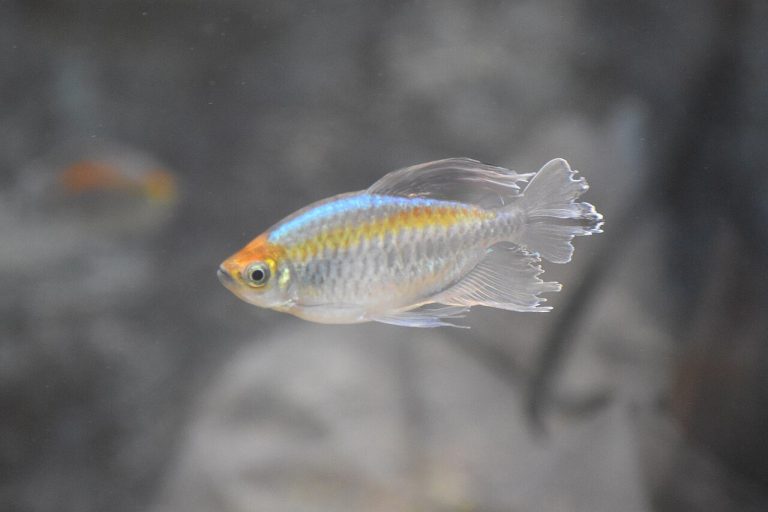
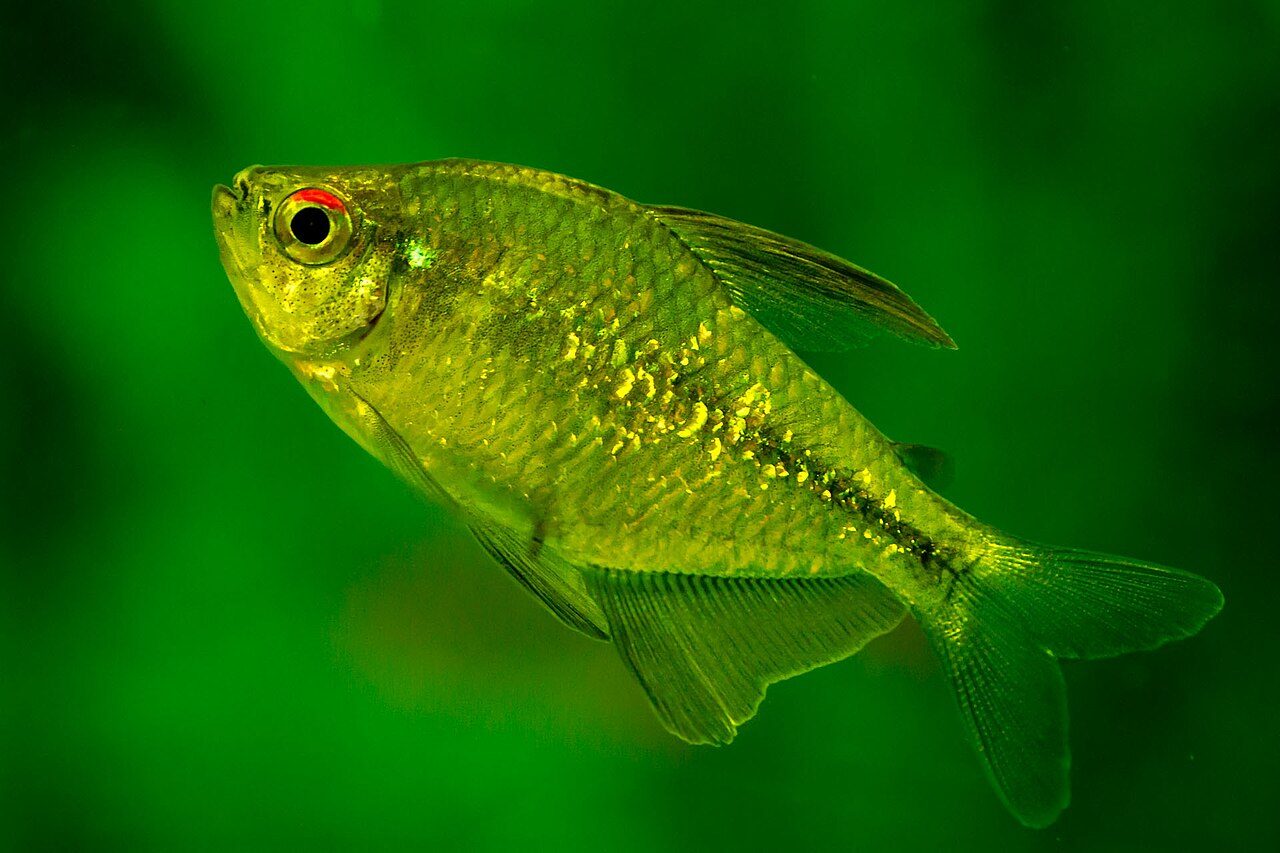
The most striking feature of this species is its iridescent scales. This shimmer is caused by guanine iridophores, which are specialized cells that reflect light.
In the wild, this helps them confuse predators and signal to one another in the shimmering surface waters. When you see them darting through a sunbeam in your tank, you are seeing a specialized evolutionary survival tactic.
I’ve noticed that the sparkle becomes significantly more intense as the fish reach maturity. Juvenile fish often look dull, but by the one-year mark, they become the centerpiece of any display.
Conservation and the Hobby
While they are abundant in the aquarium trade, their wild habitat in Lake Valencia has faced significant environmental pressure. Pollution and industrial runoff have changed the lake’s chemistry over the decades.
Fortunately, the fish we keep today are almost exclusively captive-bred. This makes them much hardier and more adaptable than their wild ancestors.
If you follow a proper Diamond Tetra care guide, you are participating in a long tradition of preserving these beautiful Venezuelan natives in the home aquarium.
Pro Tip: When selecting Diamond Tetras at the store, don’t be discouraged by a “washed out” appearance. Look for active swimmers with clear eyes; the “diamond” brilliance will develop once they feel safe in your planted aquarium.
Ideal Tank Setup and Environment
To see the best shoaling behavior, you must provide enough space. While some sources suggest smaller tanks, I strongly recommend starting with at least a 20-gallon “long” or a 29-gallon aquarium.
These are active swimmers that appreciate horizontal space. They are not “sit and wait” fish; they are constantly on the move, exploring every corner of the tank.
A larger volume of water also helps maintain stability. Diamond Tetras can be sensitive to sudden shifts in water quality, so more water acts as a safety buffer.
Lighting and Substrate
Lighting plays a critical role in how your fish look. If the light is too bright and the substrate is too light, the fish may feel exposed and stressed.
I prefer using a dark substrate, such as black sand or dark brown fluorite. This contrast makes their iridescent scales pop and encourages them to feel more secure.
Use dimmable LED lights if possible. This allows you to replicate the dappled sunlight of their natural Venezuelan home.
Vegetation and Decor
Plants are not optional for the Diamond Tetra; they are a necessity. These fish love to weave through dense stems and hide under broad leaves.
Include floating plants like Pistia stratiotes (Water Lettuce). These help filter the light and provide a sense of security from “above-water” threats.
The addition of driftwood and leaf litter can also be beneficial. As these organic materials break down, they release beneficial tannins that mimic their natural environment.
Pro Tip: Avoid using very sharp plastic plants. Diamond Tetras have delicate fins, especially the elongated dorsal fins on the males, which can easily snag and tear on jagged edges.
Essential Water Parameters for Success
Consistency is the most important factor when it comes to water chemistry. While they are adaptable, they perform best in conditions that mimic tropical South American lakes.
In my decade of fishkeeping, I’ve found that they are most vivid when kept in soft water. If your tap water is very hard, you might consider mixing it with reverse osmosis (RO) water.
Maintaining a stable Carbonate hardness (KH) is also vital. This acts as a buffer for your pH, preventing dangerous “crashes” that can stress the fish.
| Parameter | Ideal Range |
|---|---|
| Temperature | 74°F to 82°F (23°C to 28°C) |
| pH Level | 6.0 to 7.5 |
| Water Hardness (GH) | 4 to 12 dGH |
| Carbonate Hardness (KH) | 2 to 7 dKH |
| Ammonia / Nitrite | 0 ppm (Strict) |
| Nitrate | < 20 ppm |
The Role of Peat Filtration
If you want to go the extra mile, consider Peat filtration. Adding aquarium-safe peat moss to your filter can help naturally lower the pH and soften the water.
This process also introduces humic substances. These compounds have mild antibacterial properties and help the fish maintain a healthy slime coat.
I’ve found that Diamond Tetras kept in “blackwater” or slightly tinted water display much deeper purples and oranges in their fins. It brings out their “wild” side.
Diet and Nutrition: Feeding for Color
Diamond Tetras are omnivores with a healthy appetite. In the wild, they consume a mix of small insects, crustaceans, and plant matter.
In the aquarium, they are not picky eaters. However, if you want them to sparkle, a generic flake food is not enough.
I recommend a base of high-quality micro-pellets or crushed flakes. These should be supplemented with frozen or live foods at least three times a week.
Best Foods for Diamonds
Live or frozen Daphnia pulex is one of the best foods you can provide. It acts as a natural laxative and is packed with minerals that support scale health.
Brine shrimp (Artemia) and bloodworms are also excellent choices. These high-protein snacks encourage growth and spawning behavior.
Don’t forget the “veggie” side of their diet. They will often nibble on soft-leaved plants or algae wafers, which provides necessary fiber.
When providing high-quality nutrition, you’ll notice their eyes become a bright, fiery red. This is a primary indicator of a healthy, well-fed Diamond Tetra.
Feeding Frequency
I prefer feeding small amounts twice a day rather than one large feeding. This keeps their metabolism steady and prevents excess food from rotting in the substrate.
Only feed what they can consume in about two minutes. Because they are mid-water feeders, they rarely pick food off the bottom, so avoid overfeeding to keep your nitrate levels low.
The Diamond Tetra is a classic schooling fish. If kept alone or in pairs, they become incredibly shy and may even stop eating.
You should aim for a group of at least six, though ten or more is much better. In larger groups, the males will engage in harmless “sparring” matches.
They circle each other with fins flared, showing off their iridescent scales. It is a beautiful display that does not result in injury, provided there is enough space.
Choosing Compatible Tank Mates
They are peaceful fish that do well in most community settings. However, they are quite active, so they might annoy very slow-moving or shy species.
Good tank mates include other South American tetras, corydoras, and peaceful dwarf cichlids like Apistogramma. They also do well with many gouramis and livebearers.
If you are considering a more unique pairing, they are generally successful when living alongside a betta. Just ensure the tank is large enough for both to have their own “zones.”
Fish to Avoid
Avoid keeping them with large, aggressive fish like Oscars or large Cichlids. To a big fish, a Diamond Tetra is just a shiny snack.
Also, be cautious with long-finned, slow-moving fish like fancy guppies. While Diamond Tetras aren’t notorious fin-nippers, their high energy can sometimes stress out more sedate tank mates.
Always monitor new additions for the first few days. Every fish has a unique personality, and what works in one tank might not work in another.
Health and Disease Prevention
Like many tropical fish, Diamond Tetras are susceptible to common freshwater ailments. The most frequent issue I see is Ichthyophthirius multifiliis, commonly known as Ich or White Spot Disease.
This parasite often appears when the fish are stressed by a sudden temperature drop or poor water quality. It looks like small grains of salt sprinkled over the body and fins.
Prevention is always better than cure. Quarantining new arrivals for 2-4 weeks is the best way to keep your main display tank healthy.
Identifying Stress Early
A stressed Diamond Tetra will lose its shimmer. If your fish look grey or “flat,” check your ammonia and nitrite levels immediately.
They may also hang near the surface if there isn’t enough oxygen. Make sure you have adequate surface agitation from your filter or an air stone.
Regular water changes (25% weekly) are the foundation of any Diamond Tetra care guide. Clean water is the best preventative medicine available.
Managing Fin Rot
Because of their flowing fins, males can sometimes develop fin rot if the water is dirty. This presents as ragged, blackened, or fraying edges on the fins.
If you notice this, increase your water change frequency and consider adding Indian Almond Leaves. The tannins released are naturally antifungal and aid in tissue repair.
Breeding the Diamond Tetra
Breeding these fish is a satisfying challenge for the intermediate hobbyist. They are egg-scatterers, meaning they do not provide parental care to their young.
To trigger spawning, you will need a separate breeding tank. This tank should have very soft water, a pH of around 6.0, and plenty of fine-leaved plants or a spawning mop.
Condition the parents with live foods for a week before moving them. Usually, a pair or a small group (two males, three females) works best.
The Spawning Process
Spawning usually happens in the early morning. The males will chase the females into the plants, where eggs are released and fertilized.
Once the eggs are laid, you must remove the adults. Diamond Tetras will unfortunately eat their own eggs if given the chance.
The eggs usually hatch within 24 to 36 hours. The fry are tiny and will require infusoria or “green water” as their first food before moving up to baby brine shrimp.
A few common questions
How big do Diamond Tetras get?
In a home aquarium, they typically reach a size of 2 to 2.5 inches. Their deep bodies make them look larger and more substantial than many other tetra species.
How long do they live?
With proper care, Diamond Tetras can live for 3 to 6 years. Providing a high-quality diet and maintaining stable water parameters are the keys to maximizing their lifespan.
Are Diamond Tetras fin nippers?
Generally, no. However, if they are kept in a group that is too small (fewer than 5), they may become bored or anxious and nip at tank mates. Keeping them in a proper school prevents this behavior.
Do they need a heater?
Yes. As tropical fish from Venezuela, they require a consistent temperature between 74°F and 82°F. A high-quality, submersible heater is essential.
Why is my Diamond Tetra not sparkling?
This is usually due to age or stress. Juveniles do not sparkle much. If an adult loses its shimmer, check for poor water quality, lack of light, or signs of illness.
Conclusion: Is the Diamond Tetra Right for You?
The Diamond Tetra is a masterclass in aquatic beauty. While they require a bit more attention to water softness and space than a Neon Tetra, the reward is a shimmering display that is second to none.
If you provide a planted environment, high-quality food, and a group of their own kind, you will see why these fish have remained a favorite for decades. They bring a dynamic energy and a touch of Venezuelan “diamond” brilliance to any room.
In my years of keeping various species, few things are as satisfying as watching a school of Moenkhausia pittieri dance through the plants on a sunny afternoon.
If you are looking for a fish that is peaceful yet active, and subtle yet eye-catching, the Diamond Tetra is the perfect choice for your next aquarium project. Stick to this Diamond Tetra care guide, and you’ll enjoy their shimmering presence for years to come.

- 2003First tank
- 20+Years keeping
- 40+Tanks kept
- 0Sponsored picks
Howard set up his first 10-gallon planted tank in 2003 and lost half of it within six weeks. Two decades and more than forty aquariums later, he writes the guides he wished he had then: clear numbers, the reasons behind them, and what actually goes wrong in home tanks.