Diamond Tetra Size – The Complete Guide To Growth, Care, And Tank
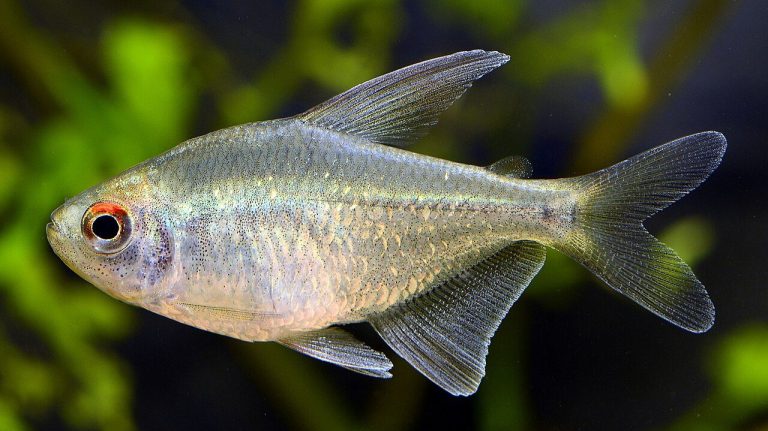
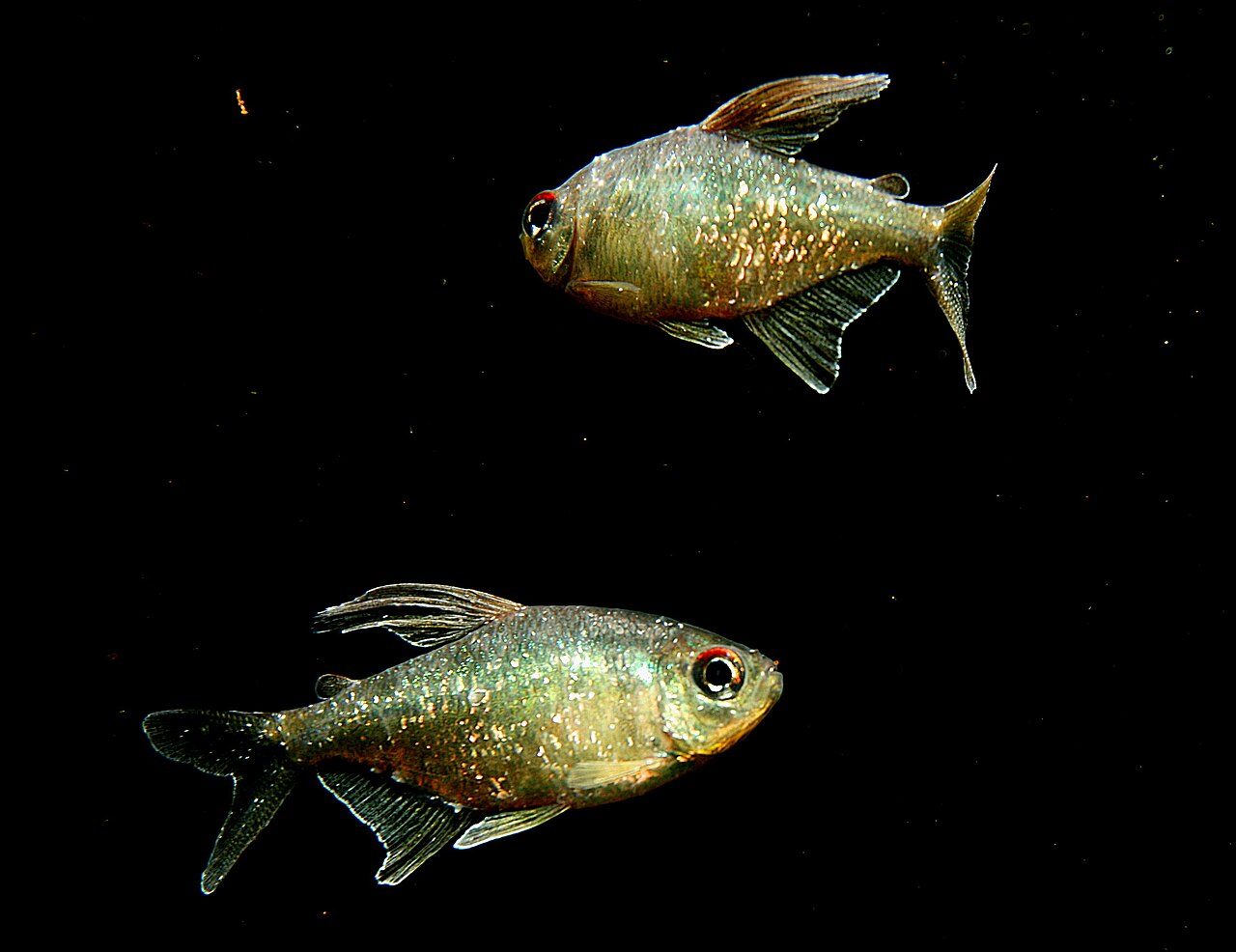
An adult Diamond Tetra typically reaches a maximum size of 2 to 2.5 inches (5 to 6 centimeters). Their deep-bodied shape and long, flowing fins often make them appear larger and more substantial than other common tetra species.
The Diamond Tetra is a spectacular addition to the home aquarium, known for its shimmering scales that catch the light like a gemstone.
When I first started keeping these fish over a decade ago, I was struck by how much their appearance changes as they mature.
Understanding the Diamond Tetra size and their growth patterns is essential for providing them with a home where they can stay healthy and sparkle.
In this guide, we will explore everything from their physical dimensions to the environmental factors that help them reach their full potential.
Whether you are a beginner or an intermediate keeper, these insights will help you master the care of this unique member of the Characidae family.
At a glance: Diamond tetra (Moenkhausia pittieri)
- Temperature
- 75–82°F (24–28°C)
- Water pH
- 6.0–7.5
- Adult size
- 2.5 in (6 cm)
- Minimum tank
- 20 gal
- Group size
- Groups of 6+
- Temperament
- Peaceful
- Diet
- Omnivore: flakes, pellets, live and frozen foods
- Lifespan
- 5–6 years
Keeper’s tip: The sparkling scales take months to develop; young fish in stores look fairly plain.
Understanding Diamond Tetra Size and Growth
When we discuss the dimensions of Moenkhausia pittieri, it is important to distinguish between their length and their overall body mass.
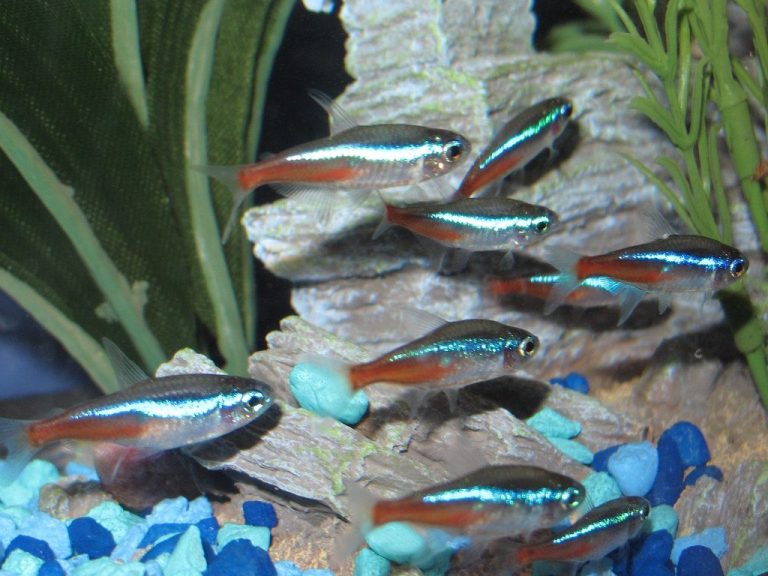
Unlike the slender profile of a Neon Tetra, the Diamond Tetra has a much deeper, more strong body shape.
In my experience, this deep-bodied morphology makes them feel much more “present” in a community tank than their actual length might suggest.
Average Adult Dimensions
On average, you can expect your Diamond Tetras to reach about 2.4 inches in a well-maintained aquarium.
While some specimens in the wild might stay slightly smaller, the consistent food source in captivity often leads to a slightly larger total length.
Below is a quick reference table for the typical sizes you will encounter at different life stages.
| Life Stage | Average Length (Inches) | Average Length (CM) |
|---|---|---|
| Juvenile (at pet store) | 0.75 – 1.25 inches | 2 – 3 cm |
| Sub-Adult | 1.5 – 1.75 inches | 4 cm |
| Full Adult | 2.0 – 2.5 inches | 5 – 6 cm |
Standard Length vs. Total Length
In the scientific community, researchers often use the standard length, which measures from the snout to the end of the caudal peduncle.
However, for us hobbyists, we usually look at the total length, which includes the tail fin.
This is particularly relevant for Diamond Tetras because their fins can be quite expansive, especially in mature males.
Pro Tip: When purchasing Diamond Tetras, don’t be discouraged if they look “dull” or small in the shop. Their famous shimmering scales and full size only develop once they are settled into a stable, high-quality environment.
Factors Influencing Diamond Tetra Size
Not every Diamond Tetra will reach that 2.5-inch mark, as several factors play a role in their morphological development.
I have noticed that fish kept in cramped conditions or with poor nutrition rarely reach their maximum potential size or coloration.
To get the best results, you need to focus on a holistic approach to their care.
Diet and Nutrition
To help your fish reach their maximum Diamond Tetra size, you must provide a varied and protein-rich diet.
In their natural habitat of Lake Valencia, they consume a mix of small invertebrates, insects, and plant matter.
I highly recommend using the best diet for your fish, which should include high-quality flakes and frozen treats like daphnia or brine shrimp.
Water Quality and Tank Volume
Water chemistry is the silent driver of growth in the aquarium hobby.
High nitrate levels can stunt the growth of young tetras and lead to a shorter overall lifespan.
When fish have more room to swim, they develop better muscle tone and a more impressive physical presence.
| Parameter | Ideal Range |
|---|---|
| Temperature | 74°F – 82°F (23°C – 28°C) |
| pH Level | 6.0 – 7.5 |
| Water Hardness | 4 – 12 dGH |
| Minimum Tank Size | 20 Gallons (Long) or 30 Gallons |
Sexual Dimorphism and Fin Development
One of the most unusual aspects of this species is the sexual dimorphism that becomes apparent as they grow.
While both males and females reach a similar body length, their silhouettes are quite different.
In my experience, being able to tell them apart is key if you ever decide to try your hand at breeding them.
Identifying Males
Males are the true showstoppers of the species, featuring significant dorsal fin elongation.
As they mature, the dorsal fin can become quite long and pointed, sometimes even reaching back toward the tail.
They also tend to have a higher concentration of iridophores, the specialized cells that create that metallic, diamond-like glitter.
Identifying Females
Females are generally more “plump” when viewed from above, especially when they are carrying eggs.
Their fins are much shorter and more rounded compared to the males.
While they still shimmer, they usually lack the dramatic finnage that makes the males look so much larger in the water column.
Common Mistake: Many keepers try to keep Diamond Tetras in 10-gallon tanks because they are “just tetras.” This is a mistake; their active swimming style and deep bodies require at least a 20-gallon long tank to prevent stress.
Tank Requirements for Growing Diamond Tetras
Setting up the right environment is vital for achieving a healthy Diamond Tetra size.
These fish come from a specific region in Venezuela, and mimicking those conditions will lead to much better growth rates.
I’ve found that they look their best when kept in a “nature style” aquarium with plenty of plants and driftwood.
Vegetation and Swimming Space
Diamond Tetras love a heavily planted tank, but they also need open space in the center for schooling.
I recommend planting the back and sides with tall species like Vallisneria or Amazon Swords.
Floating plants are also a great addition, as they provide shade and help the fish feel secure enough to show off their best colors.
Lighting for Maximum Sparkle
The way you light your tank will determine how much of that “diamond” effect you actually see.
I prefer using a full-spectrum LED light that emphasizes the blue and silver tones of their scales.
Lower light or “tannin-stained” water can actually make their iridescence pop even more by providing a dark background for the scales to reflect against.
Behavior and Schooling Dynamics
The size of the school you keep will directly impact the health and perceived size of your fish.
Diamond Tetras are highly social and should never be kept alone or in very small groups.
If you are curious about other schooling species, you will find that Diamonds are among the most active.
The Importance of a Large Group
I always suggest a minimum of 6 to 8 individuals, but a group of 10 to 12 is even better.
In a large school, males will display to one another, flaring their fins and showing off their maximum size.
This natural behavior is beautiful to watch and also keeps the fish active and physically fit.
Compatibility with Other Fish
Because of their solid size, they are excellent candidates for community tanks with larger, peaceful tank mates.
They can hold their own with many dwarf cichlids or larger gouramis.
Some hobbyists even consider their compatibility when keeping them with a betta, provided the tank is large enough to allow everyone their own space.
The Biological Magic of Iridophores
The most striking feature of the Diamond Tetra isn’t just its size, but its shimmer.
This shimmer is caused by iridophores, which are light-reflecting pigment cells.
As the fish grows, the number and density of these cells increase, leading to a more intense sparkle.
I have observed that juveniles often look like plain silver fish with a hint of orange in their eyes.
It takes about 6 to 9 months of proper care for the morphological development of these cells to reach their peak.
This is why patience is the most important tool for any Diamond Tetra keeper.
Common Mistakes with Diamond Tetra Size
One of the most frequent errors I see is overstocking a small tank based on the “one inch per gallon” rule.
This rule is outdated and dangerous, especially for deep-bodied fish like the Diamond Tetra.
Because they are taller and wider than a Neon Tetra, they produce more waste and require more oxygen.
Another mistake is failing to account for their adult size when choosing tank mates.
While they are peaceful, their active nature and 2.5-inch size can sometimes intimidate very small, shy species.
Always plan your aquarium layout around their adult dimensions rather than the size they are at the pet store.
Questions and answers
How long does it take for a Diamond Tetra to reach full size?
In my experience, they typically reach their full adult size within 10 to 12 months. This depends heavily on water temperature and the frequency of feedings.
Are Diamond Tetras fin nippers?
Generally, no. However, if they are kept in a tank that is too small or in a school that is too small, they can become nippy out of stress. Providing them with a proper school and enough space usually eliminates this behavior.
Can Diamond Tetras live in a 10-gallon tank?
I strongly advise against it. While they might fit physically when young, a 10-gallon tank does not provide the swimming length they need as they grow. A 20-gallon long is the absolute minimum for a healthy school.
Do Diamond Tetras lose their color as they get older?
Actually, it is the opposite. Their color and shimmer tend to intensify as they age, provided they are healthy. Older males with fully developed fins are some of the most beautiful fish in the hobby.
What is the lifespan of a Diamond Tetra?
With excellent care and a stress-free environment, they can live for 3 to 5 years. Maintaining a stable Diamond Tetra size and weight through a balanced diet is key to their longevity.
Where that leaves you
Mastering the care of the Diamond Tetra starts with respecting their physical needs and growth potential.
Once you understand that the Diamond Tetra size involves more than just length, you can create an environment that shows off their deep bodies and incredible shimmer.
Remember to provide them with plenty of space, a diverse diet, and a school of their own kind to ensure they feel secure.
I have found that few things are as rewarding as watching a group of dull, juvenile Diamonds transform into sparkling jewels over the course of a year.
It takes patience and attention to detail, but the result is a striking display that will be the highlight of your aquarium.
Keep your water clean, your plants dense, and your fish well-fed, and you will enjoy the beauty of these Venezuelan treasures for years to come.

- 2003First tank
- 20+Years keeping
- 40+Tanks kept
- 0Sponsored picks
Howard set up his first 10-gallon planted tank in 2003 and lost half of it within six weeks. Two decades and more than forty aquariums later, he writes the guides he wished he had then: clear numbers, the reasons behind them, and what actually goes wrong in home tanks.