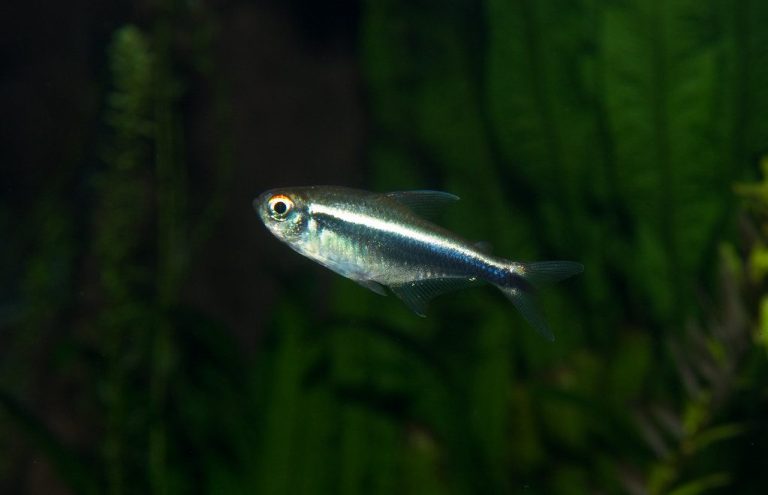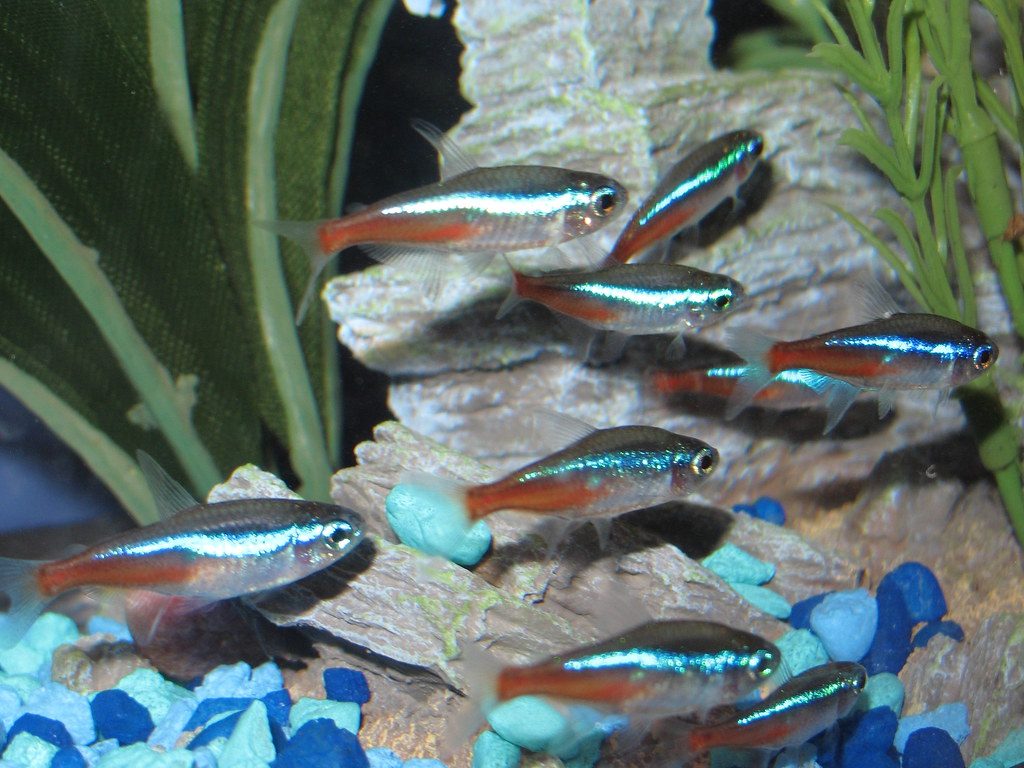
What Do Neon Tetras Eat – What and How Often to Feed
Neon tetras are omnivores that settle in on a diverse diet of high-quality tropical flakes, micropellets, and protein-rich live or frozen foods like brine shrimp. A varied diet is essential for maintaining their brilliant colors and immune health.
Keeping Paracheirodon innesi, commonly known as the Neon Tetra, has been a highlight of my fish-keeping journey for over a decade. These tiny, glowing jewels are the centerpiece of many a rich community aquarium, but their health depends heavily on what you put in the tank.
When I first started keeping these South American natives, I made the mistake of feeding only one type of flake food. I quickly noticed their colors fading and their energy levels dropping.
Understanding what do neon tetras eat is about more than just filling their bellies; it is about mimicking their natural environment to help they live their full lifespan. In this guide, I will share everything I have learned about providing the perfect nutritional balance for these amazing fish.
At a glance: Neon tetra (Paracheirodon innesi)
- Temperature
- 72–78°F (22–26°C)
- Water pH
- 6.0–7.0
- Adult size
- 1.5 in (4 cm)
- Minimum tank
- 10 gal (20 gal for a proper school)
- Group size
- Groups of 8+
- Temperament
- Peaceful
- Diet
- Omnivore: micro pellets, flakes, frozen daphnia
- Lifespan
- 5–8 years
Keeper’s tip: Add neons only to a fully cycled, stable tank; they are among the first fish to suffer from ammonia swings.
What Do Neon Tetras Eat in Their Natural Habitat?
To provide the best care, we must look at the blackwater streams and clearwater rivers of the Amazon basin. In the wild, Neon Tetras are opportunistic omnivores that spend their day foraging among leaf litter and submerged roots.
They primarily consume tiny invertebrates, various life stages of insects, and even small amounts of plant matter. Their mouths are small and upturned, which tells us they are designed to eat items from the middle of the water column or the surface.
Pro Tip: In the wild, these fish eat frequently but in very small quantities. Replicating this “little and often” approach in your home aquarium can significantly reduce digestive stress and keep your fish more active.
One of the most common natural food sources for them is the larvae of Chironomidae, also known as non-biting midges. They also graze on biofilm and algae found on driftwood, though this makes up a smaller portion of their diet compared to protein sources.
The Core Diet: What Do Neon Tetras Eat Daily?
In a home setting, the bulk of their nutrition will likely come from high-quality prepared foods. Because Neon Tetras have such small mouths, the physical size of the food is just as important as the nutritional content.
High-quality tropical flakes are a staple for many keepers, but they can be messy and lose nutritional value quickly once the container is opened. I have found that micropellets are often a superior choice because they retain their shape and vitamins longer in the water.
When selecting a commercial food, look for ingredients like whole fish meal, shrimp meal, and Spirulina. Avoid foods that list “wheat flour” or “soybean meal” as the first few ingredients, as these are mostly fillers that the fish cannot easily digest.
| Food Type | Frequency | Primary Benefit |
|---|---|---|
| High-Quality Flakes | Daily (Once or twice) | Convenience & Balanced Vitamins |
| Micropellets | Daily (Once or twice) | High Protein & Minimal Waste |
| Frozen Brine Shrimp | 2-3 Times per Week | Enhanced Color & Vitality |
| Freeze-Dried Bloodworms | Once per Week | High Protein Treat |
Choosing the Right Particle Size
If you use flakes, make sure to crush them between your fingers before dropping them into the tank. Neon Tetras often struggle with large flakes, which can lead to them spitting the food out or ignoring it entirely.
Micropellets are specifically designed for small characins and usually sink slowly. This slow-sinking action is perfect for Neons, as they prefer to catch their food as it drifts through the middle of the tank.
Live and Frozen Foods for Right Health
To see your neon tetra aquarium fish do well, you must supplement their diet with “wet” foods. These provide essential fats and proteins that dry foods often lack during the manufacturing process.
Artemia salina, or brine shrimp, is perhaps the best live or frozen food you can offer. They are rich in protein and contain natural enzymes that aid in digestion.
Another fantastic option is Daphnia pulex, often called water fleas. Daphnia act as a natural laxative for fish, helping to prevent bloating and constipation, which are common issues in small tetras.
The Role of Specialized Invertebrates
In my experience, adding variety is the secret to a long-lived school. I regularly rotate between frozen Cyclops and Tubifex worms to keep them interested.
Cyclops are particularly beneficial because they are very small, making them easy for even the smallest Neons to consume. Tubifex should be fed sparingly, as they are very high in fat, but they are excellent for conditioning fish if you are learning how to breed tetra fish.
Pro Tip: Always thaw frozen food in a small cup of tank water before adding it to the aquarium. Dumping a frozen cube directly into the tank can cause a sudden temperature drop in small aquariums and may shock your fish.
Improving Color with Carotenoids and Spirulina
The eye-catching neon blue and deep red stripes are the reasons we love these fish. These colors are not just genetic; they are influenced by the Carotenoids present in their diet.
Carotenoids are natural pigments found in many aquatic organisms and plants. Foods containing Spirulina or krill meal are excellent sources of these pigments.
When I started adding a pinch of high-quality Spirulina powder to my feeding routine, the red stripe on my Neons became noticeably deeper and more vivid within just three weeks. This plant matter also provides essential fiber that keeps their digestive tracts moving.
Vegetable Supplements
While Neons are primarily carnivorous, they will occasionally nibble on soft algae or very finely blanched vegetables. If you notice them picking at your plants, they might be looking for more greens in their diet.
You can try offering a tiny piece of blanched zucchini or cucumber, though they may not show much interest unless the vegetable is extremely soft. Usually, a high-quality flake with vegetable content is sufficient.
Feeding Frequency and Quantity
Overfeeding is the number one cause of health issues in small aquariums. Because Neon Tetras are so small, it is incredibly easy to provide more food than they can actually consume.
I recommend feeding your Neons twice a day. The amount of food should be no more than what they can completely finish in about two minutes.
If you see food hitting the substrate and staying there, you are feeding too much. Uneaten food will rot, causing ammonia spikes and fueling algae growth, which can quickly degrade the water quality in a small tank.
Observing Feeding Behavior
Neon Tetras are active feeders, but they are not aggressive. If you have them in a community tank with larger, faster fish, you must make sure the Neons are actually getting their share.
I often use a “scatter feeding” technique, where I spread the food across the entire surface. This prevents the more dominant fish from guarding a single feeding spot and allows the Neons to dart in and grab a bite safely.
What Do Neon Tetra Fry Eat?
If you are successful in breeding these fish, you will find that the fry are microscopic when they first hatch. At this stage, they cannot eat even the finest crushed flakes.
For the first few days after absorbing their yolk sacs, the fry require Infusoria. These are tiny aquatic organisms that you can culture at home using lettuce or banana peels in a jar of water.
As they grow, you can transition them to freshly hatched brine shrimp (baby brine shrimp) and “liquifry” products. Proper nutrition during the first two weeks of life is critical for the development of their skeletal structure and future coloration.
Common Mistakes When Feeding Neon Tetras
One common mistake I see beginners make is feeding “sinking wafers” intended for bottom feeders. While Neons might pick at these once they hit the ground, they are not designed to forage on the substrate for long periods.
Another mistake is relying on freeze-dried foods without soaking them first. Freeze-dried bloodworms or shrimp are very dry and can expand in the fish’s stomach, leading to swim bladder issues or bloating.
Always soak freeze-dried treats for 5-10 minutes in tank water before feeding. This ensures the food is fully hydrated and easier for the fish to process.
Quick answers
How long can neon tetras go without food?
Healthy, adult Neon Tetras can easily go 3 to 5 days without food. In a well-established tank, they will find microorganisms and algae to snack on. However, I wouldn’t recommend making this a regular occurrence.
Can neon tetras eat Betta food?
Yes, they can occasionally eat Betta pellets or flakes as they have similar nutritional requirements. However, Betta pellets are often too large for Neons to swallow whole, so you may need to crush them first.
Why are my neon tetras not eating?
If your fish stop eating, it is usually a sign of stress, poor water quality, or disease. Check your ammonia and nitrite levels immediately. Also, ensure the water temperature is between 72°F and 78°F, as cold water slows their metabolism.
Do neon tetras eat aquarium plants?
Generally, no. They are not known for destroying plants. If you see them picking at leaves, they are likely eating biofilm or tiny organisms living on the plant rather than the plant itself.
Conclusion: The Secret to a Long-Lived School
Understanding what do neon tetras eat is the cornerstone of successful fish keeping. If you provide a base of high-quality micropellets and supplementing with live or frozen treats like brine shrimp and daphnia, you make sure your fish have the energy and health to glow brightly.
Remember that variety is the spice of life for these Amazonian beauties. A monotonous diet leads to nutritional deficiencies, while a diverse menu supports a strong immune system.
Keep your portions small, your water clean, and your food fresh. If you follow these guidelines, your school of Neon Tetras will remain a bright, active, and healthy part of your aquarium for many years to come.

- 2003First tank
- 20+Years keeping
- 40+Tanks kept
- 0Sponsored picks
Howard set up his first 10-gallon planted tank in 2003 and lost half of it within six weeks. Two decades and more than forty aquariums later, he writes the guides he wished he had then: clear numbers, the reasons behind them, and what actually goes wrong in home tanks.