Red Tail Tetra – Care
The red tail tetra is a hardy, active schooling fish known for its shimmering silver body and striking crimson fins. Flourishing in well-planted aquariums, these peaceful Characins are perfect for both beginner and experienced keepers.
The red tail tetra remains one of the most underrated gems in the freshwater hobby. While many aquarists flock to neon or cardinal tetras, this species offers a unique combination of metallic sheen and a splash of vivid color that pops against a green background.
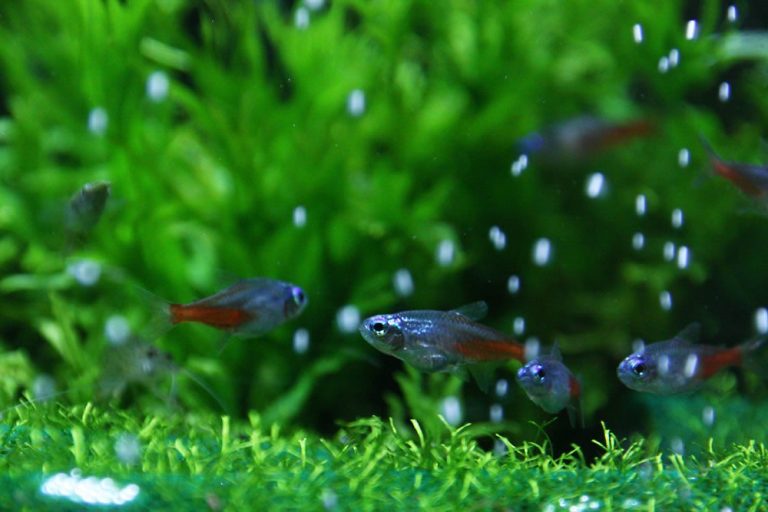
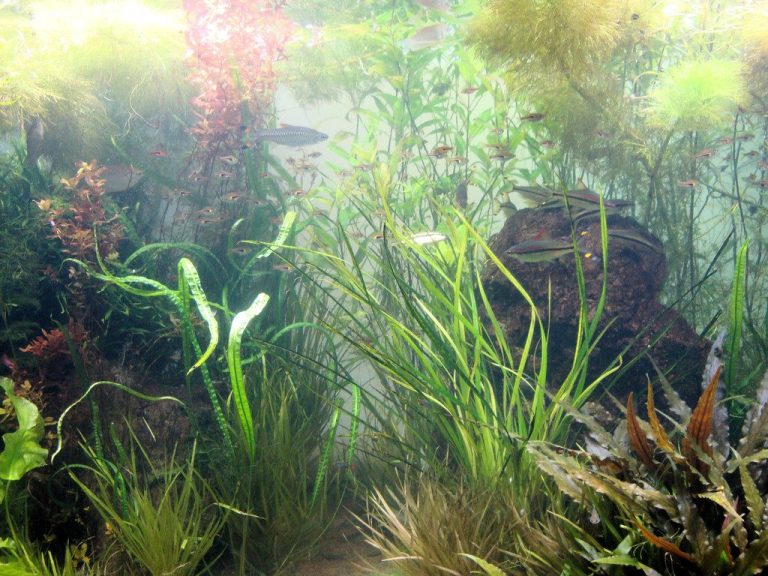
In my experience, watching a school of these fish work through a planted tank is one of the most relaxing sights a hobbyist can enjoy. They possess a rhythmic swimming style that brings a sense of order and life to the middle and upper layers of the water column.
Whether you are looking to start your first community tank or are an experienced breeder searching for a new project, this fish is a fantastic choice. Let’s look closely at the specific requirements and secrets to keeping these South American beauties healthy and healthy.
Pro Tip: When first introducing a school of red tail tetras, keep the lights dim for the first few hours. This helps the fish settle into their new environment without the stress of bright glare, which can lead to initial jumping or hiding.
At a glance: Tetras (general) (Family Characidae and relatives)
- Temperature
- 72–80°F (22–27°C) for most species
- Water pH
- 6.0–7.5 for most species
- Adult size
- 1–3 in (2.5–8 cm)
- Minimum tank
- 10–30 gal depending on species
- Group size
- Groups of 6–10+
- Temperament
- Mostly peaceful schooling fish
- Diet
- Omnivores: quality flakes or micro pellets plus frozen foods
- Lifespan
- 3–8 years
Keeper’s tip: Schooling size matters more than tank size for most tetras: small groups hide, nip and stress.
Understanding the Red Tail Tetra: Origin and Biology
The red tail tetra, scientifically known as Aphyocharax alburnus, belongs to the diverse and remarkable Characidae family. These fish are native to the vast Amazon River basin, where they inhabit slow-moving streams, tributaries, and flooded forest areas.
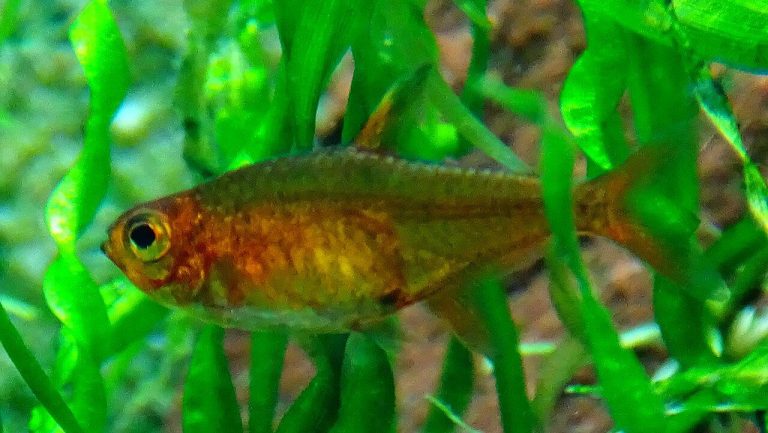
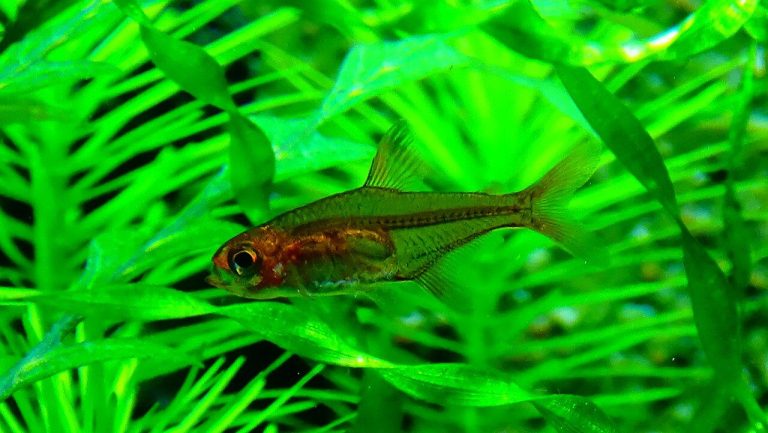
Physically, they are characterized by a sleek, elongated silver body that reflects light beautifully under quality aquarium LEDs. The most striking feature is, of course, the vivid red coloration found on the caudal peduncle and the tail itself, which serves as a beacon for other members of the school.
Like many of its cousins, the Aphyocharax alburnus possesses a small adipose fin located between the dorsal fin and the tail. They also rely heavily on their lateral line system to sense vibrations and movement in the water, which helps them coordinate their tight schooling behavior.
| Attribute | Specification |
|---|---|
| Scientific Name | Aphyocharax alburnus |
| Common Name | Red Tail Tetra |
| Origin | Amazon River Basin (South America) |
| Max Size | Approx. 2.0 to 2.5 inches |
| Lifespan | 5 to 8 years with proper care |
Creating the Perfect Environment for Your Red Tail Tetra
Setting up a tank for the red tail tetra requires a balance between open swimming space and dense vegetation. In the wild, they are often found near the surface where insects fall into the water, but they appreciate the security of plants when they feel threatened.
I recommend a minimum tank size of 20 gallons for a small school. While they are small, they are incredibly active swimmers and need the horizontal length to display their natural behaviors.
Substrate choice is flexible, but a dark sandy or fine gravel substrate will make their silver scales and red tails appear much more vivid. Adding dried leaf litter can also introduce beneficial tannic acid into the water, mimicking their natural blackwater habitats.
Essential Aquatic Plants
Plants are not just decoration for these fish; they are a necessity for their well-being. I have found that they particularly enjoy fine-leaved plants like Ceratophyllum demersum (Hornwort) or various species of Rotala.
Floating plants are also a great addition to the setup. They provide shade and help the fish feel secure, as bright, overhead lighting can sometimes make them skittish.
If you are planning a building a balanced community aquarium, consider using a mix of stem plants in the background and low-lying crypts in the foreground. This creates various depth levels for the fish to explore.
Ideal Water Parameters and Quality
Maintaining stable water conditions is the cornerstone of success with any tetra species. The red tail tetra is relatively hardy compared to some of its more delicate relatives, but it still demands clean, well-oxygenated water.
They prefer slightly acidic to neutral water, though they can adapt to a wider range if the transition is slow. It is vital to monitor your carbonate hardness (KH) to make sure the pH doesn’t swing wildly, which can stress the fish.
Regular water changes are mandatory to keep nitrates low. I usually aim for a 25% water change every week to help the water remains crisp and clear.
| Parameter | Ideal Range |
|---|---|
| Temperature | 72°F to 82°F (22°C to 28°C) |
| pH Level | 6.0 to 7.5 |
| Water Hardness | 5 to 15 dGH |
| Ammonia / Nitrite | 0 ppm (Strict) |
| Nitrate | < 20 ppm |
Feeding and Nutrition for Rich Colors
To keep the “red” in your red tail tetra looking its best, a high-quality diet is essential. In nature, they are micro-predators, feeding on small insects, larvae, and crustaceans.
In the home aquarium, they will readily accept high-quality flake food or micro-pellets. However, I have noticed that their colors intensify when they are offered a variety of frozen or live foods.
Brine shrimp, daphnia, and bloodworms are excellent choices for supplemental feedings. These protein-rich foods provide the necessary carotenoids that boost the pigmentation in their fins.
Pro Tip: Feed your tetras small amounts twice a day rather than one large meal. This mimics their natural grazing behavior and prevents excess food from rotting in the substrate, which helps maintain water quality.
Choosing the Best Tank Mates
The red tail tetra is a peaceful schooling fish, which makes it an ideal candidate for a community setup. They should always be kept in groups of at least 6 to 8 individuals to make sure they feel safe and display their natural schooling patterns.
When choosing compatible neighbors, look for other peaceful species that share similar water requirements. Avoid large or aggressive fish that might view the tetras as a snack.
Great tank mates include other small tetras, rasboras, corydoras catfish, and peaceful dwarf cichlids like Apistogramma. They are also generally safe with adult ornamental shrimp, though they may occasionally snack on tiny shrimplets.
The Importance of Schooling
Keeping these fish in a group is not just a suggestion; it is a requirement for their mental health. When kept alone or in too small a group, they can become stressed, which weakens their immune system.
In a larger school, the dominance is spread out, and the fish feel much more confident. You will notice that they are more active and spend more time in the open areas of the tank when they have plenty of companions.
Common Health Issues and Prevention
Like all freshwater fish, the red tail tetra can be susceptible to various diseases if the environment is not properly maintained. The most common issue I have encountered in the hobby is Ichthyophthirius multifiliis, commonly known as Ich or white spot disease.
Ich usually presents as small white grains on the body and fins. It is often triggered by sudden temperature fluctuations or the stress of being moved to a new tank.
Another concern is fin rot, which is typically a bacterial infection caused by poor water quality. Keeping the water clean through regular maintenance is the best way to prevent these issues from ever taking hold.
The Value of Quarantine
I cannot stress enough how important it is to quarantine new arrivals before adding them to your main display tank. This prevents the introduction of parasites or bacteria to your established community.
A simple 10-gallon quarantine tank with a sponge filter is all you need. Observe your new fish for 2 to 4 weeks to make sure they are eating well and showing no signs of distress or disease.
Breeding the Red Tail Tetra at Home
Breeding the red tail tetra is a rewarding challenge for the intermediate hobbyist. They are egg-scatterers, meaning they do not provide parental care and will actually eat their own eggs if given the chance.
To succeed, you will need a separate breeding tank with soft, slightly acidic water and plenty of fine-leaved plants or a spawning mop. The temperature should be slightly higher than the main tank, around 80°F.
Condition the breeders with high-quality live foods for a week before introducing them to the breeding setup. Once the eggs are scattered among the plants, remove the adults immediately to protect the future fry.
Things people often ask
How big do red tail tetras get?
They typically reach a maximum size of about 2 to 2.5 inches. This small size makes them perfect for mid-sized aquariums but too large for most nano tanks under 10 gallons.
Are red tail tetras good for beginners?
Yes, they are quite hardy and adaptable. As long as you maintain a regular cleaning schedule and keep them in a school, they are very easy to care for.
Do red tail tetras jump?
Yes, like many active tetras, they can be prone to jumping if they are startled or stressed. It is always best to have a tight-fitting lid or a mesh cover on your aquarium.
Will they eat my aquarium plants?
Generally, no. They may occasionally pick at soft algae on leaves, but they are not known for destroying aquatic vegetation. They much prefer the cover that plants provide.
Conclusion: Why You Should Keep Red Tail Tetras
The red tail tetra is a classic aquarium fish that brings energy, color, and a touch of the Amazon into your home. Their shimmering silver bodies and bright red accents make them a standout addition to any well-maintained community tank.
If you provide them with a spacious environment, a varied diet, and the company of their own kind, you help they live a long and healthy life. In my decade of fish keeping, I have found that the simplest pleasures often come from the most reliable and active species like these.
If you are looking for a fish that is both beautiful and resilient, look no further than the Aphyocharax alburnus. They are a sign of the incredible diversity of the South American rivers and a joy for any aquarist to observe daily.

- 2003First tank
- 20+Years keeping
- 40+Tanks kept
- 0Sponsored picks
Howard set up his first 10-gallon planted tank in 2003 and lost half of it within six weeks. Two decades and more than forty aquariums later, he writes the guides he wished he had then: clear numbers, the reasons behind them, and what actually goes wrong in home tanks.