Tetra Fish Compatibility Chart – Compatibility Guide
A tetra fish compatibility chart identifies peaceful tank mates like Corydoras, Rasboras, and other small tetras that share similar water requirements. Success depends on matching temperament, size, and swimming levels to ensure a stress-free environment for all inhabitants.
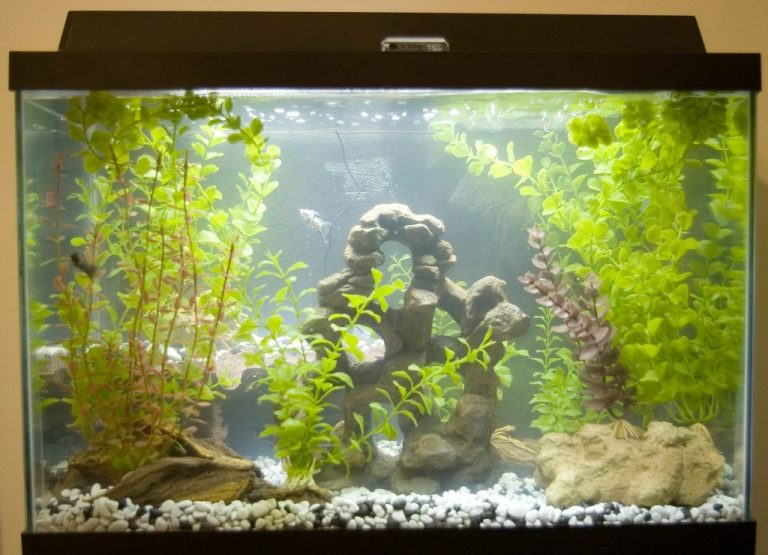
Building a community aquarium is often the most satisfying part of this hobby.
In my ten years of maintaining diverse setups, I have learned that a tetra fish compatibility chart is more than just a list.
It is a roadmap to preventing stress, disease, and the heartbreak of losing a prized specimen to a more aggressive neighbor.
Tetras are generally known for their shoaling behavior, which creates a striking display of color and movement.
However, not all tetras are created equal when it comes to their social lives.
Understanding who can live with whom requires a deep look at water chemistry, temperament, and even the vertical space they occupy in the water column.
At a glance: Tetras (general) (Family Characidae and relatives)
- Temperature
- 72–80°F (22–27°C) for most species
- Water pH
- 6.0–7.5 for most species
- Adult size
- 1–3 in (2.5–8 cm)
- Minimum tank
- 10–30 gal depending on species
- Group size
- Groups of 6–10+
- Temperament
- Mostly peaceful schooling fish
- Diet
- Omnivores: quality flakes or micro pellets plus frozen foods
- Lifespan
- 3–8 years
Keeper’s tip: Schooling size matters more than tank size for most tetras: small groups hide, nip and stress.
The Core Principles of Tetra Compatibility
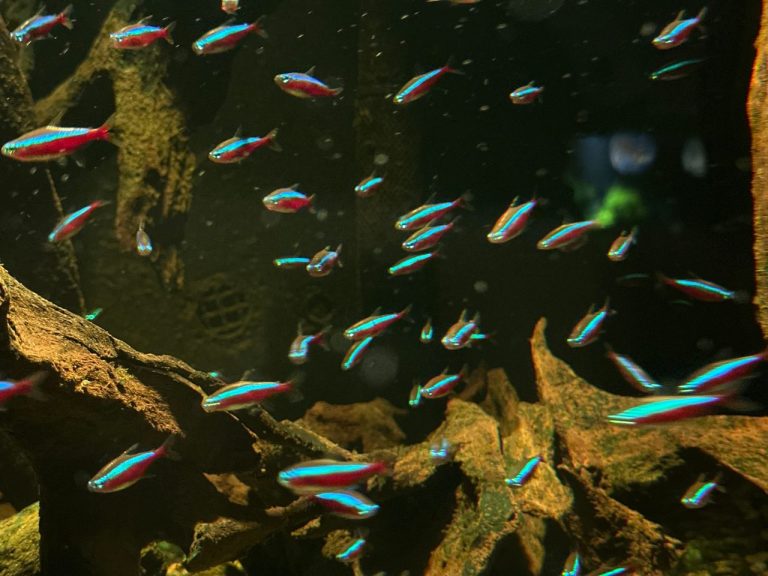
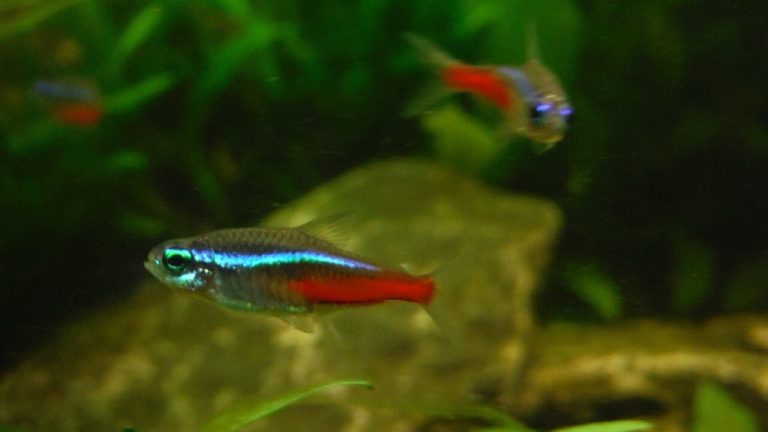
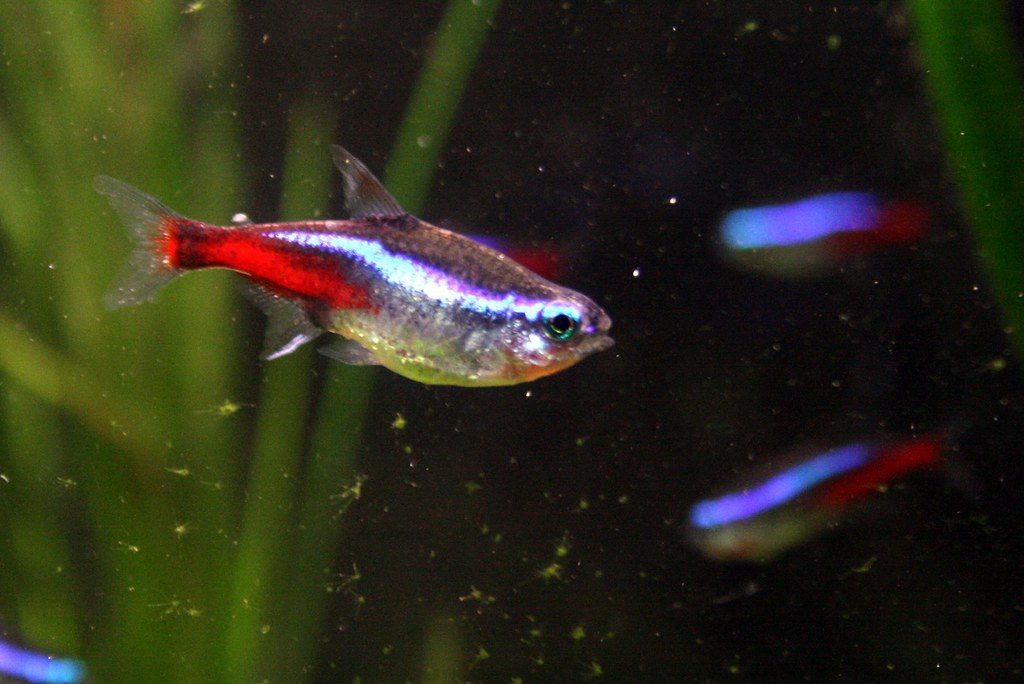
When I first started keeping Paracheirodon innesi (the classic Neon Tetra), I assumed they would get along with anything small.
I quickly realized that compatibility is about more than just physical size.
It involves matching the pH buffering capacity of your water and ensuring the dGH (General Hardness) is suitable for every inhabitant.
True compatibility also looks at “biotope stratification.”
This fancy term simply refers to which level of the tank the fish prefers—the top, middle, or bottom.
If you choose fish from different levels, you reduce competition for space and resources, leading to a much more peaceful environment.
Pro Tip: Always introduce the most peaceful species first. When I set up a new community, I let the shyest tetras establish their territory for a week before adding more active or semi-aggressive tank mates.
The Master Tetra Fish Compatibility Chart
To help you make the best decisions, I have compiled this comprehensive tetra fish compatibility chart.
This table focuses on common species and their most successful pairings based on temperament and environmental needs.
| Tetra Species | Temperament | Best Tank Mates | Tank Level |
|---|---|---|---|
| Neon Tetra (P. innesi) | Peaceful | Rasboras, Corydoras, Shrimp | Middle |
| Serpae Tetra (H. eques) | Semi-Aggressive | Barbs, Larger Tetras, Loaches | Middle/Bottom |
| Ember Tetra | Peaceful | Nano fish, Neocaridina shrimp | Middle |
| Buenos Aires Tetra | Active/Nippy | Gouramis, Rainbowfish, Mollies | All levels |
| Rummy Nose Tetra | Peaceful | Discus, Angelfish (if large), Corys | Middle |
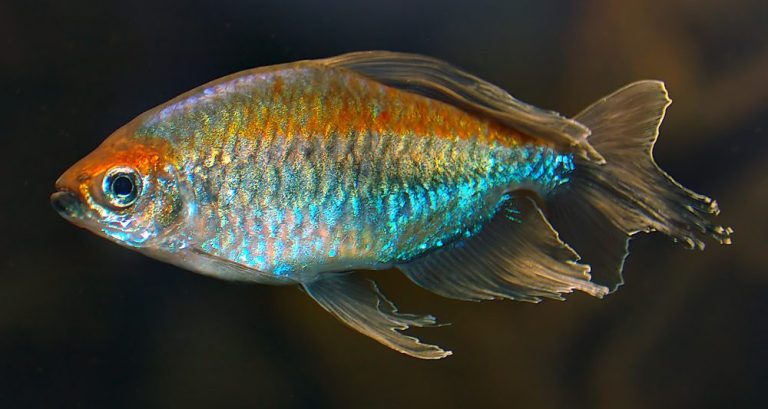
| Congo Tetra | Peaceful/Large | Medium Cichlids, Rainbowfish | Middle/Top |
Managing Interspecific Aggression and Fin Nipping
One of the most common issues I see beginners face is interspecific aggression.
This usually happens when a species like Hyphessobrycon eques (Serpae Tetra) is kept in too small a group.
In my experience, keeping these fish in groups of at least 8 to 10 significantly reduces their urge to nip at the fins of slower neighbors.
When they are in a large school, they focus their energy on each other within the group hierarchy.
If you notice nipped fins on your long-finned species, it is often a sign that your tetra school is too small.
For those keeping more rambunctious species, reading a Buenos Aires tetra guide can provide insights into managing their high energy levels.
Using Dither Fish to Reduce Stress
Tetras themselves are often used as dither fish for more timid species like Apistogramma or Cichlids.
Their constant, confident movement signals to shy fish that no predators are nearby.
However, you must keep the “dithers” aren’t so active that they outcompete the shy fish for food.
Water Chemistry: The Silent Compatibility Factor
You might find two fish that have the same temperament, but if their water needs differ, they aren’t compatible.
Many South American tetras stay healthy in soft, acidic water enriched with tannic acid from driftwood or leaf litter.
In contrast, some “hardy” tetras can adapt to a wider range of dGH and pH levels.
I have found that maintaining a stable pH buffering capacity is more important than chasing a “perfect” number.
Fluctuations in water parameters cause more stress than a slightly off-target pH ever will.
Always research the specific river basin your fish originate from to match their environmental needs perfectly.
Pro Tip: Use Indian Almond leaves to naturally lower pH and introduce beneficial tannins. This mimics the natural biotope of most tetras and helps prevent fungal infections.
Biotope Stratification: Filling the Tank Levels
A well-balanced aquarium uses every inch of the water column.
When looking at your tetra fish compatibility chart, consider adding bottom dwellers like Corydoras paleatus (Peppered Corydoras).
These catfish are the perfect companions because they do not compete with tetras for swimming space.
While your tetras occupy the middle, these Corys will scavenge the substrate for leftover food.
This symbiotic relationship keeps the tank cleaner and reduces interspecific aggression by spreading out the population.
If you are looking for specific tank mates for neons, you will find they pair beautifully with almost any peaceful bottom-dweller.
The Role of Vegetation in Compatibility
Plants play a massive role in how fish interact.
Dense clusters of stem plants or large Amazon Swords provide visual breaks.
If a fish feels chased, it needs a place to disappear and break the line of sight of the aggressor.
Without these hiding spots, even “peaceful” tetras can become stressed and defensive.
Tetras and Invertebrates: Are They Safe?
Many hobbyists want to keep shrimp alongside their tetras.
While most small tetras are safe with adult shrimp, almost every tetra will eat a baby shrimp if they find one.
Species like the Ember Tetra are generally the safest bet for a dedicated shrimp colony.
When keeping smaller species, many owners wonder if embers can live with shrimp without issues.
In my experience, as long as there is plenty of moss for the shrimp to hide in, the population will settle in.
Avoid larger tetras like Buenos Aires or Congos if you plan on keeping expensive ornamental shrimp.
Common Mistakes to Avoid
The biggest mistake I see is overstocking based on the “one inch per gallon” rule, which is largely outdated.
Tetras need swimming room to display their natural shoaling behavior.
A cramped tank leads to increased cortisol levels in fish, which suppresses their immune systems.
Another mistake is mixing tetras that have vastly different temperature requirements.
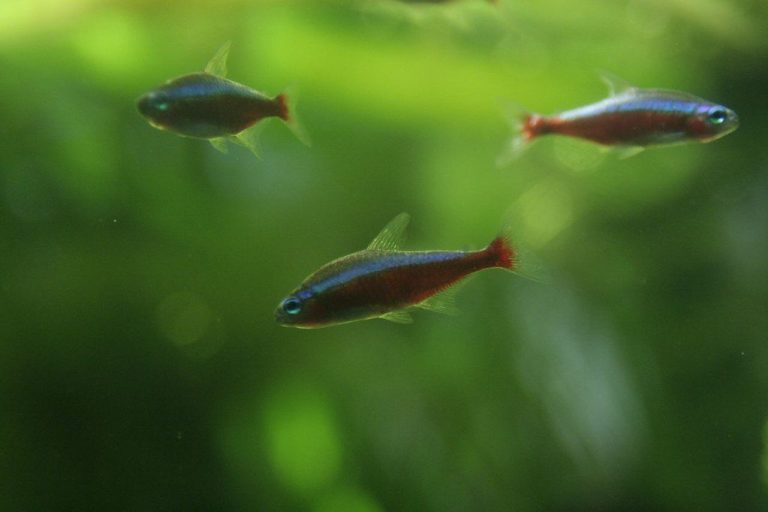
Some tetras prefer cooler water, while others, like the Cardinal Tetra, need it much warmer to stay healthy.
Always cross-reference the temperature ranges on your tetra fish compatibility chart before making a purchase.
Frequently asked questions
Can I mix different species of tetras in one school?
Generally, different species will not school together tightly. They may “shoal” in the same area, but they prefer the company of their own kind. It is always better to have one large group of a single species than many tiny groups of different species.
How many tetras should I keep together?
The absolute minimum is six, but I always recommend ten or more. Larger groups provide a sense of security, which leads to better coloration and more active swimming.
Are tetras aggressive toward other fish?
Most are peaceful, but some, like the Serpae or Blue Tetra, are notorious fin nippers. Providing a larger tank and a larger school usually mitigates this behavior.
What is the best food for a community tetra tank?
A variety is key. High-quality flakes, micro-pellets, and frozen foods like daphnia or brine shrimp will help they get the nutrients needed for rich colors.
Can tetras live with Bettas?
It depends on the tetra. Avoid nippy species like Serpaes. Peaceful, short-finned tetras like Harlequin Rasboras (often grouped with tetras) or Neon Tetras often work well in tanks 20 gallons or larger.
Final Thoughts on Choosing Your Community
Creating a healthy aquarium starts with a solid plan and a reliable tetra fish compatibility chart.
If you respect the natural behaviors and environmental needs of these eye-catching fish, you can create a slice of the Amazon in your own home.
Monitor your tank closely during the first few weeks after adding new residents.
Every fish has a unique personality, and sometimes even “peaceful” individuals can surprise you.
Stay patient, keep up with your water changes, and enjoy the shimmering beauty of a well-balanced tetra community.
With the right research and a bit of experience, you will find that tetras are some of the most satisfying inhabitants any aquarist can keep.

- 2003First tank
- 20+Years keeping
- 40+Tanks kept
- 0Sponsored picks
Howard set up his first 10-gallon planted tank in 2003 and lost half of it within six weeks. Two decades and more than forty aquariums later, he writes the guides he wished he had then: clear numbers, the reasons behind them, and what actually goes wrong in home tanks.