How Long Do Neons Live – Lifespan Facts
Neon Tetras typically live for 2-3 years in a well-maintained aquarium, though exceptional care can sometimes extend their lifespan to 4-5 years. Their longevity is heavily influenced by stable water parameters, a high-quality diet, appropriate tank size, and a stress-free environment.
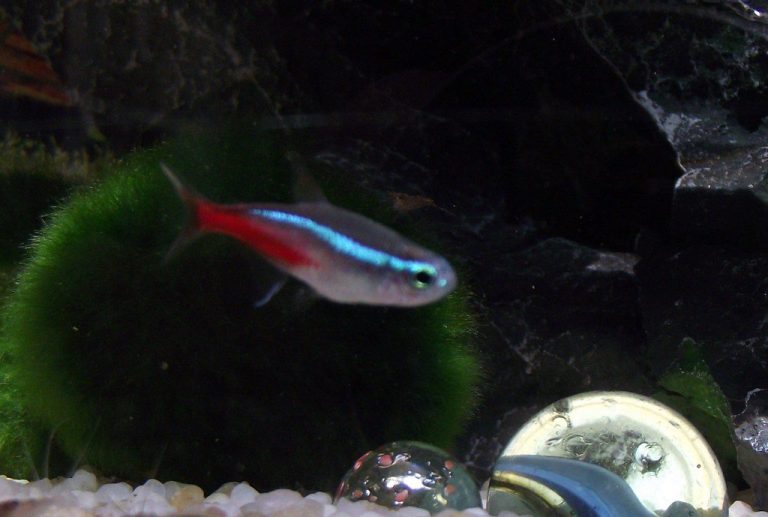
The shimmering blue and red stripe of the Neon Tetra, Paracheirodon innesi, has captivated aquarists for decades. These small, peaceful members of the Characidae family are a staple in many community tanks. While often seen as beginner-friendly, providing the ideal environment to ensure they flourish, and understanding how long do neons live, requires a deeper look at their specific needs.
In my experience, many new hobbyists are surprised when their beautiful school of Neons doesn’t live up to its full potential. The truth is, while they are hardy in some respects, they are also quite sensitive to fluctuating conditions. This guide will equip you with the knowledge to extend the lives of your well-loved Neon Tetras, turning a typical 2-year lifespan into a potential 4 or even 5 years of colorful enjoyment.
At a glance: Neon tetra (Paracheirodon innesi)
- Temperature
- 72–78°F (22–26°C)
- Water pH
- 6.0–7.0
- Adult size
- 1.5 in (4 cm)
- Minimum tank
- 10 gal (20 gal for a proper school)
- Group size
- Groups of 8+
- Temperament
- Peaceful
- Diet
- Omnivore: micro pellets, flakes, frozen daphnia
- Lifespan
- 5–8 years
Keeper’s tip: Add neons only to a fully cycled, stable tank; they are among the first fish to suffer from ammonia swings.
Understanding the Natural Lifespan of Neon Tetras
To understand how long your Neons can live, it’s helpful to consider their natural existence and how it compares to an aquarium setting. Wild environments present different challenges and advantages.
Wild vs. Aquarium Lifespan
In their native Amazonian blackwater habitats, Neon Tetras face predators, seasonal changes, and competition for food. Despite these challenges, natural selection often favors solid individuals. Their wild lifespan is not extensively documented due to the difficulty of tracking such small fish, but it’s believed to be somewhat comparable to or slightly less than what they can achieve in a pristine home aquarium, primarily due to predation.
In a well-managed aquarium, free from predators and with consistent food, Neons have the potential to live longer. The aquarium environment removes many natural threats, placing the responsibility for their well-being squarely on the aquarist.
What Influences Neon Tetra Longevity?
Several critical factors dictate how long your Neon Tetras will grace your tank. These include water quality, diet, tank size, tank mates, and the absence of disease. Each element plays a vital role in their overall health and resilience.
Neglecting any one of these can significantly shorten their lives. Think of it as a domino effect: poor water quality leads to stress, which weakens their immune system, making them susceptible to disease.
The Essential Role of Water Parameters for Neon Tetra Health
Water quality is, without a doubt, the single most vital factor determining how long do Neons live. These fish come from very specific, stable environments in South America, and replicating those conditions is key to their success.
Temperature and Thermal Homeostasis
Neon Tetras do well in warmer, stable temperatures. Rapid fluctuations are incredibly stressful and can lead to illness. Maintaining consistent thermal homeostasis is vital for their metabolic functions and immune system.
I’ve noticed that even a few degrees swing over a short period can cause visible stress. A reliable heater and thermometer are non-negotiable for these fish. The ideal range is generally between 72-78°F (22-26°C).
pH and Hardness
Neons prefer soft, acidic water, mirroring their Amazonian origins. Specifically, a pH between 6.0 and 7.0 is ideal, though they can tolerate slightly higher pH if it’s stable. When it comes to hardness, they do best in very soft water.
Monitoring your General Hardness (GH) and Carbonate Hardness (KH) is key. Aim for GH between 1-5 dGH (18-90 ppm) and KH between 1-2 dKH (18-36 ppm). High Total Dissolved Solids (TDS) can stress their osmoregulation, the process by which fish maintain the balance of water and salts in their bodies.
| Parameter | Ideal Range for Neon Tetras |
|---|---|
| Temperature | 72-78°F (22-26°C) |
| pH | 6.0-7.0 (slightly acidic) |
| General Hardness (GH) | 1-5 dGH (18-90 ppm) |
| Carbonate Hardness (KH) | 1-2 dKH (18-36 ppm) |
| Ammonia (NH3/NH4+) | 0 ppm |
| Nitrite (NO2-) | 0 ppm |
| Nitrate (NO3-) | <20 ppm (ideally <10 ppm) |
Ammonia, Nitrite, and Nitrate Toxicity
The nitrogen cycle is the foundation of any healthy aquarium. Ammonia and nitrite are highly toxic to fish and must always be at zero parts per million (ppm). Even low levels will severely stress and eventually kill your Neons.
Nitrate, while less toxic than ammonia or nitrite, still poses a threat at high concentrations. Chronic nitrate toxicity can weaken your fish, making them susceptible to disease and shortening their lifespan. Regular partial water changes are essential to keep nitrates below 20 ppm, ideally even lower for sensitive fish like Neons.
Pro Tip: The Importance of Stability
When I first started keeping Neons, I focused so much on getting the “perfect” parameters that I sometimes caused more harm through constant adjustments. The most essential aspect of water parameters for Neon Tetras isn’t just hitting the exact numbers, but maintaining stability. Small, consistent water changes with dechlorinated, temperature-matched water are far better than drastic attempts to shift pH or hardness rapidly. Stability reduces stress and supports healthy osmoregulation.
Diet and Nutrition: Fueling a Long Life
A balanced and varied diet is fundamental to the long-term health and rich coloration of your Neon Tetras. It directly impacts their immune system and energy levels.
High-Quality Flakes and Pellets
Start with a high-quality flake or micro-pellet food specifically formulated for small tropical fish. Look for ingredients that list fish meal, shrimp, and spirulina high on the list. Avoid generic foods with excessive fillers.
Feed small amounts two to three times a day, only what they can consume within 2-3 minutes. Overfeeding can lead to water quality issues and digestive problems.
Live and Frozen Foods
Supplementing their diet with live or frozen foods provides essential proteins, vitamins, and minerals that flakes alone might miss. Brine shrimp, daphnia, and bloodworms (small, chopped pieces) are excellent choices.
These foods also offer mental stimulation and encourage natural foraging behaviors. Offering a varied diet is one of the easiest ways to help your Neons receive comprehensive nutrition.
Tank Environment and Setup for Healthy Neons
Beyond water chemistry, the physical environment of their aquarium significantly contributes to their comfort, stress levels, and ultimately, how long do Neons live.
Tank Size and Schooling
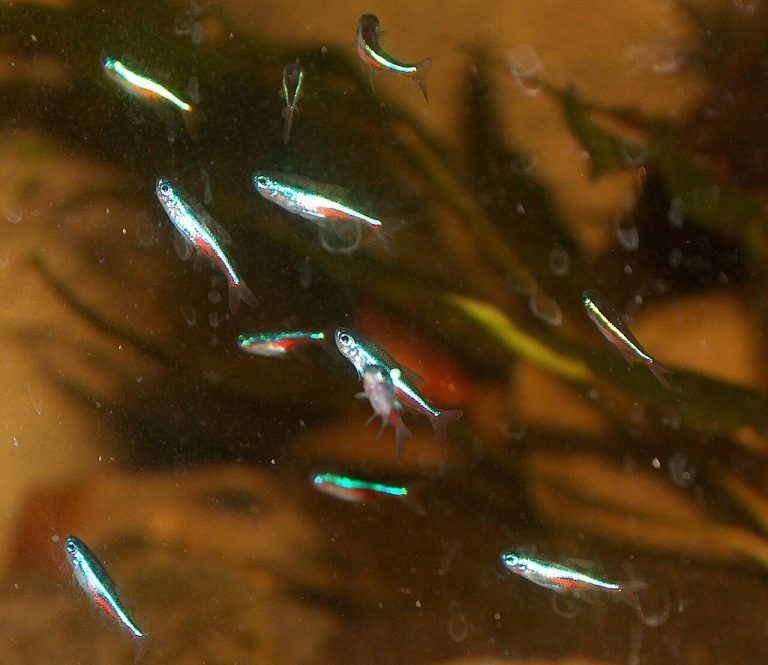
Neon Tetras are schooling fish and absolutely must be kept in groups of at least six, but preferably 10 or more. A larger school provides security, reduces stress, and allows for their natural behaviors to shine. For a school of 6-8 Neons, a 10-gallon tank is the absolute minimum, but a 20-gallon long or larger is much better. Choosing the right tetra tank size is key for their well-being and allows them ample swimming space.
When I’ve seen Neons kept in smaller numbers, they are often shy, stressed, and prone to illness. They simply do not settle in without the safety of their school.
Filtration and Water Flow
A solid filtration system is essential for maintaining pristine water quality. Sponge filters, hang-on-back (HOB) filters, or even small canister filters are suitable, depending on tank size. The key is efficient mechanical, biological, and chemical filtration.
However, Neon Tetras prefer relatively calm water. Ensure your filter’s outflow doesn’t create excessive current, as this can tire them out. Diffusers or spray bars can help reduce strong flow. For more on filtration, you can explore guides on tetra filters for fish tanks.
Substrate, Decor, and Humic Substances
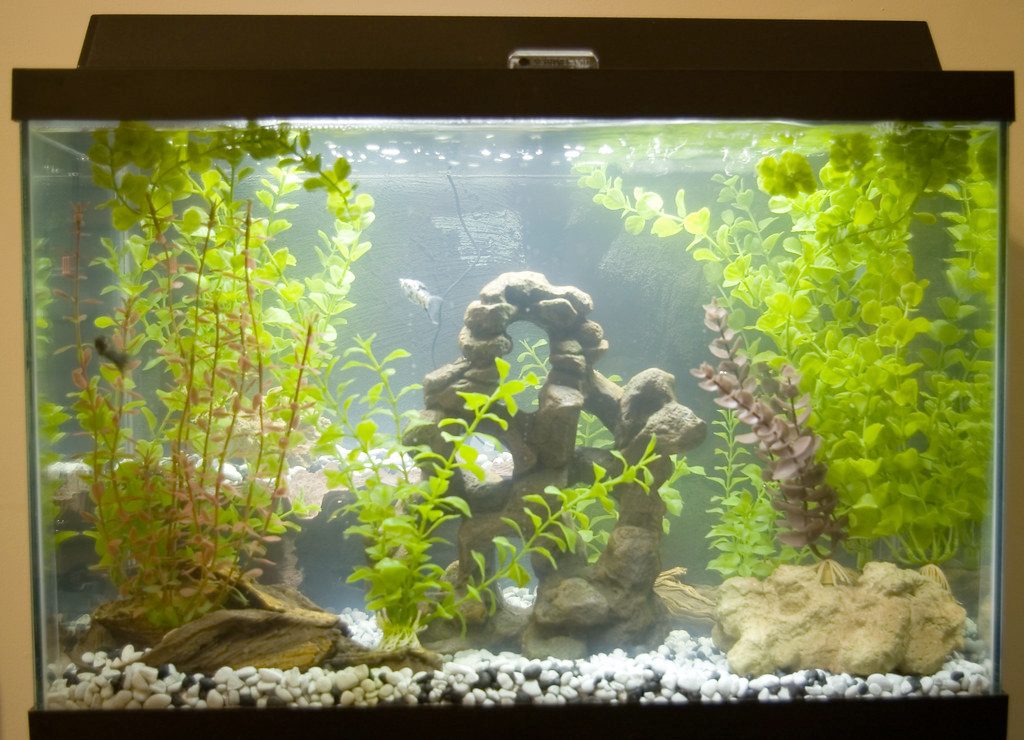
A dark substrate and plenty of live plants provide hiding spots and make the Neons feel secure, improving their colors. Driftwood and Indian almond leaves can slowly release humic substances into the water, mimicking their natural blackwater environment. These compounds can have mild antiseptic properties and contribute to overall fish health.
Dense planting looks beautiful and also helps to absorb nitrates and provides essential oxygen. Consider plants like Java Moss, Anubias, and Amazon Swords.
Compatible Tank Mates
Choosing peaceful, similarly sized tank mates is vital. Aggressive or much larger fish will stress Neons, leading to nipped fins, hiding, and a shortened lifespan. Good choices include other small, peaceful tetras (like Ember Tetras), Corydoras catfish, Otocinclus, and some peaceful dwarf cichlids. For more on creating a peaceful environment, check out our article on building a bright tetra community tank.
Pro Tip: Quarantining New Fish
One common mistake I’ve seen over the years is introducing new fish directly into the main display tank without quarantine. This is a huge risk, especially for delicate fish like Neons. Always quarantine new fish for 2-4 weeks in a separate tank. This allows you to observe them for signs of disease and treat them if necessary, preventing potential outbreaks that could devastate your established Neon Tetra school.
Common Health Challenges and Prevention
Despite best efforts, fish can still fall ill. Being aware of common diseases and knowing how to prevent them is key for ensuring a long and healthy life for your Neons.
Neon Tetra Disease (Pleistophora hyphessobryconis)
Neon Tetra Disease (NTD) is a notoriously feared and often fatal parasitic infection. Symptoms include faded colors, erratic swimming, difficulty swimming straight, and sometimes cysts or lumps on the body. It’s highly contagious and can wipe out an entire school.
Prevention is the best cure, as there is no reliable treatment once the disease takes hold. Source your fish from reputable dealers, quarantine new arrivals, and maintain impeccable water quality to boost their natural immunity.
Stress and Osmoregulation
Stress is a silent killer for fish. Poor water quality, inappropriate tank mates, lack of hiding spots, and unstable temperatures all contribute to chronic stress. This stress weakens their immune system, making them highly susceptible to various infections, including bacterial and fungal issues.
A stressed fish also struggles with osmoregulation, leading to fluid imbalance within its body. Observing your fish for signs of stress (clamped fins, lethargy, loss of color, hiding) allows for early intervention.
Early Detection and Treatment
Regularly observe your Neon Tetras for any changes in behavior, appetite, or appearance. Early detection of illness can significantly improve the chances of successful treatment. Having a well-stocked fish first-aid kit with basic medications for common ailments (like ich or fin rot) is always a good idea.
When treating, always follow dosage instructions carefully and remove activated carbon from your filter, as it will absorb medications.
how long do Neons live: Maximizing Their Years with Proactive Care
Ultimately, the longevity of your Neon Tetras comes down to consistent, proactive care. It’s a continuous commitment, not a one-time setup.
Consistent Maintenance Schedule
Regular tank maintenance is essential. This includes weekly 25-30% partial water changes, gravel vacuuming, and filter cleaning (rinsing filter media in old tank water to preserve beneficial bacteria). Consistency prevents the buildup of harmful compounds like nitrates and keeps parameters stable.
Avoid over-cleaning your filter or performing too many drastic changes at once, as this can crash your nitrogen cycle.
Observing Your Fish
Spend a few minutes each day simply watching your Neons. Learn their normal behaviors, feeding patterns, and swimming styles. This familiarity will make you quickly notice when something is off, allowing for prompt action.
Healthy Neons are active, schooling tightly, and display rich colors. Any deviation from this is a sign to investigate.
Breeding and Genetic Health
While breeding Neon Tetras can be challenging, a strong breeding program can contribute to overall genetic health. Fish bred in captivity under controlled conditions may develop a stronger genetic lineage resistant to common ailments. However, for most hobbyists, focusing on ideal care for commercially sourced fish is the primary concern.
Quick answers About Neon Tetra Lifespan
Can Neon Tetras live for 5 years?
Yes, while 2-3 years is typical, Neon Tetras can absolutely live for 4-5 years or even slightly longer under exceptional conditions. This extended lifespan is achieved through careful care, stable pristine water, a high-quality diet, a stress-free environment, and a bit of luck with genetics.
What kills Neon Tetras quickly?
Rapid death in Neon Tetras is most commonly caused by sudden drastic changes in water parameters (temperature, pH), ammonia or nitrite spikes, high nitrate toxicity, oxygen deprivation, or severe stress from aggressive tank mates or overcrowding. Introducing new, diseased fish without quarantine can also lead to quick fatalities.
How often should I feed my Neon Tetras?
Neon Tetras should be fed 2-3 times a day. Offer small amounts that they can completely consume within 2-3 minutes. This prevents overfeeding, which can lead to uneaten food decaying and polluting the water, as well as digestive issues for the fish.
Do Neon Tetras need a heater?
Yes, Neon Tetras absolutely need a heater. They are tropical fish that do well in stable water temperatures between 72-78°F (22-26°C). Without a heater, or with an unreliable one, temperature fluctuations can cause significant stress, weaken their immune system, and drastically shorten their lifespan, impacting their thermal homeostasis.
Where that leaves you
The journey to understand how long do Neons live is intrinsically linked to understanding their core needs. These tiny, jewel-like fish, Paracheirodon innesi, can bring years of joy to your aquarium if provided with the right environment.
If you focus on stable, soft, acidic water, a varied and nutritious diet, a spacious and well-decorated tank with appropriate tank mates, and diligent maintenance, you can significantly increase their chances of reaching their maximum lifespan. Consistency and observation are your greatest tools in successful fishkeeping. Here’s to many colorful years with your beautiful Neon Tetras.

- 2003First tank
- 20+Years keeping
- 40+Tanks kept
- 0Sponsored picks
Howard set up his first 10-gallon planted tank in 2003 and lost half of it within six weeks. Two decades and more than forty aquariums later, he writes the guides he wished he had then: clear numbers, the reasons behind them, and what actually goes wrong in home tanks.