Black Neon Tetra Lifespan – How To Maximize Longevity In Your Tank
The typical black neon tetra lifespan ranges from 3 to 5 years in a home aquarium. However, with pristine water conditions and a high-quality diet, these hardy fish can occasionally reach up to 7 years.
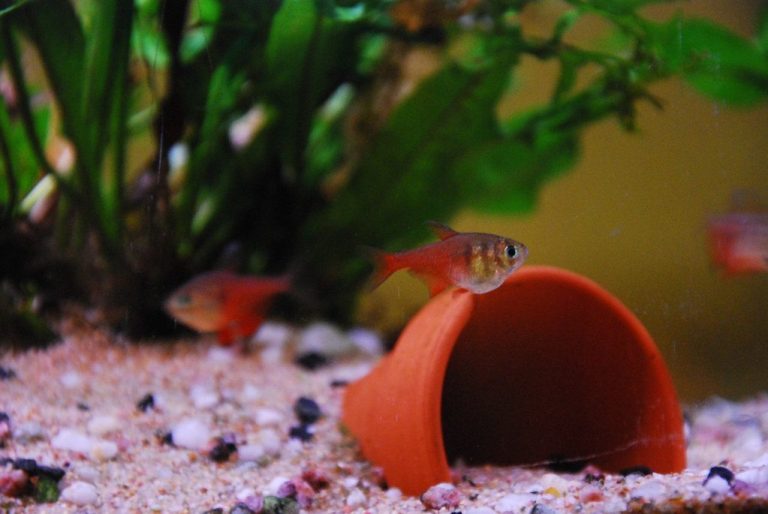
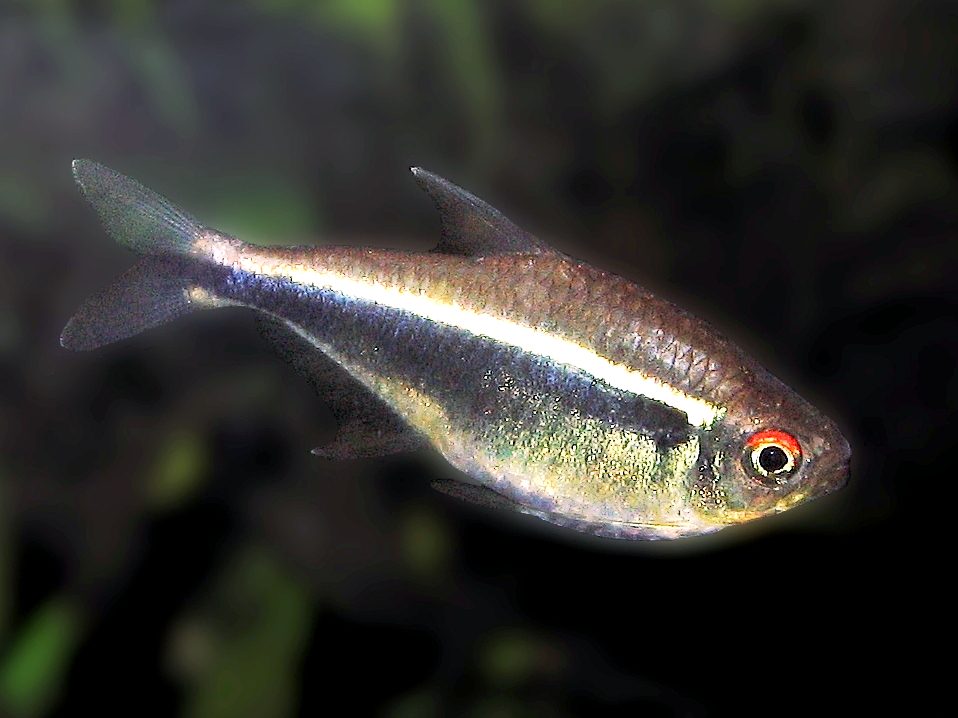
When you first introduce a school of Hyphessobrycon herbertaxelrodi to your tank, you are looking at more than just a splash of silver and black. These fish are staples in the hobby for a reason, offering both resilience and a striking aesthetic that complements almost any aquascape.
In my experience, the black neon tetra lifespan is directly tied to the stability of their environment rather than just the specific parameters themselves. While they are often labeled as “beginner fish,” giving them expert-level care can nearly double their years in your care.
Throughout my ten years of keeping various characins, I have noticed that the most long-lived specimens come from tanks where the owner prioritizes biological maturity. A well-established tank provides a buffer against the stressors that typically shorten their lives.
At a glance: Black neon tetra (Hyphessobrycon herbertaxelrodi)
- Temperature
- 73–81°F (23–27°C)
- Water pH
- 5.5–7.5
- Adult size
- 1.5 in (4 cm)
- Minimum tank
- 15 gal
- Group size
- Groups of 6+
- Temperament
- Peaceful
- Diet
- Omnivore: flakes, micro pellets, live or frozen foods
- Lifespan
- 5 years
Keeper’s tip: Hardier than the true neon and a good choice for beginners with slightly harder tap water.
Understanding the Factors Affecting Black Neon Tetra Lifespan
To understand how to keep these fish healthy for the long haul, we must look at their biological needs. In the wild, they inhabit the Rio Paraguay basin, where they are accustomed to soft, slightly acidic water filled with organic matter.
The black neon tetra lifespan is influenced by genetics, but as keepers, we control the environmental variables. Stress is the primary “silent killer” that reduces their immune response and leaves them vulnerable to pathogens.
When we talk about longevity, we are really talking about metabolic health. Keeping these fish at the higher end of their temperature range may increase their activity, but it also speeds up their metabolism, which can slightly shorten their overall life expectancy.
| Factor | Average Impact | Ideal Range/Target |
|---|---|---|
| Water Temperature | Metabolic Rate | 73°F – 82°F (23°C – 28°C) |
| pH Level | Stress & Respiration | 5.5 – 7.5 (6.5 is ideal) |
| Group Size | Psychological Health | 6+ individuals (10+ preferred) |
| Diet Quality | Immune Function | Varied (Live, Frozen, Flake) |
I have found that maintaining a consistent 75°F (24°C) provides a perfect balance. This temperature keeps them active enough to display their natural behaviors without burning through their energy reserves too quickly.
Optimizing Water Chemistry for Maximum Longevity
Water quality is the foundation of a long black neon tetra lifespan. While they can survive in many conditions, they settle in when the water mimics their natural blackwater habitats.
One often overlooked aspect is the concentration of Total Dissolved Solids (TDS) in the aquarium. High TDS levels can cause osmotic stress, which forces the fish’s organs to work harder just to maintain internal fluid balance.
I always recommend monitoring your carbonate hardness (KH) to help your pH remains stable. A sudden crash in pH is far more dangerous to your tetras than a slightly “improper” but stable pH level.
Pro Tip: Use peat filtration or add dried Indian Almond leaves to your tank. The release of humic substances and tannic acid lowers pH naturally and also provides mild antibacterial properties that protect the fish’s slime coat.
In my early years, I made the mistake of over-cleaning my filters, which caused ammonia spikes. Now, I understand that a “dirty-looking” filter is often a powerhouse of beneficial bacteria that keeps the water safe for these sensitive characins.
If you are transitioning them from a local fish store, always use the drip acclimation method. This slowly adjusts them to your local water chemistry, preventing the initial shock that often leads to premature death in the first month.
The Role of Nutrition in Black Neon Tetra Health
A fish is what it eats, and the black neon tetra lifespan can be significantly extended through a diverse diet. Relying solely on a single brand of dry flakes is a common pitfall for many hobbyists.
In the wild, these fish are micropredators, consuming small insects, crustaceans, and plant matter. To replicate this, I suggest a rotation of high-quality pellets, frozen daphnia, and occasional live baby brine shrimp.
Vitamins and minerals found in live foods are essential for maintaining their rich horizontal stripes. When a black neon’s colors begin to fade, it is often the first sign of a nutritional deficiency or environmental stress.
I’ve noticed that feeding smaller amounts twice a day is better than one large feeding. This prevents excess food from rotting and spiking nitrate levels, which can gradually wear down their health over several years.
For those keeping a tetra community tank, make sure that the black neons are actually getting their share of the food. Faster-moving species can sometimes outcompete them, leading to slow starvation or weakened immune systems.
Preventing Disease: The Greatest Threat to Longevity
Disease is the most common reason a black neon tetra lifespan is cut short. Understanding the specific pathogens that target tetras is vital for any serious keeper.
One of the most feared conditions is Neon Tetra Disease, caused by the microsporidian parasite Pleistophora hyphessobryconis. While more common in standard neons, black neons are not immune and can succumb if they ingest infected tissue.
Another frequent visitor in the aquarium is Ich, or Ichthyophthirius multifiliis. This parasite does well when fish are stressed by temperature fluctuations or poor transport conditions.
| Common Ailment | Primary Symptoms | Prevention/Treatment |
|---|---|---|
| Ich (White Spot) | White salt-like spots, flashing | Raise temp, copper or salt treatments |
| Columnaris | White “saddle” patches, fin rot | Antibiotics (Kanamycin), lower temp |
| Neon Tetra Disease | Lumpiness, loss of color, erratic swimming | Quarantine, no known cure |
| Fin Rot | Ragged, decaying fin edges | Water changes, stress reduction |
Bacteria like Flavobacterium columnare can also strike quickly, especially in tanks with high organic loads. Keeping your substrate clean and your water well-oxygenated is the best defense against these bacterial outbreaks.
I always maintain a strict quarantine protocol for any new additions. Keeping new fish in a separate tank for 4 weeks helps make sure you don’t introduce a pathogen that could wipe out your entire established school of black neons.
The environment you provide plays a massive role in the black neon tetra lifespan. These are schooling fish, and keeping them in groups of fewer than six is a recipe for chronic stress.
When they are in a large group, they feel secure. This security lowers cortisol levels, which in turn keeps their immune systems strong and healthy for many years.
A well-planted tank with plenty of hiding spots is essential. I prefer using floating plants like Amazon Frogbit to provide dappled shade, as black neons can be skittish under intense, direct lighting.
Common Mistake: Many beginners keep black neons with aggressive tank mates like large Cichlids. Even if the larger fish doesn’t eat them, the constant threat of predation causes high stress, which significantly shortens their lifespan.
Choosing appropriate tank mates is a key part of long-term success. You can consult a tetra fish compatibility chart to find species that share their peaceful temperament and water requirements.
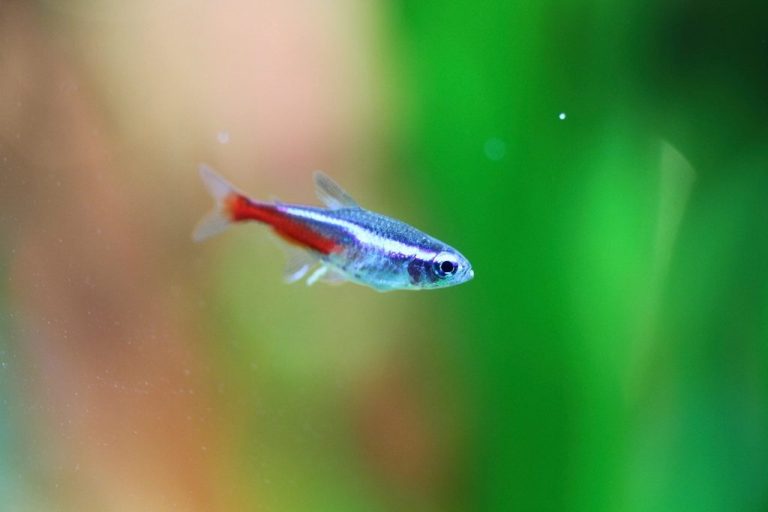
If you are looking for similar schooling behavior in a different color palette, you might also enjoy learning about neon tetra aquarium fish, which share many of the same care requirements but offer a brighter neon blue and red glow.
Advanced Strategies for Longevity: The Blackwater Method
If you want to push the black neon tetra lifespan toward that 7-year mark, consider the “blackwater” approach. This involves intentionally staining the water with tannins to create a more naturalistic environment.
Tannins have been shown to reduce the fungal load in the water column. For a species as prone to skin and fin issues as tetras, this “natural medicine” is invaluable for long-term health.
I have observed that black neons kept in tannin-rich water exhibit much deeper blacks and more brilliant iridescent stripes. This is a clear indicator of low stress and high vitality.
You can achieve this look by adding driftwood, such as Mopani or Bogwood, which will slowly leach tannins over several months. It gives the tank a beautiful, tea-colored hue that looks eye-catching with live green plants.
Furthermore, maintaining a low-flow area in the tank is helpful. While they can handle some current, having a “calm zone” allows them to rest without constantly fighting a heavy filter output, preserving their energy for growth and repair.
The Impact of Tank Size on Life Expectancy
While some sources suggest a 10-gallon tank is sufficient, I strongly advocate for at least a 20-gallon long aquarium. The extra horizontal swimming space is essential for their physical fitness.
A larger volume of water is also more chemically stable. Small tanks are prone to rapid temperature swings or nutrient spikes, which are the enemies of a long black neon tetra lifespan.
In a 20-gallon tank, you can keep a strong school of 12 to 15 black neons. This larger group dynamic allows them to establish a natural social hierarchy, which keeps them mentally stimulated and physically active.
I’ve noticed that in larger setups, the fish tend to live roughly 20-30% longer than those kept in cramped 5 or 10-gallon environments. Space is not just a luxury; it is a biological requirement for their long-term well-being.
Lastly, help your lid is tight-fitting. Black neons are surprisingly good jumpers when spooked, and many a lifespan has been cut short by a fish finding its way onto the floor overnight.
Still wondering?
How can I tell if my black neon tetra is reaching the end of its life?
Older black neons often show signs of “wasting,” where they appear thinner despite eating well. You may also notice a slight arch in their spine or a permanent dulling of their reflective silver stripe.
Do black neon tetras live longer than regular neon tetras?
Generally, yes. Black neons (Hyphessobrycon herbertaxelrodi) are considered significantly hardier than the standard Neon Tetra (Paracheirodon innesi) and are less prone to the genetic weaknesses caused by mass commercial overbreeding.
Can water hardness affect how long they live?
Yes, keeping them in very hard water with high carbonate hardness can lead to calcium deposits in their organs over several years. They prefer soft to moderately hard water for the best long-term health outcomes.
What is the most common cause of sudden death in black neons?
Sudden death is usually linked to acute ammonia or nitrite poisoning, or a massive temperature shock during a water change. Always ensure your replacement water is dechlorinated and matched to the tank’s temperature.
Does the presence of live plants increase their lifespan?
In my experience, absolutely. Live plants help process nitrates and provide a natural foraging ground, which reduces stress and provides a more complex, healthy environment for the fish.
Maximizing Your Black Neon’s Years
Achieving a long black neon tetra lifespan is a satisfying challenge that combines science and observation. If you focus on water stability, a varied diet, and a stress-free social environment, you can enjoy these elegant fish for many years.
Every small detail, from the humic substances in your water to the size of your school, contributes to their overall longevity. These fish are not disposable; they are long-lived companions that deserve our best efforts.
I encourage you to keep a log of your water parameters and observations. Seeing your school of black neons do well and grow over four or five years is one of the most satisfying experiences a fish keeper can have.
If you provide them with a slice of the Rio Paraguay in your living room, they will reward you with years of shimmering beauty and remarkable behavior. Stay curious, keep your water clean, and enjoy the journey of successful aquarium keeping.

- 2003First tank
- 20+Years keeping
- 40+Tanks kept
- 0Sponsored picks
Howard set up his first 10-gallon planted tank in 2003 and lost half of it within six weeks. Two decades and more than forty aquariums later, he writes the guides he wished he had then: clear numbers, the reasons behind them, and what actually goes wrong in home tanks.