Do Neon Tetras Need a Heater – What You Need to Know
Yes, neon tetras absolutely need a heater. As tropical fish, they require a stable temperature between 70°F and 81°F to maintain their metabolism, prevent thermal shock, and avoid deadly diseases like Ich.
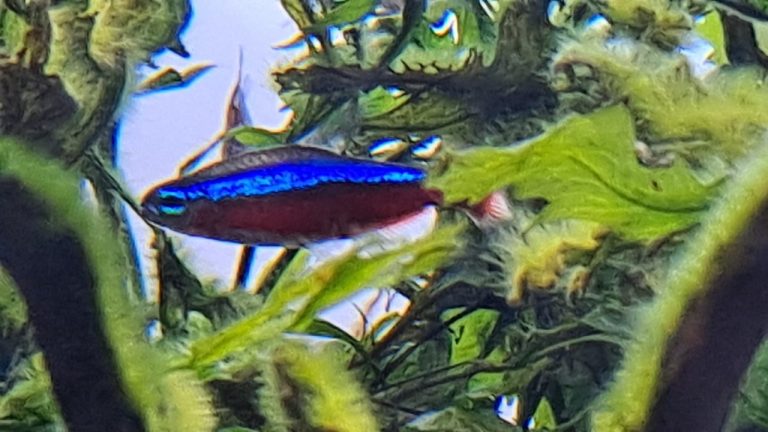
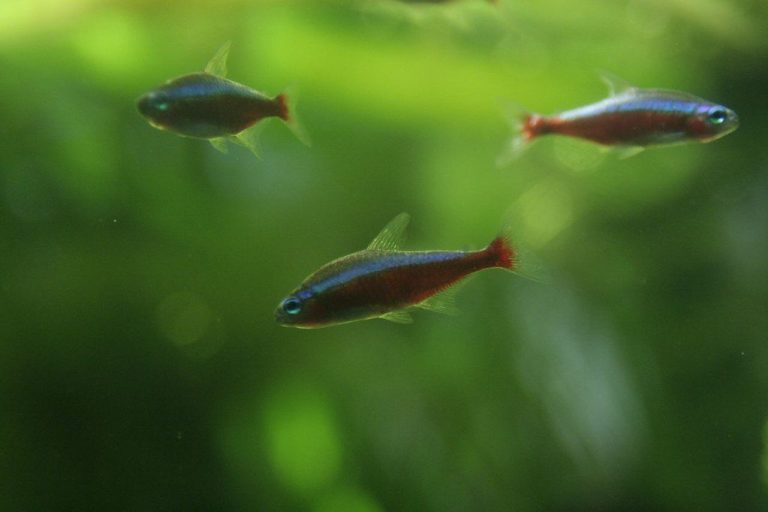
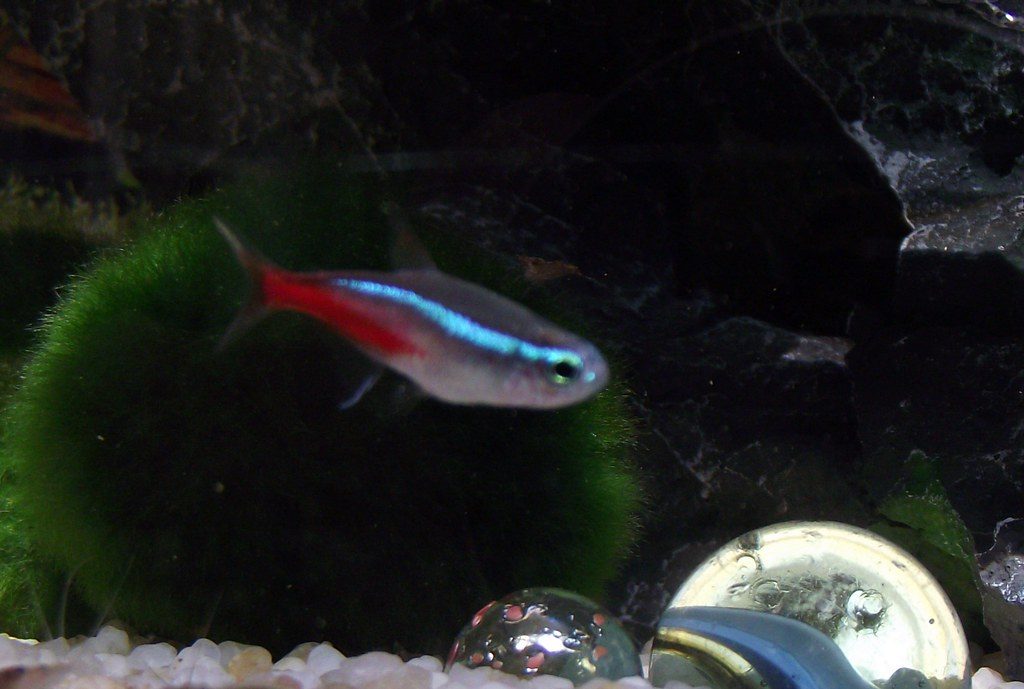
When you first bring home a shimmering school of Paracheirodon innesi, you are adding one of the most iconic species to your tank.
Many beginners ask, do neon tetras need a heater, especially if their home stays relatively warm throughout the day.
In my experience of keeping these rich fish for over a decade, providing a consistent heat source is the single most important factor for their longevity.
Neon tetras are native to the warm, acidic waters of the Amazon River basin, specifically within the complex blackwater ecosystem.
These environments do not experience the drastic temperature swings that occur in a typical living room or office.
To keep them healthy, we must replicate those stable tropical conditions as closely as possible within our glass boxes.
Pro Tip: Always use a separate digital thermometer rather than relying solely on the dial of your heater. Inexpensive heaters can sometimes be calibrated incorrectly, leading to dangerous temperature spikes or drops.
At a glance: Neon tetra (Paracheirodon innesi)
- Temperature
- 72–78°F (22–26°C)
- Water pH
- 6.0–7.0
- Adult size
- 1.5 in (4 cm)
- Minimum tank
- 10 gal (20 gal for a proper school)
- Group size
- Groups of 8+
- Temperament
- Peaceful
- Diet
- Omnivore: micro pellets, flakes, frozen daphnia
- Lifespan
- 5–8 years
Keeper’s tip: Add neons only to a fully cycled, stable tank; they are among the first fish to suffer from ammonia swings.
Understanding Why Do Neon Tetras Need a Heater
The primary reason why do neon tetras need a heater comes down to their biological makeup.
Fish are ectothermic organisms, meaning their internal body temperature is dictated by the water surrounding them.
They do not have the ability to generate their own body heat like humans or other mammals do.
This ectothermic metabolism governs every chemical reaction within their tiny bodies.
When the water gets too cold, their heart rate slows down and their digestion practically grinds to a halt.
A heater helps make sure that these biological processes remain at an right pace for growth and energy.
Without a submersible thermostat, your tank temperature will fluctuate based on the time of day or the season.
Even a drop of five degrees overnight can be enough to stress a neon tetra’s delicate system.
Consistency is the key to maintaining homeostasis, which is the internal balance required for survival.
The Biological Impact of Temperature on Paracheirodon Innesi
When we talk about osmoregulation, we are referring to how a fish manages the balance of salt and water in its body.
Temperature plays a massive role in this process, especially for soft-water species like the neon tetra.
If the water is too cold, the fish has to work much harder to maintain its internal chemistry.
This extra work leads to chronic stress, which quickly compromises the fish’s immune system.
In my early years of fish keeping, I noticed that tanks without heaters often suffered from mysterious deaths.
It wasn’t until I understood the link between temperature and immune response that my success rate skyrocketed.
Warm water also influences dissolved oxygen saturation within the aquarium.
While neon tetras need warmth, excessively high temperatures can actually reduce the amount of oxygen available.
Finding the “sweet spot” is essential for making sure they can breathe easily while staying active and colorful.
| Condition | Ideal Temperature Range | Primary Goal |
|---|---|---|
| Standard Community Tank | 72°F – 78°F (22°C – 25°C) | General health and longevity |
| Breeding Setup | 75°F – 80°F (24°C – 27°C) | Stimulating spawning behavior |
| Disease Recovery | 80°F – 82°F (27°C – 28°C) | Speeding up parasite life cycles |
Dangerous Consequences of Cold Water
If you choose to ignore the question of do neon tetras need a heater, you expose your fish to several preventable illnesses.
The most common issue seen in unheated tanks is Ichthyophthirius multifiliis, commonly known as “Ich” or white spot disease.
This parasite does well when a fish’s immune system is weakened by the stress of cold water.
Another common ailment is Saprolegniasis, a fungal infection that appears as cotton-like growths on the fins or body.
In a heated, stable environment, a healthy neon tetra can usually fight off these fungal spores.
However, in cold water, the fungus gains the upper hand as the fish’s metabolism slows down.
Perhaps the most immediate danger is thermal shock.
This occurs when the temperature changes too rapidly, such as during a water change or a cold night.
Shock can cause your tetras to stop swimming, lose their color, and even die within a matter of hours.
Keeping your neon tetra temperature range consistent is the best insurance policy you can buy.
It is much cheaper to buy a reliable heater than it is to constantly replace fish or buy expensive medications.
Choosing the Best Heating Equipment
When you are setting up your aquarium, selecting the right heater is a critical step.
I always recommend a fully submersible heater with an adjustable thermostat.
These allow you to fine-tune the temperature to the exact degree your specific school needs.
For most neon tetra tanks, a rule of thumb is 3 to 5 watts of power per gallon of water.
If your room is particularly cold, you may want to lean toward the higher end of that scale.
However, be careful not to over-power the tank, as a malfunction in a large heater can cook a small tank very quickly.
Pro Tip: In larger tanks (over 29 gallons), consider using two smaller heaters instead of one large one. If one fails “off,” the other keeps the water from freezing; if one fails “on,” it takes longer to overheat the tank, giving you time to react.
Always place your heater near the filter intake or outlet.
This helps make sure that the warmed water is distributed evenly throughout the tank by the current.
Without proper water flow, you may end up with “dead spots” where the water is significantly colder than the rest of the tank.
Maintaining stable water conditions is easier when the equipment is high quality.
Look for heaters with “auto-shutoff” features that trigger if the water level drops too low during a water change.
Maintaining Stability for Long-Term Success
Once you have answered do neon tetras need a heater and installed one, the work isn’t quite done.
You should make a habit of checking the thermometer every single day when you feed your fish.
It only takes a second to verify that the needle or digital readout is in the safe zone.
During the summer months, you might find that your heater rarely turns on.
This is normal, but do not be tempted to unplug it.
Even in the summer, a sudden thunderstorm or the use of air conditioning can cause the tank temperature to dip.
If you ever notice your neon tetras huddling near the heater, it is a sign that the rest of the tank is too cold.
Conversely, if they are gasping at the surface, the water may be too warm, leading to low oxygen levels.
If you watch their behavior, you can often catch equipment failures before they become fatal.
FAQ: Common Questions About Heating Neon Tetra Tanks
Can neon tetras live in room temperature water?
Generally, no. Most homes drop below 70°F at night, which is too cold for neon tetras. While they might survive for a short time, they will not stay healthy and will likely become ill.
What is the absolute minimum temperature for neon tetras?
While they can survive briefly at 68°F, this is not recommended. For long-term health, you should never let the tank stay below 72°F.
Do neon tetras need a heater in the summer?
Yes, you should keep the heater plugged in. The thermostat will only turn the heater on if the water temperature falls below your set point, providing a safety net against fluctuations.
How do I know if my heater is broken?
If the water feels cold to the touch or the thermometer shows a reading outside the 70-81°F range, check the heater. If the “on” light is lit but the water is cold, the heating element has likely failed.
Can a heater be too big for a neon tetra tank?
Yes. A heater that is too powerful for a small volume of water can cause rapid temperature swings. It also poses a higher risk of “cooking” the fish if the thermostat gets stuck in the “on” position.
The short version
So, do neon tetras need a heater? The answer is a definitive yes.
Providing a warm, stable environment is the foundation of successful fish keeping for this species.
If you put in a quality submersible heater and monitoring the temperature daily, you protect your fish from stress, parasites, and metabolic failure.
These fish rely entirely on you to recreate their tropical home.
When their water is the correct temperature, their colors will be more vivid, their behavior more active, and their lives much longer.
Take the time to get your heating setup right, and your school of neon tetras will reward you with years of beauty.

- 2003First tank
- 20+Years keeping
- 40+Tanks kept
- 0Sponsored picks
Howard set up his first 10-gallon planted tank in 2003 and lost half of it within six weeks. Two decades and more than forty aquariums later, he writes the guides he wished he had then: clear numbers, the reasons behind them, and what actually goes wrong in home tanks.