Neon Fish Temperature – Care Guide
The ideal neon fish temperature range is between 72°F and 78°F (22°C to 26°C). Maintaining a stable environment within this window makes sure high dissolved oxygen levels and supports the natural metabolic rate of your tetras.
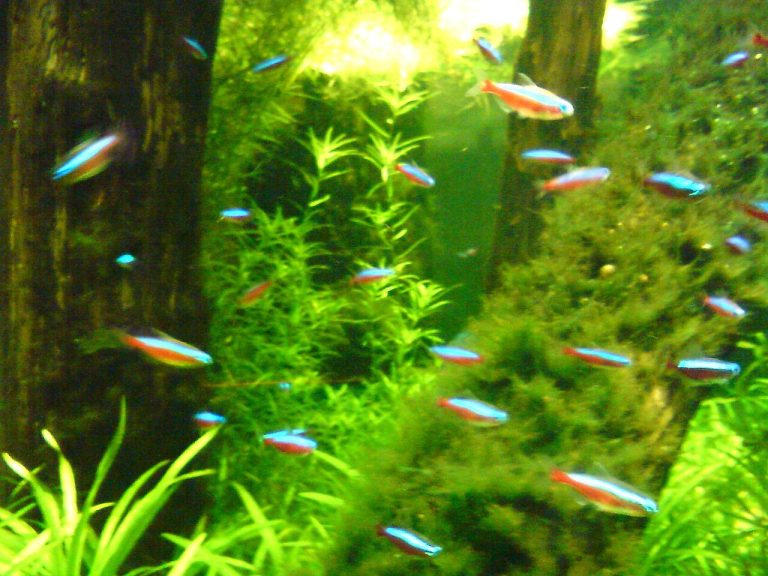
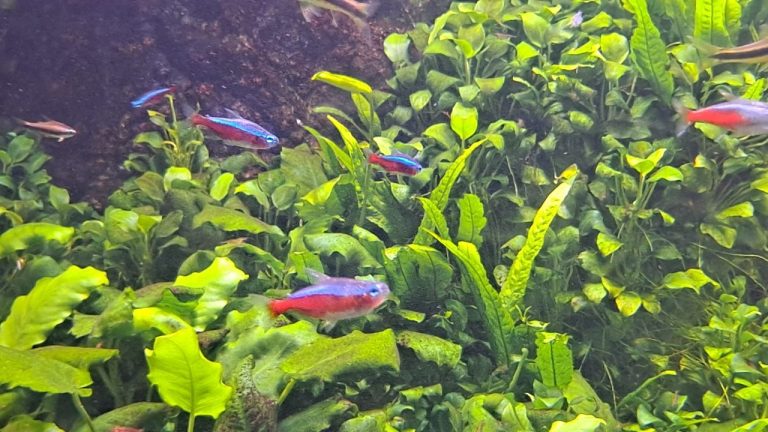
These shimmering jewels, scientifically known as Paracheirodon innesi, are the heart of many freshwater displays.
In my decade of keeping these eye-catching fish, I have found that neon fish temperature is the single most important factor for their longevity. If the water is too cold, their immune systems fail; if it is too hot, they burn out quickly.
Setting up a tank is more than just adding water and a filter. It is about recreating a slice of the Amazon right in your living room.
At a glance: Neon tetra (Paracheirodon innesi)
- Temperature
- 72–78°F (22–26°C)
- Water pH
- 6.0–7.0
- Adult size
- 1.5 in (4 cm)
- Minimum tank
- 10 gal (20 gal for a proper school)
- Group size
- Groups of 8+
- Temperament
- Peaceful
- Diet
- Omnivore: micro pellets, flakes, frozen daphnia
- Lifespan
- 5–8 years
Keeper’s tip: Add neons only to a fully cycled, stable tank; they are among the first fish to suffer from ammonia swings.
Why Temperature Matters for Neon Tetras
Neon tetras are ectothermic organisms. This means their internal body temperature is dictated entirely by the water surrounding them.
Maintaining ectothermic homeostasis allows their internal organs to function correctly. When the water stays within the preferred range, their metabolic rate remains stable, ensuring they grow and heal at a healthy pace.
If the temperature fluctuates wildly, it causes significant stress. This stress often leads to a weakened immune system, making them susceptible to opportunistic pathogens.
Pro Tip: Always use a secondary thermometer. I have learned the hard way that built-in heater displays can be inaccurate by 2 or 3 degrees, which is enough to stress a sensitive neon.
The Relationship Between Heat and Oxygen
One often overlooked aspect of neon fish temperature is its effect on dissolved oxygen saturation. As water temperature rises, its ability to hold oxygen decreases.
Neons are active swimmers and require well-oxygenated water. If your tank is too warm, your fish may gasp at the surface, even if your filter is running perfectly.
Keeping the water on the cooler side of their range (around 74°F) often results in more active, colorful fish. This is because they have plenty of oxygen to fuel their high-energy schooling behavior.
Ideal Parameters for Your Neon School
While temperature is our main focus, it works in tandem with other water conditions. You cannot have a healthy school without looking at the bigger picture of water parameters.
Neons settle in in soft, slightly acidic water. This mimics the blackwater streams of South America where they originated.
| Parameter | Ideal Range |
|---|---|
| Neon Fish Temperature | 72°F – 78°F (22°C – 26°C) |
| pH Level | 6.0 – 7.0 |
| Water Hardness (dGH) | 2 – 10 degrees |
| Ammonia / Nitrite | 0 ppm (Strict) |
| Nitrate | < 20 ppm |
Achieving the “Sweet Spot”
In my experience, 75°F (24°C) is the “sweet spot” for a community tank. It is warm enough for most tropical tank mates but cool enough to keep oxygen levels high for the neons.
If you are keeping them in a species-only tank, you can experiment slightly. Some keepers find that 72°F helps the fish live longer by slowing down their aging process.
However, consistency is always more important than a specific number. A rock-solid 77°F is better than a tank that swings between 72°F and 78°F every day.
Tools for Maintaining Thermal Stability
To keep your neon fish temperature stable, you need reliable equipment. A high-quality submersible heater thermostat is non-negotiable for any neon tetra setup.
These heaters allow you to set a specific temperature, and the internal sensor clicks the heating element on and off as needed. I always recommend choosing a heater with a wattage appropriate for your tank size.
A good rule of thumb is 5 watts of power per gallon of water. For a 20-gallon tank, a 100-watt heater is usually perfect.
Creating a Thermal Gradient
In larger tanks, it is possible to create a slight thermal gradient. This allows fish to move to different areas of the tank to find their preferred comfort level.
I usually place my heater near the filter intake or outlet. This makes sure the warm water is distributed evenly throughout the entire aquarium.
If you have a very long tank, consider using two smaller heaters at opposite ends. This provides a safety net in case one unit fails, preventing a total “crash” in temperature.
The Dangers of Thermal Shock
One of the most common mistakes beginners make is introducing thermal shock during water changes. This happens when new water is significantly colder or warmer than the tank water.
Neons are small and have very little body mass to buffer against temperature changes. A sudden shift of 5 degrees can be fatal within hours.
Always use a thermometer to check the bucket of new water before adding it to the tank. It should be within 1 degree of the aquarium’s current reading.
Common Mistake: Many keepers “feel” the water with their hand to match temperatures. Human skin is a poor judge of exact degrees; always use a digital or glass thermometer to be sure.
Symptoms of Temperature Stress
How do you know if your neon fish temperature is off? You must watch their behavior closely every day.
If the water is too cold, neons will become lethargic and lose their brilliant colors. They may huddle near the heater or sit motionless at the bottom of the tank.
Conversely, if the water is too hot, they will swim frantically. You may notice rapid gill movement as they struggle to breathe in the low-oxygen environment.
Temperature and Disease Prevention
Temperature plays a massive role in the lifecycle of common aquarium parasites. The most notorious is Ichthyophthirius multifiliis, commonly known as “Ich” or white spot disease.
When the temperature is stable and within the ideal range, the neon’s slime coat remains thick and protective. If the temperature drops suddenly, the fish’s thermoregulation fails, and Ich can take hold.
Interestingly, raising the temperature slightly (to about 82°F) is a common treatment for Ich. However, you must do this slowly and increase aeration to compensate for the lost oxygen.
Neon Tetra Disease Concerns
Another serious threat is Pleistophora hyphessobryconis, or Neon Tetra Disease. While this is not directly caused by temperature, stress from poor thermal management makes fish more vulnerable.
Once a fish is infected, there is unfortunately no known cure. Maintaining perfect neon fish temperature is your first line of defense in preventing this devastating condition.
If you are interested in expanding your knowledge on their life cycle, you might want to learn about how neons lay eggs and how temperature affects fry development.
Seasonal Challenges: Summer and Winter
Managing your aquarium during seasonal shifts can be a challenge. In the winter, your submersible heater thermostat does most of the heavy lifting.
However, summer heatwaves can push neon fish temperature into the danger zone above 82°F. During these times, you may need to take active steps to cool the water.
Turning off the aquarium lights can help, as traditional bulbs emit a surprising amount of heat. You can also use a small clip-on fan to blow across the water’s surface, which cools the tank through evaporation.
Dealing with Power Outages
What happens if the power goes out in the middle of winter? This is a nightmare scenario for any tetra keeper.
I recommend keeping some heavy blankets or specialized aquarium insulation nearby. Wrapping the tank can slow down the heat loss significantly.
In an emergency, you can float a sealed bottle of warm water in the tank. Just be careful not to raise the temperature too quickly, as stability is always the goal.
Breeding and Temperature Shifts
If you are interested in breeding your tetras, temperature becomes a tool rather than just a parameter. In the wild, spawning is often triggered by the rainy season.
The rainy season brings cooler water and an abundance of food. Many expert breeders simulate this by performing a large water change with water that is 2 or 3 degrees cooler than the tank.
This slight drop, followed by a slow rise back to the normal neon fish temperature, can trigger the fish to spawn. However, this should only be attempted by intermediate keepers who have mastered water stability.
Caring for the Fry
Once the eggs hatch, the tiny fry are even more sensitive to temperature than the adults. They require a very stable environment to develop their organs.
I usually keep my fry grow-out tanks at a steady 76°F. This provides a balance between a fast growth rate and high oxygen levels, which are critical for developing fish.
Quick answers
Can neon tetras live in unheated tanks?
In most modern homes, the ambient room temperature is too inconsistent for neons. Unless your room stays a constant 74°F-76°F day and night, a heater is absolutely required.
What is the maximum temperature for neon fish?
While they can survive brief periods at 80°F (27°C), I do not recommend keeping them there long-term. High temperatures speed up their metabolism, causing them to age faster and potentially shortening their lifespan.
Does temperature affect their color?
Yes, absolutely. When neons are kept at the correct neon fish temperature, their blue and red stripes will be incredibly vivid. Faded colors are often the first sign that the water is too cold or the fish is stressed.
How do I lower the temperature safely?
If your tank is too hot, never drop the temperature by more than 2 degrees per hour. The safest way is to use a fan or perform a small water change with slightly cooler water.
Can neons live with goldfish?
Generally, no. Goldfish are cold-water fish, and neons are tropical. Keeping them together forces one species to live outside its natural metabolic rate, which is unethical and unhealthy.
Summary of Key Takeaways
To make sure your neon tetras flourish for years, you must respect their thermal needs. A stable environment is the foundation of a successful aquarium.
- Keep the temperature between 72°F and 78°F.
- Invest in a high-quality submersible heater thermostat.
- Always use a secondary thermometer for verification.
- Avoid thermal shock during water changes at all costs.
- Watch for signs of stress, such as lethargy or gasping.
Once you learn neon fish temperature, you are giving your fish the best possible chance at a long, colorful life. It may seem like a small detail, but in nano-fish, the small details make all the difference.
, and may your neon school always shine bright.

- 2003First tank
- 20+Years keeping
- 40+Tanks kept
- 0Sponsored picks
Howard set up his first 10-gallon planted tank in 2003 and lost half of it within six weeks. Two decades and more than forty aquariums later, he writes the guides he wished he had then: clear numbers, the reasons behind them, and what actually goes wrong in home tanks.