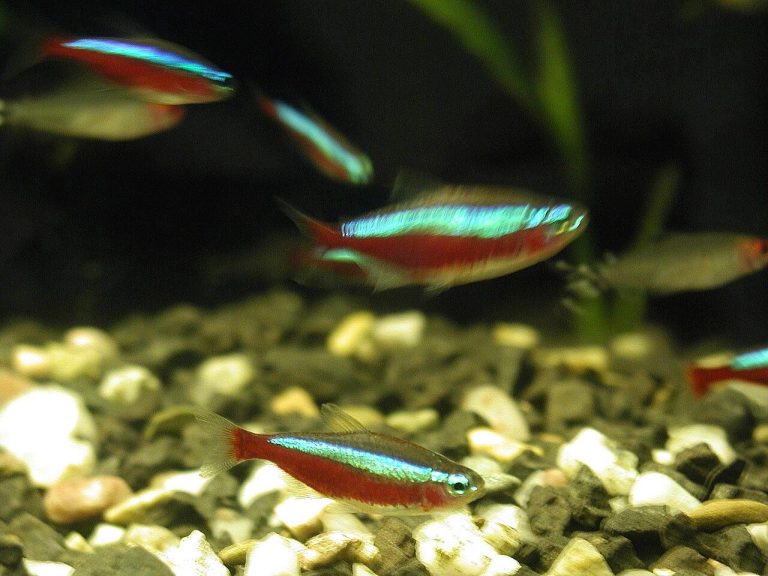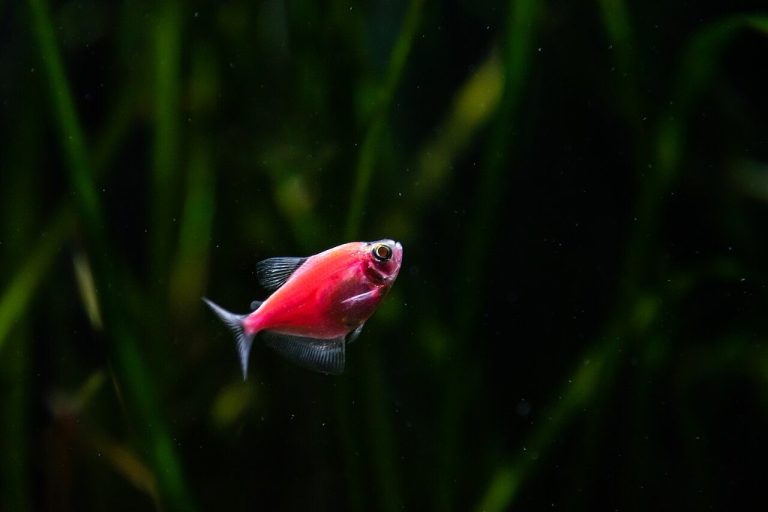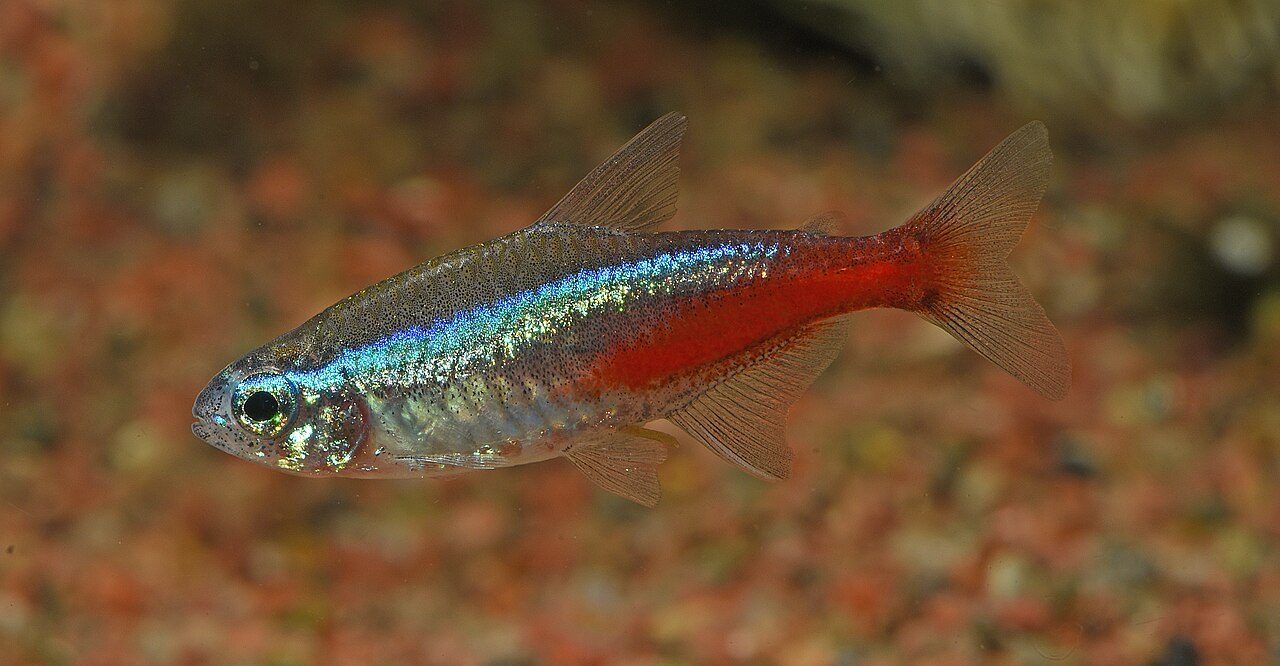
Do Neon Tetras Lay Eggs – The Expert Guide To Spawning Success
Yes, neon tetras (Paracheirodon innesi) lay eggs rather than giving birth to live young. They are egg scatterers that release non-adhesive eggs among fine-leafed plants or spawning mops, typically during the early morning hours.
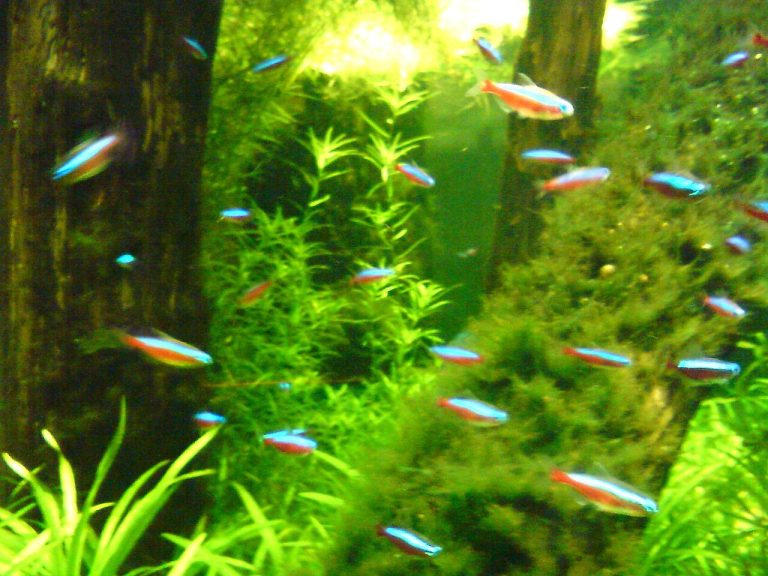
Seeing a shimmering school of neon tetras darting through a planted tank is one of the greatest joys in the aquarium hobby.
In my experience over the last decade, I’ve found that while making sure these fish is relatively simple, many hobbyists are surprised to learn about their complex reproductive habits.
If you have ever wondered, do neon tetras lay eggs, you are about to go through the interesting world of characin breeding.
It is a process that requires precision, patience, and a deep understanding of the specific environmental cues these fish need to feel “at home.”
When I first tried to breed these iconic fish, I failed miserably because I didn’t realize how sensitive their embryos are to light.
Today, I want to share the exact roadmap I use to successfully transition from a community tank to a stable nursery of tiny fry.
At a glance: Neon tetra (Paracheirodon innesi)
- Temperature
- 72–78°F (22–26°C)
- Water pH
- 6.0–7.0
- Adult size
- 1.5 in (4 cm)
- Minimum tank
- 10 gal (20 gal for a proper school)
- Group size
- Groups of 8+
- Temperament
- Peaceful
- Diet
- Omnivore: micro pellets, flakes, frozen daphnia
- Lifespan
- 5–8 years
Keeper’s tip: Add neons only to a fully cycled, stable tank; they are among the first fish to suffer from ammonia swings.
Do neon tetras lay eggs? Understanding the Basics
To answer the fundamental question: yes, neon tetras (Paracheirodon innesi) are prolific egg scatterers.
Unlike guppies or mollies, which are livebearers, tetras release their genetic material into the water column to be fertilized externally.
This means that the female will release her eggs, and the male will simultaneously release sperm (milt) to fertilize them mid-water.
The eggs themselves are non-adhesive eggs, meaning they do not stick to surfaces like those of many cichlids or catfish.
Instead, they tumble through the water and eventually settle into the substrate or among the leaves of dense aquatic plants.
In the wild, this strategy helps make sure at least a few eggs survive the journey and avoid being eaten by predators.
Understanding that they are egg scatterers is the first step in successful breeding various tetra species in a home setting.
Pro Tip: Don’t expect to see eggs in a standard community tank. Neon tetras are notorious egg eaters, and if they do spawn in your main display, the eggs are usually consumed by the parents or other tank mates within minutes.
Distinguishing Between Male and Female Neon Tetras
Before you can even think about eggs, you must ensure you have a compatible pair.
I’ve noticed that sexing neon tetras is often the most difficult part for beginners because their differences are quite subtle.
However, with a keen eye, you can identify the physical markers that distinguish the males from the females.
| Feature | Male Neon Tetra | Female Neon Tetra |
|---|---|---|
| Body Shape | Slim and streamlined. | Rounder and deeper-bodied. |
| Blue Stripe | Straight and horizontal. | Often appears “bent” or curved. |
| Size | Slightly smaller on average. | Larger, especially when gravid. |
When a female is “gravid,” it means she is carrying eggs.
During this time, her belly will become noticeably swollen, making her much wider than the slender males.
If you see a fish that looks like it has swallowed a small marble, there is a very high chance you are looking at a female ready to spawn.
Preparing the Ideal Breeding Environment
You cannot simply ask “do neon tetras lay eggs” and expect it to happen in any water conditions.
These fish are native to the “blackwater” environments of the Amazon, which are characterized by very soft, acidic water.
To trigger spawning, you must replicate these conditions as closely as possible.
Water Chemistry and Softness
The most critical factor in neon tetra breeding is the carbonate hardness (KH) and overall softness of the water.
In my experience, eggs will fail to fertilize or will harden and die if the water is too hard.
You should aim for a dH (degree of hardness) between 1 and 2, which is exceptionally soft.
The Role of Peat Filtration and Tannic Acid
Using peat filtration is a classic “old school” trick that still works wonders today.
Adding peat moss to your filter or using Indian Almond leaves releases tannic acid into the water.
This not only lowers the pH to around 5.5 or 6.0 but also provides natural antifungal properties that protect the eggs from Saprolegnia (water mold).
Creating a Spawning Site
Since they scatter their eggs, you need a way to catch them before the parents eat them.
A spawning mop made of dark synthetic yarn or a thick layer of Java Moss is perfect for this.
The eggs fall into the crevices of the moss or mop, where the adults cannot easily reach them.
The Spawning Process: From Courtship to Eggs
Once you have moved a conditioned pair into a dedicated breeding tank, the magic usually happens at dawn.
Neon tetras are very sensitive to light cycles, and the first rays of morning light often trigger the courtship.
The male will begin a frantic dance around the female, attempting to drive her toward the spawning site.
When she is ready, they will lock together briefly in a “T-position” or side-by-side shimmy.
This is the moment when the female releases her eggs into the water.
A single female can lay anywhere from 60 to 130 eggs in a single session.
Because they are non-adhesive eggs, they will drift downward immediately.
Once the spawning is complete, it is vital to remove the parents from the tank to make sure the survival of the brood.
Pro Tip: To increase your chances, try “conditioning” the parents for two weeks prior to spawning with high-quality live foods like daphnia or brine shrimp. This helps make sure the female has the energy to produce a large clutch of healthy eggs.
Caring for Photophobic Embryos
One of the most unique challenges of breeding this species is that they have photophobic embryos.
This means that the eggs and the newly hatched larvae are extremely sensitive to light.
Even moderate room light can be fatal to the developing embryos in the first 24 to 48 hours.
When I am breeding keeping neon tetras for the purpose of raising fry, I wrap the entire breeding tank in black construction paper.
I only peek in with a very dim flashlight for a few seconds a day to check for movement.
Keeping the tank in total darkness is often the difference between a successful hatch and a total loss.
Feeding and Raising Neon Tetra Fry
After about 24 to 36 hours, the eggs will hatch into tiny, translucent larvae.
At this stage, they are not yet swimming; they will hang onto the glass or the spawning mop while they absorb their yolk sacs.
Once they become free-swimming, usually after 3 or 4 days, they require microscopic food.
The First Food: Infusoria
Neon tetra fry are among the smallest in the hobby, and they cannot eat standard crushed flakes or even baby brine shrimp initially.
You must provide infusoria, which are microscopic organisms found in aged aquarium water or cultured specifically for fry.
After about a week of feeding infusoria, you can transition them to microworms and eventually freshly hatched brine shrimp.
Maintaining Water Quality
Because you are feeding tiny organisms frequently, the water quality can degrade quickly.
However, you must be extremely careful with water changes.
I recommend using a small airline tube to drip-feed new, conditioned water into the tank to avoid shocking the delicate fry.
Always consult a compatible tank mates guide before moving young tetras back into a community setting, as they must be large enough not to be eaten.
Common Challenges and How to Overcome Them
Even for experienced keepers, things can go wrong when you are waiting for neon tetras to lay eggs.
The most common issue is the growth of fungus on the eggs.
If you see white, fuzzy eggs, these are unfertilized or dead eggs that have been attacked by Saprolegnia.
To prevent this, help your water is acidic enough and consider adding a drop of Methylene Blue if you aren’t using natural tannins.
Another challenge is the “jumpiness” of the parents.
Neon tetras can be easily stressed by movement outside the tank, which may cause them to abort the spawning process.
| Problem | Possible Cause | Solution |
|---|---|---|
| Eggs Turning White | Fungal infection or lack of fertilization. | Lower pH and use tannins or antifungal agents. |
| Parents Eating Eggs | Natural instinct or hunger. | Remove parents immediately after spawning. |
| Fry Dying Suddenly | Light exposure or poor water quality. | Keep tank dark and perform slow drip water changes. |
Questions and answers
How often do neon tetras lay eggs?
If kept in ideal conditions and fed high-quality food, a healthy female can produce eggs every 2 to 3 weeks. However, it is best to give them rest periods to maintain their health.
Can neon tetras lay eggs in a community tank?
They can, but the eggs are almost never successful. Other fish will eat them, and the high light levels and harder water typically found in community tanks will kill the embryos.
How do I know if my neon tetra is pregnant?
Technically, they aren’t “pregnant” because they don’t carry live young. A female is “gravid” when her belly looks swollen and rounded, indicating she is full of eggs.
Do neon tetras protect their eggs?
No. Neon tetras have no parental instincts. They will scatter the eggs and, if given the chance, will turn around and eat them immediately.
What temperature is best for neon tetra eggs?
The breeding tank should be slightly warmer than a standard tank, ideally between 75°F and 78°F (24°C to 25.5°C), to encourage metabolic activity and spawning.
Where that leaves you
So, do neon tetras lay eggs? They certainly do, and the process is a masterclass in aquatic biology.
While it is much more demanding than breeding livebearers, the reward of seeing a school of home-bred neons is unparalleled.
If you focus on ultra-soft water, providing a dark environment for the photophobic embryos, and mastering the culturing of infusoria, you can achieve success.
Remember that patience is your best tool.
I spent months perfecting my water chemistry before I saw my first successful hatch.
If you provide the right conditions—acidic, soft, and dark—your neons will eventually reward you with a new generation of shimmering blue and red gems.
, and I hope this guide helps you on your journey to becoming a successful tetra breeder!

- 2003First tank
- 20+Years keeping
- 40+Tanks kept
- 0Sponsored picks
Howard set up his first 10-gallon planted tank in 2003 and lost half of it within six weeks. Two decades and more than forty aquariums later, he writes the guides he wished he had then: clear numbers, the reasons behind them, and what actually goes wrong in home tanks.