How Many Tetras Should Be Kept Together – The Ultimate Guide
To ensure ideal health, you should keep a minimum of 6 to 10 tetras together. Larger groups of 15 or more significantly reduce stress and promote natural schooling behaviors in most aquarium environments.
Walking into a local fish store, it is easy to be captivated by the shimmering scales and synchronized movements of a massive school of fish. When I first started keeping fish over a decade ago, I made the common mistake of buying just two or three neon tetras, thinking they would be fine on their own.
I quickly noticed they were hiding constantly and looked incredibly pale. It wasn’t until I researched how many tetras should be kept together that I realized I was depriving them of their most basic social needs.
Tetras are not solitary creatures; they are obligate schoolers that rely on their peers for safety, communication, and psychological well-being. In this guide, I will share the hard-won lessons from my years of maintaining flourishing community tanks to help you decide the perfect group size for your specific setup.
At a glance: Tetras (general) (Family Characidae and relatives)
- Temperature
- 72–80°F (22–27°C) for most species
- Water pH
- 6.0–7.5 for most species
- Adult size
- 1–3 in (2.5–8 cm)
- Minimum tank
- 10–30 gal depending on species
- Group size
- Groups of 6–10+
- Temperament
- Mostly peaceful schooling fish
- Diet
- Omnivores: quality flakes or micro pellets plus frozen foods
- Lifespan
- 3–8 years
Keeper’s tip: Schooling size matters more than tank size for most tetras: small groups hide, nip and stress.
The Biological Importance of Shoaling Behavior
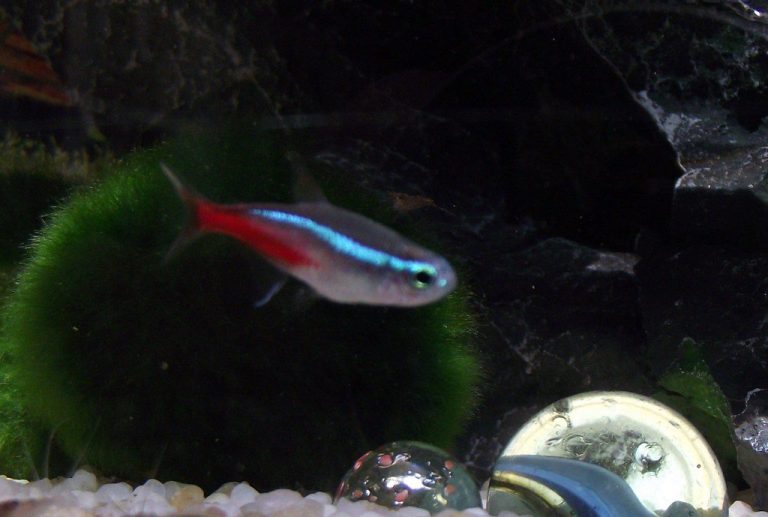
In the wild, tetras like the Paracheirodon innesi (Neon Tetra) inhabit vast river systems where predators are a constant threat. Their survival depends on shoaling behavior, which provides “safety in numbers” by confusing predators through a shimmering mass of movement.
This behavior is facilitated by their lateral line system, a series of sensory organs that allow them to detect minute changes in water pressure and vibration. This system enables them to swim in tight, synchronized formations without ever bumping into one another.
When you keep too few tetras, this sensory system can actually work against them. They become hyper-aware of every movement outside the glass, leading to chronic stress and a weakened immune system.
Pro Tip: If you see your tetras “glass surfing” or hiding behind the heater, it is often a sign that the group size is too small. Increasing the school by just three or four individuals can often stop this behavior overnight.
how many tetras should be kept together Based on Tank Size
Determining the right number of fish isn’t just about the fish themselves; it’s about the volume of water and the stocking density of your aquarium. You must balance the social needs of the fish with the nitrogenous waste load your filtration system can handle.
In my experience, a 10-gallon tank is the absolute minimum for the smallest species, but a 20-gallon “long” tank is where you really see these fish shine. Larger tanks provide more horizontal swimming space, which is critical for active schoolers like the Hemigrammus rhodostomus (Rummy Nose Tetra).
The table below provides a general guideline for stocking various tank sizes while maintaining a healthy biological balance.
| Tank Size (Gallons) | Min. Group Size | Max. Recommended Group Size | Best Species for This Size |
|---|---|---|---|
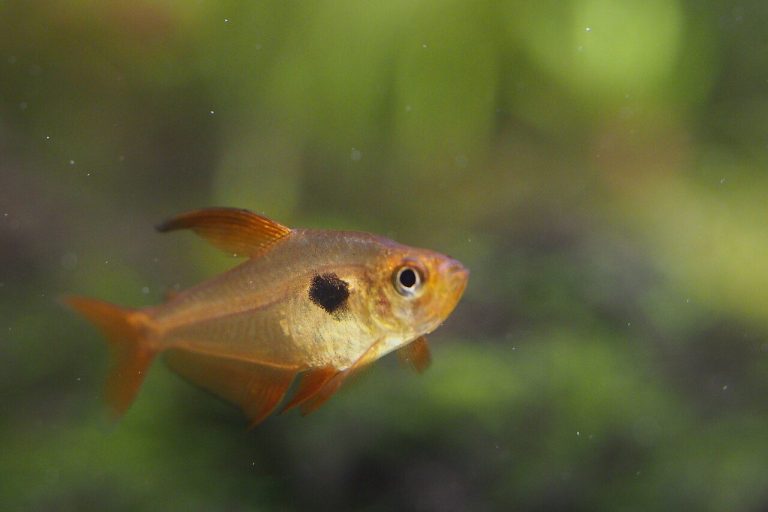
| 10 Gallons | 6 | 8 | Ember Tetras, Neon Tetras |
| 20 Gallons (Long) | 10 | 15 | Rummy Nose, Cardinal Tetras |
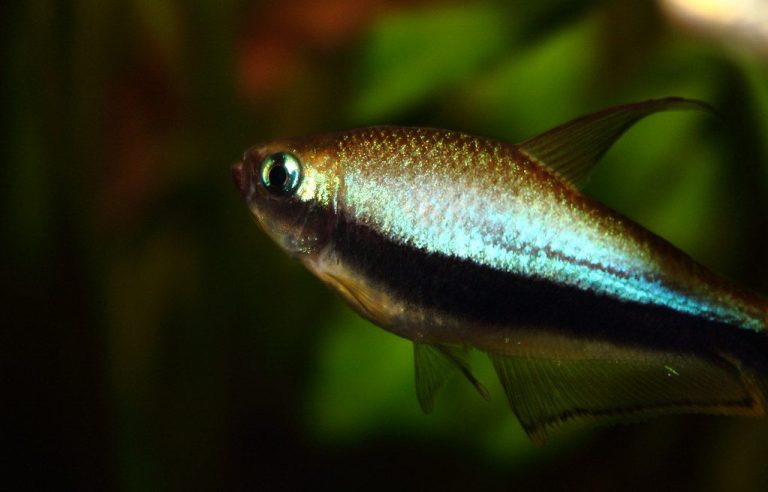
| 29 Gallons | 12 | 20 | Black Skirt Tetras, Buenos Aires |
| 55 Gallons | 20 | 40+ | Congo Tetras, Large Mixed Schools |
When choosing the perfect aquarium size, always prioritize horizontal length over height. Tetras swim back and forth, not up and down, so a longer tank allows for much better schooling displays.
One of the most misunderstood aspects of tetra behavior is conspecific aggression. Many beginners assume that because tetras are small, they are inherently peaceful, but this isn’t always the case.
In a group that is too small (less than 5), a dominant individual may emerge and relentlessly bully the others. This happens because the natural “pecking order” cannot be distributed across enough individuals.
By increasing the group size, you effectively diffuse this aggression. In a school of 12, no single fish bears the brunt of a dominant male’s energy, which leads to a much more peaceful aquarium environment.
Stress and Disease Susceptibility
When tetras are stressed due to isolation, their slime coat thins, making them prime targets for Ichthyophthirius multifiliis, commonly known as Ich. I have seen entire tanks of neons wiped out by Ich simply because they were kept in groups of three.
A healthy school also uses pheromone signaling to communicate danger or breeding readiness. Without a proper group size, these chemical cues can become “muffled,” leaving the fish in a state of perpetual anxiety.
Pro Tip: If you are planning a community tank, it is better to have one large school of 15 tetras than three tiny groups of 5 different species. The visual impact of one large school is striking, and the fish will be significantly healthier.
Managing the Nitrogenous Waste Load
While we want large schools, we must be mindful of the nitrogenous waste load. Every fish you add contributes to the ammonia and nitrite levels in the water.
High stocking densities require sturdy filtration and a consistent maintenance schedule. I always recommend over-filtering your tank; if you have a 20-gallon tank, use a filter rated for 30 or 40 gallons.
Additionally, pay attention to the dissolved oxygen saturation. Large schools of active fish consume oxygen quickly, especially at night when plants stop producing it. Make sure you have plenty of surface agitation to keep the water well-oxygenated.
Maintaining stable water parameters is much easier when you don’t push the limits of your tank’s carrying capacity. Always monitor your nitrate levels and aim to keep them below 20 ppm through regular water changes.
Can You Mix Different Tetra Species?
A common question I get is whether five Neons and five Embers count as a “school of ten.” Technically, the answer is no. While different various tetra species may shoal together occasionally, they do not recognize each other as true conspecifics.
They will not feel the same level of security as they would with their own kind. If you want to keep multiple species, help each species has its own minimum group of at least six.
Mixing species can create a beautiful “layered” look in your tank. For example, Rummy Nose tetras tend to stay in the middle and lower-middle sections, while Hatchetfish (another characin relative) stay strictly at the surface.
Things people often ask
Can I keep just one tetra?
No, making sure a single tetra is considered inhumane by most experienced aquarists. The fish will live in a state of constant fear, which will drastically shorten its lifespan and lead to poor coloration and health.
What happens if I have an odd number of tetras?
The “even vs. odd” debate is mostly a myth. Whether you have 7, 9, or 12 doesn’t matter nearly as much as meeting the minimum threshold of 6 to 10. The fish cannot count; they just need to feel surrounded by their peers.
Do GloFish tetras need the same group size?
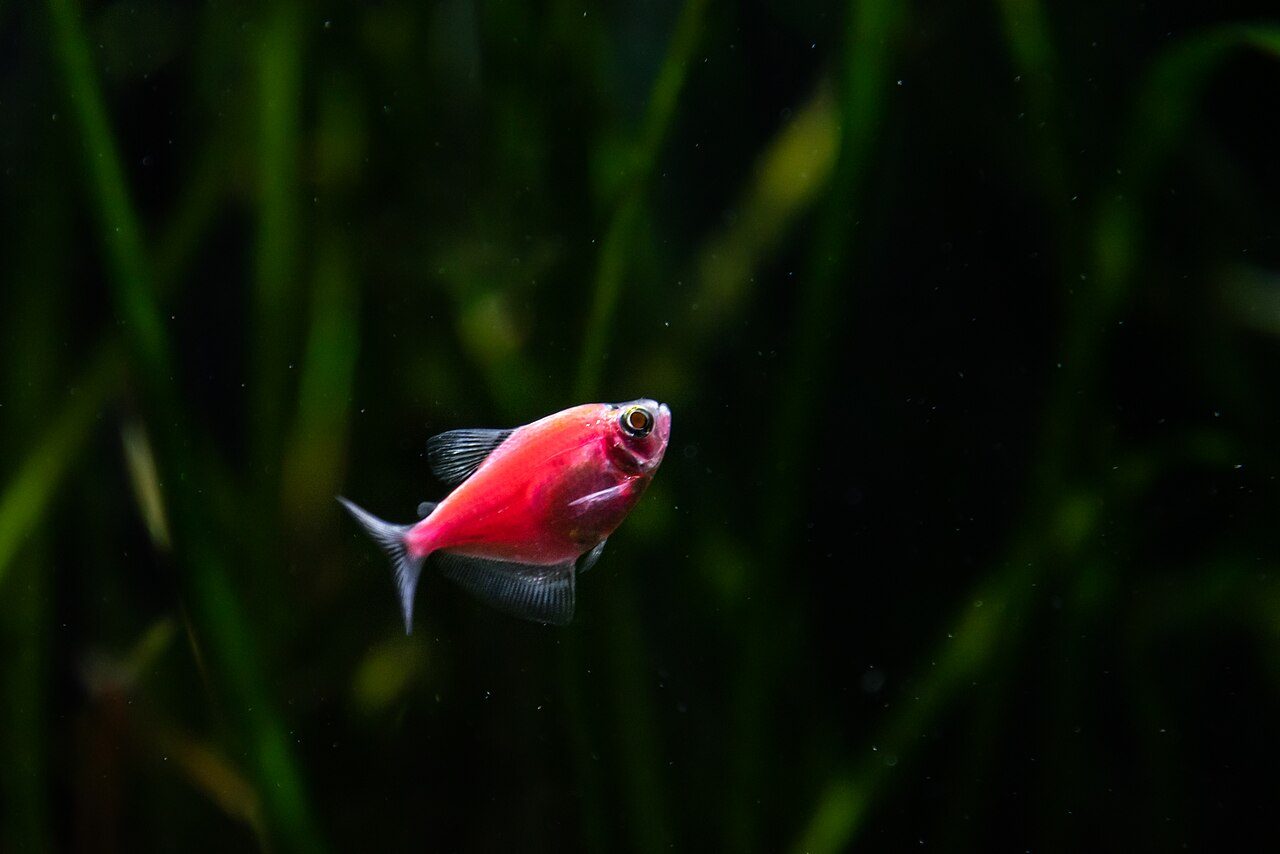
Yes. GloFish tetras are typically genetically modified Black Skirt Tetras. They share the same biological needs and shoaling behavior as their wild-type ancestors and should be kept in groups of 6 or more.
How many tetras can I add to my tank at once?
I recommend adding no more than 6 to 10 fish at a time. This allows your beneficial bacteria to adjust to the new nitrogenous waste load without causing an ammonia spike. Wait at least two weeks before adding more.
Final Thoughts on Tetra Group Sizes
Understanding how many tetras should be kept together is one of the most important steps in transitioning from a beginner to a successful fish keeper. If you provide a group of at least 6 to 10 individuals, you are respecting the natural biology of these incredible creatures.
In return, you will be rewarded with vivid colors, interesting social dynamics, and a peaceful aquarium that stays healthy for years. When it comes to tetras, more is almost always better—provided your filtration can keep up.
Take the time to observe your school daily. Watching them handle the aquarium using their lateral line system and reacting to pheromone signaling is one of the most relaxing and satisfying aspects of this hobby.

- 2003First tank
- 20+Years keeping
- 40+Tanks kept
- 0Sponsored picks
Howard set up his first 10-gallon planted tank in 2003 and lost half of it within six weeks. Two decades and more than forty aquariums later, he writes the guides he wished he had then: clear numbers, the reasons behind them, and what actually goes wrong in home tanks.