Neon Fish Tanks – Care Guide
Neon fish tanks are specialized aquariums designed to highlight schooling species like Neon Tetras. Success requires at least 10–20 gallons, stable soft water, low-to-moderate lighting, and dense live plants to mimic their natural Amazonian environment.
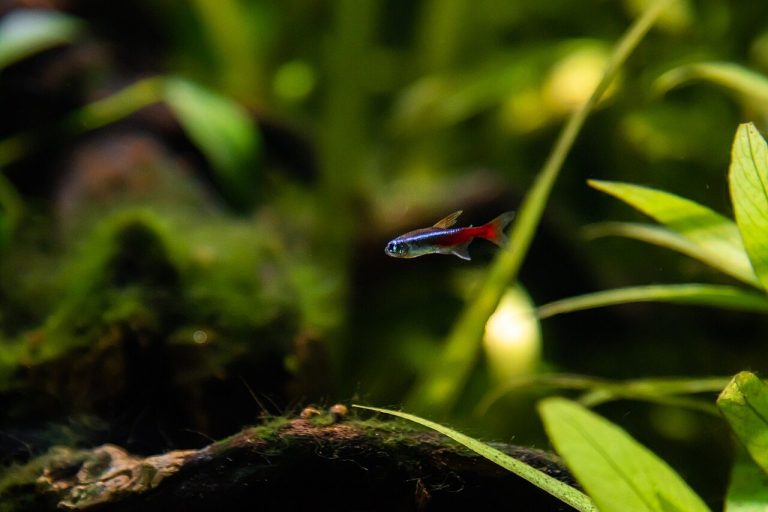
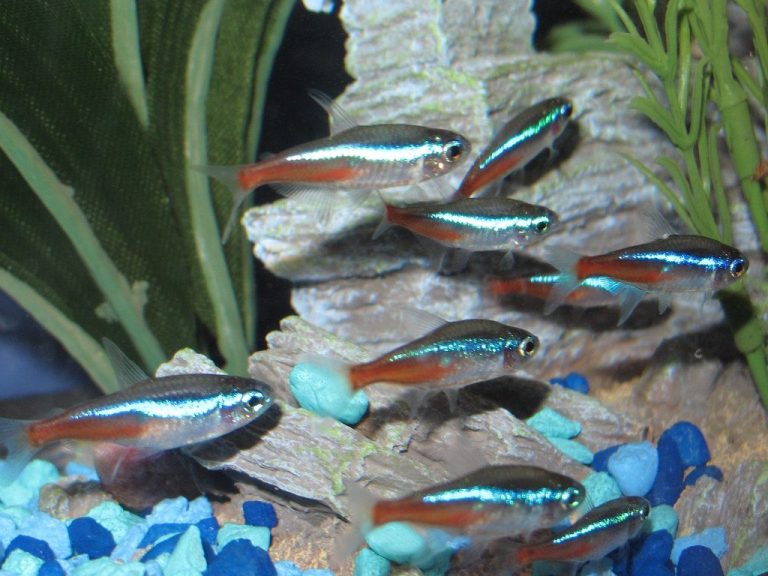
Few sights in the aquarium hobby are as iconic as a shimmering school of blue and red fish darting through well-grown green plants. For decades, neon fish tanks have served as the centerpiece for both professional aquascapers and first-time keepers.
In my decade of keeping various Amazonian species, I have found that these setups are more than just a display. They are a delicate balance of biology and aesthetics that requires specific attention to detail to flourish.
Whether you are looking to set up your first 10-gallon tank or a sprawling 50-gallon community, understanding the nuances of these environments is essential. This guide will walk you through everything you need to know to create a healthy, bright home for your fish.
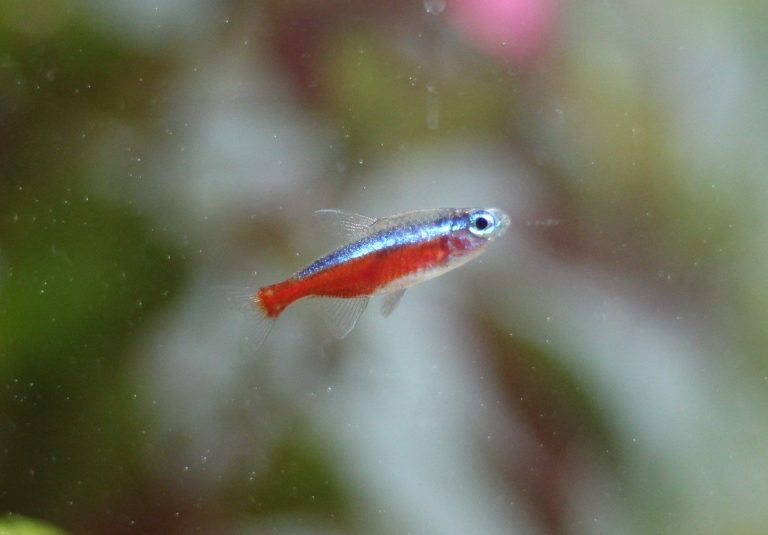
At a glance: Neon tetra (Paracheirodon innesi)
- Temperature
- 72–78°F (22–26°C)
- Water pH
- 6.0–7.0
- Adult size
- 1.5 in (4 cm)
- Minimum tank
- 10 gal (20 gal for a proper school)
- Group size
- Groups of 8+
- Temperament
- Peaceful
- Diet
- Omnivore: micro pellets, flakes, frozen daphnia
- Lifespan
- 5–8 years
Keeper’s tip: Add neons only to a fully cycled, stable tank; they are among the first fish to suffer from ammonia swings.
Choosing the Ideal Setup for Neon Fish Tanks
When planning your layout, the first decision you must make is the size and shape of the enclosure. While these fish are small, they are incredibly active swimmers that require horizontal space to school properly.
I often see beginners reach for tall, hexagonal tanks because they look modern. However, for a successful school, a “long” tank is almost always superior to a “tall” tank because it provides more swimming room.
Pro Tip: Always opt for a dark background, such as black vinyl or deep blue paint, on the back of the glass. This simple trick makes the iridescent colors of your fish “pop” significantly more than a clear or light-colored background.
| Tank Size | Recommended School Size | Best For |
|---|---|---|
| 10 Gallons | 6 to 8 Fish | Desktop setups or nano scapes. |
| 20 Gallons (Long) | 12 to 15 Fish | Standard community or breeding focus. |
| 29+ Gallons | 20+ Fish | Large schools with mixed tank mates. |
Selecting the perfect volume for your school is the first step in keeping long-term health. Larger volumes of water are more resistant to sudden changes in temperature or chemistry.
Material Considerations: Glass vs. Acrylic
Glass is the most common choice for most hobbyists because it is scratch-resistant and remains clear over time. However, acrylic tanks are lighter and offer better clarity, though they require special care to avoid scratches during cleaning.
In my experience, a high-quality rimless glass tank provides the best viewing experience for the fast-moving colors seen in neon fish tanks. It allows the colors to appear more natural and less distorted by thick plastic frames.
Essential Equipment for Water Health
The hardware you choose will be the life-support system for your aquatic pets. Because many neon species come from slow-moving blackwater environments, you need a balance of clean water and gentle flow.
A high-quality, reliable filtration system is non-negotiable. It should provide enough mechanical and biological filtration to handle the waste of a large school without creating a “whirlpool” effect.
Heating and Lighting Requirements
Most neon species are tropical and require stable temperatures between 72°F and 78°F. A reliable heater with an adjustable thermostat is essential to prevent the stress that leads to Ich or other diseases.
Lighting should be moderate; if the light is too bright, the fish may become shy and hide among the plants. Using a light with a programmable “dimming” feature can help simulate natural sunrise and sunset.
| Equipment Type | Preferred Specification | Reasoning |
|---|---|---|
| Filter | Sponge or Hang-on-Back (HOB) | Gentle flow prevents exhausting the fish. |
| Heater | Submersible, 50-100 Watts | Maintains consistent tropical warmth. |
| Substrate | Dark sand or Plant-specific soil | Supports plant growth and boosts color. |
Mastering Water Chemistry and Cycling
Before you introduce a single fish, your tank must be biologically cycled. This process involves growing beneficial bacteria that convert toxic ammonia into harmless nitrate.
I have seen many hobbyists lose their entire school because they added fish to a brand-new setup. Neon fish tanks are particularly sensitive to ammonia spikes, so patience during the initial month is vital.
Ideal Parameters for Neon Species
While these fish can adapt to various conditions, they stay healthy in soft, slightly acidic water. If your tap water is very hard, you might consider mixing it with Reverse Osmosis (RO) water to achieve the right balance.
| Parameter | Ideal Range | Notes |
|---|---|---|
| pH Level | 6.0 to 7.0 | Slightly acidic mimics Amazonian waters. |
| Temperature | 72°F to 78°F | Avoid sudden fluctuations. |
| Ammonia / Nitrite | 0 ppm | Any level above zero is dangerous. |
| Nitrate | < 20 ppm | Keep low through regular water changes. |
Regular testing with a liquid test kit is much more accurate than using paper strips. I recommend testing the water once a week during the first few months of a new setup.
Aquascaping for Beauty and Security
The way you decorate your neon fish tanks directly impacts the behavior of your fish. In the wild, these tetras live in areas with dense vegetation and fallen branches.
When they feel safe, they will display more vivid colors and school more tightly in the open areas of the tank. If the tank is too bare, they often become stressed, lose their color, and hide in the corners.
Selecting the Best Plants
Live plants are the best addition you can make to any aquarium. They help absorb nitrates and provide a natural playground for your fish.
I highly recommend using Java Fern, Anubias, and Amazon Swords. These plants are hardy and provide the broad leaves that many fish use for resting or seeking shade.
Pro Tip: Add a few dried Indian Almond leaves to the water. They release tannins that slightly tint the water amber, which mimics the natural blackwater habitat and has natural antifungal properties.
Floating Plants and Shaded Areas
Floating plants like Frogbit or Salvinia are excellent for diffused lighting. They create a “dappled” light effect on the substrate, which prevents the fish from feeling exposed to predators from above.
Selecting Occupants and Schooling Dynamics
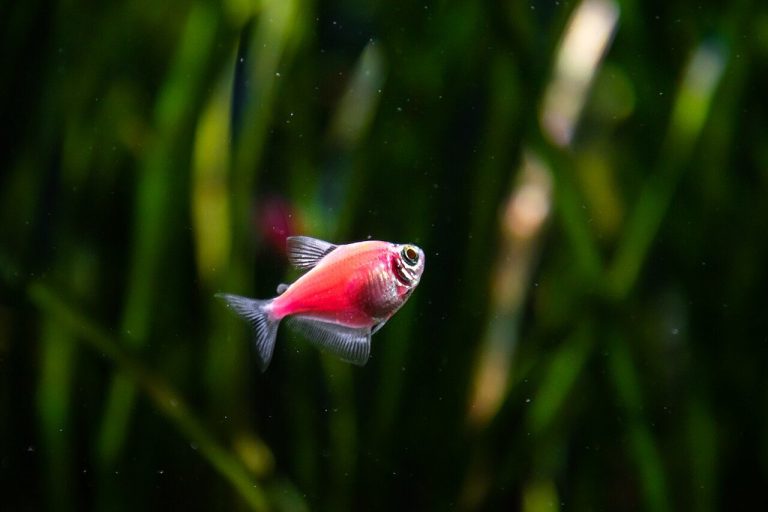
Not all “neons” are the same, and choosing the right species for your tank size is critical. While the standard Neon Tetra is the most popular, there are several variations to consider.
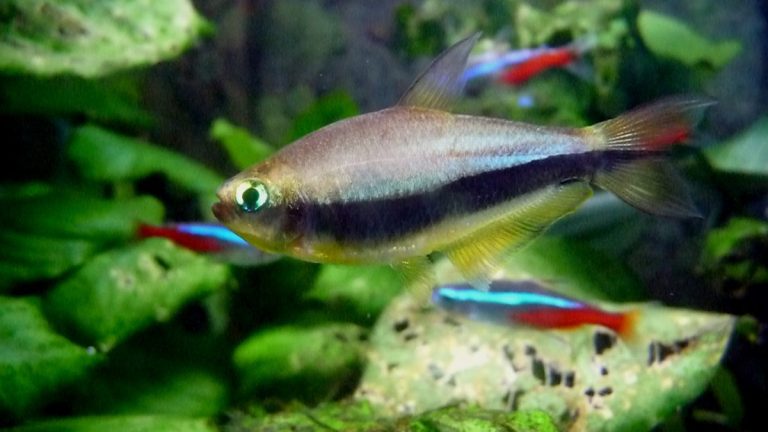
The Cardinal Tetra looks very similar but has a red stripe that runs the full length of its body. Cardinals are generally hardier but require slightly warmer water than their cousins.
Compatibility and Community Members
When finding peaceful companions, look for species that won’t see your tetras as a snack. Avoid large cichlids or highly aggressive fish.
| Tank Mate Type | Examples | Compatibility Level |
|---|---|---|
| Bottom Dwellers | Corydoras, Kuhli Loaches | Excellent; they occupy different zones. |
| Invertebrates | Cherry Shrimp, Amano Shrimp | Good; though shrimplets may be eaten. |
| Centerpiece Fish | Honey Gourami, Small Angelfish | Moderate; make sure the tank is large enough. |
In my years of keeping neon fish tanks, I have found that a large school of at least 10 to 12 individuals is the “sweet spot.” This number allows the fish to feel secure enough to show off their natural social behaviors.
Common Pitfalls and Maintenance Tips
Maintaining a pristine environment is easier than fixing a broken one. The most common mistake I see is overfeeding, which leads to rotting food and toxic ammonia spikes.
Only feed your fish what they can consume in two minutes. High-quality flakes, micro-pellets, and occasional treats of frozen daphnia or brine shrimp will keep their colors intense.
Preventing Neon Tetra Disease
Neon Tetra Disease (NTD) is a parasitic condition that can be devastating. Symptoms include a loss of color in a specific patch of the body, curved spines, and difficulty swimming.
There is no known cure for NTD, so prevention through quarantine is vital. Always keep new fish in a separate “hospital tank” for at least two weeks before adding them to your main display.
Pro Tip: When doing water changes, try to match the temperature of the new water within 1 or 2 degrees of the tank water. Sudden temperature drops are the leading cause of stress-induced illness in small tetras.
Weekly Maintenance Routine
A consistent routine is the secret to a flourishing aquarium. I recommend a 25% water change every week, along with a gentle vacuuming of the substrate surface.
During this time, check your filter intake for any clogged debris. Clean filter media only in old tank water—never tap water—to preserve the beneficial bacteria.
Common questions
How many fish can I keep in a 10-gallon neon fish tank? In a 10-gallon setup, I recommend a school of 6 to 8 individuals. This allows enough room for swimming while keeping the biological load manageable for a small filter.
Do neon fish need a heater? Yes, they are tropical fish and require a consistent temperature. If the water drops below 70°F for extended periods, their immune systems will weaken, making them susceptible to infections.
Why are my fish losing their color at night? This is perfectly normal. Many tetras “turn off” their iridescent colors when they sleep to hide from predators. Their color should return within 15 to 30 minutes of the lights coming back on.
Can I keep neons with a Betta fish? It depends on the temperament of the Betta. In a 20-gallon tank with plenty of hiding spots, they can often coexist. However, in smaller tanks, the Betta may become territorial or the tetras may nip the Betta’s long fins.
How long do fish live in neon fish tanks? With proper care, a healthy Neon Tetra can live for 5 to 8 years. Many premature deaths are caused by poor water quality or stress from aggressive tank mates.
Final Thoughts on Success
Creating and maintaining neon fish tanks is one of the most rewarding experiences in the hobby. There is a reason these fish have remained a staple for nearly a century; their beauty is unmatched.
If you focus on a stable environment, proper schooling numbers, and a diet of high-quality food, you can enjoy a bright underwater world for years to come. Remember that patience is your best tool in fish keeping.
If you take the time to cycle your tank and choose your equipment wisely, your fish will reward you with a spectacular display of color and activity every single day.

- 2003First tank
- 20+Years keeping
- 40+Tanks kept
- 0Sponsored picks
Howard set up his first 10-gallon planted tank in 2003 and lost half of it within six weeks. Two decades and more than forty aquariums later, he writes the guides he wished he had then: clear numbers, the reasons behind them, and what actually goes wrong in home tanks.