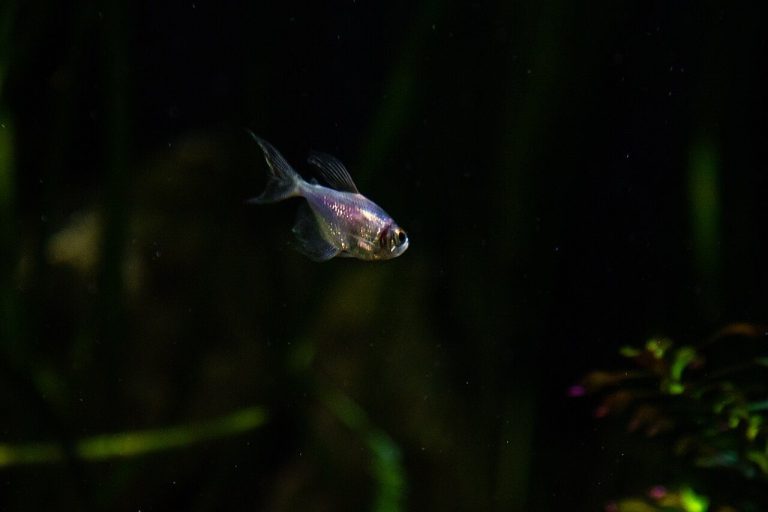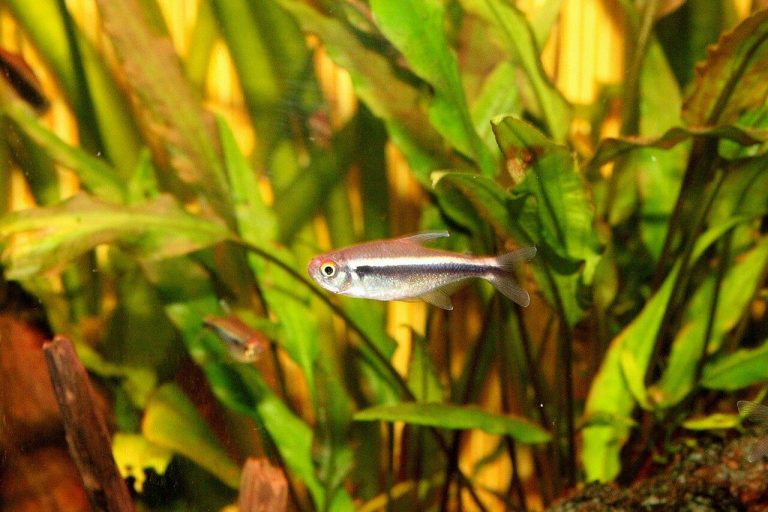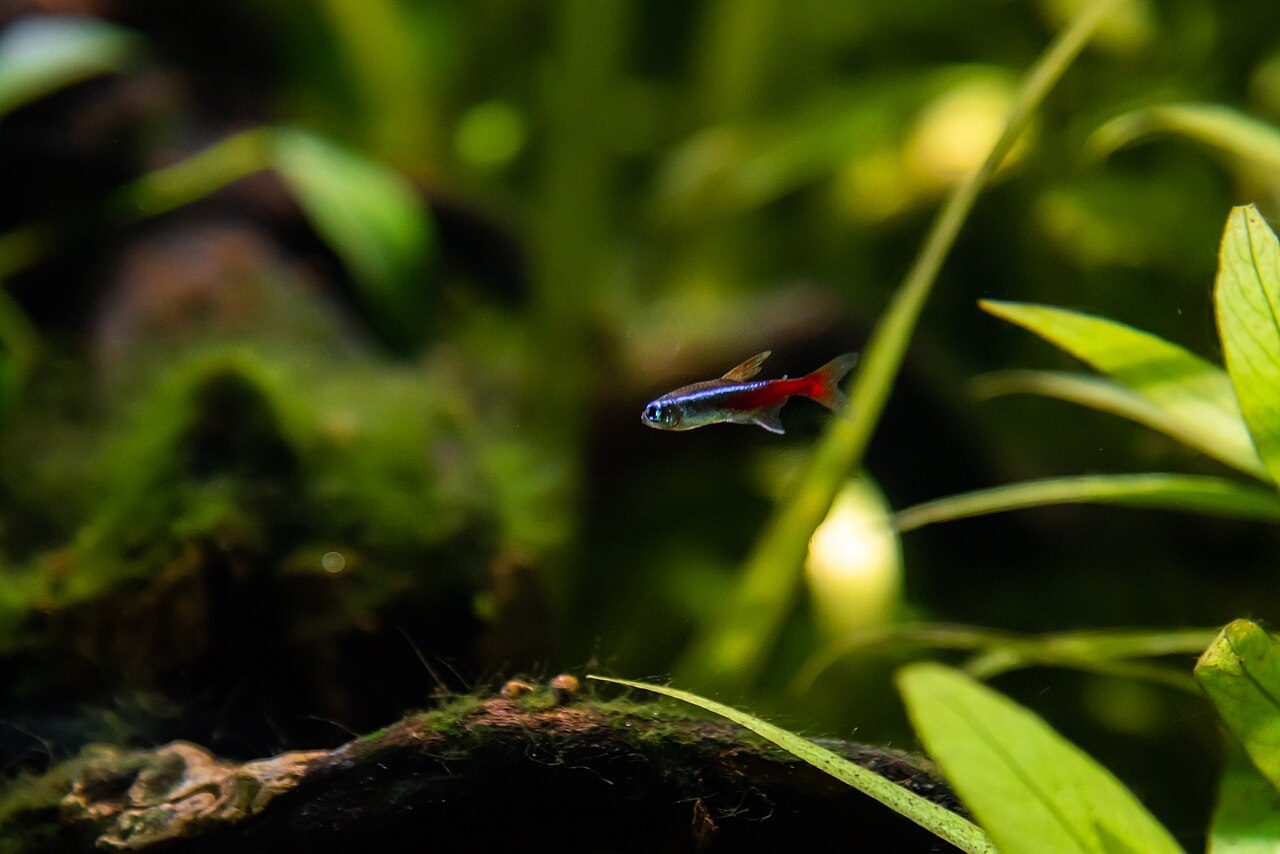
Guppy With Neon Tetra – Care Guide
Keeping a guppy with neon tetra is possible and popular because both are peaceful, colorful species. To succeed, you must maintain a stable pH of 7.0 and a temperature of 75°F to bridge their slightly different water preferences.
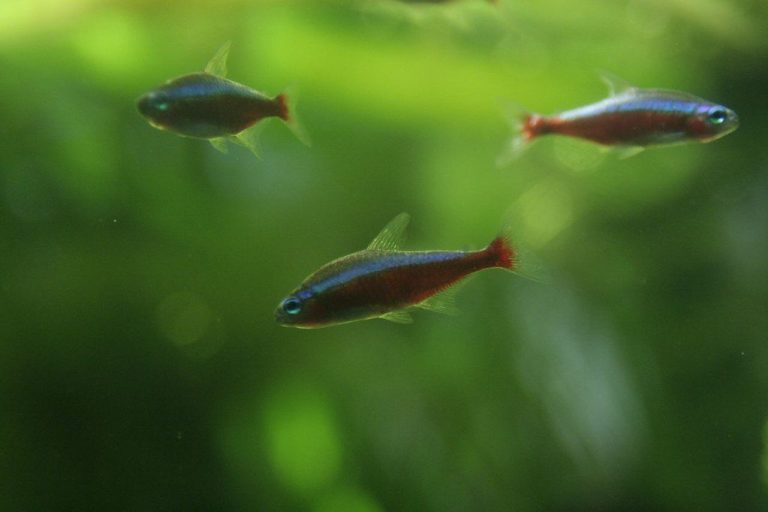
In my ten years of managing community aquariums, few combinations are as iconic as the guppy with neon tetra. The flash of a neon’s iridescent blue stripe paired with the flowing, multicolored tail of a fancy guppy creates a eye-catching visual display.
However, while they are often sold as “perfect tank mates,” there are nuances to their care that beginners often overlook. Success requires more than just dropping them into the same water; it requires understanding their physiological needs.
In this guide, I will share the exact strategies I use to keep these two species flourishing together. We will cover everything from osmoregulation and water chemistry to diet and disease prevention.
At a glance: Neon tetra (Paracheirodon innesi)
- Temperature
- 72–78°F (22–26°C)
- Water pH
- 6.0–7.0
- Adult size
- 1.5 in (4 cm)
- Minimum tank
- 10 gal (20 gal for a proper school)
- Group size
- Groups of 8+
- Temperament
- Peaceful
- Diet
- Omnivore: micro pellets, flakes, frozen daphnia
- Lifespan
- 5–8 years
Keeper’s tip: Add neons only to a fully cycled, stable tank; they are among the first fish to suffer from ammonia swings.
Understanding the guppy with neon tetra Dynamic
When you decide to house a guppy with neon tetra, you are essentially bringing two different worlds together. Guppies, or Poecilia reticulata, are hardy livebearers originally from the brackish and hard waters of the Caribbean and South America.
Neon tetras, known scientifically as Paracheirodon innesi, hail from the soft, acidic “blackwater” streams of the Amazon basin. Because they come from different environments, their bodies are adapted to handle minerals in the water very differently.
The key to a long-lived community is finding the “middle ground” where both species can maintain healthy osmoregulation. This is the process by which fish regulate the salt and water balance in their bodies.
Behavioral Compatibility
Both species are generally peaceful, making them excellent candidates for a community setup. Guppies are active, curious, and spend most of their time in the upper third of the water column.
Neon tetras are schooling fish that prefer the middle of the tank, where they feel secure among plants and driftwood. Because they occupy different levels of the aquarium, they rarely compete for physical space.
I have noticed that guppies can sometimes be overly “friendly” or energetic, which might startle the more timid neon tetras. Providing plenty of hiding spots makes sure the tetras have a retreat if the guppies become too boisterous.
Pro Tip: Always keep neon tetras in a group of at least 6 to 10. In my experience, a larger school reduces their stress levels and makes them less likely to hide when active guppies are swimming nearby.
The biggest challenge in keeping a guppy with neon tetra is managing the water chemistry. Guppies prefer “liquid rock”—water with high mineral content—while neons do well in softer water.
To keep both healthy, you must aim for a neutral pH and moderate hardness. Drastic shifts in these levels can lead to osmotic stress, which weakens the immune system of your fish.
| Parameter | Guppy Preference | Neon Tetra Preference | Community Sweet Spot |
|---|---|---|---|
| Temperature | 72°F – 82°F | 70°F – 78°F | 75°F – 76°F |
| pH Level | 7.0 – 8.5 | 6.0 – 7.0 | 6.8 – 7.2 |
| General Hardness (GH) | 8 – 12 dGH | 2 – 8 dGH | 6 – 8 dGH |
| Carbonate Hardness (KH) | 4 – 8 dKH | 1 – 4 dKH | 3 – 5 dKH |
Maintaining the specific water conditions required for both species involves regular testing. I recommend using a liquid test kit rather than strips for better accuracy.
Pay close attention to Alkalinity (KH), as it acts as a buffer to prevent pH crashes. A stable environment is far more important than a “perfect” number that fluctuates constantly.
Tank Size and Biological Load Management
When planning for a guppy with neon tetra tank, size matters significantly. While you might see 10-gallon tanks marketed for these fish, I strongly suggest a 20-gallon “long” aquarium.
A larger volume of water dilutes toxins like ammonia and nitrite more effectively. Furthermore, guppies are prolific breeders, and their biological load can increase rapidly as fry are born.
The 20-gallon long provides more horizontal swimming space, which is essential for the schooling behavior of neon tetras. It also allows you to create distinct “zones” with plants and decor.
Substrate and Filtration
I prefer using a dark sandy substrate or fine gravel for this combination. Darker colors make the neon tetras’ colors pop and help them feel more secure.
For filtration, a hang-on-back (HOB) filter or a sponge filter works well. Just help the intake isn’t so strong that it sucks in smaller guppies or fry.
If you are concerned about maintaining the correct temperature range, a reliable heater with a thermostat is mandatory. Neons are sensitive to cold snaps, which can lead to Ich outbreaks.
Feeding a Guppy with Neon Tetra Community
One of the easiest parts of keeping a guppy with neon tetra is their diet. Both species are omnivores and will accept a wide variety of prepared, frozen, and live foods.
Guppies are enthusiastic surface feeders. They will often rush to the top the moment they see you approaching the tank.
Neon tetras are a bit more cautious and prefer to catch food as it sinks through the water column. To ensure everyone gets their share, I use a “two-stage” feeding method.
The Best Foods for Growth and Color
I start by pinching a small amount of high-quality flake food at the surface for the guppies. While they are occupied, I release sinking micro-pellets or crushed flakes for the tetras below.
To keep their colors colorful, I supplement their diet with live or frozen treats. Baby brine shrimp, daphnia, and bloodworms are excellent choices that provide essential proteins.
| Food Type | Frequency | Benefits |
|---|---|---|
| High-Quality Flakes | Daily (Base diet) | Balanced nutrition and vitamins. |
| Frozen Brine Shrimp | 2-3 times per week | High protein for growth and vitality. |
| Freeze-Dried Bloodworms | Once per week | Conditioning for breeding and color. |
| Spirulina Flakes | Twice per week | Aids digestion and immune health. |
Avoid overfeeding, as uneaten food will quickly rot and spike the Total Dissolved Solids (TDS) in your water. Only feed what they can consume in under two minutes.
Health and Disease Prevention
When you mix a guppy with neon tetra, you must be vigilant about disease. Both species are susceptible to specific ailments that can spread quickly in a community tank.
Neon tetras are famously prone to Pleistophora hyphessobryconis, commonly known as Neon Tetra Disease. This is a parasitic condition that causes muscle wasting and loss of color.
Guppies, on the other hand, are often victims of Columnaris. This bacterial infection presents as white patches on the body or “saddleback” lesions.
Pro Tip: Never add new fish directly to your main display tank. I always use a quarantine tank for at least 21 days to observe for signs of illness. This simple step has saved my community tanks more times than I can count.
Maintenance Routine for Long-Term Success
To prevent these issues, I follow a strict maintenance schedule. I perform a 25% water change every week, being careful to match the temperature of the new water.
Using a water conditioner is non-negotiable to remove chlorine and chloramines. I also recommend checking your filter media once a month to make sure it isn’t clogged with debris.
Keeping the Nitrate levels below 20 ppm is the best way to make sure your fish remain healthy. High nitrates cause chronic stress, which is the leading cause of premature death in neon tetras.
Aquascaping for Both Species
Creating the right environment is vital for a guppy with neon tetra setup. You want to provide open swimming areas for the guppies and dense vegetation for the tetras.
Live plants are the best way to achieve this balance. They help absorb excess nutrients and provide natural cover.
I recommend starting with hardy plants like Java Fern, Anubias, and Amazon Swords. These plants can tolerate the middle-ground water parameters we established earlier.
Creating a Natural Habitat
I often use driftwood to create natural barriers and release a small amount of tannins. While neons love tannins, you shouldn’t overdo it, as guppies prefer slightly clearer water.
Floating plants like Water Lettuce or Frogbit are fantastic for this tank. They provide shade for the tetras and a playground for guppy fry.
The root systems of floating plants also act as a secondary biological filter. They are incredibly efficient at pulling ammonia directly from the water column.
Questions and answers
Will neon tetras eat guppy fry?
Yes, neon tetras are opportunistic feeders and will eat guppy fry if they can catch them. If you want the fry to survive, you must provide very dense plant cover or use a separate breeding tank.
Can I keep just one guppy with a school of neons?
You can, but guppies are social creatures. I’ve found they are much happier in groups of at least three (one male and two females).
What is the best ratio for guppies?
Always aim for a 1:2 ratio of males to females. Male guppies are persistent breeders, and having more females helps distribute the stress of their constant attention.
Do they need a bubbler?
While not strictly necessary if you have a good filter, an air stone or bubbler increases oxygenation. This is especially helpful during the summer when water temperatures might rise.
How long do they live together?
In a well-maintained tank, neon tetras can live for 5 to 8 years, while guppies typically live for 2 to 3 years. Their lifespans are largely dependent on water quality and diet.
Conclusion: Is This the Right Choice for You?
Keeping a guppy with neon tetra is a satisfying experience that brings life and color to any room. While they come from different natural habitats, they are adaptable enough to settle in together if you are a diligent keeper.
Stability is the foundation of a healthy aquarium. If you watch your GH, KH, and pH, and providing a varied diet, you can enjoy the best of both worlds.
I have spent years tweaking the parameters for my community tanks, and the joy of watching a healthy school of neons swim alongside rich guppies never gets old. If you are willing to put in the effort to maintain their environment, this classic pairing will not disappoint.
Start with a 20-gallon tank, choose healthy stock from a reputable source, and don’t skip the quarantine period. Your fish will thank you with active behavior and brilliant colors for years to come.

- 2003First tank
- 20+Years keeping
- 40+Tanks kept
- 0Sponsored picks
Howard set up his first 10-gallon planted tank in 2003 and lost half of it within six weeks. Two decades and more than forty aquariums later, he writes the guides he wished he had then: clear numbers, the reasons behind them, and what actually goes wrong in home tanks.