Neon Tetra Temperature – Care Guide
The ideal neon tetra temperature range is between 70°F and 81°F (21°C to 27°C). For right health, longevity, and bright colors, most experts recommend maintaining a stable temperature of 75°F (24°C).
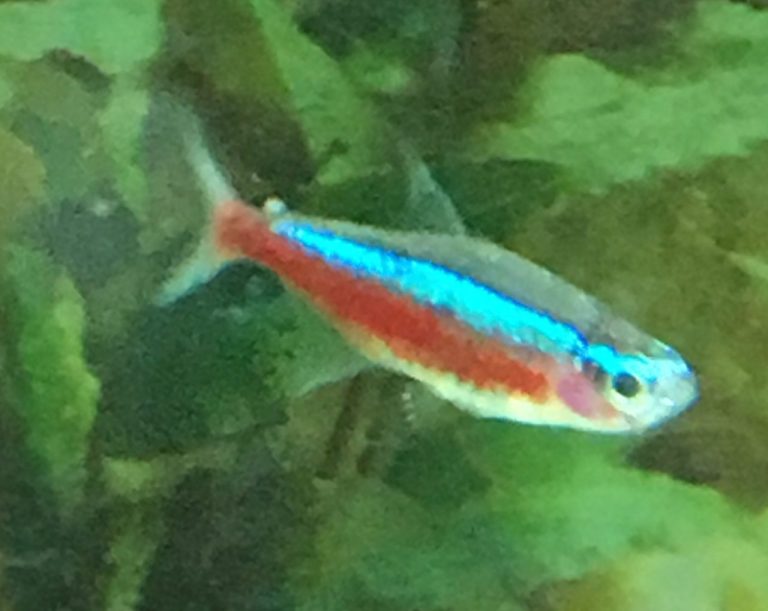
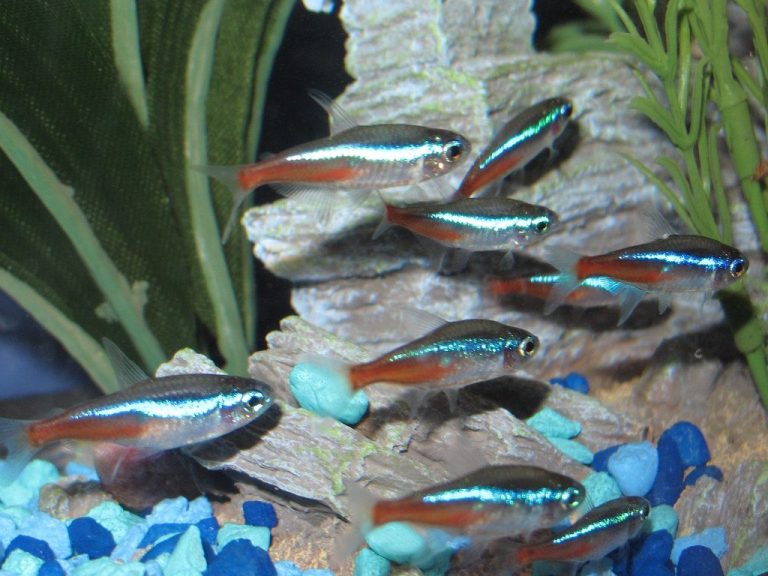
When you first bring home a shimmering school of Paracheirodon innesi, the excitement is palpable. These iconic fish are the crown jewels of the hobby, but their delicate nature requires a precise approach to water parameters.
In my experience, the single most important factor for success is maintaining a consistent neon tetra temperature. While they are relatively hardy once established, they do not handle rapid fluctuations or extreme ranges well.
Over the last decade, I have seen many beginners struggle with “new tank syndrome” or mysterious losses. Often, the culprit isn’t just water chemistry, but the invisible stress caused by improper thermal management.
At a glance: Neon tetra (Paracheirodon innesi)
- Temperature
- 72–78°F (22–26°C)
- Water pH
- 6.0–7.0
- Adult size
- 1.5 in (4 cm)
- Minimum tank
- 10 gal (20 gal for a proper school)
- Group size
- Groups of 8+
- Temperament
- Peaceful
- Diet
- Omnivore: micro pellets, flakes, frozen daphnia
- Lifespan
- 5–8 years
Keeper’s tip: Add neons only to a fully cycled, stable tank; they are among the first fish to suffer from ammonia swings.
Understanding the Natural Habitat of Neon Tetras
To provide the best care, we must look at where these fish originated. Neon tetras are native to the Amazon River basin, specifically the blackwater and clearwater streams of Brazil, Peru, and Colombia.
These waters are characterized by dense forest canopies that provide significant shade. This environment keeps the water relatively cool and stable compared to open tropical lakes.
The water in these regions is naturally soft and acidic. Because the forest floor is covered in leaf litter, the water is tea-colored and rich in tannins, which also influences how heat is distributed.
Seasonal Variations in the Wild
In the wild, the neon tetra temperature might dip slightly during the rainy season. However, these changes occur over weeks, not minutes, allowing the fish to adapt their metabolism.
In a home aquarium, the volume of water is much smaller than a river. This means that room drafts or direct sunlight can cause dangerous spikes or drops in a matter of hours.
Understanding this biological history helps us realize why stability is more important than hitting a “perfect” number. A stable 72°F is often better than a tank that swings between 75°F and 80°F every day.
Pro Tip: Always place your aquarium away from windows or air conditioning vents. Even a high-quality heater can struggle to compensate for a cold draft hitting the glass, leading to localized “cold spots” in the tank.
The Ideal Neon Tetra Temperature Range
While the broad range for these fish is 70°F to 81°F, there is a “sweet spot” where they stay healthy. Keeping your tank within this specific bracket makes sure they remain active and colorful.
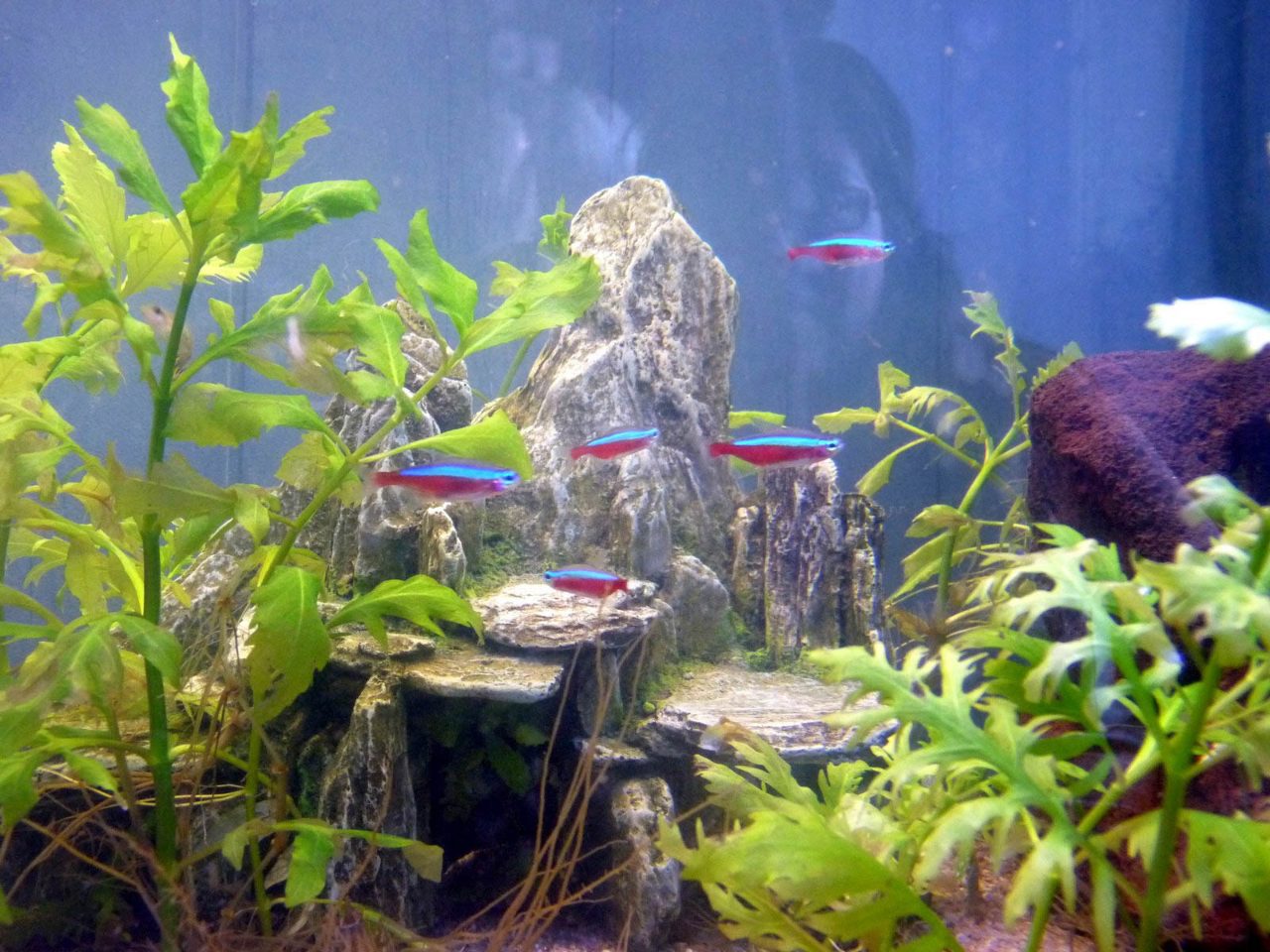
When the neon tetra temperature is kept near 75°F, you will notice their blue and red stripes appearing much more vivid. This is because their physiological systems are operating at peak efficiency.
If you are keeping them in a community aquarium, you must help the other inhabitants share this preference. Many other tropical fish prefer the higher end of the spectrum, which can sometimes stress the neons.
| Parameter Type | Recommended Value | Acceptable Range |
|---|---|---|
| Right Temperature | 75°F (24°C) | 70°F – 81°F |
| pH Level | 6.5 | 6.0 – 7.0 |
| Water Hardness | 4 dGH | 2 – 10 dGH |
| Ammonia / Nitrite | 0 ppm | 0 ppm (Strict) |
Why the “Sweet Spot” Matters
At the lower end of the range (70°F), the metabolic rate of your fish will slow down. They may become less active and eat less, which can be fine for short periods but isn’t ideal for long-term vitality.
Conversely, at the higher end (81°F+), their metabolism speeds up significantly. This means they require more food, produce more waste, and typically have a shorter overall lifespan.
I have found that keeping a vivid neon tetra at a moderate temperature strikes the perfect balance. It supports a healthy immune system without “burning out” the fish prematurely.
Equipment Needed for Temperature Management
To maintain a consistent environment, you cannot rely on ambient room temperature alone. Most homes fluctuate too much between day and night to keep a tropical fish safe.
The first piece of essential gear is a high-quality submersible heater. I always recommend choosing a heater with an adjustable thermostat rather than a “preset” model.
Preset heaters often aim for 78°F, which might be slightly higher than what your specific setup needs. An adjustable model gives you the control to dial in exactly 75°F.
Monitoring with Precision
You should never trust the dial on the heater itself, as these are often calibrated poorly. Instead, use a reliable digital thermometer to verify the actual water temperature.
I prefer digital versions with a probe that sits inside the tank. This allows you to check the temperature at a glance without having to squint at a glass tube.
In larger tanks, it is wise to place the thermometer on the opposite side of the heater. This makes sure that the heat is being distributed evenly by your filter’s flow.
The Role of Water Flow
Your filtration system plays a quiet but vital role in temperature management. Without proper circulation, you can end up with “thermal layers” where the top of the tank is warm and the bottom is cold.
A good filter helps make sure that the warmed water from the heater is pushed throughout the entire volume. This prevents your fish from experiencing thermal shock as they swim from one side of the tank to the other.
If you notice your neons huddling near the heater, it is a sign that the rest of the tank is too cold. This usually indicates that your heater is undersized or your circulation is poor.
Temperature and Dissolved Oxygen Solubility
One of the most overlooked aspects of neon tetra temperature is its relationship with oxygen. As water gets warmer, its ability to hold oxygen decreases.
This scientific principle is known as dissolved oxygen solubility. In a tank that is too warm, your fish may start “gasping” at the surface, even if your filter is running perfectly.
Neon tetras come from highly oxygenated streams. If you choose to keep your tank at the higher end of their range (80°F+), you MUST increase surface agitation.
Balancing Heat and Aeration
Using an air stone or adjusting your filter outlet to create ripples on the surface helps with gas exchange. This ensures that even in warmer water, there is enough O2 for your school to breathe comfortably.
I have noticed that during summer heatwaves, many hobbyists lose fish not because of the heat itself, but because of the resulting oxygen depletion. Keeping an eye on your digital thermometer during July and August is critical.
If the temperature rises above 82°F, I recommend performing small, frequent water changes with slightly cooler water. This adds oxygen and brings the temperature down safely.
Pro Tip: If your tank overheats during a power outage or heatwave, do not drop ice cubes directly into the water. Instead, float a sealed plastic bottle of cold water in the tank to lower the temperature gradually.
Common Diseases Linked to Temperature Stress
When the neon tetra temperature is incorrect or unstable, it suppresses the fish’s immune system. This makes them vulnerable to pathogens that are always present in aquarium water.
The most common issue is Ichthyophthirius multifiliis, commonly known as Ich or white spot disease. These parasites flourish when fish are stressed by cold temperatures or sudden drops.
On the other hand, certain bacterial infections become more aggressive in warmer water. One such threat is Flavobacterium columnare, which causes Columnaris or “mouth fungus.”
Temperature Management During Illness
If your fish do get sick, adjusting the temperature is often part of the treatment protocol. However, you must know which disease you are fighting before turning the heater up or down.
| Disease | Temperature Strategy | Reasoning |
|---|---|---|
| Ich (White Spot) | Increase to 82°F – 85°F | Speeds up parasite lifecycle to kill it faster. |
| Columnaris | Decrease to 72°F – 74°F | Bacterial growth slows down in cooler water. |
| Fungal Infections | Maintain stable 75°F | Reduces stress to allow immune system recovery. |
The Importance of the Nitrogen Cycle
Temperature also affects the nitrifying bacteria in your filter. These beneficial microbes are responsible for processing toxic ammonia into nitrate.
These bacteria are most active between 75°F and 85°F. If your tank drops below 65°F, their activity slows down significantly, which can lead to a dangerous ammonia spike.
This is why maintaining a steady neon tetra temperature is not just about the fish, but about the entire biological ecosystem of the aquarium. A stable climate keeps your “invisible helpers” working efficiently.
Breeding and Temperature Adjustments
If you are interested in learning how to breed tetra fish, temperature will be one of your primary tools. Spawning is often triggered by environmental cues.
In the wild, neons spawn when the rains bring cooler, softer water. To mimic this, many breeders will keep the fish at 77°F for a week and then perform a large water change with water that is 2-3 degrees cooler.
This slight drop, combined with low lighting and very soft water, signals to the fish that the “rainy season” has arrived. It encourages the females to release their eggs.
Caring for Fry
Once the eggs hatch, the neon tetra temperature for the fry should be kept very stable at around 76°F. Fry are even more sensitive to fluctuations than adults.
Their metabolic rate needs to be high enough to support rapid growth but not so high that they burn through their energy reserves too quickly. Constant monitoring with a digital thermometer is non-negotiable at this stage.
Most successful breeders use small sponge filters in fry tanks to ensure high oxygen levels and gentle flow, which helps maintain an even temperature without buffeting the tiny fish.
Common questions
Can neon tetras live in unheated tanks?
In most homes, no. Unless your room stays a constant 72°F-78°F year-round, you need a heater. Nighttime drops in room temperature can easily stress or kill tropical fish.
Is 82 degrees too hot for neon tetras?
While they can survive at 82°F, it is at the very top of their limit. Long-term exposure to this heat will shorten their lifespan and likely cause oxygen stress.
How do I lower my tank temperature in the summer?
You can use aquarium cooling fans that blow across the surface of the water. This uses evaporative cooling to drop the temperature by 2-4 degrees effectively.
Can neon tetras live with goldfish?
No, primarily because of temperature. Goldfish are cold-water fish that prefer temps below 70°F, while neons are tropical. Additionally, goldfish will eventually grow large enough to eat the tetras.
Why are my neon tetras losing their color at night?
This is actually normal! Neons “turn off” their colors when they sleep to hide from predators. However, if they stay pale during the day, check your neon tetra temperature immediately, as it may be too low.
A last word
Mastering the neon tetra temperature is a fundamental skill that separates the successful aquarist from the frustrated beginner. By aiming for a stable 75°F and using the right tools to monitor it, you provide your fish with the foundation they need to do well.
Remember that these fish are more than just decorations; they are living creatures that rely entirely on you to recreate their Amazonian home. A small investment in a quality heater and thermometer pays off in years of colorful, active displays.
Keep your water clean, your temperature steady, and your school will reward you with the eye-catching shimmer that has made the neon tetra a favorite for generations.

- 2003First tank
- 20+Years keeping
- 40+Tanks kept
- 0Sponsored picks
Howard set up his first 10-gallon planted tank in 2003 and lost half of it within six weeks. Two decades and more than forty aquariums later, he writes the guides he wished he had then: clear numbers, the reasons behind them, and what actually goes wrong in home tanks.