Tetra Community Tank – Setup Checklist
A tetra community tank is a peaceful aquarium featuring groups of schooling Characins that share similar water requirements. Success requires maintaining soft, acidic water, providing ample swimming space, and ensuring groups of at least six per species.
Starting a tetra community tank is often the moment a casual hobbyist transforms into a dedicated aquarist. There is something deeply hypnotic about watching a shimmering school of fish move in perfect synchrony across a leafy, planted landscape.
In my decade of maintaining various South American and African setups, I have found that tetras offer the best balance of color, activity, and manageable care. However, creating a well-kept environment is more than just “plug and play.”
It requires an understanding of their natural habitats, from the shaded blackwater streams of the Amazon to the clear-water tributaries. This guide will walk you through every step of establishing a successful community that remains healthy for years.
At a glance: Tetras (general) (Family Characidae and relatives)
- Temperature
- 72–80°F (22–27°C) for most species
- Water pH
- 6.0–7.5 for most species
- Adult size
- 1–3 in (2.5–8 cm)
- Minimum tank
- 10–30 gal depending on species
- Group size
- Groups of 6–10+
- Temperament
- Mostly peaceful schooling fish
- Diet
- Omnivores: quality flakes or micro pellets plus frozen foods
- Lifespan
- 3–8 years
Keeper’s tip: Schooling size matters more than tank size for most tetras: small groups hide, nip and stress.
Understanding the Tetra Community Tank Foundation
The foundation of a great community starts with understanding the fish themselves. Most tetras belong to the Characidae family and are native to the tropical waters of South America and Africa.
These fish are biologically hardwired for schooling behavior. In the wild, staying in a tight group is a survival mechanism against predators, but in your home aquarium, it is essential for their psychological well-being.
When tetras are kept in groups of fewer than six, they often become stressed, lose their vivid colors, and may even become aggressive toward tank mates. A larger group creates a sense of security that allows their true personalities to shine.
Pro Tip: Always aim for “strength in numbers.” If you have the space, keeping 10 to 12 individuals of a single species looks much more impressive than having 3 or 4 individuals of three different species.
The Importance of Water Chemistry
Most tetras naturally inhabit soft acidic water. This environment is often rich in humic substances released by decaying organic matter like leaves and driftwood.
While many captive-bred tetras are adaptable, providing parameters close to their natural habitat will result in better health and more intense coloration. If you are struggling with high pH, utilizing peat filtration can be a natural way to gently lower hardness and acidity.
| Parameter | Ideal Range | Notes |
|---|---|---|
| Temperature | 74°F – 82°F (23°C – 28°C) | Stability is more important than the exact number. |
| pH Level | 6.0 – 7.0 | Avoid sudden fluctuations in pH. |
| Water Hardness | 2 – 10 dGH | Softer water is preferred for breeding and color. |
| Ammonia / Nitrite | 0 ppm | Tetras are sensitive to nitrogenous waste. |
Planning Your Tank Size and Equipment
One of the most common mistakes I see beginners make is choosing a tank that is too small for a tetra community tank. While a single neon tetra is small, a school needs room to swim horizontally.
A 20-gallon “long” tank is generally considered the “gold standard” starting point for a community. The extra length provides a much better swimming corridor than a standard tall tank of the same volume.
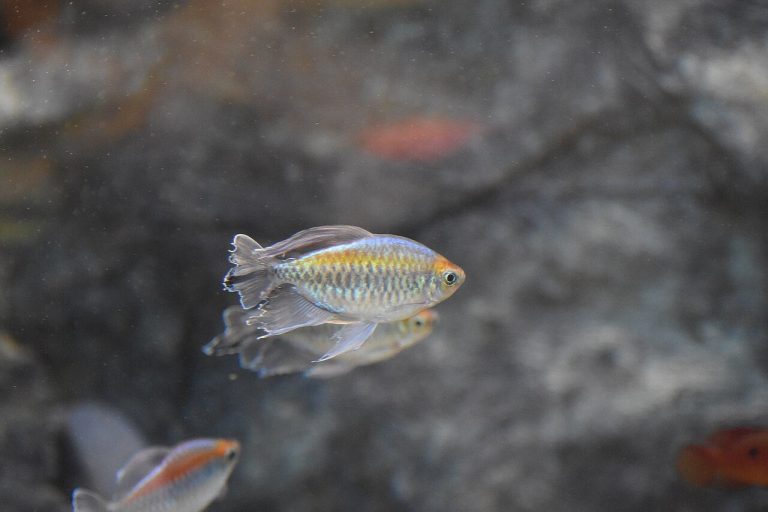
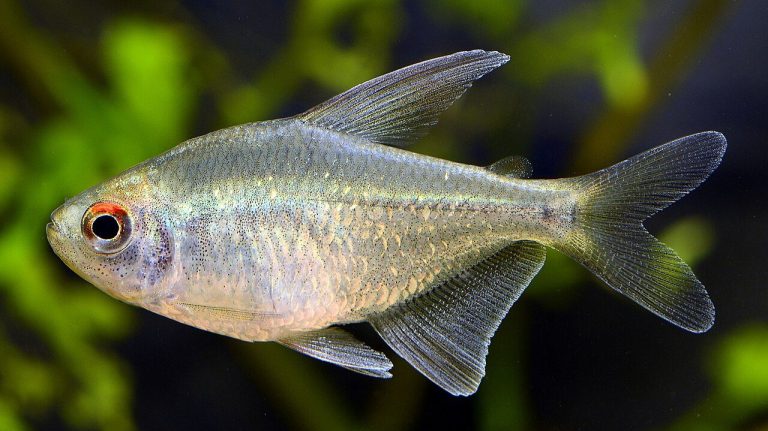
For those looking to keep larger species like the Congo Tetra or Diamond Tetra, you will need to scale up significantly. Larger volumes also provide a buffer against water quality shifts, which is vital for sensitive species.
Filtration and Flow
Tetras generally prefer a gentle to moderate current. In my experience, a high-quality hang-on-back (HOB) filter or a sponge filter works wonders for smaller tanks.
If you are running a larger setup, a canister filter with adjustable flow is ideal. You want to make sure the water is turned over 4 to 5 times per hour without creating a “whirlpool” effect that exhausts the fish.
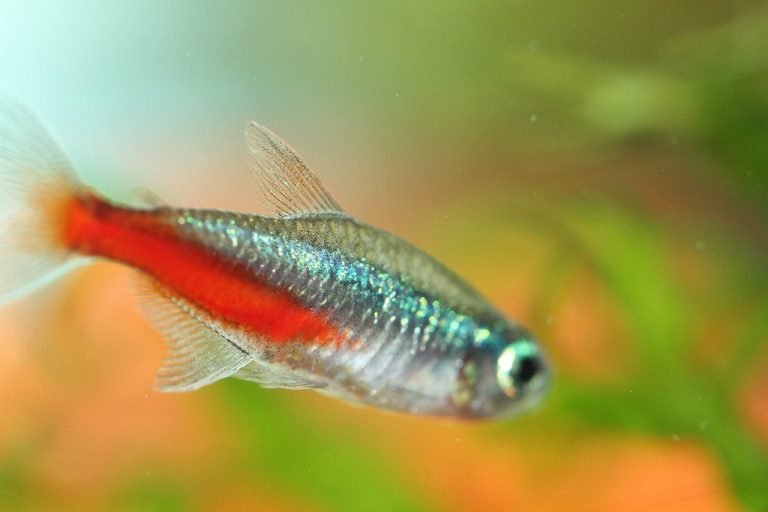
Using proper neon tetra care techniques involves making sure that your intake is covered if you have very small fry or shrimp in the mix. This prevents accidental injuries in the powerful suction.
Lighting and Aquascaping
Tetras look their best under subdued lighting. In bright environments, they tend to feel exposed and will hide among the plants or hardscape.
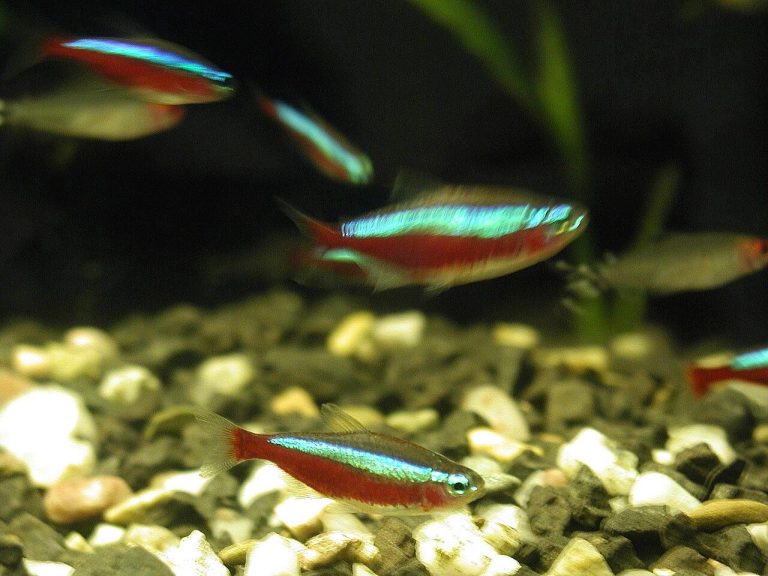
To replicate a blackwater biotope, I often use floating plants like Amazon Frogbit or Salvinia to create dappled shade. This makes the fish feel secure and also brings out the iridescent scales of species like the Cardinal Tetra (Paracheirodon axelrodi).
Adding driftwood and dried Indian Almond leaves introduces those beneficial tannins. This creates a tea-colored tint in the water that mimics the natural streams of the Amazon Basin.
Selecting the Best Species for Your Tetra Community Tank
Not all tetras are created equal when it comes to temperament. Some are peaceful “dither fish,” while others can be surprisingly “nippy” if not kept in the right conditions.
When I first started, I made the mistake of mixing slow-moving long-finned fish with Serpae Tetras (Hyphessobrycon eques). I quickly learned that Serpaes can be quite feisty and require a very large school to keep their aggression contained within their own group.
Choosing compatible species is the secret to a peaceful aquarium. You want to mix fish that occupy different levels of the water column to ensure the tank looks full and active.
| Tetra Species | Scientific Name | Temperament | Min Tank Size |
|---|---|---|---|
| Cardinal Tetra | Paracheirodon axelrodi | Peaceful | 20 Gallons |
| Rummy Nose Tetra | Hemigrammus rhodostomus | Peaceful / Active | 20 Gallons |
| Ember Tetra | Hyphessobrycon amandae | Very Peaceful | 10 Gallons |
| Serpae Tetra | Hyphessobrycon eques | Semi-Aggressive | 30 Gallons |
The “Canary in the Coal Mine”: Rummy Nose Tetras
The Rummy Nose Tetra (Hemigrammus rhodostomus) is one of my favorite additions to any tetra community tank. They are arguably the best schoolers in the hobby, moving as a single unit.
They also serve as an excellent biological indicator. Their bright red “noses” will fade to a pale pink if the water quality drops or if the fish are stressed.
If you wake up and notice your Rummy Noses look pale, it is usually an immediate sign that it is time for a water change or to check your ammonia levels. This “early warning system” has saved many of my tanks over the years.
Ideal Tank Mates and Invertebrates
A community tank doesn’t have to be limited to just tetras. You can create a diverse ecosystem by adding “clean-up crew” members and other compatible tropical fish.
Corydoras catfish are the perfect bottom-dwelling companions. They are entirely peaceful and will spend their days sifting through the substrate for leftover food that the tetras might have missed.
If you are interested in keeping invertebrates, you must choose your tetras carefully. While larger tetras might snack on baby shrimp, smaller species like the Ember Tetra are generally shrimp-safe and make excellent companions for Neocaridina colonies.
The Role of Dither Fish
In larger setups with somewhat shy “centerpiece” fish (like Dwarf Cichlids or Honey Gouramis), tetras act as excellent dither fish. Their constant, calm movement signals to the shy fish that no predators are nearby.
This encourages the more reclusive species to spend more time in the open. It creates a much more dynamic and interesting aquarium to observe throughout the day.
Pro Tip: Avoid mixing tetras with large, aggressive fish like Oscars or Jack Dempseys. To a large cichlid, even a full-grown tetra is nothing more than a quick, expensive snack.
Diet and Nutrition for Rich Colors
To maintain the intense reds, blues, and silvers of your tetras, a varied diet is non-negotiable. While high-quality flakes are a good staple, they shouldn’t be the only thing on the menu.
I’ve noticed that my fish show much better growth and spawning vigor when I incorporate frozen or live foods twice a week. Baby brine shrimp, daphnia, and bloodworms are all excellent choices.
Using the best food for tetras makes sure they receive the necessary carotenoids to maintain their brilliance. Tetras have very small mouths, so make sure any pellet or flake food is crushed to an appropriate size.
Maintenance and Disease Prevention
The most dreaded issue in a tetra community tank is Neon Tetra Disease, caused by the parasite Pleistophora hyphessobryconis. This condition is often incurable once it takes hold, making prevention the only real strategy.
The best way to prevent disease is to quarantine all new arrivals for at least two to four weeks. I have seen entire established communities wiped out by a single unquarantined fish carrying a hidden infection.
Regular maintenance is also key. I recommend a 25% weekly water change using a gravel vacuum to remove waste from the substrate. This keeps the nitrate levels low and the immune systems of your fish strong.
Monitoring for Stress
Tetras are sensitive to sudden changes. Watch for signs of stress, such as:
- Gasping at the surface (lack of oxygen).
- Clamped fins (irritation or disease).
- Erratic swimming.
- Loss of color.
If you notice these signs, check your water parameters immediately. Often, a simple water change and a check of your heater’s calibration can resolve the issue before it becomes fatal.
Still wondering?
How many tetras can I put in a 20-gallon tank?
In a 20-gallon long tank, you can comfortably keep about 12 to 15 small tetras (like Neons or Embers). If you add other fish like Corydoras, you should reduce the number of tetras to around 10 to help the bioload remains manageable.
Can tetras live with Bettas?
Yes, many peaceful tetras can live with Bettas, provided the tank is at least 15-20 gallons. However, avoid “nippy” species like Buenos Aires or Serpae Tetras, as they will shred the Betta’s long fins.
Do I need an air stone for my tetra tank?
While not strictly necessary if your filter provides enough surface agitation, an air stone can help during hot summer months. Warmer water holds less oxygen, and tetras are sensitive to low oxygen levels.
Why are my tetras fighting each other?
This usually happens if the school is too small. In small groups, a dominant fish may “bully” the others. Increasing the school size to 8 or more usually spreads this aggression out and keeps the peace.
How long do tetras typically live?
Looked after properly in a stable tetra community tank, most species live between 3 to 5 years. Some larger species, like the Congo Tetra, can live up to 7 or 8 years under ideal conditions.
Wrapping up
Building a tetra community tank is a satisfying journey that brings a slice of the tropical wild into your home. If you focus on the core needs of these fish—schooling numbers, soft water, and a stress-free environment—you can create an aquatic showpiece.
Patience is your best tool. Allow your tank to cycle fully before adding fish, and always introduce new species slowly. This measured approach helps make sure that your biological filter can keep up and your fish remain healthy.
Whether you choose the classic glow of Neon Tetras or the sophisticated shimmer of Diamond Tetras, a well-planned community tank will provide years of beauty and relaxation.

- 2003First tank
- 20+Years keeping
- 40+Tanks kept
- 0Sponsored picks
Howard set up his first 10-gallon planted tank in 2003 and lost half of it within six weeks. Two decades and more than forty aquariums later, he writes the guides he wished he had then: clear numbers, the reasons behind them, and what actually goes wrong in home tanks.