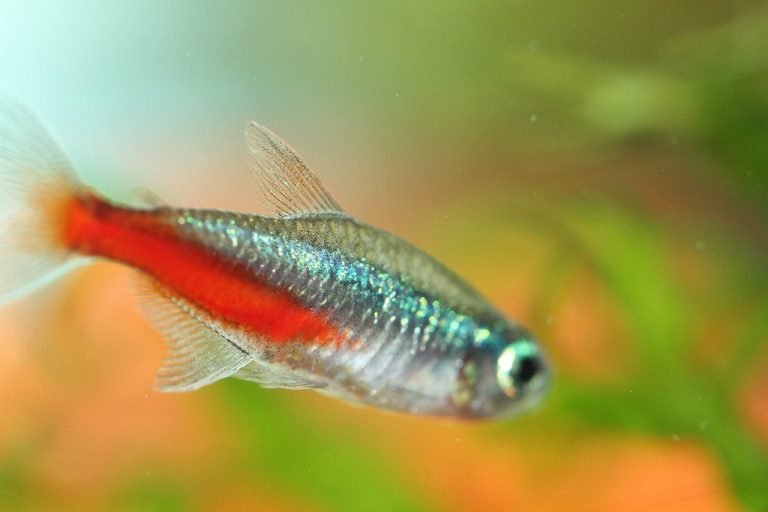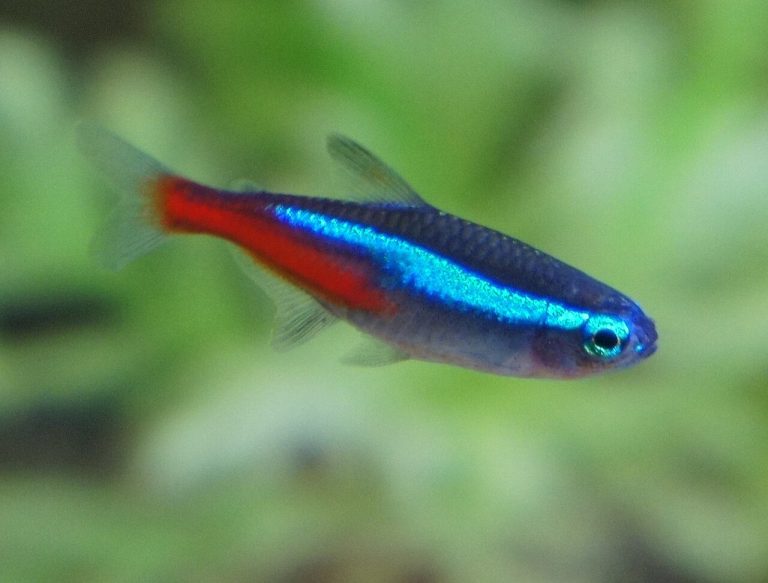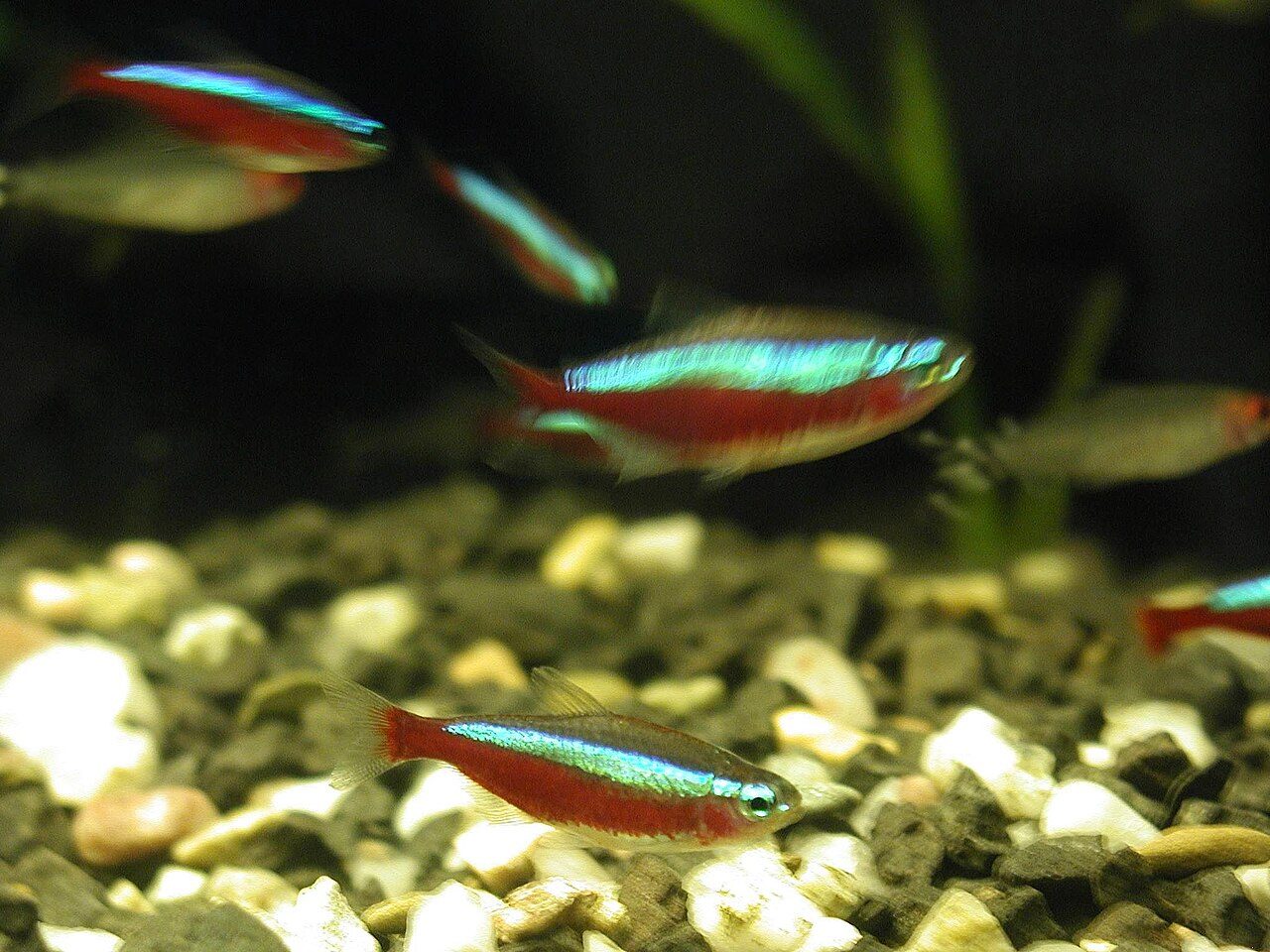
Are Neon Tetras Hardy? The Truth About Keeping These Vibrant
Neon tetras are moderately hardy but extremely sensitive to water fluctuations and poor quality. While they can stay healthy for years in established, stable tanks, they often struggle in new setups or with improper acclimation.
One of the most frequent questions I hear from new hobbyists is, “are neon tetras hardy?” It is a valid concern because these iconic fish are often the first choice for anyone starting their journey into aquascaping.
In my experience over the last decade, I have seen these fish settle in in beautiful colonies and, unfortunately, perish within days of being brought home. The answer to their hardiness isn’t a simple yes or no, as it depends heavily on their environment and where they were sourced.
To understand if they are right for you, we need to look at the biology of Paracheirodon innesi and how modern breeding has affected their resilience. Let’s go through what makes these fish tick and how you can help they live a long, healthy life in your home.
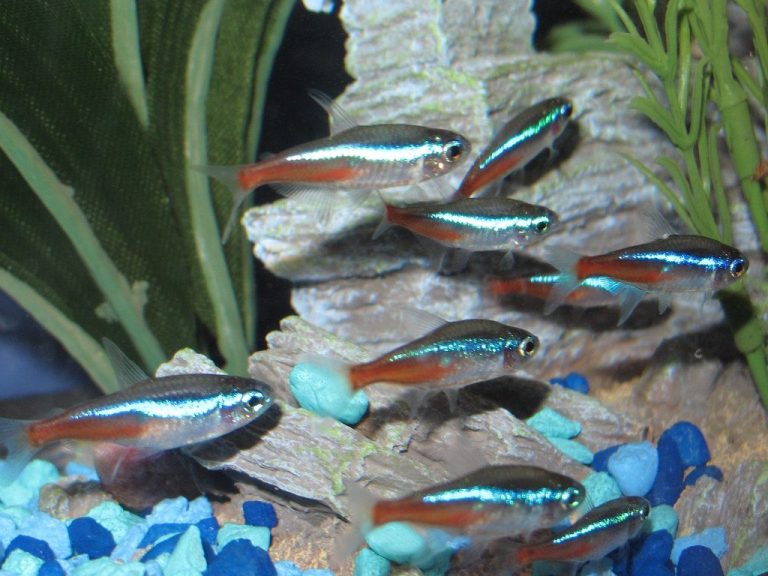
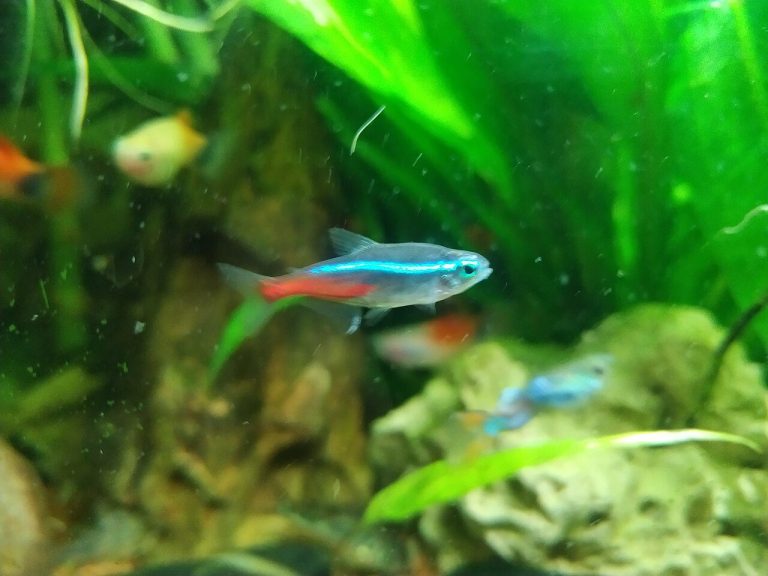
At a glance: Neon tetra (Paracheirodon innesi)
- Temperature
- 72–78°F (22–26°C)
- Water pH
- 6.0–7.0
- Adult size
- 1.5 in (4 cm)
- Minimum tank
- 10 gal (20 gal for a proper school)
- Group size
- Groups of 8+
- Temperament
- Peaceful
- Diet
- Omnivore: micro pellets, flakes, frozen daphnia
- Lifespan
- 5–8 years
Keeper’s tip: Add neons only to a fully cycled, stable tank; they are among the first fish to suffer from ammonia swings.
Are Neon Tetras Hardy? Understanding the Modern Challenge
Decades ago, neon tetras were considered incredibly tough fish that could survive almost any beginner mistake. However, as their popularity exploded, massive commercial breeding operations began producing them by the millions to meet global demand.
This mass production has led to a genetic bottleneck, where many fish available in local pet stores are more fragile than their wild-caught ancestors. While they are still capable of being hardy, they no longer have the “bulletproof” reputation they once held in the 1970s.
When people ask are neon tetras hardy today, I tell them they are “environmentally sensitive.” They are hardy only if their specific needs for stability are met from day one.
Pro Tip: Always ask your local fish store how long they have had their current batch of neons. If the fish have already survived a week in the store’s tanks, they are much more likely to be hardy enough for your home aquarium.
Wild-Caught vs. Tank-Bred Resilience
Wild-caught specimens often come from blackwater environments rich in humic substances and very low mineral content. These fish are physically strong but can be shocked by the high pH levels found in many suburban tap water sources.
Captive-bred neons are more accustomed to standard tap water parameters but often suffer from weaker immune systems. This trade-off is why some keepers find them impossible to keep, while others find them incredibly easy to maintain in a bright neon tetra display.
Ideal Water Parameters for Long-Term Success
Stability is the single most important factor when determining if your tetras will act hardy. They do not react well to sudden swings in temperature or pH, which can lead to osmotic shock.
To help you visualize the ideal environment, I have outlined the necessary parameters in the table below. Making sure your tank within these ranges will significantly improve the “hardiness” of your school.
| Parameter | Ideal Range | Acceptable Range |
|---|---|---|
| Temperature | 72°F – 76°F (22°C – 24°C) | 70°F – 81°F |
| pH Level | 6.0 – 7.0 | 5.5 – 7.5 |
| Ammonia / Nitrite | 0 ppm | 0 ppm (Strict) |
| Nitrates | < 10 ppm | < 20 ppm |
| Water Hardness (GH) | 2 – 10 dGH | 1 – 15 dGH |
The Importance of the Nitrogen Cycle
You should never add neon tetras to a tank that has not fully completed the nitrogen cycle. Because they are sensitive to even trace amounts of ammonia, a “new tank syndrome” spike will almost certainly be fatal for them.
I recommend letting a new tank run for at least 4 to 6 weeks with a source of ammonia to build up beneficial bacteria before introducing your first school. This patience is what separates successful keepers from those who think neons aren’t hardy.
Acclimation and Early Care Strategies
The first 48 hours in a new tank are the most dangerous for these fish. Most “unexplained” deaths occur because the fish were not properly acclimated to the Total Dissolved Solids (TDS) in the new water.
Standard “float and plop” methods often fail with neons. Instead, I highly recommend using drip acclimation to slowly introduce your tank water to the transport bag over the course of an hour.
Pro Tip: When drip acclimating, aim for about 2-3 drops per second. This slow change prevents the fish’s internal organs from struggling with a sudden change in water pressure and chemistry.
Preventing Osmotic Shock
If the water in the fish store is very soft and your home water is very hard, the fish can experience a lethal shock. By slowing down the transition, you allow the fish’s cells to adjust their internal mineral balance without bursting or shriveling.
Using a properly sized aquarium with plenty of live plants can also help buffer the water and provide a sense of security. You can find more details on setting up a properly sized aquarium to ensure your parameters remain stable.
Common Health Issues and the Dreaded “Neon Tetra Disease”
One reason people doubt are neon tetras hardy is the prevalence of specific diseases. The most famous is Neon Tetra Disease, caused by the microsporidian parasite Plistophora hyphessobryconis.
This disease is currently incurable and can wipe out an entire school quickly. It is often introduced through infected food or by adding a sick fish to the group without a quarantine period.
Identifying Illness Early
Symptoms of Plistophora hyphessobryconis include loss of color, cysts on the body, and difficulty swimming. It is important to distinguish this from Columnaris, a bacterial infection that often looks like white fuzzy patches.
While Columnaris can be treated with antibiotics, true Neon Tetra Disease cannot. This is why buying from a reputable source is non-negotiable if you want a hardy school of fish.
Stress is a major factor that reduces the hardiness of any fish. Neon tetras are a schooling species and must be kept in groups of at least 6 to 10 individuals to feel safe.
If they are kept in too small a group, they will become stressed, leading to a suppressed immune system. Choosing the right tank mates is also vital for maintaining a low-stress environment.
Safe and Peaceful Neighbors
Avoid large or aggressive fish that might view your tetras as a snack. Even if they aren’t eaten, being chased will eventually kill a neon tetra through sheer exhaustion and stress.
For the best results, look at a compatibility with other species guide to make sure your community remains peaceful. Small rasboras, Corydoras, and dwarf gouramis are usually excellent choices.
The Role of Diet in Building Hardiness
A hardy fish is a well-fed fish. In the wild, Paracheirodon innesi eats a variety of small insects, larvae, and plant matter. Providing a diverse diet is essential for their immune health.
I recommend a high-quality flake or micro-pellet as a staple, but you should supplement this with frozen or live foods. Brine shrimp, daphnia, and bloodworms provide the protein and fats needed for colorful colors and strong growth.
Feeding Habits to Watch For
Neons have very small mouths, so make sure the food you provide is sized correctly. If the food is too large, they may ignore it, leading to malnutrition. I’ve noticed that feeding small amounts twice a day is better than one large feeding, as it keeps their metabolism steady.
Frequently asked questions
Are neon tetras hardy enough for a 5-gallon tank? In my experience, no. A 5-gallon tank is too small to maintain the stable water parameters neon tetras require. A 10-gallon or 20-gallon tank is much better for making sure they stay healthy and hardy.
Why do my neon tetras keep dying? The most common reasons are an uncycled tank, sudden pH swings, or purchasing fish that were already weakened by poor breeding. Ensure your ammonia and nitrites are at zero and use drip acclimation.
Can neon tetras live with goldfish? No. Goldfish prefer cooler water and grow large enough to eat neon tetras. Furthermore, goldfish produce a high amount of waste, which can lead to the nitrate spikes that tetras are sensitive to.
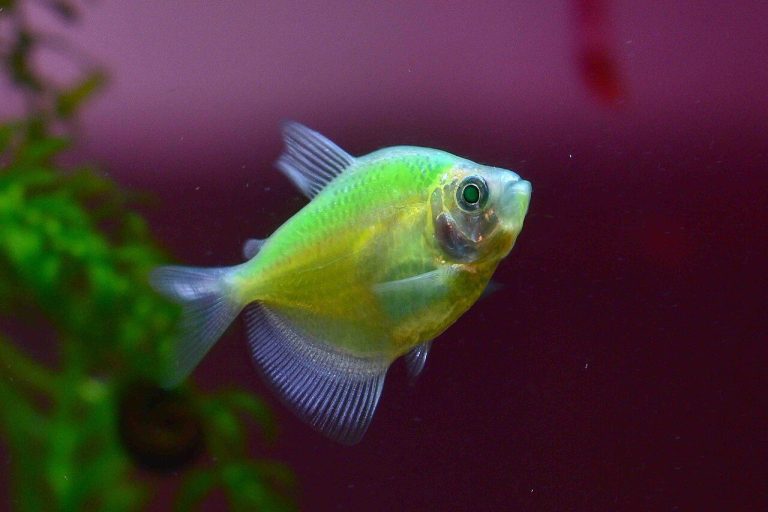
Is there a hardier alternative to the neon tetra? Yes, the Cardinal Tetra (Paracheirodon axelrodi) is often considered slightly more sturdy once settled, though they are also sensitive to initial water changes. Black neon tetras are also known for being significantly hardier than standard neons.
My final take
So, are neon tetras hardy? The most accurate answer is that they are hardy under the right conditions. They are not the “set it and forget it” fish that some marketing might suggest, but they are certainly manageable for anyone willing to put in the effort.
If you focus on a fully cycled tank, stable water parameters, and a stress-free environment, you can enjoy these shimmering gems for 5 to 8 years. The key is to treat them with the respect their sensitivity deserves rather than testing the limits of their endurance.
If you are just starting out, take your time, quarantine your new arrivals, and prioritize water quality above all else. With these steps, your neon tetras will be as hardy as any other fish in your collection.

- 2003First tank
- 20+Years keeping
- 40+Tanks kept
- 0Sponsored picks
Howard set up his first 10-gallon planted tank in 2003 and lost half of it within six weeks. Two decades and more than forty aquariums later, he writes the guides he wished he had then: clear numbers, the reasons behind them, and what actually goes wrong in home tanks.