Tetra Fish Tanks – Care Guide
Tetra fish tanks require stable, soft, and slightly acidic water with a minimum size of 10 to 20 gallons. Success depends on maintaining schools of at least six fish and providing plenty of live plants and hiding spots.
Setting up tetra fish tanks is one of the most satisfying experiences a fish keeper can have. Over my ten years in the hobby, I have found that these vivid characins bring a level of movement and color that few other species can match.
Whether you are mesmerized by the classic glow of the Neon Tetra or the sophisticated patterns of the Rummy Nose, the foundation of their health lies in the environment you create. A well-planned aquarium does more than just hold water; it mimics the complex ecosystems of South America and Africa.
In this guide, I will share the practical steps and expert nuances I’ve learned to help your aquatic friends don’t just survive, but flourish. From water chemistry to social structures, we will cover every detail necessary for a successful setup.
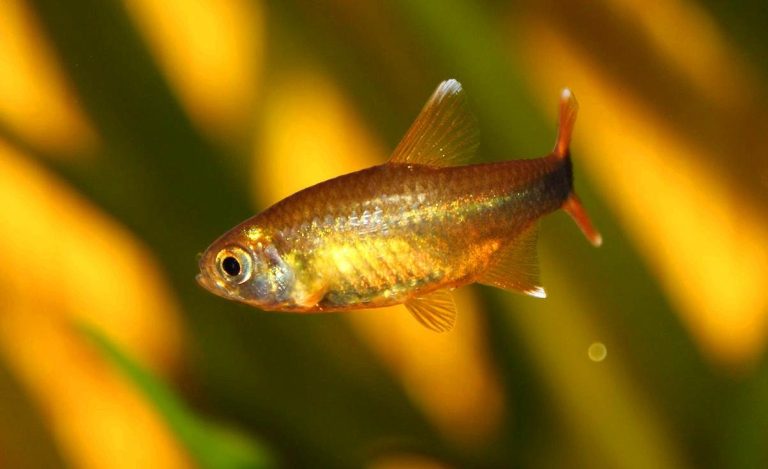
At a glance: Tetras (general) (Family Characidae and relatives)
- Temperature
- 72–80°F (22–27°C) for most species
- Water pH
- 6.0–7.5 for most species
- Adult size
- 1–3 in (2.5–8 cm)
- Minimum tank
- 10–30 gal depending on species
- Group size
- Groups of 6–10+
- Temperament
- Mostly peaceful schooling fish
- Diet
- Omnivores: quality flakes or micro pellets plus frozen foods
- Lifespan
- 3–8 years
Keeper’s tip: Schooling size matters more than tank size for most tetras: small groups hide, nip and stress.
Choosing the Right Enclosure for Your Tetras
When selecting tetra fish tanks, the first thing to consider is the swimming style of these fish. Most tetras are active swimmers that prefer horizontal space over vertical height.
In my experience, a “long” tank is almost always superior to a “tall” tank for these species. This extra length allows them to display their natural shoaling dynamics, which is essential for reducing stress and promoting longevity.
While many beginners start with a 5-gallon setup, I strongly advise against it for anything other than a single Betta. For a group of tetras, a 20-gallon long aquarium is the “sweet spot” that provides enough volume to buffer against water quality fluctuations.
| Tetra Species | Min. Tank Size | Ideal Group Size |
|---|---|---|
| Neon Tetra (Paracheirodon innesi) | 10-20 Gallons | 6-10+ |
| Rummy Nose (Hemigrammus rhodostomus) | 20-30 Gallons | 8-12+ |
| Congo Tetra | 40-55 Gallons | 6+ |
The Importance of Surface Area
A larger surface area facilitates better oxygen exchange, which is vital if you plan on keeping a densely populated school. I have noticed that tetras are much more active and colorful when the water is well-oxygenated.
If you are just starting out, choosing beginner-friendly species like the Black Skirt or Ember Tetra can make the learning curve much gentler. These species are slightly more forgiving of minor tank size constraints than their more sensitive cousins.
Pro Tip: Always aim for a tank that is at least 24 inches long. This length provides enough “runway” for tetras to reach full speed during their morning play sessions without hitting the glass.
Water Chemistry and Filtration Essentials
To maintain successful tetra fish tanks, you must become a master of your water parameters. Most tetras hail from soft, acidic waters in the Amazon basin.
One of the most overlooked aspects of tetra care is Carbonate hardness (KH). Low KH levels allow the pH to remain slightly acidic, which mimics their natural habitat and keeps their immune systems strong.
If your tap water is naturally hard, you might consider using RO (Reverse Osmosis) water mixed with a bit of tap water. This allows you to control the mineral content precisely and achieve that “soft water” feel that tetras love.
Utilizing Tannic Acid and Humic Substances
In the wild, many tetras live in what we call a Blackwater habitat. This water is stained the color of tea due to decaying organic matter like leaves and driftwood.
This staining is caused by Tannic acid and Humic substances, which have natural antifungal and antibacterial properties. I often add Indian Almond leaves or catappa bark to my tetra fish tanks to replicate this effect.
Not only does this make the fish feel more secure, but it also helps intensify their iridescent colors. A Neon Tetra’s blue stripe looks significantly more electric against a slightly tinted, dark background.
| Parameter | Ideal Range | Notes |
|---|---|---|
| Temperature | 72°F – 80°F | Species dependent (Neons prefer cooler) |
| pH Level | 6.0 – 7.0 | Stability is more important than the exact number |
| Ammonia / Nitrite | 0 ppm | Tetras are very sensitive to nitrogenous waste |
The Role of Peat Filtration
If you struggle to keep your pH down, Peat filtration is a time-tested method used by veteran aquarists. By placing aquarium-safe peat in a media bag inside your filter, you can naturally soften the water.
This method slowly releases tannins and lowers the pH without the “yo-yo” effect often caused by chemical pH-down products. I’ve used this technique specifically when trying to trigger spawning in more difficult species.
Creating a Natural Biotope: Plants and Decor
The aesthetic of tetra fish tanks should always serve a functional purpose. In the wild, these fish are prey for larger predators, so they feel safest when they have “overhead cover.”
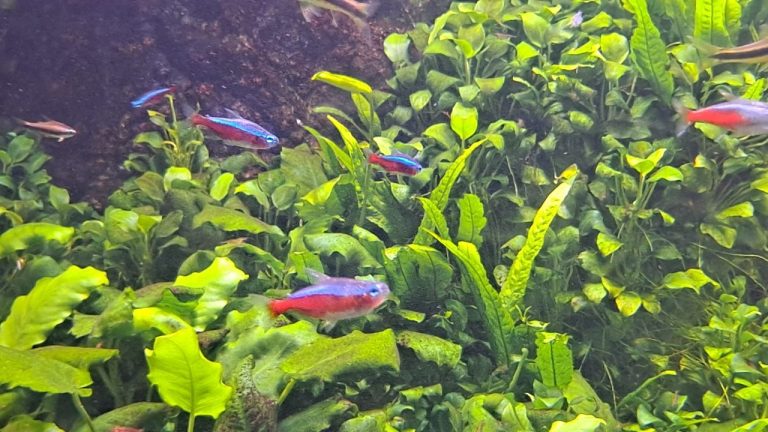
Floating plants like Amazon Frogbit or Salvinia are excellent for this. They diffuse the light, which prevents the tetras from feeling exposed and encourages them to swim in the middle of the water column.
Submerged plants like Java Fern, Anubias, and various Cryptocoryne species provide the perfect backdrop. These plants are hardy and don’t require high-intensity lighting, which suits the preferred dim environment of most tetras.
Substrate and Hardscape Choices
I always recommend using a dark substrate, such as black sand or dark fluorite. A dark bottom makes the fish feel less visible to “predators” from above and makes their colors “pop” dramatically.
When arranging driftwood and rocks, try to create “break points” in the line of sight. This allows bullied fish to escape the view of a dominant male, which is common during the morning hours when they are most active.
Understanding neon tetra care requirements can help you apply similar logic to almost any small characin you choose to keep. Most of them share the same love for densely planted corners and open swimming lanes.
Pro Tip: Avoid using large, jagged rocks that could tear the delicate fins of long-finned tetra varieties. Stick to smooth river stones or branchy driftwood like Manzanita.
Understanding Tetra Species and Shoaling Dynamics
One of the most common mistakes I see beginners make is buying “one of each” tetra. This is a recipe for a stressed and short-lived aquarium.
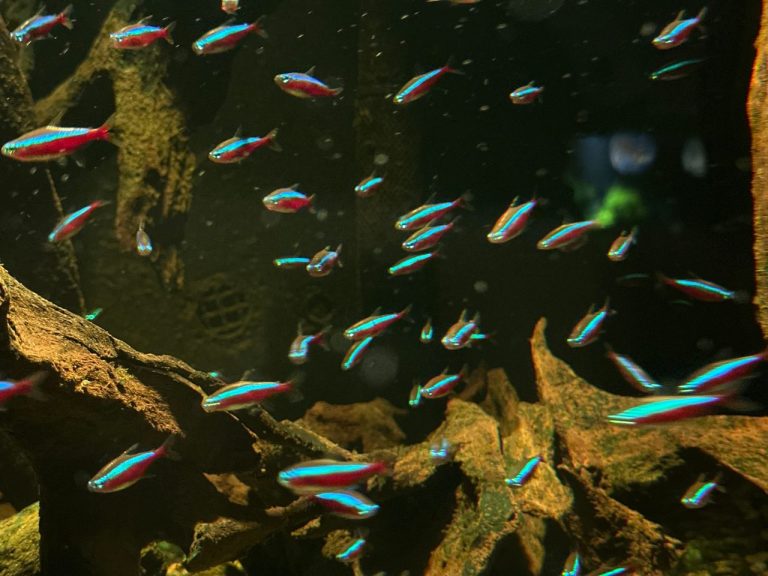
Tetras are social animals that rely on shoaling dynamics for security. In a group, the “stress” is distributed among many individuals, and they use their collective eyes to watch for danger.
When kept in groups of fewer than six, tetras often become nippy or, conversely, hide constantly and lose their color. I always recommend a minimum of 8 to 10 individuals of a single species to see their true personality.
Highlighting Popular Species
The Paracheirodon innesi, or Neon Tetra, is the undisputed king of the hobby. However, the Hemigrammus rhodostomus (Rummy Nose Tetra) is often considered the “ultimate” schooling fish because they stay in a much tighter formation.
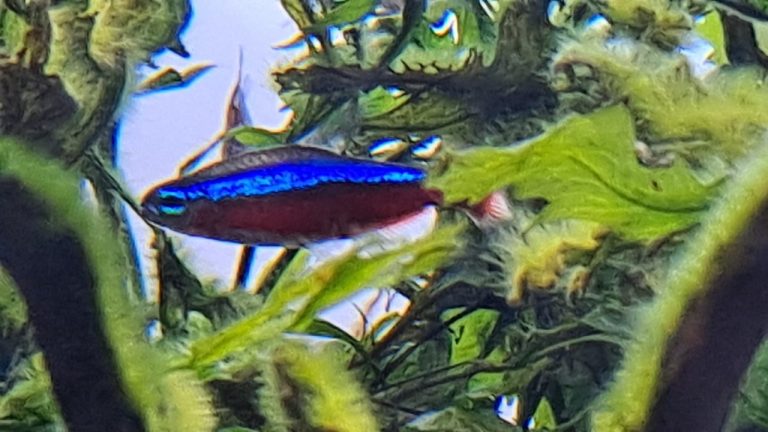
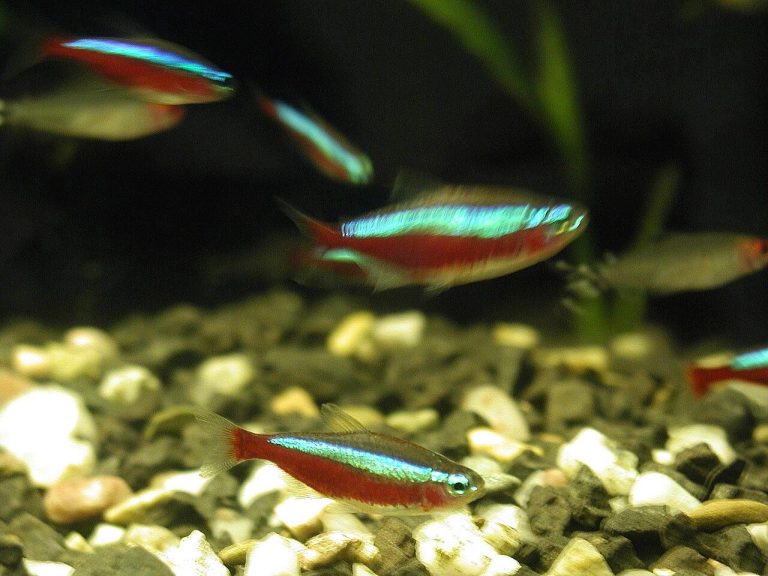
If you have a larger tank, the Cardinal Tetra is a beautiful alternative to the Neon. They possess a full red stripe that runs the length of their body and are slightly more strong once they are acclimated to your water.
When selecting compatible tank mates, look for other peaceful community fish like Corydoras catfish or small Rasboras. Avoid large, aggressive fish that might view your tetras as a snack.
Common Health Challenges in Tetra Fish Tanks
Even with the best care, tetra fish tanks can occasionally face health hurdles. Being able to identify problems early is the difference between losing one fish and losing an entire school.
One of the most feared ailments is Neon Tetra Disease, caused by the microsporidian parasite Pleistophora hyphessobryconis. This disease is notoriously difficult to treat, often manifesting as a loss of color, cyst-like lumps, and spinal curvature.
The best defense against Pleistophora hyphessobryconis is a strict quarantine protocol for all new fish. I never add new arrivals directly to my main display without at least two weeks of observation in a separate tank.
Dealing with Ich and Other Parasites
Another common issue is Ichthyophthirius multifiliis, commonly known as “Ich” or “White Spot Disease.” This presents as tiny white grains of salt on the fish’s body and fins.
Ich is often triggered by sudden temperature fluctuations. If you notice it early, it can usually be treated by slowly raising the tank temperature to 86°F and using a copper-based or malachite green medication.
Summary of Common Ailments
| Disease | Symptoms | Typical Cause |
|---|---|---|
| Ich (White Spot) | White spots, flashing/rubbing | Temperature shock or stress |
| Fin Rot | Ragged, milky fin edges | Poor water quality (High Nitrates) |
| Neon Tetra Disease | Loss of color, erratic swimming | Ingesting infected tissue/parasites |
Nutrition and Feeding for Maximum Color
To keep the inhabitants of your tetra fish tanks vivid, a varied diet is non-negotiable. While high-quality flake food is a good staple, it shouldn’t be the only thing they eat.
Tetras are omnivores that benefit greatly from small live or frozen foods. In my tanks, I rotate between daphnia, baby brine shrimp, and bloodworms.
These protein-rich foods provide the carotenoids necessary for those deep reds and brilliant blues. I’ve noticed that fish fed a diverse diet are also much more likely to exhibit spawning behavior.
Feeding Frequency and Tips
It is better to feed your tetras small amounts twice a day rather than one large meal. Their stomachs are tiny—roughly the size of their eye—so they cannot process a lot of food at once.
Excess food that falls to the bottom will rot and spike your ammonia levels. If you have bottom-dwellers like Corydoras, they can help clean up the “scraps,” but you should never rely on them as a primary cleaning solution.
Maintenance Routine for Long-Term Success
Consistency is the secret ingredient to beautiful tetra fish tanks. These fish flourish on stability, not perfection.
I recommend a 20-25% water change every single week. This removes nitrates and replenishes essential minerals that the fish and plants use up.
During your water change, use a gravel vacuum to gently pull debris from the surface of the substrate. However, be careful not to disturb the root systems of your live plants too much.
Filter Maintenance
Clean your filter sponge in a bucket of removed tank water, never under the tap. Tap water contains chlorine that will kill the beneficial bacteria living in your filter media.
I usually clean one half of my filter media one month, and the other half the next. This helps make sure that I never accidentally “crash” the nitrogen cycle of the aquarium.
Still wondering?
How many tetras can I put in a 20-gallon tank?
For small species like Neons or Embers, you can comfortably keep 12 to 15 individuals in a 20-gallon long tank, provided you have good filtration and plenty of plants. For larger species like Buenos Aires Tetras, stick to 6 to 8.
Do tetras need a heater?
Yes, tetras are tropical fish and require a stable temperature, usually between 75°F and 80°F. A high-quality, submersible heater with a thermostat is a mandatory piece of equipment for any tetra setup.
Why are my tetras losing their color at night?
This is completely normal! Tetras “turn off” their colors when they sleep to avoid being seen by predators. They will regain their full brilliance within 30 minutes of the lights coming back on in the morning.
Can tetras live with shrimp?
Most small tetras, like Ember Tetras, are relatively safe with adult dwarf shrimp. However, almost any tetra will eat baby shrimp (shrimplets) if they can find them. Providing dense moss will help the shrimp survive.
How long do tetras live in a home aquarium?
With proper care, most small tetra species live between 3 and 5 years. Some larger species, like the Congo Tetra or Diamond Tetra, can live up to 7 or 8 years in an optimized environment.
Wrapping up
Building and maintaining tetra fish tanks is a journey that combines art with science. If you focus on the specific needs of these shoaling beauties—such as soft water, plenty of cover, and a stress-free social group—you can create a striking centerpiece for your home.
The biggest factor is observation. Spend time every day watching your fish; they will tell you if they are happy through their active swimming and glowing colors.
If you stay diligent with your water changes and provide a high-quality diet, your tetra school will be the crown jewel of your fish-keeping career.

- 2003First tank
- 20+Years keeping
- 40+Tanks kept
- 0Sponsored picks
Howard set up his first 10-gallon planted tank in 2003 and lost half of it within six weeks. Two decades and more than forty aquariums later, he writes the guides he wished he had then: clear numbers, the reasons behind them, and what actually goes wrong in home tanks.