Tetra Betta Fish Food – What and How Often to Feed
Tetra betta fish food focuses on high-protein, easily digestible ingredients that cater to the carnivorous nature of bettas and the omnivorous needs of tetras. A balanced diet prevents bloating and boosts natural coloration.
Feeding a community tank can often feel like a balancing act, especially when you have species with different dietary requirements living together. In my ten years of maintaining various aquatic setups, I have found that the secret to a well-kept tank lies in the quality and variety of the nutrition provided.
When you are looking for the best tetra betta fish food, you aren’t just looking for a single bottle of flakes. You are looking for a nutritional strategy that supports the high-energy lifestyle of tetras and the majestic, slow-moving grace of a betta.
In this guide, I will share the exact methods I use to keep my community tanks healthy. We will explore the nutritional profiles required for these fish and how to help every inhabitant gets their fair share.
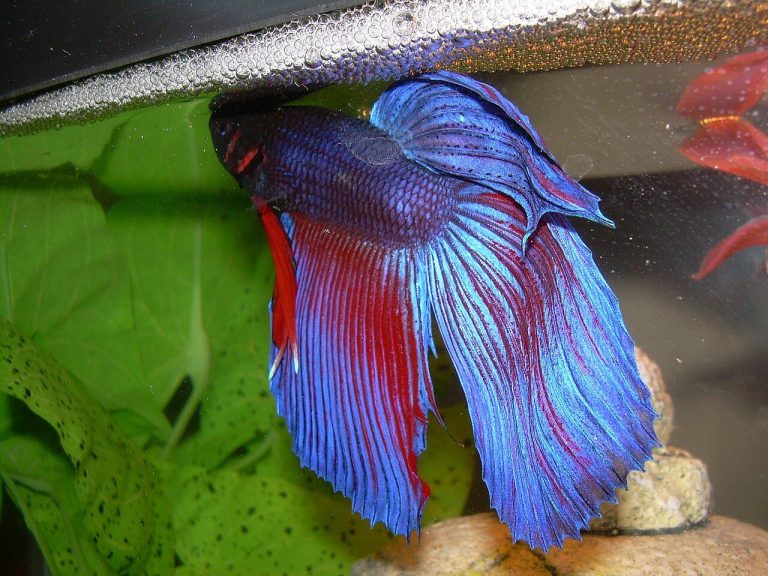
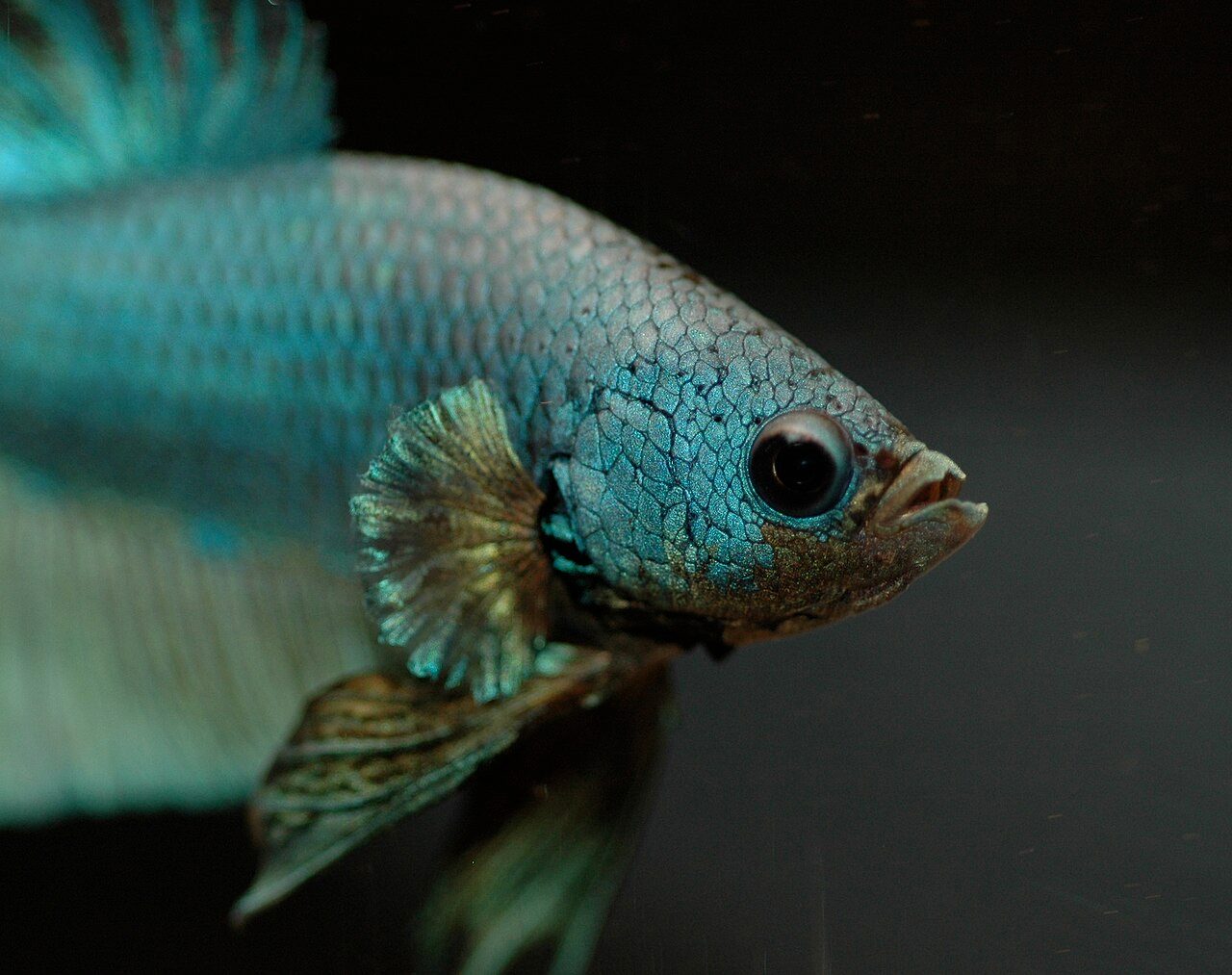
At a glance: Betta fish (Betta splendens)
- Temperature
- 76–82°F (24–28°C)
- Water pH
- 6.5–7.5
- Adult size
- 2.5 in (6 cm)
- Minimum tank
- 5 gal heated and filtered
- Group size
- Males alone
- Temperament
- Males aggressive to other males
- Diet
- Carnivore: betta pellets, frozen bloodworm, daphnia
- Lifespan
- 3–5 years
Keeper’s tip: A gentle filter and a lid matter as much as the heater; bettas jump and struggle in strong flow.
Understanding the Nutritional Needs of Tetras and Bettas
To choose the right tetra betta fish food, we first need to understand what these fish actually need to survive and settle in. Bettas are primarily insectivores in the wild, meaning they require a diet very high in animal-based protein.
Tetras, on the other hand, are generally omnivores. While they also love protein, they benefit from some plant-based matter to keep their digestive systems moving efficiently.
When these two live together, you must provide a diet that satisfies both. A high-protein pellet designed for bettas is often a great base, but tetras need smaller morsels that they can easily swallow while darting through the water.
| Nutrient | Betta Requirements | Tetra Requirements |
|---|---|---|
| Protein | 40% – 55% | 35% – 45% |
| Fat | 5% – 8% | 4% – 6% |
| Fiber | Lower (under 4%) | Moderate (3% – 5%) |
The Importance of Protein Sources
Not all proteins are created equal in fish nutrition. I always look for whole fish meal, shrimp meal, or black soldier fly larvae as the first few ingredients on the label.
Avoid foods that use “wheat flour” or “corn gluten” as the primary ingredient. These are fillers that can lead to constipation, especially in bettas who have a very short digestive tract.
Fiber and Digestive Health
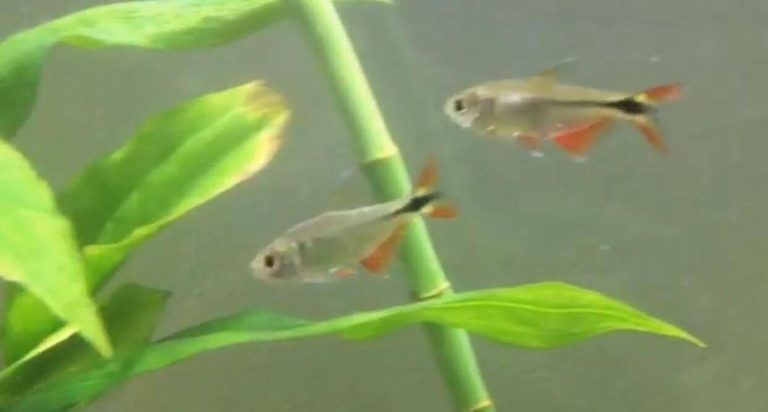
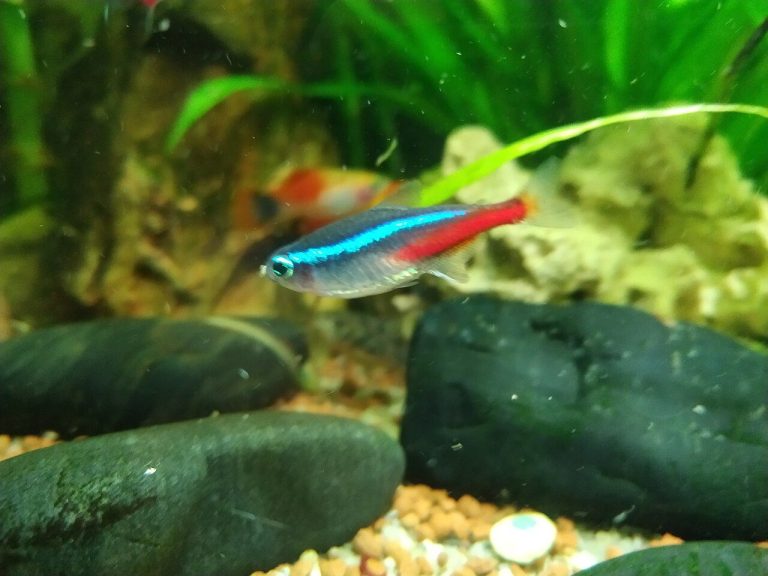
While bettas don’t need much fiber, a small amount helps prevent swim bladder issues. Tetras, particularly if you are keeping successful community tank species like Neons or Embers, will pick at algae or plant matter to get their fiber fix.
If you notice your betta looking “puffy” after meals, it might be getting too many carbohydrates from low-quality flakes meant for the tetras. This is why choosing a high-quality tetra betta fish food is so critical for long-term health.
Pro Tip: I always recommend soaking dry pellets in a small cup of tank water for 2-3 minutes before feeding. This allows the food to expand outside the fish’s stomach, significantly reducing the risk of bloating and digestive blockages.
Types of Tetra Betta Fish Food Available
There are several formats of food you can use to feed your tank. Each has its pros and cons depending on the specific species you are keeping.
I’ve experimented with almost every type of food on the market. In my experience, a combination of these yields the best results for growth and color.
High-Quality Floating Pellets
Pellets are the gold standard for bettas because they stay at the surface where the betta prefers to feed. However, tetras are mid-water feeders and may miss out if the pellets don’t eventually sink.
Look for “micro-pellets” if you are keeping smaller fish. These are small enough for neon tetras with your betta to consume in one bite, preventing messy leftovers.
Nutrient-Rich Flakes
Flakes are often looked down upon by “pro” keepers, but high-end flakes are actually excellent for tetras. They provide a large surface area and stay suspended in the water column longer.
The trick is to find a flake that doesn’t dissolve instantly. You want the tetras to be able to grab pieces as they drift down past the betta’s territory.
Freeze-Dried and Frozen Foods
If you want to see your fish flourish, you must incorporate “wet” foods. Bloodworms, brine shrimp, and daphnia are favorites for both species.
Frozen foods are generally superior to freeze-dried because they retain more moisture and vitamins. I use frozen daphnia once a week as a natural laxative for my bettas.
Feeding Strategies for a Harmonious Tank
One of the biggest challenges I faced when I first started was “food competition.” Bettas are often slower than the lightning-fast tetras.
If you just toss food in, the tetras might eat everything before the betta even realizes it is dinner time. Alternatively, a greedy betta might try to eat the tetras’ food and end up overfed.
The “Divide and Conquer” Method
I’ve noticed that feeding at two different ends of the tank simultaneously works wonders. I drop the tetra betta fish food (usually flakes or micro-pellets) at one end to distract the school.
While the tetras are busy, I use a pair of feeding tongs or my finger to place specific betta pellets directly in front of the betta at the other end. This helps keep everyone gets the right amount and the right type of nutrition.
Managing Feeding Frequency
Overfeeding is the number one cause of fish death for beginners. In a community tank, it is very easy to lose track of how much is being consumed.
I recommend feeding small amounts twice a day. Only provide what can be completely eaten within two minutes.
| Time of Day | Food Type | Goal |
|---|---|---|
| Morning | High-protein pellets/flakes | Energy for the day |
| Evening | Frozen or Live treats | Nutritional variety and color |
| Sunday | Fast (No Food) | Clear the digestive system |
Boosting Colors Through Diet
We all want our bettas to have deep reds or blues and our tetras to shimmer. The tetra betta fish food you choose plays a massive role in this.
Natural color enhancers like astaxanthin and beta-carotene are often added to high-quality foods. These are usually derived from krill or marigold petals.
The Role of Krill and Shrimp
When I started keeping larger diamond tetras, I noticed their scales lacked luster until I increased their intake of crustacean-based proteins. Krill is particularly effective at bringing out the “sparkle” in tetra scales.
For bettas, these same nutrients help maintain the intensity of their fin colors. A fish that is fed a bland, low-protein diet will often appear washed out or greyish.
Avoiding Artificial Dyes
Be wary of cheap foods that use artificial dyes to make the food look colorful. These do nothing for the fish and can actually pollute your water.
Stick to brands that list natural sources of color. If the ingredients list “Red 40” or “Yellow 5,” put it back on the shelf.
Common Mistake: Many keepers assume that if a fish is eating, it is healthy. However, “hollow” calories from low-quality fillers can lead to stunted growth and a weakened immune system over time. Always check the first three ingredients.
Common Problems with Feeding Tetra and Bettas
Even with the best intentions, things can go wrong. Recognizing the signs of feeding-related issues early can save your fish’s life.
I’ve dealt with my fair share of bloated bettas and nippy tetras, and usually, the diet was the root cause. If tetras aren’t getting enough protein, they may start nipping at the betta’s long fins.
Constipation and Bloating
This is most common in bettas. If your fish is staying at the top of the tank and struggling to dive, it likely has a swim bladder issue caused by constipation.
The first step is to stop feeding for 48 hours. Then, offer a tiny piece of a blanched, deshelled pea or some frozen daphnia to help move things along.
Fin Nipping and Aggression
If you notice your tetras are becoming aggressive during mealtime, you might not be spreading the food out enough. Hunger can turn even a peaceful school into a group of “piranhas.”
Ensure you are using a tetra betta fish food that is satiating. High-protein foods keep fish feeling full longer than carb-heavy fillers.
Maintaining Water Quality While Feeding
The more you feed, the more waste is produced. In a community tank, the bioload can sneak up on you very quickly.
Uneaten tetra betta fish food will rot at the bottom of the tank, causing ammonia spikes. This is why I always emphasize the “two-minute rule.”
The Importance of a Clean Substrate
If you use flakes, some will inevitably settle into the gravel or sand. I highly recommend keeping a “clean-up crew” like Amano shrimp or Corydoras to pick up these scraps.
However, don’t rely solely on scavengers. Regular gravel vacuuming during your weekly water change is essential to remove the organic waste that feeding produces.
Filtration and Overfeeding
If you find that your water is constantly cloudy, you are likely overfeeding. No filter can keep up with a massive excess of decaying fish food.
Check your filter media once a month. If it is clogged with “muck” that looks like fish food, you need to dial back your portions immediately.
FAQ: Feeding Tetra and Betta Fish
Can I feed my betta only tetra flakes? Technically yes, but it is not ideal. Flakes are often too low in protein for a betta’s long-term health. It is better to use a dedicated betta pellet as the staple and let them snack on the flakes occasionally.
How many pellets should I feed my betta? In a community setting, 2-3 high-quality pellets twice a day is usually sufficient. A betta’s stomach is only about the size of its eye!
What is the best tetra betta fish food for color? Look for foods containing krill meal, spirulina, or squid meal. These provide the natural pigments needed for bright reds, oranges, and blues.
My tetras are eating the betta’s food. Is that okay? It is perfectly safe for tetras to eat betta pellets, provided the pellets are small enough. The main concern is making sure the betta doesn’t go hungry because the tetras are faster.
How often should I feed frozen food? I recommend 2-3 times per week. It provides a great nutritional boost and mimics their natural diet, which encourages natural behaviors.
The short version
Finding the perfect tetra betta fish food routine takes a bit of observation and patience. If you focus on high-protein ingredients and using smart feeding strategies like the “divide and conquer” method, you can help a peaceful and healthy environment.
In my experience, the most successful aquarists are those who treat feeding as a moment of observation. Use this time to check your fish for signs of stress or illness.
A well-fed fish is a resilient fish. If you provide a varied diet of pellets, flakes, and frozen treats, you will be rewarded with a colorful, active aquarium that does well for years to come.

- 2003First tank
- 20+Years keeping
- 40+Tanks kept
- 0Sponsored picks
Howard set up his first 10-gallon planted tank in 2003 and lost half of it within six weeks. Two decades and more than forty aquariums later, he writes the guides he wished he had then: clear numbers, the reasons behind them, and what actually goes wrong in home tanks.