Betta Fish And Neon Tetras – The Complete Expert Guide
Betta fish and neon tetras can successfully coexist in a community aquarium of at least 15 to 20 gallons. Success depends on providing ample hiding spots, maintaining stable water parameters, and monitoring the individual temperament of your betta.
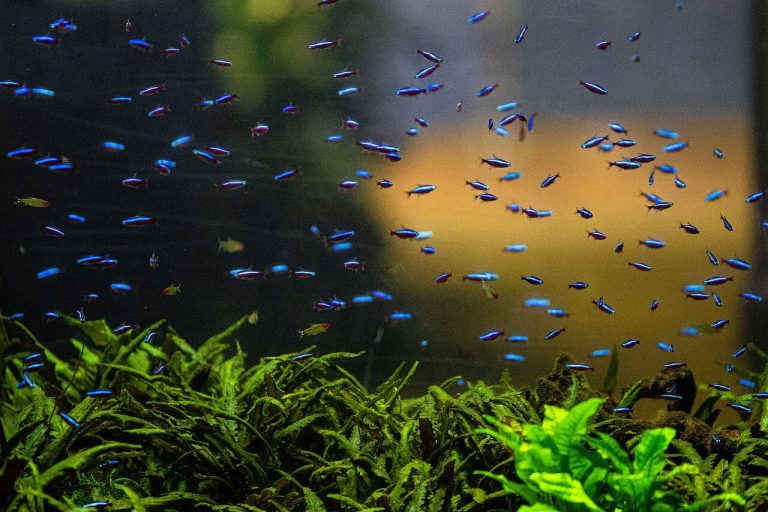
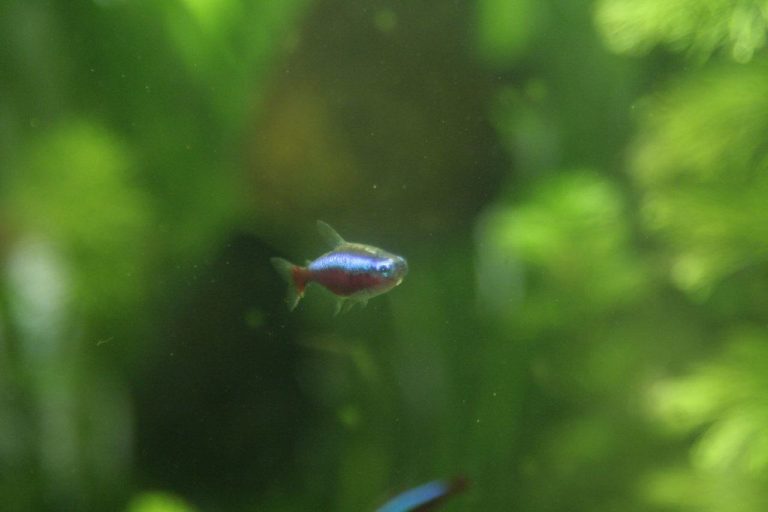
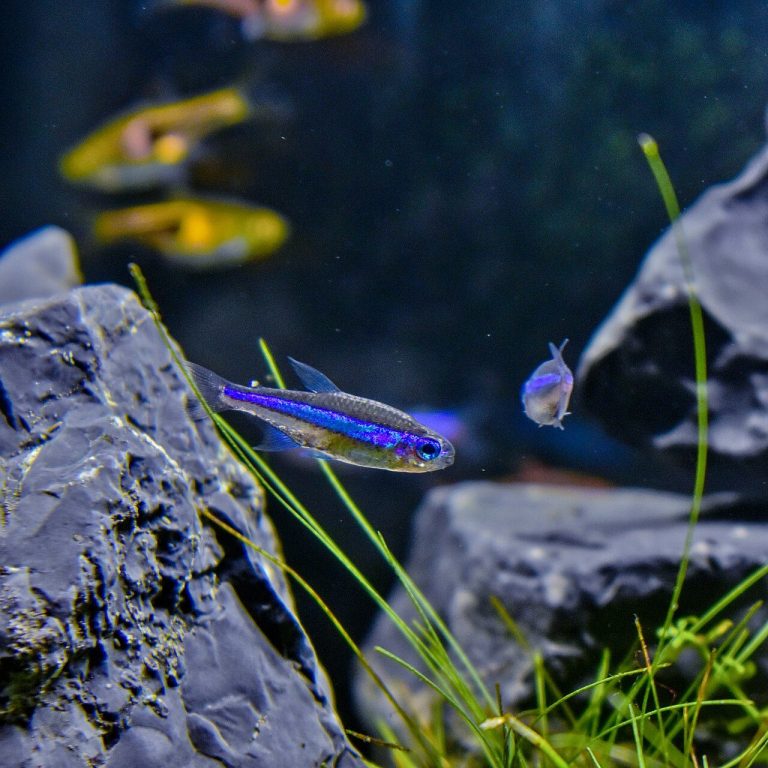
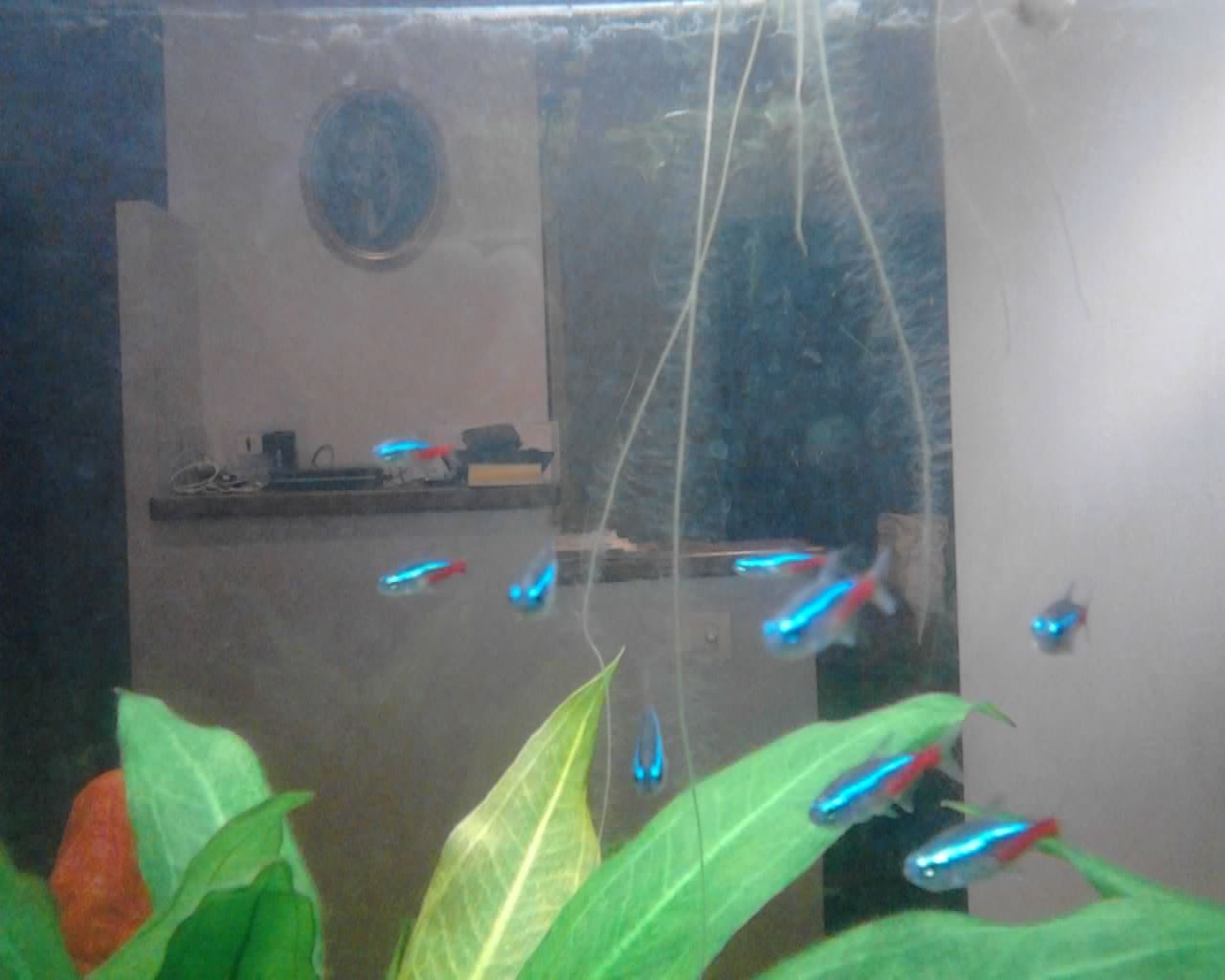
Keeping betta fish and neon tetras together is one of the most common goals for beginner and intermediate aquarists alike. The striking contrast between the flowing fins of a Betta splendens and the electric blue shimmer of a school of Paracheirodon innesi creates a eye-catching visual display.
In my experience of over ten years in the hobby, I have found that this pairing is often misunderstood. While many sources claim bettas must live alone, a well-planned community tank can actually provide a more enriching environment for your fish.
Achieving this harmony requires more than just dropping them into the same water. You must understand their biological needs, from the way they breathe to how they manage their internal salt balance through osmoregulation.
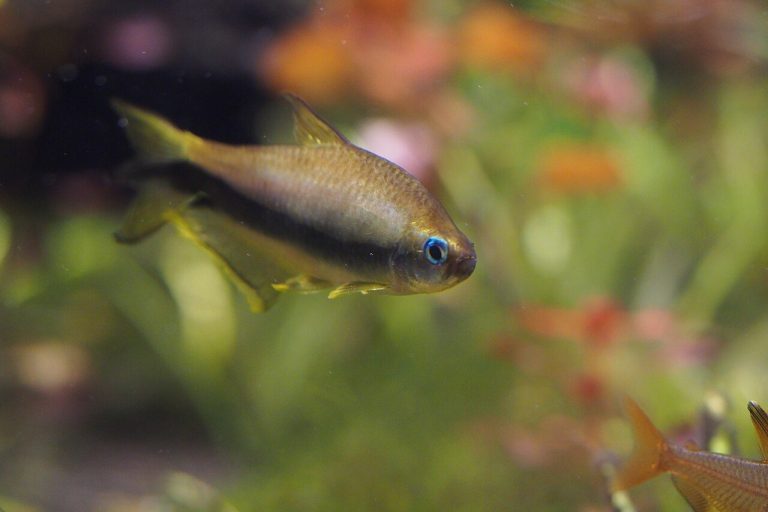
At a glance: Neon tetra (Paracheirodon innesi)
- Temperature
- 72–78°F (22–26°C)
- Water pH
- 6.0–7.0
- Adult size
- 1.5 in (4 cm)
- Minimum tank
- 10 gal (20 gal for a proper school)
- Group size
- Groups of 8+
- Temperament
- Peaceful
- Diet
- Omnivore: micro pellets, flakes, frozen daphnia
- Lifespan
- 5–8 years
Keeper’s tip: Add neons only to a fully cycled, stable tank; they are among the first fish to suffer from ammonia swings.
Understanding the Compatibility of Betta Fish and Neon Tetras
The primary concern when mixing these species is temperament. Bettas are known as “Siamese Fighting Fish” for a reason, but their aggression is usually directed at other long-finned or brightly colored males of their own kind.
Neon tetras are peaceful, schooling fish that generally mind their own business. However, they are incredibly fast and can sometimes be “nippy” if they are kept in a group that is too small or in a tank that lacks space.
When you combine betta fish and neon tetras, you are balancing a slow-moving, territorial center-piece fish with a high-energy, schooling group. This dynamic works best when the aquarium is large enough for everyone to have their own “zone.”
Pro Tip: Always observe your betta’s personality before adding tank mates. If your betta constantly flares at its own reflection or attacks a snail, he is likely too aggressive for a community setting with neon tetras.
Essential Water Parameters for a Healthy Community
To ensure both species do well, you must find the “sweet spot” where their environmental needs overlap. Both species originate from soft, acidic waters in South America and Southeast Asia, which makes them chemically compatible.
Maintaining proper general hardness (GH) and carbonate hardness (KH) is vital for the long-term health of your fish. If the water is too hard, it can stress the fish’s kidneys and interfere with their natural metabolic processes.
| Parameter | Ideal Range | Importance |
|---|---|---|
| Temperature | 75°F – 80°F (24°C – 27°C) | Supports metabolic rates and immune function. |
| pH Level | 6.0 – 7.5 | Ensures a stable environment and prevents acid stress. |
| Ammonia / Nitrite | 0 ppm | Critical to avoid toxic shock and respiratory failure. |
| Nitrate | < 20 ppm | Low levels prevent long-term stress and algae blooms. |
The Importance of the Nitrogen Cycle
Before adding any fish, your tank must undergo the process of nitrification. This is where beneficial bacteria convert toxic ammonia into nitrite, and finally into less harmful nitrate.
I always recommend using a liquid test kit to verify that your cycle is strong. A sudden spike in ammonia can weaken a neon tetra’s immune system, making them susceptible to infections like Columnaris.
Designing the Perfect Aquarium Layout
The physical layout of your tank is the most significant factor in preventing aggression. A “barren” tank is a recipe for disaster because the betta will see the entire space as his territory.
You should aim for a heavily planted aquarium. Live plants like Java Fern, Anubias, and Amazon Swords provide visual barriers that allow the tetras to break the betta’s line of sight.
Floating Plants and the Labyrinth Organ
Bettas possess a unique respiratory feature called a labyrinth organ. This allows them to breathe atmospheric air directly from the water’s surface.
Adding floating plants like Frogbit or Salvinia provides the betta with a sense of security while he surfaces for air. These plants also help filter the water by absorbing excess nutrients, which keeps the environment stable for your betta fish and neon tetras.
Pro Tip: Use a “feeding ring” to keep floating plants from covering the entire surface. This makes sure your betta always has a clear spot to breathe and makes it easier to feed the tetras without food getting stuck in the roots.
Choosing the Right Tank Size
While many people keep bettas in small bowls, this is not suitable for a community. To keep betta fish and neon tetras safely, a 20-gallon long tank is the gold standard.
A 20-gallon long provides more horizontal swimming space than a standard 20-gallon high. This extra room is essential for the tetras to school naturally and stay out of the betta’s preferred “resting” areas. You might also consider looking into choosing the right companions for your schooling fish to help long-term peace.
Health and Disease Prevention
A community tank requires a higher level of vigilance regarding health. If one fish gets sick, the entire tank is at risk.
Two of the most common issues in these setups are Ichthyophthirius multifiliis (commonly known as Ich) and bacterial infections. Ich often appears as small white grains of salt on the tetras’ bodies and is usually triggered by temperature fluctuations.
Managing Stress and Immunity
Stress is the leading cause of disease in aquarium fish. When a betta is constantly chasing tetras, or tetras are nipping at a betta’s fins, their immune systems drop.
Adding natural sources of humic acid, such as Indian Almond leaves or driftwood, can be incredibly beneficial. These release tannins into the water, which have mild antibacterial properties and create a more natural, “blackwater” environment that both species love.
Feeding Your Betta Fish and Neon Tetras
Feeding a community tank can be tricky because bettas are often slower eaters than the lightning-fast tetras. If you aren’t careful, the tetras will eat all the food before the betta even realizes it’s dinner time.
I prefer to feed the tetras at one end of the tank with high-quality micro-pellets or flakes. While they are distracted, I offer the betta his specific high-protein pellets at the other end.
Nutritional Variety
A varied diet is key to vivid colors and long life. In addition to dry foods, consider offering frozen treats once or twice a week.
- Frozen Bloodworms: A favorite for bettas, but feed sparingly to avoid constipation.
- Brine Shrimp: Excellent for boosting the red and blue coloration in neon tetras.
- Daphnia: Acts as a natural laxative and is great for a betta’s digestive health.
Step-by-Step Implementation Framework
If you are ready to introduce betta fish and neon tetras together, follow this structured approach to minimize risk. This framework is designed to prioritize the safety of the fish and the stability of the bio-filter.
- Set Up and Cycle: Make sure your 20-gallon tank is fully cycled and heavily planted.
- Add the Tetras First: Introduce a school of 8-10 neon tetras first. This allows them to establish their school and learn the layout of the tank without being hunted.
- Wait and Observe: Let the tetras settle for 2 weeks. Make sure they are eating well and showing no signs of disease.
- Introduce the Betta: Use a clear “breeder box” or a floating container to let the betta sit in the tank for an hour. Observe his reaction to the tetras through the mesh or plastic.
- The Release: If the betta seems calm, release him shortly before lights-out. This gives him a quiet night to explore without the high energy of active tetras.
- The 48-Hour Watch: Monitor the tank closely for the first two days. Look for torn fins or constant chasing.
For those interested in similar setups, you might find that mixing cardinal tetras with bettas offers a very similar experience with slightly different water requirements.
Common Mistakes to Avoid
Even experienced keepers can run into trouble if they overlook the details. One common mistake is keeping the school of tetras too small.
When neon tetras are kept in groups of fewer than six, they become stressed and defensive. This often leads to “fin nipping,” where the tetras will target the betta’s flowing fins, causing physical damage and potential bacterial infections.
Another mistake is ignoring the flow rate of the filter. Bettas struggle to swim in high-flow environments, while tetras enjoy a bit of a current. Using a pre-filter sponge or a baffle can help create a calm area for the betta to rest.
Questions and answers
Can I keep a female betta with neon tetras?
Yes, female bettas are generally less territorial and have shorter fins, making them excellent candidates for a community tank. However, individual temperament still varies, so observation is required.
What should I do if my betta starts chasing the tetras?
If the chasing is constant, you must remove the betta. Occasional “posturing” is normal, but relentless hunting will lead to the death of the tetras from exhaustion or physical injury.
Do neon tetras need a heater?
Absolutely. Both betta fish and neon tetras are tropical species. They require a stable temperature, ideally around 78°F, to maintain their metabolism and immune system.
Can I add shrimp to this tank?
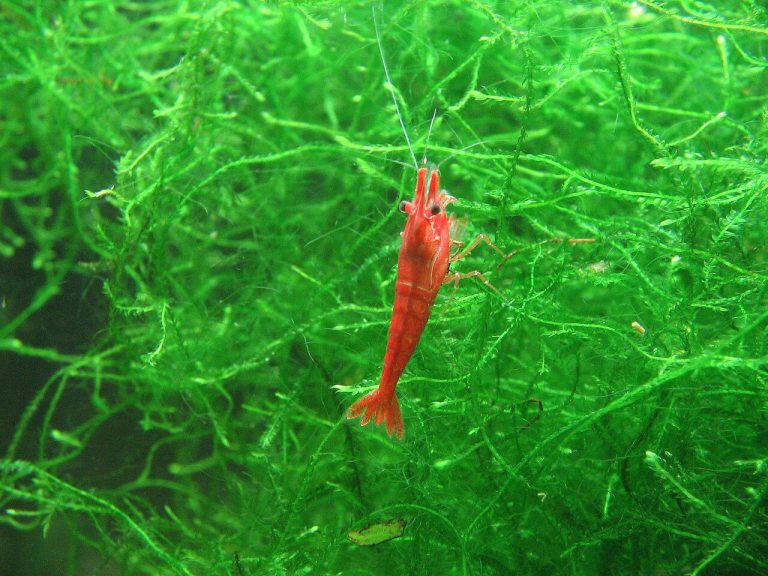
It is risky. While the tetras won’t bother adult shrimp, a betta may see them as a delicious snack. If you try it, provide plenty of dense moss for the shrimp to hide in.
Where that leaves you
Successfully keeping betta fish and neon tetras is a rewarding milestone for any aquarist. It represents a shift from keeping a single pet to managing a miniature ecosystem.
If you focus on a large, well-planted environment and maintaining pristine water quality, you create a space where these two iconic species can coexist. Remember that every fish is an individual; what works for one person may require adjustments for another.
Keep a close eye on your tank, stay consistent with your water changes, and enjoy the rich life you have created. With patience and the right setup, your community tank will be a source of beauty and relaxation for years to come.

- 2003First tank
- 20+Years keeping
- 40+Tanks kept
- 0Sponsored picks
Howard set up his first 10-gallon planted tank in 2003 and lost half of it within six weeks. Two decades and more than forty aquariums later, he writes the guides he wished he had then: clear numbers, the reasons behind them, and what actually goes wrong in home tanks.