Cardinal Tetra Lifespan – How to Help Them Live Longer
A cardinal tetra lifespan typically ranges from 3 to 5 years in home aquariums. However, with pristine soft water, stable temperatures, and high-quality nutrition, these rich fish can do well for up to 8 years.
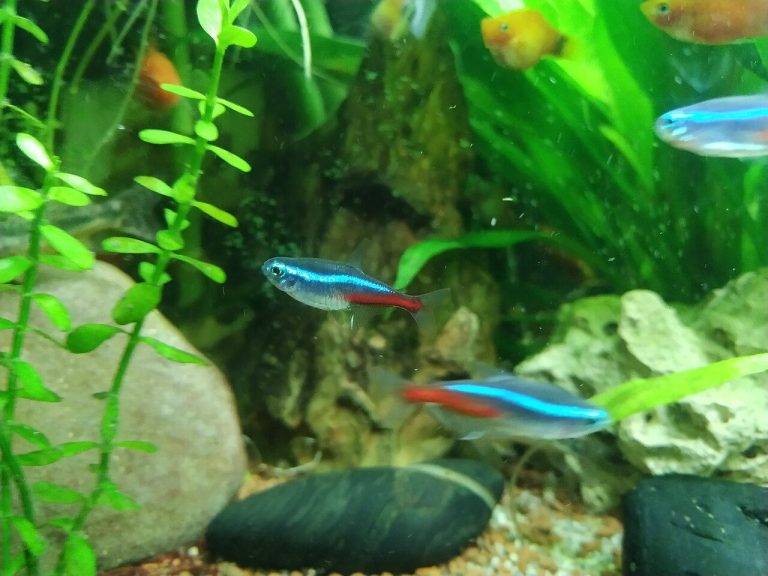
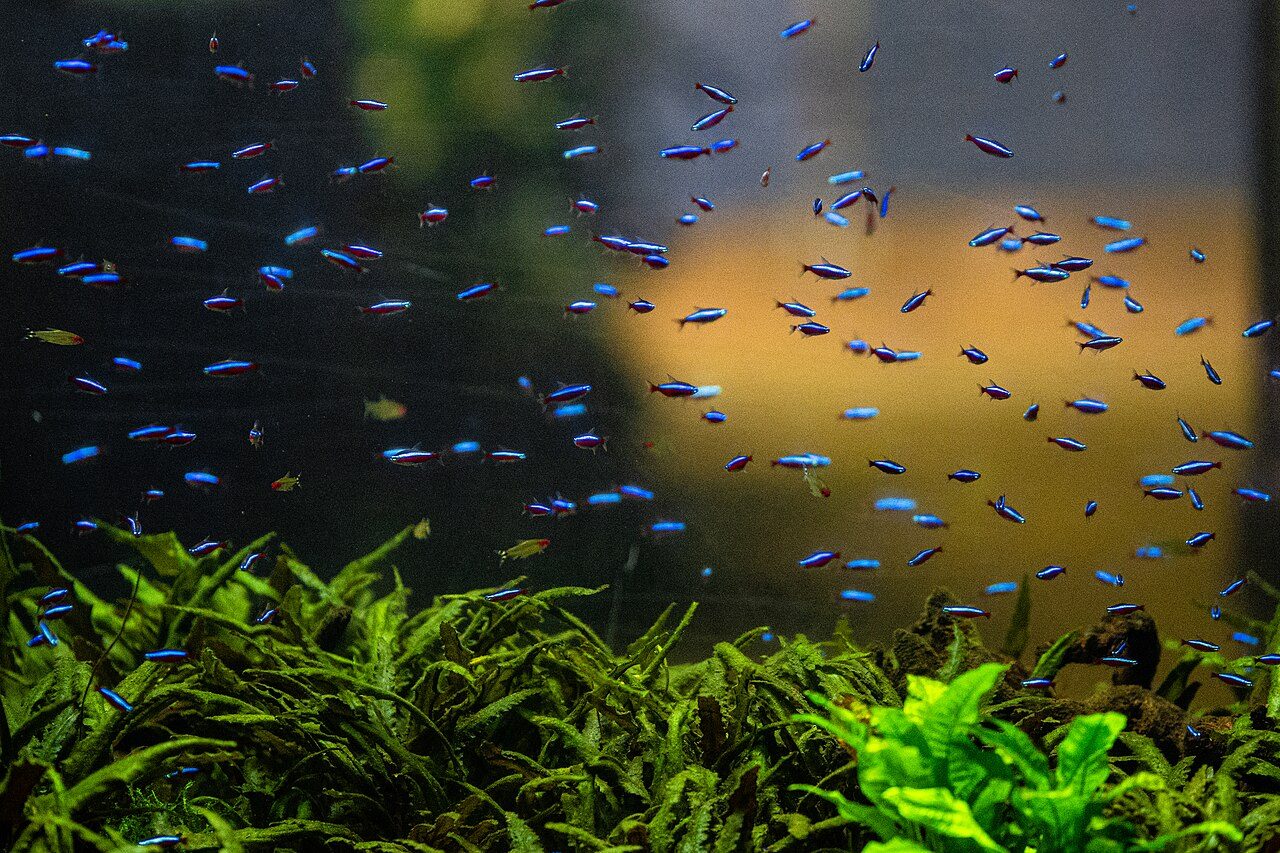
Few sights in the aquarium hobby are as striking as a large school of Paracheirodon axelrodi darting through a heavily planted tank.
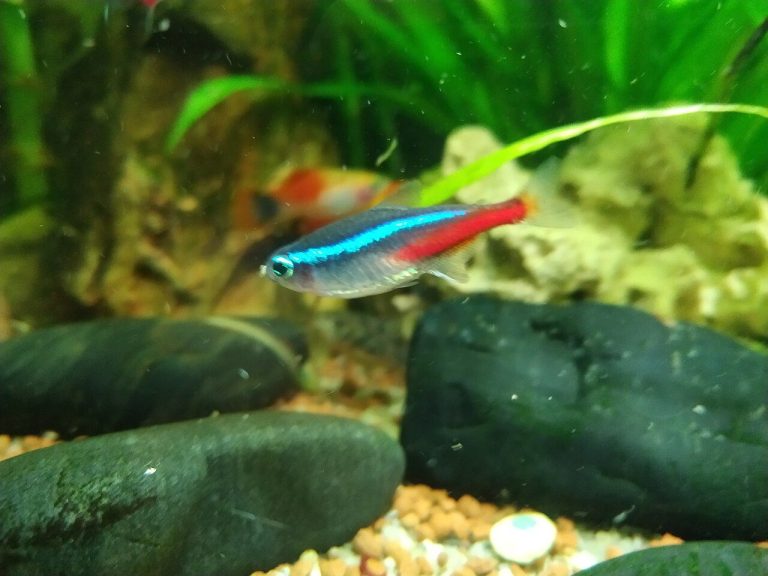
The cardinal tetra is often the crown jewel of South American community setups, known for the brilliant red stripe that runs the full length of its body.
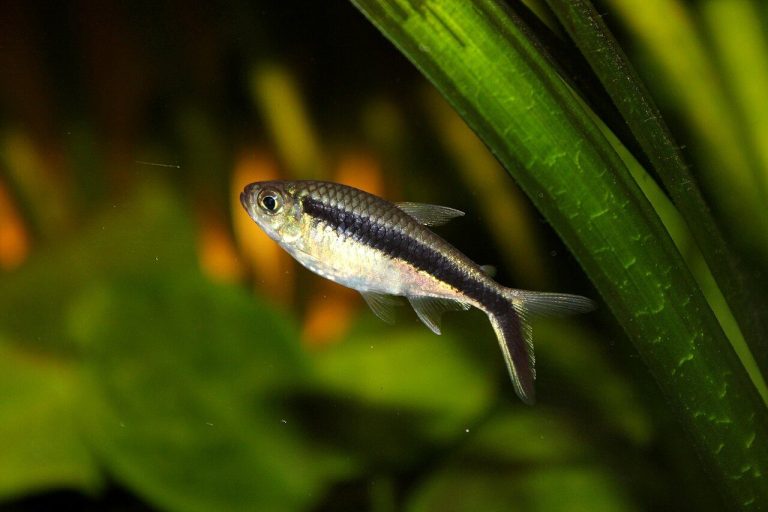
In my experience, many beginners confuse these beauties with their cousin, the neon tetra, but their care requirements and longevity are distinct.
To succeed with this species, you must understand that the cardinal tetra lifespan is heavily dependent on the environment you provide.
In this guide, I will share the secrets I have learned over 10 years of fish keeping to help you keep your school healthy and colorful for years to come.
At a glance: Cardinal tetra (Paracheirodon axelrodi)
- Temperature
- 76–84°F (24–29°C)
- Water pH
- 4.5–7.0
- Adult size
- 2 in (5 cm)
- Minimum tank
- 20 gal
- Group size
- Groups of 8+
- Temperament
- Peaceful
- Diet
- Omnivore: small pellets, flakes, frozen bloodworm
- Lifespan
- 4–6 years
Keeper’s tip: Cardinals like it warmer and softer than neons, so they are a poor match for cool-water tank mates.
Understanding the Cardinal Tetra Lifespan in Captivity
When we talk about the cardinal tetra lifespan, we have to look at both their natural biology and the conditions of the home aquarium.
In the wild, these fish are often considered an “annual” species because many do not survive the dry season in the Amazon basin.
However, in a controlled environment without predators and with a steady food supply, their biological potential is much higher.
| Environment | Average Lifespan | Maximum Potential |
|---|---|---|
| Wild (Rio Negro/Orinoco) | 1 Year | 2 Years |
| Average Home Aquarium | 3 – 4 Years | 5 Years |
| Expert Level Care | 5 – 7 Years | 8 – 10 Years |
Factors Influencing Longevity
The genetics of your fish play a massive role, but the most significant factor is how well you mimic their native blackwater habitats.
Stress is the silent killer of the Characidae family, and it often stems from fluctuating water parameters or poor social dynamics.
When I first started, I underestimated how much a stable ideal water temperature impacts their metabolic rate and overall health.
The Role of Stress and Schooling
Cardinal tetras are obligate schoolers, meaning they require the company of their own kind to feel secure.
Keeping them in groups of fewer than six can lead to chronic stress, which suppresses their immune systems and shortens their life.
In my tanks, I always aim for a minimum of 10 to 12 individuals to ensure they exhibit natural behavior and feel safe.
Water Chemistry: The Foundation of Health
To maximize the cardinal tetra lifespan, you must pay close attention to the chemical composition of your water.
These fish originate from the Rio Negro and Orinoco rivers, where the water is incredibly soft and acidic.
High mineral content or “hard” water can lead to calcium deposits in their organs, a condition that eventually proves fatal.
Managing Specific Conductivity and pH
Cardinal tetras are sensitive to specific conductivity, which is a measure of the dissolved salts and minerals in the water.
In the wild, they live in water that is almost as pure as distilled water, stained dark by humic substances.
Aim for a pH between 4.5 and 6.5, though most tank-bred specimens can adapt to a neutral 7.0 if the transition is slow.
Pro Tip: When introducing new cardinals, use the drip acclimation method over at least 90 minutes. This prevents osmotic shock, which is one of the leading causes of death within the first 48 hours of purchase.
The Power of Tannic Acid
Adding tannic acid to your aquarium through Indian almond leaves or driftwood is not just for aesthetics.
These tannins have natural antibacterial and antifungal properties that protect the delicate slime coat of your tetras.
I have noticed that my cardinals show much deeper reds and blues when kept in a “blackwater” environment compared to clear water.
Ideal Tank Setup for a Long Life
Setting up the right environment is about more than just a glass box; it is about creating a functional ecosystem.
The size of the tank and the filtration method you choose will directly impact the cardinal tetra lifespan.
While they are small fish, they are active swimmers and require enough horizontal space to school properly.
| Parameter | Ideal Range | Notes |
|---|---|---|
| Minimum Tank Size | 20 Gallons (Long) | Provides better swimming length. |
| Water Temperature | 73°F – 81°F | Keep it stable; avoid fluctuations. |
| Ammonia / Nitrite | 0 ppm | Cardinals have zero tolerance for these. |
| Nitrate | < 10 ppm | High levels lead to nitrate toxicity. |
Peat Moss Filtration and Substrate
One of my favorite advanced techniques for maintaining soft water is peat moss filtration.
By placing aquarium-safe peat in a mesh bag inside your filter, you can naturally lower the pH and soften the water.
This method also releases those beneficial humic substances that keep the fish healthy and vivid.
Vegetation and Hiding Spots
Cardinal tetras feel most comfortable when they have plenty of “overhead cover.”
Floating plants like Amazon Frogbit or Salvinia are excellent for diffusing bright aquarium lights.
Densely planted backgrounds with species like Rotala or Vallisneria provide retreats where fish can rest without feeling exposed.
Compared to the longevity of other species, cardinals are slightly more demanding of these environmental cues.
Nutrition: Fueling a Long and Healthy Life
What you feed your fish is the building block of their cellular health and immune response.
To reach the maximum cardinal tetra lifespan, a varied diet is non-negotiable.
In the wild, they are micropredators, feeding on small crustaceans, insect larvae, and zooplankton.
The Best Foods for Vitality
While they will accept high-quality flake food, this should not be their only source of nutrition.
I recommend feeding high-quality foods like frozen baby brine shrimp, daphnia, and cyclops.
These foods are rich in proteins and pigments that boost the “neon” glow of their lateral stripes.
Pro Tip: Avoid overfeeding, as uneaten food quickly breaks down into nitrates. I prefer feeding small amounts twice a day rather than one large meal to keep their metabolism steady.
Vitamin Supplements
Occasionally soaking your dry food in a liquid vitamin supplement can provide an extra boost.
This is particularly helpful for older fish or those recovering from the stress of a move.
Strong nutrition is your best defense against the “wasting” appearance often seen in neglected tetras.
Disease Prevention and Common Health Hurdles
Even with the best care, cardinal tetras can be susceptible to certain ailments.
The key to a long cardinal tetra lifespan is early detection and maintaining a stress-free environment.
Many common diseases are “opportunistic,” meaning they only strike when the fish’s immune system is already compromised.
Pleistophora hyphessobryconis (Neon Tetra Disease)
Contrary to its name, Neon Tetra Disease can also affect cardinals, though they are slightly more resistant than neons.
This microsporidian parasite causes muscle degeneration, loss of color, and curved spines.
There is no known cure, so the best approach is strict quarantine of all new fish for at least four weeks.
Ichthyophthirius multifiliis (Ich)
White spot disease, or Ichthyophthirius multifiliis, is common when tetras are subjected to sudden temperature drops.
Because cardinals prefer warmer water, they can be sensitive to the salt treatments often used for Ich.
I have found that raising the temperature slowly to 86°F (if the fish are otherwise healthy) is a safer way to speed up the parasite’s life cycle.
Preventing Nitrate Toxicity
Over time, high nitrate levels can cause chronic organ damage that shortens the cardinal tetra lifespan.
Regular water changes are essential, but you must help the replacement water matches the tank’s parameters.
Large, sudden changes in water chemistry can be just as damaging as the nitrates themselves.
Questions I get asked a lot
Why did my cardinal tetras die shortly after I bought them?
Most early deaths are caused by osmotic shock or poor acclimation. Cardinals are often wild-caught and are used to very specific water parameters, making them sensitive to shifts.
Can cardinal tetras live with Bettas?
Yes, they can coexist in a large enough tank. However, ensure the Betta isn’t aggressive and that the tetras have enough space to avoid being nipped.
How can I tell if my cardinal tetra is old?
Older cardinals may lose some of the intensity in their red stripe and may appear slightly less active. You might also notice a slight thickening of the body or “hump” as they reach the end of their lifespan.
Do they need a heater?
Absolutely. Cardinal tetras are tropical fish and require a stable temperature, ideally between 75°F and 80°F. Cold water will rapidly lead to illness and death.
Conclusion: Achieving Success with Cardinal Tetras
Maximizing the cardinal tetra lifespan is a rewarding challenge for any aquarist.
If you focus on water stability, soft water chemistry, and a diet that mimics their natural prey, you can enjoy these fish for many years.
Remember that they are more than just “decorations”; they are complex animals that flourish when their biological needs are met.
In my decade of keeping these fish, I have found that patience is the most important tool in your kit.
Don’t rush the cycling process, take your time with acclimation, and always keep a close eye on your water parameters.
If you do these things, your school of Paracheirodon axelrodi will remain a bright, glowing centerpiece of your home for a long time to come.

- 2003First tank
- 20+Years keeping
- 40+Tanks kept
- 0Sponsored picks
Howard set up his first 10-gallon planted tank in 2003 and lost half of it within six weeks. Two decades and more than forty aquariums later, he writes the guides he wished he had then: clear numbers, the reasons behind them, and what actually goes wrong in home tanks.