Lifespan Of Tetra Fish – The Ultimate Guide To Maximizing Longevity
The average lifespan of tetra fish typically ranges from 3 to 8 years, though some larger species can live up to a decade. Proper water quality, nutrition, and stress management are the most critical factors for longevity.
Watching a school of vivid tetras shimmer through a well-planted aquarium is one of the most satisfying sights for any hobbyist. Over my ten years of keeping these energetic characins, I have learned that their beauty is often a direct reflection of their health and age.
Understanding the lifespan of tetra fish is the first step in moving from a casual keeper to a successful aquarist. Many beginners are surprised to find that these small fish can live significantly longer than the few months often seen in poorly maintained setups.
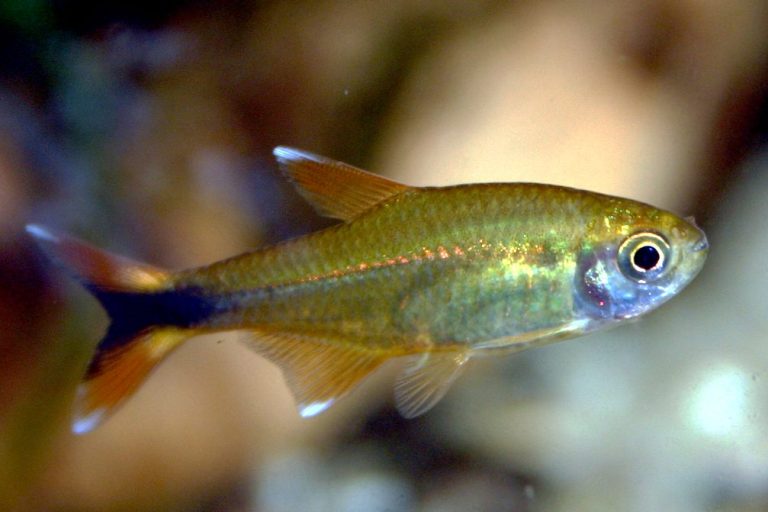
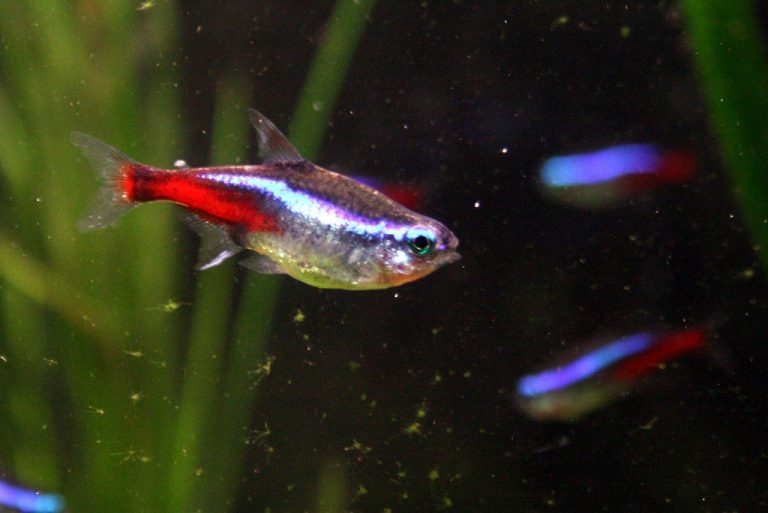
In this guide, we will explore the biological and environmental factors that determine how long your tetras will flourish. Whether you are keeping the iconic Neon Tetra or the sturdy Congo Tetra, these insights will help you provide a life of quality and quantity.
At a glance: Tetras (general) (Family Characidae and relatives)
- Temperature
- 72–80°F (22–27°C) for most species
- Water pH
- 6.0–7.5 for most species
- Adult size
- 1–3 in (2.5–8 cm)
- Minimum tank
- 10–30 gal depending on species
- Group size
- Groups of 6–10+
- Temperament
- Mostly peaceful schooling fish
- Diet
- Omnivores: quality flakes or micro pellets plus frozen foods
- Lifespan
- 3–8 years
Keeper’s tip: Schooling size matters more than tank size for most tetras: small groups hide, nip and stress.
Understanding the lifespans of Different Tetra Species
Not all tetras are created equal when it comes to longevity. While they share many characteristics, their genetic makeup and natural habitats influence how many years they can potentially live in your home.
In my experience, larger tetra species generally outlive their smaller cousins. This is a common trend in the animal kingdom, where a slower metabolic rate often correlates with a longer life.
The table below provides a breakdown of what you can realistically expect for some of the most popular species in the hobby.
| Tetra Species | Scientific Name | Average Lifespan | Difficulty Level |
|---|---|---|---|
| Neon Tetra | Paracheirodon innesi | 3 – 5 Years | Beginner |
| Cardinal Tetra | Paracheirodon axelrodi | 4 – 6 Years | Intermediate |
| Rummy Nose Tetra | Hemigrammus rhodostomus | 5 – 6 Years | Intermediate |
| Black Skirt Tetra | Gymnocorymbus ternetzi | 5 – 7 Years | Beginner |
| Congo Tetra | Phenacogrammus interuptus | 5 – 10 Years | Intermediate |
| Bleeding Heart Tetra | Hyphessobrycon erythrostigma | 5 – 8 Years | Beginner |
Small vs. Large Tetras
Small species like the Neon Tetra often have higher energy demands and faster lifecycles. They reach sexual maturity quickly, which is an evolutionary trait for species that face high predation in the wild.
In contrast, larger tetras like the Congo or Diamond Tetra develop more slowly. Providing these larger fish with the proper tank sizing ensures they have enough room to exercise their muscles and maintain a healthy heart.
Wild-Caught vs. Tank-Bred
I’ve noticed that tank-bred tetras are often hardier and more adaptable to varying water conditions. However, wild-caught specimens, such as many Cardinal Tetras, may have stronger genetics but are more sensitive to initial shipping stress.
Key Factors Influencing the lifespan of tetra fish
While genetics provide the blueprint, the environment you provide determines the outcome. Achieving the maximum lifespan of tetra fish requires a holistic approach to aquarium management.
Every decision, from the frequency of your water changes to the type of light you use, plays a role in the biological health of your fish. Let’s break down the most critical components of longevity.
Water Quality and the Nitrogen Cycle
The foundation of a long-lived tetra is a mature Nitrogen cycle. Ammonia and nitrite must always remain at zero, as even trace amounts can burn delicate gill tissues and lead to permanent damage.
Nitrate toxicity is a more subtle threat that often goes unnoticed by beginners. High nitrate levels over long periods can suppress the immune system, making your tetras susceptible to opportunistic infections.
Solid biological filtration is essential for maintaining this balance. I always recommend over-filtering your tank to ensure there is plenty of surface area for beneficial bacteria to colonize.
Pro Tip: Never replace all your filter media at once. I’ve seen many hobbyists “clean” their way into a disaster by washing away their beneficial bacteria, causing an ammonia spike that shortens their fish’s lives overnight.
Temperature and Metabolic Rate
Tetras are ectotherms, meaning their internal body temperature is dictated by their environment. Keeping your tank on the higher end of their preferred range will increase their metabolic rate.
While this might make them more active, it can also lead to a shorter lifespan as their bodies “burn out” faster. I prefer to keep my tetra tanks at a stable, moderate temperature (around 75-77°F) to balance activity with longevity.
Osmoregulation and Mineral Balance
Osmoregulation is the process by which fish maintain the balance of water and salt in their bodies. Most tetras originate from soft, acidic waters in South America or Africa.
If the water is too hard or the pH is too high, the fish must work harder to maintain their internal chemistry. This constant physiological stress eventually takes a toll on their organs, particularly the kidneys.
Optimizing the Environment for Longevity
Creating an environment that mimics their natural habitat is one of the best ways to extend the lifespan of tetra fish. It isn’t just about the water; it’s about how the fish feels in its space.
A stressed fish is a short-lived fish. When tetras feel secure, their cortisol levels remain low, and their immune systems function at peak performance.
The Role of Humic Substances
In the wild, many tetras live in “blackwater” environments rich in decaying organic matter. This matter releases humic substances and tannins into the water, which have natural antifungal and antibacterial properties.
I have found that adding Indian Almond leaves or driftwood significantly improves the health of my tetras. These natural additions help lower the pH and provide a soothing environment that encourages natural schooling behavior.
Tetras are social creatures that find safety in numbers. Keeping them in groups that are too small (fewer than 6-10) causes chronic stress.
When tetras are part of a large, healthy school, they exhibit better color and higher activity levels. If you are building a community, make sure the other inhabitants aren’t large enough to view your tetras as a snack.
Dissolved Oxygen and Water Flow
High levels of dissolved oxygen are vital for active swimmers like tetras. Proper surface agitation ensures that gas exchange occurs efficiently, preventing the buildup of carbon dioxide.
However, avoid excessive flow that forces the fish to swim constantly against a current. Constant exertion leads to physical exhaustion and a weakened immune system.
Nutrition: Fueling a Long and Healthy Life
What you feed your fish is just as important as the water they swim in. A monotonous diet of low-quality flakes is one of the most common reasons tetras don’t reach their full age potential.
In my experience, a varied diet is the “secret sauce” to vivid colors and long lives. Tetras are omnivores and flourish when their nutritional intake mimics the variety they would find in nature.
Essential Nutrients for Tetras
- Protein: Essential for growth and tissue repair.
- Carotenoids: Found in high-quality pellets, these improve the reds and oranges in their scales.
- Vitamins: Specifically Vitamin C and E, which support the immune system.
Feeding Schedule and Quantity
Overfeeding is a silent killer. It leads to obesity and contributes to poor water quality through decaying food. I recommend feeding small amounts twice a day—only what they can consume in under two minutes.
Pro Tip: Incorporate frozen or live foods like daphnia or brine shrimp at least twice a week. These “power foods” provide essential roughage and stimulate natural hunting behaviors that keep the fish mentally sharp.
Common Health Issues and Prevention
Even with the best care, tetras can occasionally face health challenges. Recognizing the signs early is the difference between a quick recovery and losing your entire school.
Preventative care is always more effective than reactive treatment. Maintaining a stable environment is your first line of defense against most common ailments.
Managing Bacterial and Fungal Infections
Columnaris is a particularly nasty bacterial infection that can strike tetras, especially if they are stressed by poor water quality. It often appears as white, saddle-like patches or “mouth fungus.”
Maintaining a clean tank and using a quarantine period for new additions is vital. Before adding new fish, consult a compatible tank mates guide to ensure no one is being bullied, as physical injuries often invite these infections.
Physical Signs of Aging
As tetras reach the end of their natural lifespan, you may notice certain changes. Their colors may fade slightly, and they might become less active during feeding times.
Some fish develop a slight spinal curvature or “sunken” belly in their twilight years. In these cases, the best we can do is keep the water pristine and make sure they aren’t being outcompeted for food by younger, faster tank mates.
Practical Steps to Extend Your Tetra’s Life
To achieve the maximum lifespan of tetra fish, you need a consistent routine. Longevity is not the result of one big action, but the accumulation of small, daily habits.
- Monitor Water Weekly: Use a liquid test kit to check Ammonia, Nitrite, and Nitrate. Don’t wait for the water to look “dirty.”
- Consistent Water Changes: Change 20-30% of the water every week to remove nitrates and replenish essential minerals.
- Check Equipment Daily: Make sure your heater is functioning and your filter flow hasn’t slowed down.
- Observe Your Fish: Spend 5 minutes every day just watching them. Are they schooling? Are they breathing heavily? Early detection saves lives.
- Acclimate Properly: Use the drip method when introducing new tetras to prevent osmotic shock.
FAQ: Frequently Asked Questions About Tetra Longevity
Why did my Neon Tetras die so soon after I bought them?
Neon Tetras are often mass-bred, which can lead to weaker immune systems. They are also highly sensitive to “new tank syndrome.” Help your tank is fully cycled and use a slow acclimation process to help them adjust to your water chemistry.
Can tetras live in a 5-gallon tank?
While some very small species might survive, I generally do not recommend it for long-term health. A larger volume of water provides more stability. Small tanks are prone to rapid temperature and chemical fluctuations that shorten a fish’s life.
How do I know if my tetra is stressed?
Signs of stress include “glass surfing” (swimming up and down the glass), hiding constantly, loss of color, or staying at the surface to gasp for air. Identifying and removing the stressor (like an aggressive tank mate or high nitrates) is urgent.
Does light affect how long tetras live?
Indirectly, yes. Excessive light can cause algae blooms and stress the fish. Tetras prefer dimmed lighting or plenty of floating plants to provide shade, which mimics the canopy-covered streams of their natural homes.
A last word
Maximizing the lifespan of tetra fish is an achievable goal for any dedicated aquarist. If you focus on the fundamentals—stable water chemistry, a stress-free environment, and a diverse diet—you can enjoy the company of these brilliant fish for many years.
In my decade of fish keeping, I have found that the most successful tanks are those where the hobbyist works with nature rather than against it. Whether it is adding tannins to soften the water or ensuring a solid biological filter, these small steps create a sanctuary for your tetras.
Every species has its own unique needs. Take the time to research your specific fish and provide them with a home that allows them to stay healthy, not just survive. Your reward will be a shimmering, healthy school that brings life and color to your home for years to come.

- 2003First tank
- 20+Years keeping
- 40+Tanks kept
- 0Sponsored picks
Howard set up his first 10-gallon planted tank in 2003 and lost half of it within six weeks. Two decades and more than forty aquariums later, he writes the guides he wished he had then: clear numbers, the reasons behind them, and what actually goes wrong in home tanks.