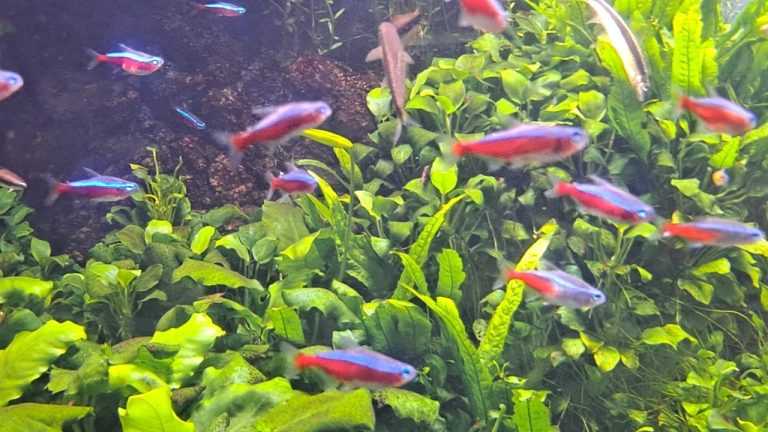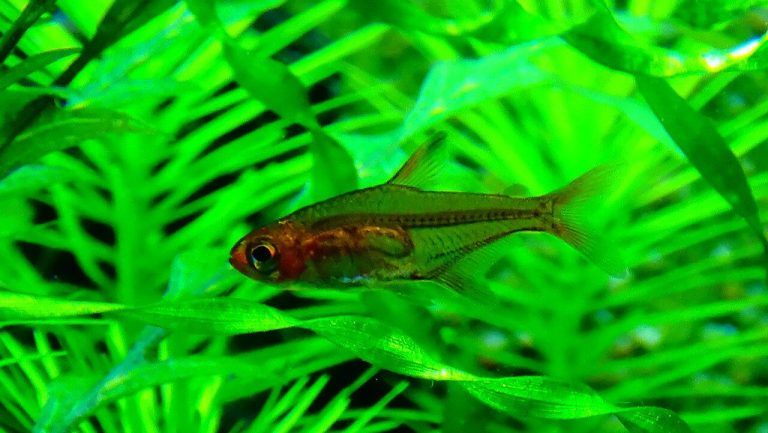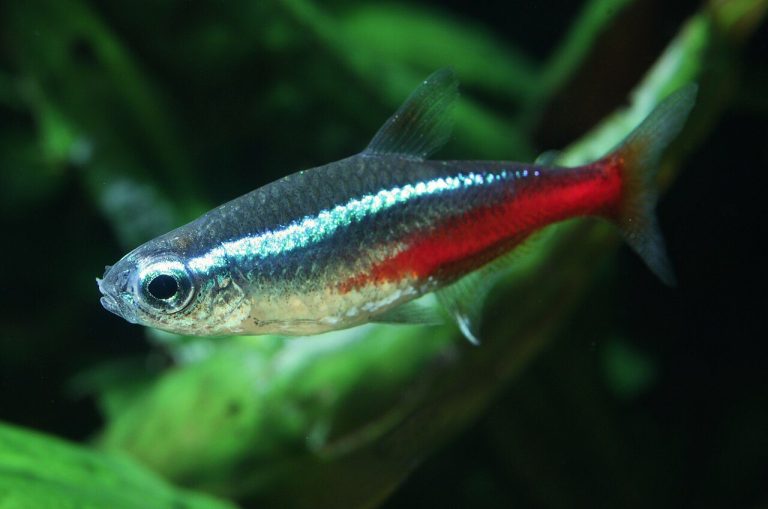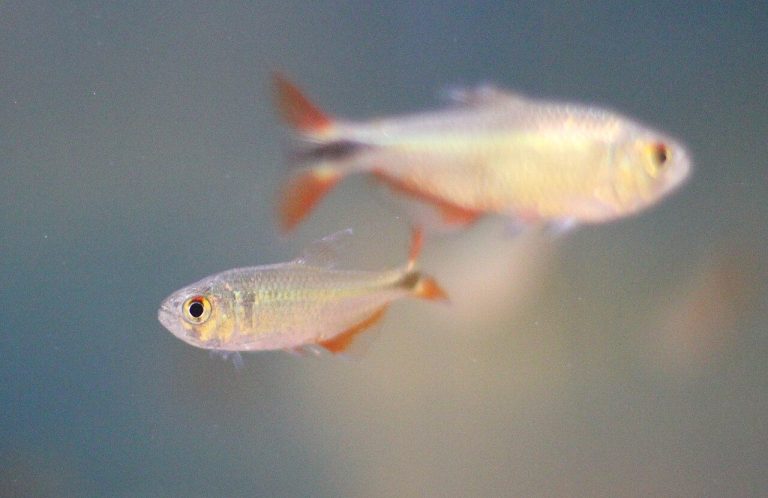
Neon Fish Size – The Definitive Guide To Growth, Space, And Care
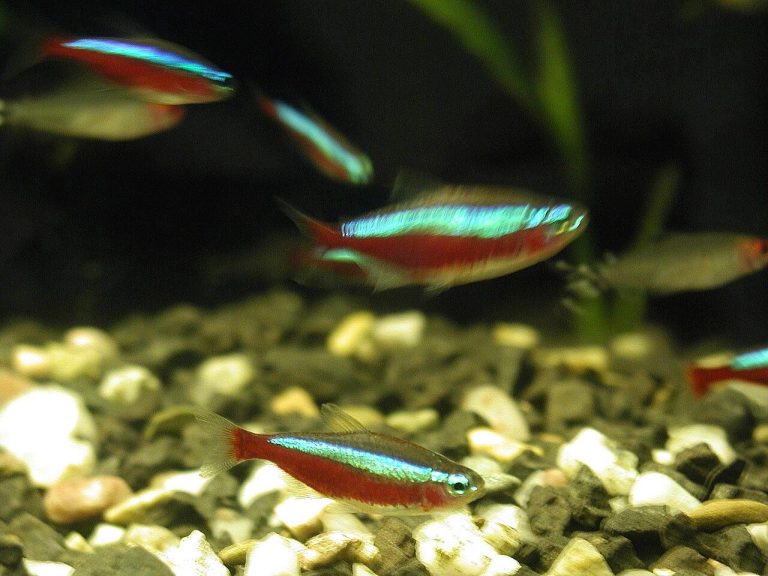
The average neon fish size for a fully grown Neon Tetra is between 1.2 and 1.5 inches (3 to 4 centimeters). Achieving this maximum length requires stable water parameters, high-quality nutrition, and sufficient swimming space.
The Neon Tetra, scientifically known as Paracheirodon innesi, remains the crown jewel of the freshwater hobby. For decades, these shimmering beauties have captivated everyone from young children to seasoned aquarists.
When you are planning a new aquascape, understanding the maximum neon fish size is critical for long-term success. It influences everything from your choice of filtration to the dimensions of the tank you buy at the local fish store.
In my fifteen years of keeping various members of the Characidae family, I have learned that “small” does not mean “simple.” These fish require specific conditions to reach their full physical potential and display their most colorful colors.
Pro Tip: Never judge a fish by its size in the pet store display tank. Most Neon Tetras sold commercially are juveniles and will likely grow another half-inch once settled into a healthy home environment.
At a glance: Neon tetra (Paracheirodon innesi)
- Temperature
- 72–78°F (22–26°C)
- Water pH
- 6.0–7.0
- Adult size
- 1.5 in (4 cm)
- Minimum tank
- 10 gal (20 gal for a proper school)
- Group size
- Groups of 8+
- Temperament
- Peaceful
- Diet
- Omnivore: micro pellets, flakes, frozen daphnia
- Lifespan
- 5–8 years
Keeper’s tip: Add neons only to a fully cycled, stable tank; they are among the first fish to suffer from ammonia swings.
The Fundamentals of neon fish size and Growth
To accurately discuss neon fish size, we must look at the Standard Length (SL). This measurement excludes the caudal fin (tail), focusing only on the body from the snout to the base of the tail.
In a well-maintained aquarium, most adults will reach about 1.5 inches in total length. While this may seem tiny, their active nature means they occupy more “visual space” than a sedentary fish of the same dimensions.
Their growth rate is relatively fast during the first six months of life. If provided with a high-protein diet, a juvenile can reach nearly its full length in a matter of months before the growth rate tapers off.
Understanding Morphology and Anatomy
The morphology of the Neon Tetra is built for speed and agility in the pelagic zone of the water column. They possess a streamlined, torpedo-shaped body that allows them to dart away from predators in the wild.
The iconic blue and red stripes are not just for show; they serve as communication tools within the school. As the fish grows, these stripes become more pronounced, provided the fish is not experiencing chronic stress.
Sexual Dimorphism in Neon Tetras
One interesting aspect of neon fish size is how it differs between the sexes. This physical variation, known as sexual dimorphism, is the easiest way to tell your males from your females.
Females are generally rounder and slightly larger than males. This extra girth is particularly noticeable in the belly area, which can cause the horizontal blue stripe to appear slightly curved rather than perfectly straight.
| Feature | Male Neon Tetra | Female Neon Tetra |
|---|---|---|
| Body Shape | Slender and streamlined | Rounder, especially in the midsection |
| Blue Stripe | Straight and narrow | Often appears curved or kinked |
| Average Length | 1.2 inches | 1.4 – 1.5 inches |
Environmental Factors That Influence Growth
While genetics set the ceiling for neon fish size, the environment determines if the fish actually reaches it. Poor water quality is the leading cause of stunted growth in the aquarium hobby.
In the wild, these fish inhabit soft, acidic blackwater environments. Replicating these conditions helps with osmoregulation, the process by which fish maintain the balance of water and salt in their bodies.
When a fish spends too much energy managing its internal salt levels due to “hard” water, it has less energy available for physical growth. This is why monitoring your General Hardness (dGH) is so important for these delicate tetras.
The Role of Water Chemistry
Ideally, your aquarium should have a low dGH and a pH ranging from 5.0 to 7.0. While captive-bred Neons are more adaptable than wild-caught specimens, they still settle in best in softer water.
Consistency is more important than achieving a “perfect” number. Frequent fluctuations in temperature or pH can lead to chronic stress, which weakens the immune system and halts growth.
Stress also makes them more susceptible to Ichthyophthirius multifiliis (commonly known as Ich). A fish fighting off a parasitic infection is not a fish that is growing to its maximum potential.
Dietary Requirements for Maximum Size
To see your fish reach their full neon fish size, you must provide a varied diet. In their natural habitat, they are omnivores, feeding on small crustaceans, insect larvae, and algae.
I always recommend a high-quality micro-pellet or flake as a base. However, supplementing with live or frozen foods like daphnia and baby brine shrimp makes a world of difference in their color and thickness.
Pro Tip: Feed small amounts twice a day rather than one large meal. This mimics their natural grazing behavior and makes sure that the smaller, less dominant fish in the school actually get to eat.
Planning Your Aquarium Around neon fish size
Many beginners assume that because the neon fish size is small, they can flourish in a tiny container. This is a common misconception that often leads to a “crashed” tank and dead fish.
Neon Tetras are schooling fish and need to be kept in groups of at least six to ten individuals. In a group, they feel secure, which reduces stress and encourages natural behaviors.
When you factor in the bioload of a full school, a 5-gallon tank becomes cramped very quickly. While some experts can manage it, I always suggest selecting the right aquarium volume to help long-term stability.
The Importance of Horizontal Swimming Space
Because Neons are active swimmers in the pelagic zone, the length of the tank is more important than the height. They need “runway” space to dart back and forth during their social interactions.
A standard 10-gallon tank is the absolute minimum for a small school. However, a 20-gallon “long” tank is the gold standard for showing off a bright neon tetra display.
In a larger tank, you can observe their complex social hierarchy. You will notice dominant individuals claiming small territories, a behavior that is often suppressed in overcrowded, smaller tanks.
| Tank Size | Recommended School Size | Pros/Cons |
|---|---|---|
| 10 Gallons | 6 – 8 Fish | Good for beginners; requires strict maintenance. |
| 20 Gallons (Long) | 15 – 20 Fish | Ideal; provides ample swimming space and stability. |
| 29+ Gallons | 30+ Fish | Eye-catching visual impact; very stable ecosystem. |
Common Mistakes That Stunt Growth
One of the most frequent errors I see is overstocking. When you have too many fish in a small space, nitrate levels rise rapidly. High nitrates are known to inhibit growth hormones in many freshwater species.
Another issue is the “new tank syndrome.” If you introduce Neon Tetras to a tank that hasn’t fully completed the nitrogen cycle, the ammonia spikes will damage their gills.
Even if the fish survives the initial spike, the permanent gill damage can prevent them from ever reaching their maximum neon fish size. They will remain “runts” regardless of how well you feed them later on.
Temperature and Metabolism
Neon Tetras are tropical fish, but they prefer slightly cooler water than some of their cousins, like the Cardinal Tetra. Keeping them in water that is too warm (above 80°F) speeds up their metabolism significantly.
While a faster metabolism might sound like it would lead to faster growth, it actually leads to premature aging and a shorter lifespan. It places unnecessary stress on their organs, often leading to a smaller overall size at the time of death.
Aim for a steady temperature between 72°F and 76°F. This range provides the perfect balance for healthy growth and a strong immune system.
Comparing Neon Fish Size to Other Popular Tetras
When designing a community tank, it helps to know how the neon fish size compares to other species you might be considering. Not all tetras are created equal in terms of bulk and length.
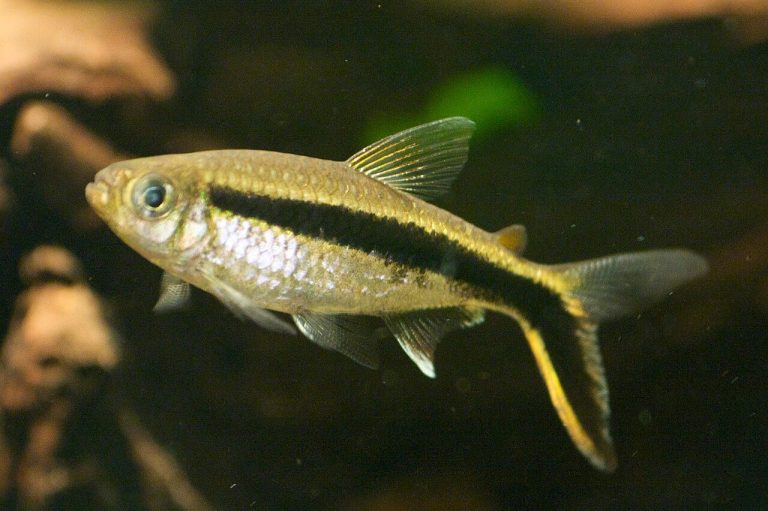
For instance, the size of silvertip tetras is quite similar to Neons, but they are much more boisterous and aggressive. This can sometimes lead to the smaller Neons being bullied away from food.
Cardinal Tetras look almost identical to Neons but grow slightly larger, often reaching 2 inches. If you want the “Neon look” but have a larger tank to fill, Cardinals might be the better choice.
Tank Mate Compatibility
Because of their diminutive size, Neon Tetras are “snack-sized” for many larger fish. A full-grown Angelfish, for example, can easily swallow a Neon Tetra.
Always choose tank mates that are peaceful and have similar mouth sizes. Small rasboras, Corydoras catfish, and dwarf shrimp make excellent companions for a school of Neons.
If you notice your Neons are hiding constantly, they are likely stressed by their tank mates. A stressed fish will rarely reach its maximum potential length or display its best colors.
Common questions about Neon Tetra Size
How long does it take for a Neon Tetra to reach full size?
Typically, a Neon Tetra will reach its full adult size within 6 to 9 months. This timeline depends heavily on the quality of their diet and the stability of the water parameters.
Can a Neon Tetra grow larger than 1.5 inches?
While rare, some individuals in exceptionally large, well-maintained aquariums have been reported to reach nearly 2 inches. However, 1.2 to 1.5 inches is the standard for the vast majority of the hobby.
Does the tank size limit how big they grow?
Yes, indirectly. A small tank leads to faster waste accumulation and less exercise. Stunted growth is almost always a result of environmental stress rather than the physical glass walls “shrinking” the fish.
Why are my Neon Tetras staying small?
If your fish are older than a year and still under an inch, they may have been stunted as juveniles. Common causes include poor nutrition at the wholesaler, high nitrate levels, or internal parasites.
Is there a difference in size between Neon Tetras and Green Neon Tetras?
Yes, the Green Neon Tetra (Paracheirodon simulans) is actually slightly smaller than the standard Neon Tetra. They usually max out at about 1 inch in length.
Conclusion: Maximizing the Potential of Your School
Understanding the neon fish size is about more than just numbers; it is about providing the right environment for a living creature to settle in. When you respect their need for space, soft water, and a varied diet, you are rewarded with a spectacular display.
In my experience, the most beautiful tanks aren’t necessarily the ones with the largest fish. They are the ones where the fish are healthy, active, and showing their natural colors.
A school of twenty Neon Tetras, each at their full 1.5-inch size, darting through a heavily planted aquarium, is a sight that never gets old. It represents the pinnacle of the freshwater hobby—a perfect balance of nature and care.
If you follow the guidelines for water chemistry, tank sizing, and nutrition, you make sure that your “tiny” fish live a long, rich life. In aquariums, the smallest details often make the biggest difference.

- 2003First tank
- 20+Years keeping
- 40+Tanks kept
- 0Sponsored picks
Howard set up his first 10-gallon planted tank in 2003 and lost half of it within six weeks. Two decades and more than forty aquariums later, he writes the guides he wished he had then: clear numbers, the reasons behind them, and what actually goes wrong in home tanks.