Are Tetras Livebearers – What You Need to Know
No, tetras are not livebearers. They are oviparous fish, meaning they lay eggs that hatch outside the body, unlike livebearers such as guppies or mollies which give birth to free-swimming fry.
When you first enter fish keeping, the sheer variety of reproductive methods can be overwhelming. One of the most common questions I hear from new hobbyists is, “are tetras livebearers”, usually because they see a female tetra looking a bit “plump” and assume babies are on the way.
In my 10-plus years of maintaining community tanks, I have seen many beginners wait in vain for a school of Neon Tetras to suddenly produce live fry. Understanding the distinction between egg-layers and livebearers is the first step toward becoming a successful aquarist.
In this guide, we will look closely at the biology of the Characidae family, explore why tetras are classified as egg-scatterers, and provide actionable steps for those who want to try their hand at breeding these colorful fish.
At a glance: Tetras (general) (Family Characidae and relatives)
- Temperature
- 72–80°F (22–27°C) for most species
- Water pH
- 6.0–7.5 for most species
- Adult size
- 1–3 in (2.5–8 cm)
- Minimum tank
- 10–30 gal depending on species
- Group size
- Groups of 6–10+
- Temperament
- Mostly peaceful schooling fish
- Diet
- Omnivores: quality flakes or micro pellets plus frozen foods
- Lifespan
- 3–8 years
Keeper’s tip: Schooling size matters more than tank size for most tetras: small groups hide, nip and stress.
Understanding the Difference: Are Tetras Livebearers or Egg-Layers?
To answer the question directly, tetras belong to a group of fish that are strictly egg-layers. While livebearers like guppies, platies, and swordtails belong to the Poeciliidae family, tetras are part of the diverse Characidae family.
The primary biological difference lies in how the embryos develop. Livebearers have internal fertilization, where the male uses a specialized fin called a gonopodium to transfer sperm to the female.
Tetras, on the other hand, practice external fertilization. The female releases her eggs into the water column or onto plants, and the male fertilizes them almost simultaneously. This process is known as being oviparous.
Pro Tip: If you see a tetra with a very rounded belly, she isn’t “pregnant” in the way a mammal or a guppy is. She is “gravid,” meaning she is carrying a batch of unfertilized eggs that she needs the right environmental triggers to release.
Another way to distinguish these groups is by looking for the adipose fin. This is a small, fleshy fin located on the back, just behind the dorsal fin and before the tail. Most tetras possess this fin, while common livebearers do not.
The Biology of Tetra Reproduction
When we discuss whether are tetras livebearers, we have to look at their specific spawning behavior, which is fascinatingly different from the “set it and forget it” nature of livebearers. Tetras are generally categorized as egg-scattering fish.
In the wild, many tetra species inhabit blackwater environments characterized by soft acidic water. These conditions are vital for their reproductive success, as hard water can cause the egg membranes to calcify, preventing fertilization or hatching.
Unlike livebearers, where you can clearly see a gravid spot (a dark triangular mark near the anal fin) indicating developing fry, tetras show very few outward signs of being ready to spawn other than a slight increase in girth.
| Feature | Tetras (Characidae) | Livebearers (Poeciliidae) |
|---|---|---|
| Reproduction Type | Oviparous (Egg-layer) | Ovoviviparous (Live-bearing) |
| Fertilization | External | Internal (via Gonopodium) |
| Parental Care | None (Often eat eggs) | None (Often eat fry) |
| Development | Eggs hatch in 24-48 hours | Fry born fully formed |
In my experience, the lack of a “pregnant look” is why many hobbyists are surprised when they find tiny translucent spheres on their plants. Understanding that laying eggs is the natural cycle for these fish helps you prepare the right environment for them.
Why People Often Ask “Are Tetras Livebearers?”
The confusion often stems from how these fish are marketed and kept. In most pet stores, tetras and livebearers are housed in the same sections because they are both “beginner-friendly” community fish.
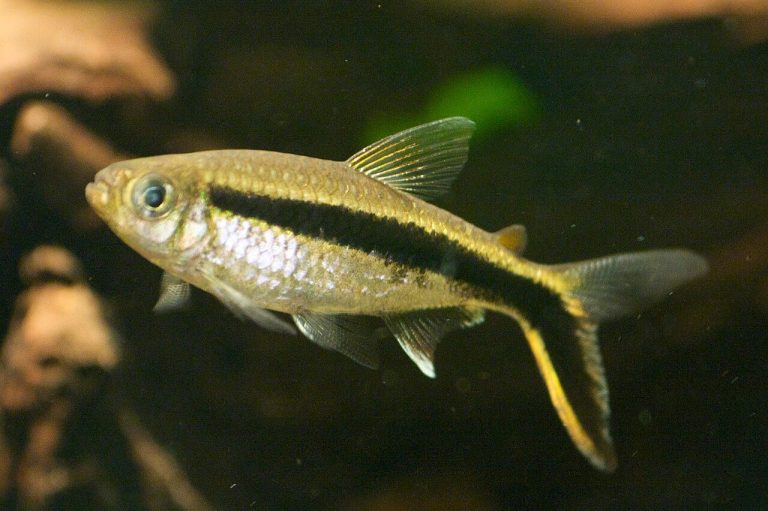
Furthermore, some species of tetras, like the Black Skirt Tetra, can become quite deep-bodied. When a female is full of eggs, she can look remarkably similar to a pregnant molly or platy.
However, the “delivery” is very different. While a livebearer will hide and eventually release 20 to 100 fully developed fry, a tetra will engage in a high-energy chase through the plants, scattering hundreds of tiny, adhesive or semi-adhesive eggs.
If you are interested in the specifics of the process, researching tetra reproduction will reveal just how much effort goes into a successful spawning event compared to the relatively easy breeding of guppies.
How to Breed Tetras Successfully
Since we have established that the answer to are tetras livebearers is a firm “no,” you might be wondering how to actually get them to breed. It is significantly more challenging than breeding livebearers, but far more satisfying.
First, you need a dedicated breeding tank. Tetras are notorious egg-eaters. If they spawn in a community tank, the eggs will almost certainly be eaten by the parents or other tank mates before they even hit the substrate.
The breeding tank should have very soft water and a slightly acidic pH (around 6.0 to 6.5). I have always found that using peat moss or Indian Almond leaves helps to naturally lower the pH and provide the tannins that many tetras love.
Pro Tip: Use a spawning mop or a thick layer of Java Moss at the bottom of the breeding tank. This gives the eggs a place to fall where the parents cannot easily reach them to eat them.
Conditioning the parents is the next essential step. For about two weeks before you plan to breed them, feed the adults high-quality live or frozen foods like brine shrimp or daphnia. This mimics the abundance of food in the wild during the rainy season, which is when most tetras naturally spawn.
Caring for Tetra Eggs and Fry
Once the eggs are laid, your work has just begun. Unlike livebearer fry, which are born large enough to eat crushed flakes, tetra fry are microscopic and extremely fragile.
The eggs are often light-sensitive. In my early years, I lost many batches of eggs because I left the tank lights on. Keeping the tank in near-total darkness for the first 48 hours is a trick that many professional breeders use to make sure a high hatch rate.
Once the fry hatch, they will spend a few days absorbing their yolk sacs. After that, they need “infusoria.” Infusoria is a collective term for microscopic aquatic organisms like protozoa that are small enough for the tiny mouths of newborn tetras.
| Fry Age | Recommended Food | Feeding Frequency |
|---|---|---|
| Days 1-3 | Yolk Sac (No feeding) | N/A |
| Days 4-10 | Infusoria / Liquid Fry Food | 4-5 times daily (small amounts) |
| Day 10+ | Baby Brine Shrimp (BBS) | 3-4 times daily |
| Week 4+ | Finely crushed flakes / Microworms | 2-3 times daily |
Learning how to breed tetras successfully requires patience. You will likely fail your first few times, but once you see that first school of tiny fry swimming together, you’ll be hooked on the process.
Common Tetra Species and Their Needs
While most tetras follow the egg-scattering pattern, some are easier to breed than others. If you are a beginner wondering are tetras livebearers because you want an easy breeding project, I suggest starting with the more “hardy” species.
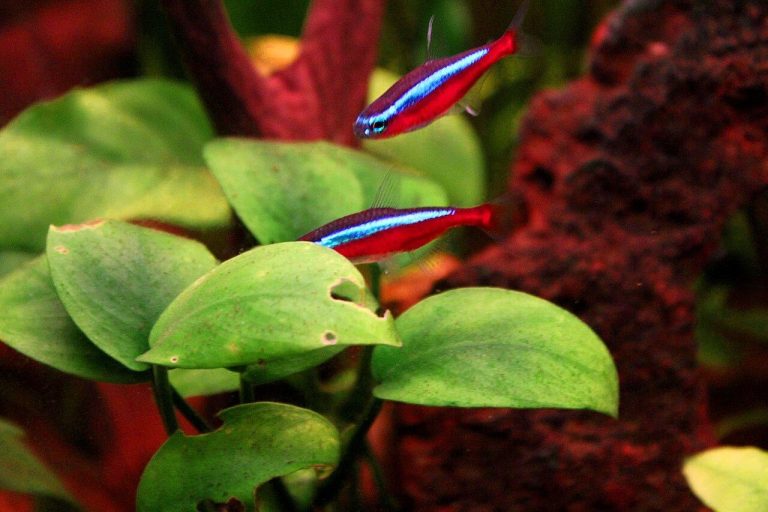
Neon Tetras are famously difficult to breed because their eggs are incredibly sensitive to light and water hardness. On the other hand, Black Skirt Tetras or White Cloud Mountain Minnows (though not technically tetras, they are often kept similarly) are much more forgiving.
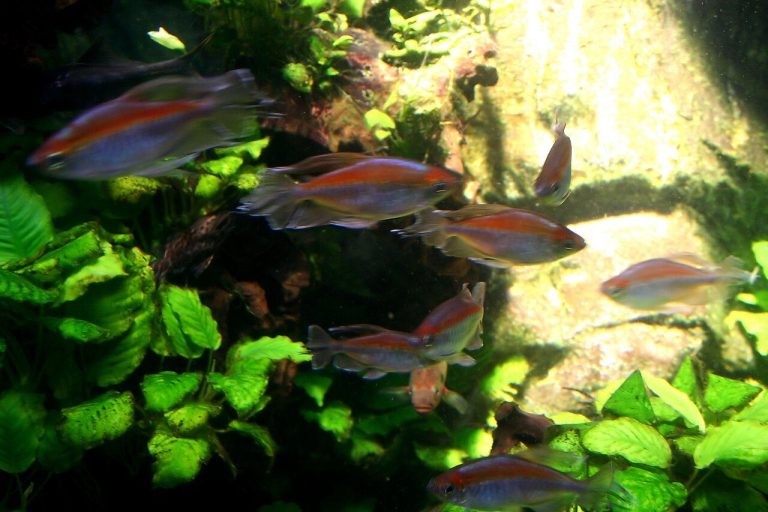
The Glowlight Tetra is another excellent candidate for intermediate breeders. They have a very clear “spawning embrace” where the male and female lock together briefly to release eggs, making it easy to tell when the mission has been accomplished.
Regardless of the species, the “golden rule” remains the same: remove the parents immediately after spawning. If you leave them in the tank, they will treat the eggs like a caviar buffet.
A few common questions
Can tetras breed in a community tank?
While tetras can and do spawn in community tanks, it is extremely rare for any fry to survive. The eggs are tiny and delicious to other fish, and even if they hatch, the fry are so small they are usually eaten or sucked into the filter.
How do I know if my tetra is ready to lay eggs?
A gravid female will look noticeably thicker when viewed from above. You may also notice the males becoming much more active and “chasing” the females into thickets of plants. This is a sign that spawning is imminent.
Why are my tetra eggs turning white?
If the eggs turn white and fuzzy, they have been attacked by fungus. This usually happens if the eggs were unfertilized or if the water quality is poor. Using a small amount of Methylene Blue in the breeding tank can help prevent this.
Do tetras have a “pregnancy” period?
No, because they are not livebearers. They don’t carry developing fry. The time from the female becoming gravid to laying eggs depends on environmental triggers like water changes, temperature shifts, and food availability.
In short
So, are tetras livebearers? As we have explored, the answer is a definitive no. They are egg-scatterers that require specific water conditions and a bit of extra care to successfully reproduce.
While they might not be as “plug-and-play” as guppies or mollies, the challenge of breeding tetras is what makes the aquarium hobby so engaging. There is nothing quite like the feeling of successfully raising a batch of fry from microscopic eggs to a rich, shimmering school.
If you focus on soft acidic water, proper conditioning with live foods, and protecting the eggs from hungry parents, you can master the art of tetra breeding. Whether you are keeping Neon Tetras or the strong Black Skirts, understanding their biology is the key to a healthy, healthy aquarium.
Every expert was once a beginner asking these same questions. Keep observing your fish, keep testing your water, and most importantly, enjoy the incredible underwater world you’ve created.

- 2003First tank
- 20+Years keeping
- 40+Tanks kept
- 0Sponsored picks
Howard set up his first 10-gallon planted tank in 2003 and lost half of it within six weeks. Two decades and more than forty aquariums later, he writes the guides he wished he had then: clear numbers, the reasons behind them, and what actually goes wrong in home tanks.