Cardinal Tetra Temperature – Care Guide
The ideal cardinal tetra temperature range is between 73°F and 81°F (23°C to 27°C). Maintaining a stable temperature within this bracket ensures a healthy metabolic rate and strong immune system for these vivid tropical fish.
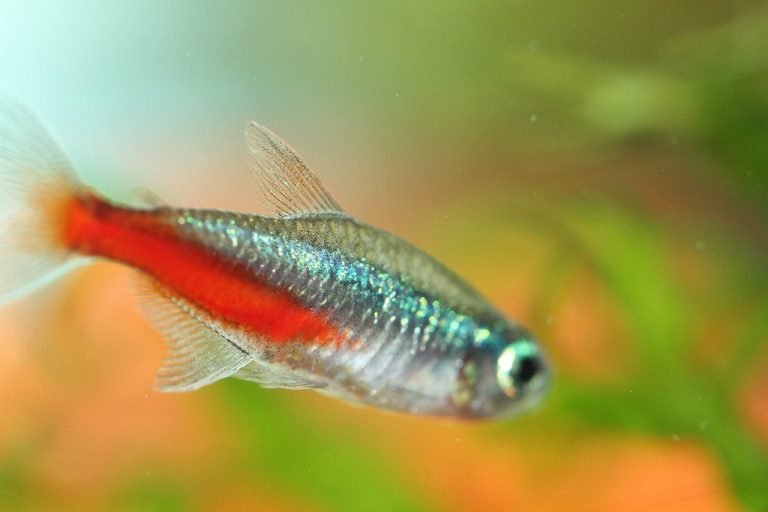
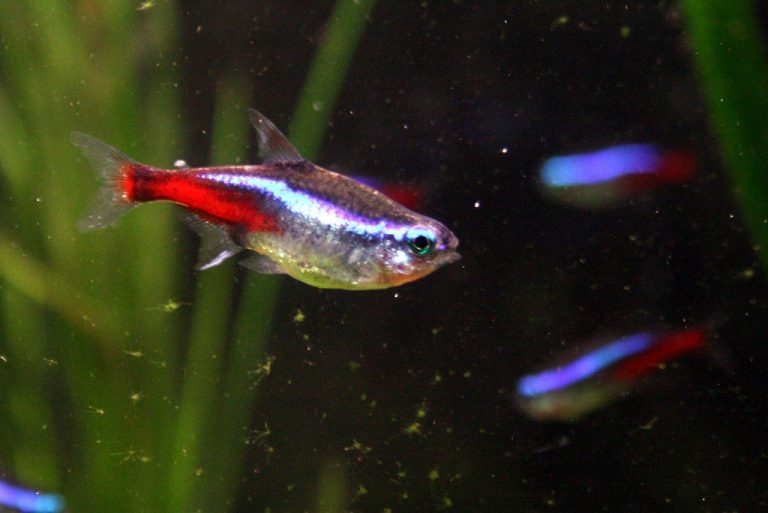
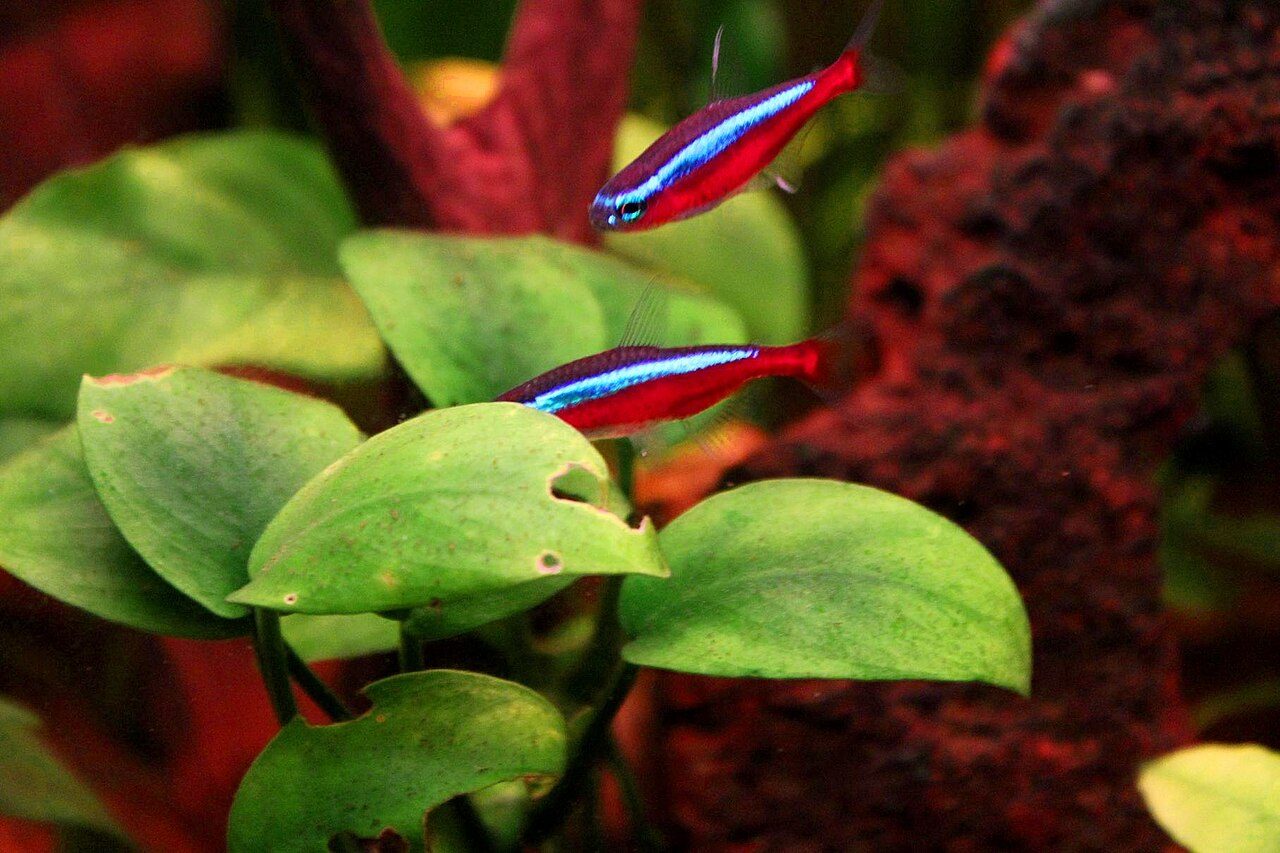
Few sights in the aquarium hobby are as striking as a large school of Cardinal Tetras (Paracheirodon axelrodi) shimmering under high-quality lighting. Their deep red and brilliant neon blue stripes bring an unmatched energy to any planted tank or blackwater setup.
In my experience, the secret to keeping these fish rich and active for years lies in mastering the cardinal tetra temperature and water stability. While they are often compared to their cousins, the Neon Tetra, Cardinals are a distinct species with specific needs rooted in their wild origins.
In this guide, I will share the technical details and practical wisdom I have gathered over a decade of maintaining these delicate beauties. We will explore how temperature affects their biology, how to prevent common diseases, and how to replicate their natural Amazonian home.
| Parameter | Ideal Range | Notes |
|---|---|---|
| Water Temperature | 73°F – 81°F (23°C – 27°C) | Stability is more important than the exact number. |
| pH Level | 4.5 – 7.0 | They prefer acidic water, typical of blackwater habitats. |
| Water Hardness | 1 – 4 dGH | Soft water is essential for long-term health. |
At a glance: Cardinal tetra (Paracheirodon axelrodi)
- Temperature
- 76–84°F (24–29°C)
- Water pH
- 4.5–7.0
- Adult size
- 2 in (5 cm)
- Minimum tank
- 20 gal
- Group size
- Groups of 8+
- Temperament
- Peaceful
- Diet
- Omnivore: small pellets, flakes, frozen bloodworm
- Lifespan
- 4–6 years
Keeper’s tip: Cardinals like it warmer and softer than neons, so they are a poor match for cool-water tank mates.
Understanding Cardinal Tetra Temperature and Water Parameters
Cardinal Tetras are ectothermic, meaning their internal body temperature is dictated by the water surrounding them. This makes the cardinal tetra temperature one of the most critical factors in their overall well-being and longevity.
When the water is too cold, their metabolic rate slows down significantly, leading to lethargy and a weakened immune system. Conversely, water that is too warm can accelerate their metabolism, causing them to age faster and potentially leading to oxygen deprivation.
I have found that while they can survive at the lower end of the spectrum, they do well and show their best colors when kept consistently between 76°F and 78°F. This “sweet spot” balances their energy levels while allowing for high dissolved oxygen saturation in the water column.
Pro Tip: Always use two smaller heaters instead of one large one. If one fails and stays “on,” it is less likely to cook your fish, and if one fails “off,” the other can maintain enough heat to prevent thermal shock.
The Native Habitat: Learning from the Rio Negro
To understand the needs of Paracheirodon axelrodi, we must look at the Rio Negro in South America. This massive river system is famous for its “blackwater,” which is stained the color of tea by decaying organic matter and tannins.
The blackwater habitat is naturally warm and very soft, often with a pH that would be considered dangerously low for other fish. Because these waters are shaded by dense rainforest canopies, the temperature remains relatively stable throughout the day and night.
Replicating these conditions in a home aquarium involves more than just setting a submersible heater thermostat. It requires an understanding of how tannins and soft water interact with the fish’s ability to regulate their internal chemistry, a process known as thermoregulation.
Seasonal Fluctuations in the Wild
In the wild, the Amazon experiences wet and dry seasons, which can cause slight shifts in water temperature and chemistry. During the rainy season, large volumes of cooler rainwater enter the system, often triggering spawning behaviors.
In our aquariums, we can mimic this by performing a slightly cooler water change, though this should be done with extreme caution. Keeping a consistent general aquarium temperatures for tetras is usually safer for the average hobbyist.
The Role of Tannins and Heat
Tannins released from driftwood or Indian Almond leaves don’t just lower the pH; they also provide a natural antiseptic quality to the water. This is particularly helpful when maintaining a higher cardinal tetra temperature, as bacteria can stay healthy in warmer environments.
I’ve noticed that fish kept in tannin-rich water often handle temperature fluctuations better than those in crystal-clear, hard water. The organic compounds seem to reduce osmotic stress, making the fish more resilient to environmental changes.
Managing Temperature in the Home Aquarium
Maintaining the perfect cardinal tetra temperature requires reliable equipment and a bit of daily observation. A high-quality heater is the most important investment you will make for your Cardinal Tetra school.
I always recommend a submersible heater thermostat that is easy to calibrate and has a clear display. Cheaper heaters are notorious for having inaccurate internal sensors, which can lead to dangerous temperature swings.
| Equipment Type | Pros | Cons |
|---|---|---|
| Submersible Heater | Reliable, easy to hide, precise control. | Can break if removed from water while on. |
| Digital Thermometer | Very accurate, easy to read at a glance. | Requires batteries; probe can get dirty. |
| Temperature Controller | The ultimate safety net; prevents overheating. | Higher initial cost and extra wiring. |
Choosing the Right Monitoring Tools
Never rely solely on the dial of your heater to tell you the temperature. In my early years, I lost a beautiful group of fish because I trusted a heater dial that was off by nearly five degrees.
A separate digital or glass thermometer is essential for verifying the actual cardinal tetra temperature in the tank. Place the thermometer at the opposite end of the tank from the heater to ensure the heat is being distributed evenly by your filter flow.
If you find that the temperature varies in different spots, you may need to adjust your filter intake or add a small powerhead. Proper circulation prevents “cold pockets” that can stress your fish and lead to illness.
Dealing with Summer Heatwaves
One of the biggest challenges for tetra keepers is managing high temperatures during the summer months. If your tank exceeds 84°F for an extended period, the dissolved oxygen saturation drops, which can be fatal for Cardinals.
When this happens, I usually turn off the aquarium lights to reduce heat and increase surface agitation with an air stone. In extreme cases, you can use a small clip-on fan to blow across the water surface, which lowers the temperature through evaporation.
Pro Tip: During a heatwave, avoid feeding your fish heavily. A higher cardinal tetra temperature increases their metabolism, but digestion also requires oxygen, which is already in short supply in warm water.
Risks of Improper Cardinal Tetra Temperature
When the cardinal tetra temperature falls outside the ideal range, the fish become susceptible to a variety of issues. The most common problem I see in the hobby is thermal shock, often caused by rapid changes during water additions.
Even a shift of 3 or 4 degrees in a matter of minutes can overwhelm their delicate systems. This stress often manifests as a loss of color, erratic swimming, or a sudden outbreak of disease.
Ichthyophthirius multifiliis (Ich)
White spot disease, or Ichthyophthirius multifiliis, is a common parasite that often strikes when a Cardinal Tetra’s immune system is compromised by cold water. If the temperature drops below 70°F, the fish’s natural defenses slow down, allowing the parasite to take hold.
Interestingly, raising the cardinal tetra temperature to about 82°F or 84°F is a common treatment for Ich, as it speeds up the parasite’s life cycle. However, this should only be done temporarily and with increased aeration to compensate for lower oxygen levels.
You can learn more about managing sensitive species in our guide on care and tank requirements. Understanding the basic needs of these fish is the first step toward preventing these common ailments.
Metabolism and Lifespan
Keeping Cardinals at the upper limit of their range (82°F+) long-term is generally not recommended. While they might appear active, their bodies are working overtime, which can lead to a shorter lifespan and increased aggression.
A moderate temperature promotes a steady growth rate and allows the fish to develop the deep, “neon” glow that they are famous for. When I keep my tanks at 77°F, I find that my Cardinals live much longer than those kept in warmer tropical “community” setups.
Cardinal Tetra vs. Neon Tetra Temperature
A very common mistake among beginners is treating Cardinal Tetras and Neon Tetras as if they have the exact same requirements. While they look similar, their origins in the wild dictate different temperature preferences.
Neon Tetras come from cooler, clearer waters and generally prefer temperatures between 70°F and 74°F. In contrast, the ideal neon tetra temperature range is slightly lower than what a Cardinal requires to settle in.
If you try to keep them together, one species will always be at the edge of its comfort zone. In my experience, keeping Cardinals in a tank that is too cool for them is a recipe for chronic health issues and dull coloration.
Acclimating Your Tetras to New Temperatures
The most dangerous time for a Cardinal Tetra is the transition from the fish store to your home aquarium. These fish are highly sensitive to changes in water chemistry and osmotic stress.
I always recommend the “drip acclimation” method, which slowly introduces your tank water into the transport bag over 45 to 60 minutes. This allows the fish to adjust to the new cardinal tetra temperature and pH levels at a pace that won’t shock their systems.
Once the water in the bag matches the tank’s parameters, gently net the fish out and place them into the aquarium. Never dump the transport bag water into your tank, as it may contain pathogens or high levels of ammonia.
A few common questions
Can cardinal tetras live at 82 degrees?
Yes, they can live at 82°F, and many hobbyists use this temperature for breeding or treating diseases. However, for long-term health, a slightly cooler temperature of 76-78°F is usually better to prevent metabolic burnout.
What happens if the water is too cold for cardinal tetras?
If the cardinal tetra temperature drops below 72°F, the fish will become lethargic and stop eating. Their immune systems will weaken, making them highly susceptible to parasites like Ich and fungal infections.
Do cardinal tetras need a heater?
Absolutely. Unless you live in a tropical climate where your room temperature stays consistently between 75°F and 80°F, a heater is mandatory. Fluctuations at night can be particularly stressful without a thermostat-controlled heater.
Is 75°F too cold for cardinal tetras?
75°F is at the lower end of their acceptable range. While they can survive at this temperature, they are generally more active and display better colors when the water is kept a few degrees warmer.
Why are my cardinal tetras losing color at night?
This is a natural behavior called “night coloration” and is not necessarily related to temperature. However, if they remain pale during the day, it is a strong sign of stress, often caused by incorrect water parameters or temperature swings.
In short
Mastering the cardinal tetra temperature is the foundation of a successful Amazonian display. If you provide a stable, warm, and soft water environment, you are giving these iconic fish the best chance at a long and rich life.
Remember that equipment quality matters just as much as the numbers on the thermometer. Invest in a reliable heater, monitor your tank daily, and always prioritize stability over chasing “perfect” parameters.
In my years of fish keeping, I have found that the most successful aquarists are those who observe their fish closely. If your Cardinals are schooling tightly, eating well, and glowing with deep reds and blues, you have likely found the perfect balance for your underwater world.

- 2003First tank
- 20+Years keeping
- 40+Tanks kept
- 0Sponsored picks
Howard set up his first 10-gallon planted tank in 2003 and lost half of it within six weeks. Two decades and more than forty aquariums later, he writes the guides he wished he had then: clear numbers, the reasons behind them, and what actually goes wrong in home tanks.