Neon Tetra Temperature Range – Care Guide
The ideal neon tetra temperature range is 70°F to 81°F (21°C to 27°C). For long-term health and stability, most experts recommend maintaining a consistent temperature of 75°F to 78°F (24°C to 26°C).
When you first bring home a school of Paracheirodon innesi, better known as the Neon Tetra, you are introducing one of the most iconic species in the hobby to your home.
In my ten years of managing South American setups, I have found that the neon tetra temperature range is often the most misunderstood aspect of their care.
While these fish are relatively hardy, their biological processes are strictly dictated by the thermal conditions of the water they inhabit.
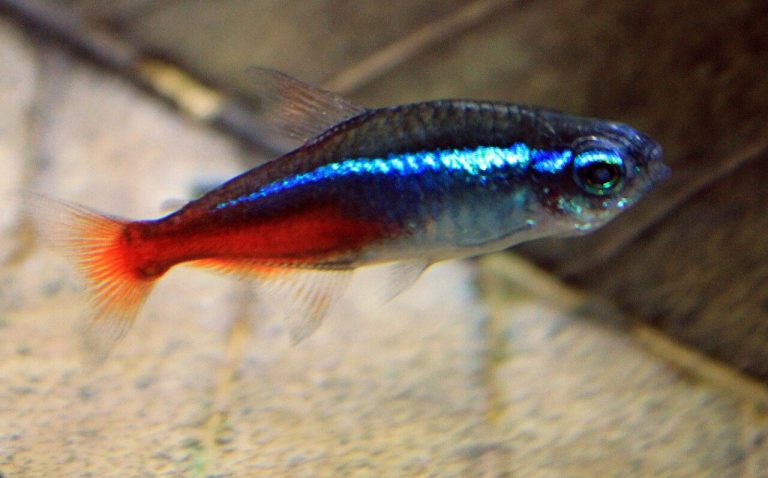
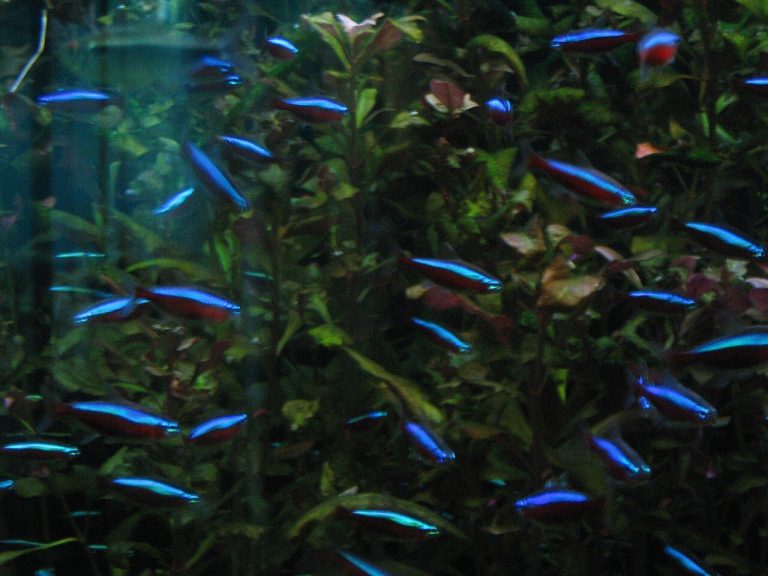
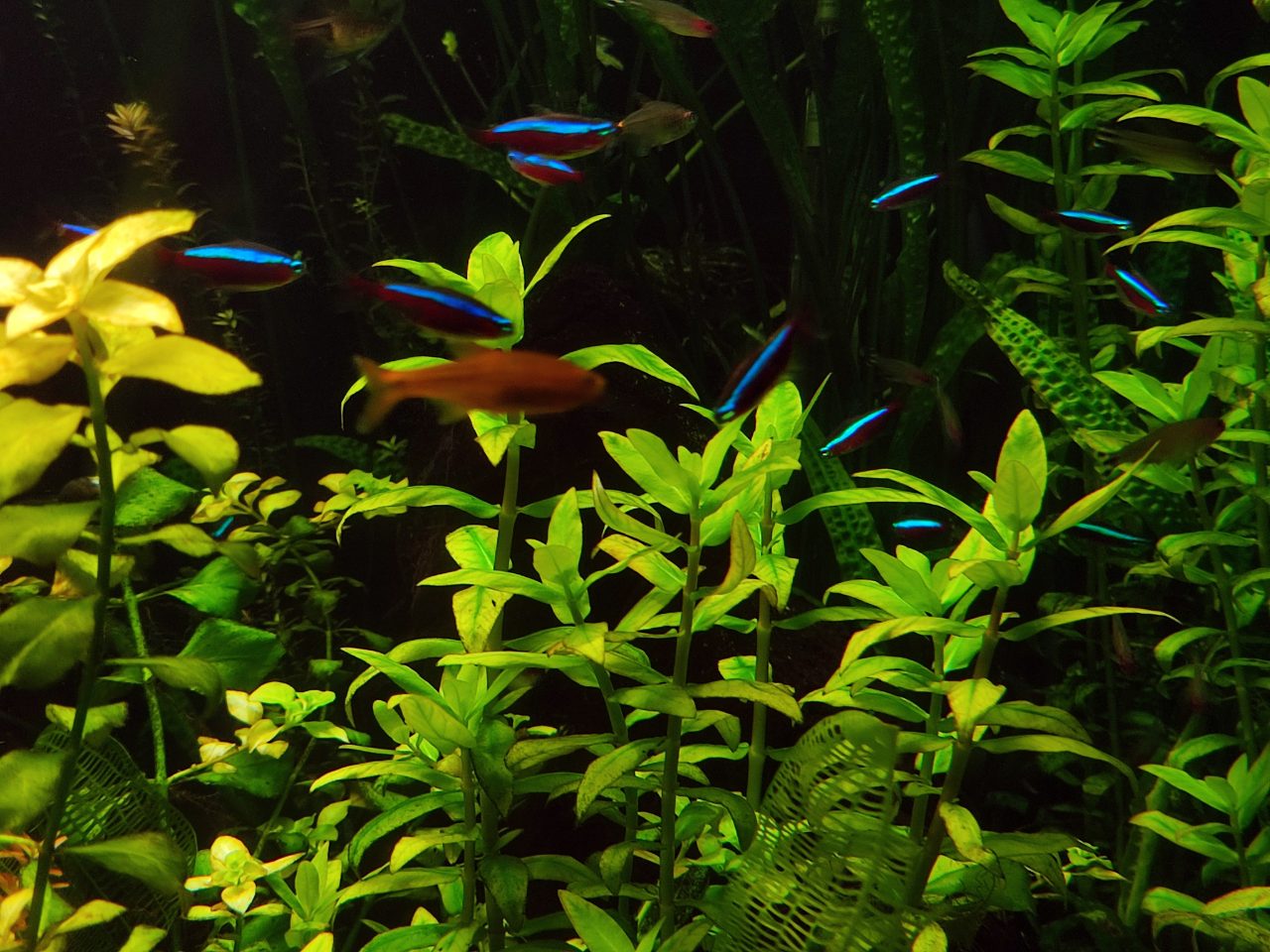
The Neon Tetra is a staple for anyone keeping these vivid fish because of their eye-catching blue and red stripes.
However, failing to provide the correct thermal environment can lead to a suppressed immune system and a significantly shortened lifespan.
In this guide, we will explore the nuances of water temperature and how to keep your school healthy for years to come.
At a glance: Neon tetra (Paracheirodon innesi)
- Temperature
- 72–78°F (22–26°C)
- Water pH
- 6.0–7.0
- Adult size
- 1.5 in (4 cm)
- Minimum tank
- 10 gal (20 gal for a proper school)
- Group size
- Groups of 8+
- Temperament
- Peaceful
- Diet
- Omnivore: micro pellets, flakes, frozen daphnia
- Lifespan
- 5–8 years
Keeper’s tip: Add neons only to a fully cycled, stable tank; they are among the first fish to suffer from ammonia swings.
Understanding the Ideal neon tetra temperature range
The neon tetra temperature range is wider than many beginners realize, but “surviving” and “well-kept” are two very different things.
In their natural habitat, these fish experience slight seasonal shifts, yet the home aquarium should remain a bastion of stability.
I generally suggest aiming for a “sweet spot” of 76°F (24.5°C), as this provides a buffer for both cooling and heating malfunctions.
| Condition | Temperature Range (°F) | Temperature Range (°C) | Primary Goal |
|---|---|---|---|
| Standard Maintenance | 72°F – 78°F | 22°C – 26°C | Longevity & Daily Health |
| Breeding Stimulation | 79°F – 81°F | 26°C – 27°C | Encouraging Spawning |
| Disease Treatment | 82°F – 85°F | 28°C – 29°C | Metabolizing Pathogens |
| Absolute Minimum | 68°F | 20°C | Emergency Threshold |
The Importance of Stability over Specificity
While the table above provides clear numbers, I have noticed that the stability of the temperature is more important than the exact degree.
A tank that fluctuates between 72°F and 80°F every day is far more dangerous than a tank that stays at a steady 73°F.
Rapid changes cause significant stress, which can lead to a condition known as thermal shock.
Seasonal Fluctuations in the Home
In my experience, many keepers forget that their room temperature affects the aquarium.
If your home lacks climate control, your neon tetra temperature range might climb too high in the summer or drop too low in the winter.
This is why a high-quality heater is an absolute necessity, even if you live in a tropical climate.
Pro Tip: Always use two smaller heaters instead of one large one. If one fails in the “on” position, it is less likely to cook your fish, and if one fails “off,” the other can maintain enough heat to prevent a total crash.
The Biological Role of Temperature in Ectothermic Homeostasis
Fish are ectothermic, meaning they cannot produce their own body heat and rely entirely on the surrounding water.
When you stay within the recommended neon tetra temperature range, you are supporting their ectothermic homeostasis.
This balance makes sure that every internal organ, from the heart to the digestive tract, functions at peak efficiency.
Impact on Metabolic Rate
The temperature of the water directly dictates the metabolic rate of your tetras.
In warmer water, their metabolism speeds up, causing them to eat more, produce more waste, and potentially age faster.
Conversely, water that is too cold will cause their metabolism to sluggishly slow down, leading to lethargy and a weakened immune response.
Dissolved Oxygen Saturation and Heat
One of the most critical relationships in fish keeping is the link between temperature and dissolved oxygen saturation.
As water temperature increases, its ability to hold oxygen decreases significantly.
If you are keeping your neons at the higher end of the neon tetra temperature range, you must ensure there is plenty of surface agitation to facilitate gas exchange.
The Dangers of Thermal Shock
Thermal shock occurs when a fish is moved too quickly between different temperatures.
I always recommend a slow drip acclimation process when introducing new fish.
This allows the tetra’s internal chemistry to adjust gradually, preventing the devastating physiological collapse that often follows a sudden 5-degree shift.
Replicating the Natural Amazon Basin Tributaries
To understand why the neon tetra temperature range matters, we have to look at the Amazon Basin tributaries.
These fish primarily inhabit “blackwater” environments, characterized by slow-moving, tea-colored water rich in tannins.
The dense rainforest canopy overhead provides significant shade, keeping the water cooler than the open rivers.
The Blackwater Biotope
In a blackwater biotope, the water is naturally acidic and soft.
The leaf litter on the bottom of these streams acts as a thermal insulator for the substrate.
By replicating these conditions, you provide a sense of security that allows the fish to display their most vivid colors.
Seasonal Rains and Temperature Shifts
During the rainy season in the Amazon, the influx of cool rainwater can drop the temperature slightly.
This natural cycle is often what triggers the urge to begin spawning tetras in the wild.
In the aquarium, we can mimic this by performing a slightly cooler water change to simulate the arrival of the monsoon.
Why Wild-Caught vs. Tank-Bred Matters
Most neon tetras found in local fish stores today are tank-bred in Florida or Southeast Asia.
These specimens are often more tolerant of a wider neon tetra temperature range than their wild-caught counterparts.
However, if you are lucky enough to find wild-caught Paracheirodon innesi, you must be much stricter with your thermal and pH parameters.
Temperature Fluctuations and Common Health Problems
When the water falls outside the safe neon tetra temperature range, the first sign of trouble is usually a disease outbreak.
A stressed fish is an easy target for opportunistic pathogens that are always present in aquarium water.
In my years of troubleshooting tanks, temperature is almost always the underlying “invisible” culprit.
Ichthyophthirius multifiliis (Ich)
White spot disease, or Ich, is perhaps the most common ailment associated with temperature stress.
If the water becomes too cold, the fish’s slime coat thins, allowing the Ichthyophthirius multifiliis parasite to attach.
Interestingly, raising the temperature to the high end of the range is often part of the cure, as it speeds up the parasite’s life cycle.
Flavobacterium columnare (Columnaris)
Unlike Ich, the bacteria Flavobacterium columnare stays healthy in warmer water.
If your tank is consistently above 80°F, you may see “saddleback” lesions or mouth rot.
This is why I often caution against keeping neons in a community setup with fish that require very high heat, like Discus.
Neon Tetra Disease (Pleistophora hyphessobryconis)
While not directly caused by temperature, the progression of Neon Tetra Disease is accelerated by heat.
The spores of this microsporidian parasite can spread more rapidly when the metabolic rate of the fish is high.
Making sure your tank in the mid-70s can help manage the overall health of the school and potentially slow the spread of such devastating issues.
Pro Tip: Use an independent digital thermometer with a probe. Built-in heater thermostats are notorious for being inaccurate, sometimes being off by as much as 4 degrees. Always verify your temperature with a second device.
Critical Equipment for Thermal Stability
Maintaining the correct neon tetra temperature range requires more than just a heater; it requires a system of checks and balances.
I have seen many beautiful schools lost because of a simple equipment failure that could have been prevented.
Investing in quality gear is the best insurance policy for your aquatic pets.
Submersible Heater Calibration
When you buy a new heater, do not assume the dial is correct.
Submersible heater calibration is a vital first step in setting up any aquarium.
I always place my heaters in a bucket of water first to test their “cutoff” point before trusting them with my live fish.
The Role of Aquarium Controllers
For those with larger or more expensive setups, an aquarium controller is a big help.
These devices act as a secondary thermostat, cutting power to the heater if the water exceeds a certain temperature.
This prevents the “cooked fish” scenario that every long-term hobbyist fears.
Placement Matters
I have noticed that many beginners place their heaters in “dead spots” where there is little water flow.
This leads to uneven heating, where one side of the tank is 78°F and the other is 72°F.
Always place your heater near the filter intake or outlet to make sure the warmed water is distributed evenly throughout the tank.
| Equipment Type | Pros | Cons |
|---|---|---|
| Glass Submersible Heater | Inexpensive, widely available | Can crack, less durable |
| Titanium Heater | Indestructible, very accurate | Requires external controller |
| Digital Thermometer | Easy to read, precise | Requires batteries |
| Stick-on (LCD) Strip | Cheap, no batteries | Inaccurate, measures glass temp |
Managing Heat During Summer Months
While keeping the water warm is usually the challenge, sometimes the neon tetra temperature range is exceeded by high ambient heat.
If your aquarium water starts creeping toward 82°F or 84°F, you need to take immediate action to cool it down.
Neon tetras do not handle prolonged heat waves well due to the oxygen depletion mentioned earlier.
Evaporative Cooling Techniques
The simplest way to lower the temperature is to use a small fan blowing across the surface of the water.
This increases evaporation, which naturally pulls heat away from the tank.
In my experience, this can drop the temperature by 2-4 degrees within a few hours.
Removing the Lid and Lighting
Aquarium hoods and high-intensity lights can trap a surprising amount of heat.
During a heatwave, I recommend propping the lid open and turning off the lights.
The fish will be fine in the dark for a few days, and it prevents the water from absorbing additional energy.
Emergency Ice Packs
If the temperature hits critical levels (above 86°F), you can float sealed bags of ice or frozen water bottles in the tank.
Do not drop ice cubes directly into the water, as this can cause localized “cold spots” and mess with your chlorine levels.
Monitor the thermometer closely to make sure the drop isn’t too rapid.
FAQ: Common Questions About Neon Tetra Temperatures
Can neon tetras live in unheated tanks?
Generally, no. Unless your home stays at a constant 75°F year-round, an unheated tank will fluctuate too much. These fluctuations lead to stress and disease.
What happens if the temperature is too low?
If the water drops below 68°F, the neon tetra’s immune system virtually shuts down. They will become lethargic, stop eating, and likely succumb to Ich or fungal infections very quickly.
Are neon tetras okay with 82 degrees?
They can tolerate 82°F for short periods, such as during a heatwave or disease treatment. However, long-term exposure to these temperatures will increase their metabolic rate and likely shorten their lifespan.
How do I change the temperature safely?
If you need to adjust your heater, do it in small increments. I recommend changing the setting by no more than 1 or 2 degrees every 24 hours to allow the fish to acclimate.
Does the tank size affect temperature stability?
Yes, larger volumes of water hold their temperature much better than small volumes. A 20-gallon tank is much more stable than a 5-gallon tank when the room temperature changes.
Wrapping up
Mastering the neon tetra temperature range is one of the most satisfying aspects of the hobby.
If you provide a stable, warm environment that mimics the shaded tributaries of the Amazon, you allow your fish to stay healthy rather than just survive.
These shimmering gems rely on you to maintain their ectothermic homeostasis through quality equipment and consistent monitoring.
Keep your water between 75°F and 78°F, help high oxygen levels, and your neon tetras will reward you with years of vivid color and active schooling behavior.
Successful fish keeping is all about the details, and temperature is the foundation upon which everything else is built.

- 2003First tank
- 20+Years keeping
- 40+Tanks kept
- 0Sponsored picks
Howard set up his first 10-gallon planted tank in 2003 and lost half of it within six weeks. Two decades and more than forty aquariums later, he writes the guides he wished he had then: clear numbers, the reasons behind them, and what actually goes wrong in home tanks.