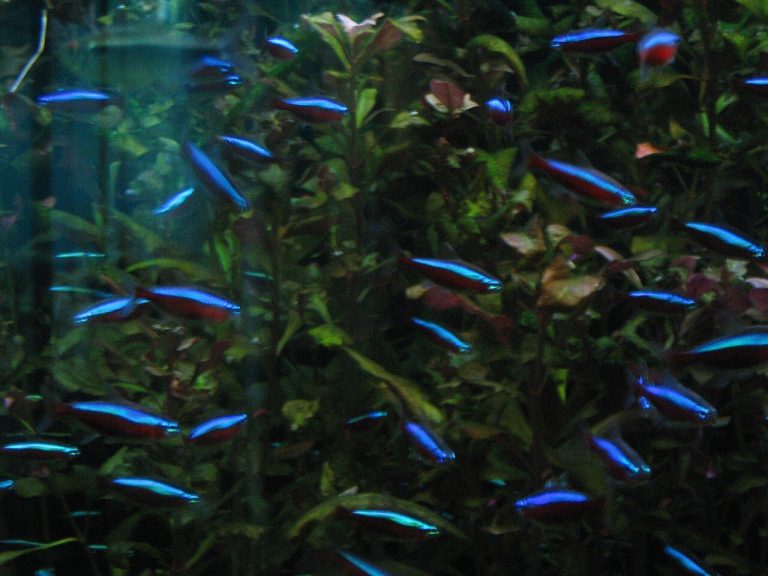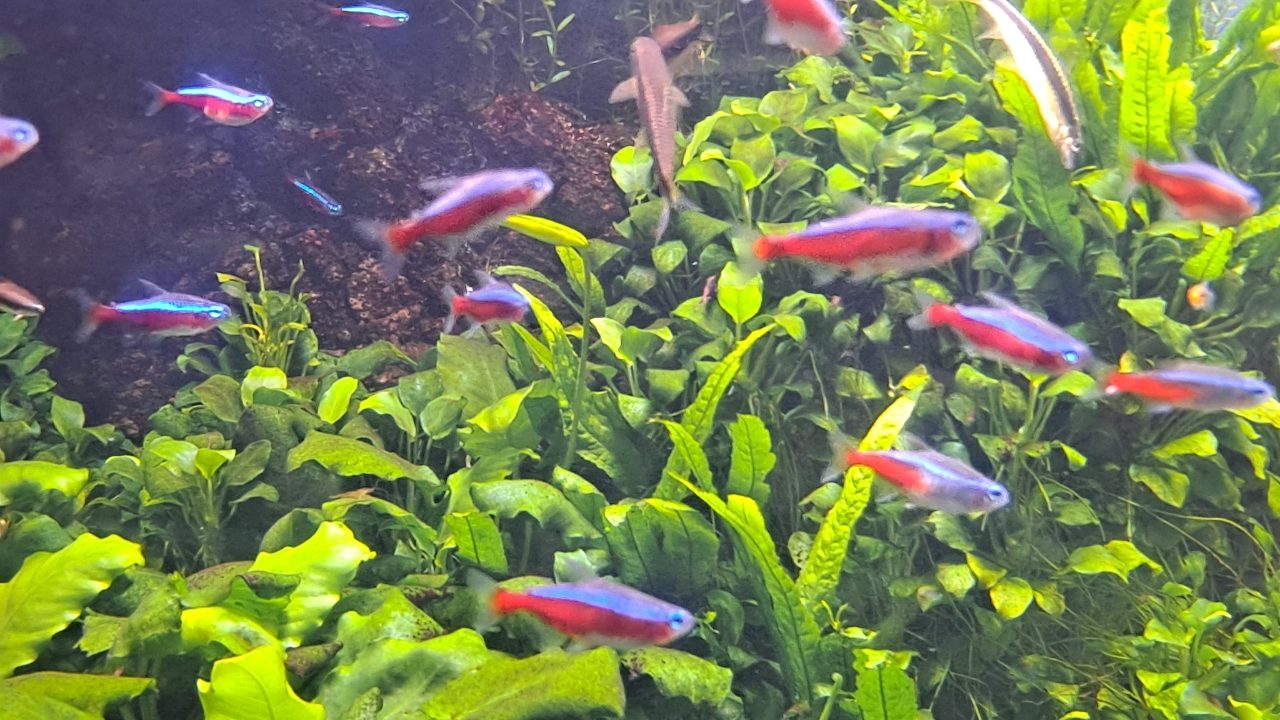
Neon Tetra Water Temperature – Care Guide
The ideal neon tetra water temperature ranges between 70°F and 81°F (21°C–27°C). For long-term health, aim for a stable 75°F (24°C) to balance metabolic rate and high dissolved oxygen levels.
Keeping neon tetra aquarium fish is one of the most satisfying experiences a hobbyist can have. After more than a decade of maintaining these shimmering jewels, I have learned that temperature is the foundation of their health.
While many beginners focus solely on filtration or feeding, the neon tetra water temperature is what dictates their internal biological pace. These fish are ectothermic, meaning they rely entirely on the surrounding water to regulate their body heat.
In this guide, I will share the nuances of thermal management I’ve gathered over the years. We will explore how to find the “sweet spot” for your tank and how to avoid the common pitfalls that lead to stress and disease.
At a glance: Neon tetra (Paracheirodon innesi)
- Temperature
- 72–78°F (22–26°C)
- Water pH
- 6.0–7.0
- Adult size
- 1.5 in (4 cm)
- Minimum tank
- 10 gal (20 gal for a proper school)
- Group size
- Groups of 8+
- Temperament
- Peaceful
- Diet
- Omnivore: micro pellets, flakes, frozen daphnia
- Lifespan
- 5–8 years
Keeper’s tip: Add neons only to a fully cycled, stable tank; they are among the first fish to suffer from ammonia swings.
Understanding Neon Tetra Water Temperature Requirements
The neon tetra, scientifically known as Paracheirodon innesi, originates from the clear water and blackwater streams of the Amazon basin. These environments are surprisingly stable, shaded by dense rainforest canopies that prevent rapid thermal shifts.
In my experience, what matters most is mimicking this stability rather than just hitting a specific number. When the neon tetra water temperature stays consistent, the fish can maintain ectothermic homeostasis with minimal effort.
If the water is too cold, their metabolic rate slows down significantly. This leads to a suppressed immune system and lethargy, making them easy targets for opportunistic pathogens.
Native Habitats and Thermal Stability
In the wild, these fish inhabit waters that vary slightly with the seasons but rarely experience the “yo-yo” effect of a small home aquarium. This is why a high-quality heater is non-negotiable for this species.
I always tell beginners that a 10-gallon tank fluctuates much faster than a 55-gallon tank. If you are using a tetra 20 gallon fish tank, you have a better thermal buffer than in a nano setup.
Pro Tip: Always place your thermometer on the opposite side of the tank from your heater. This helps make sure you are measuring the ambient temperature of the entire water column, not just the warm pocket around the heating element.
The Ideal Temperature Range for Neon Tetras
While the broad range for Paracheirodon innesi is 70°F to 81°F, the “stable zone” is much narrower. Through years of trial and error, I’ve found that 75°F (24°C) provides the best balance for growth and longevity.
At this temperature, the fish are active, their colors are rich, and they are less likely to succumb to common ailments. If you go much higher, you might see faster growth, but you will also shorten their lifespan.
To help you visualize the different zones, I have put together this reference table based on standard keeping practices:
| Condition | Temperature Range (°F) | Temperature Range (°C) | Expert Recommendation |
|---|---|---|---|
| Minimum Safe | 70°F | 21°C | Avoid long-term exposure. |
| Ideal (Healthy) | 74°F – 77°F | 23°C – 25°C | Perfect for community tanks. |
| Maximum Safe | 81°F | 27°C | Monitor oxygen levels closely. |
| Breeding Range | 75°F – 79°F | 24°C – 26°C | Triggered by soft water. |
How Temperature Affects Metabolic Rate and Longevity
One of the most overlooked aspects of neon tetra water temperature is its impact on the fish’s lifespan. Because they are cold-blooded, their heart rate and digestion speed up as the water gets warmer.
In a tank kept at a constant 80°F, a neon tetra might only live for 2 or 3 years. However, if you keep the tank at a cooler 74°F, it is not uncommon for them to reach 5 or even 8 years of age.
I have noticed that high temperatures also increase the waste production of the school. Faster metabolism means more frequent feeding and more ammonia being released into the water.
The Connection to Dissolved Oxygen Saturation
As water temperature increases, its ability to hold oxygen decreases. This is known as dissolved oxygen saturation.
In a warm tank, your neon tetras are breathing faster due to their increased metabolism, but the water actually contains less oxygen. This creates a double-edged sword of thermal stress that can be fatal if not managed.
If you see your tetras gasping at the surface, the first thing I check is the thermometer. Often, a heater malfunction has pushed the temperature too high, suffocating the fish.
Maintaining the correct neon tetra water temperature is your first line of defense against disease. Most pathogens stay healthy when a fish is stressed by fluctuating or inappropriate temperatures.
One of the most common issues is Ichthyophthirius multifiliis, better known as Ich. While many people raise the heat to treat Ich, doing so without increasing aeration can be dangerous for neon tetras.
Another concern is neon tetra disease, caused by the microsporidian parasite Pleistophora hyphessobryconis. While not caused directly by temperature, a fish weakened by thermal stress is far more likely to contract it.
Osmoregulation and Environmental Stress
Temperature also plays a vital role in osmoregulation, which is how fish maintain the balance of water and salts in their bodies. When the water is too cold, these cellular processes slow down.
I’ve seen many cases where tetras appear bloated or “pineconed” simply because their bodies couldn’t keep up with fluid regulation in chilly water. Keeping a stable temperature helps their kidneys and gills function at peak efficiency.
Pro Tip: During the summer months, if your room temperature exceeds 82°F, use a small clip-on fan to blow across the water surface. The resulting evaporation can drop the tank temperature by 2-4 degrees safely.
Essential Equipment: Heaters and Calibration
You cannot maintain a proper neon tetra water temperature without reliable equipment. I always recommend using a submersible heater calibration process to ensure accuracy.
Never trust the dial on the heater itself. These dials are often off by 2 or 3 degrees, which can be the difference between a healthy school and a stressed one.
I always use a separate digital thermometer to verify the water temperature. If I’m setting up a new tank, I let the heater run for 24 hours and check it multiple times before adding any fish.
The “Two Heater” Strategy
In my larger tanks, I prefer using two smaller heaters instead of one large one. For example, in a 40-gallon tank, I might use two 100-watt heaters.
This provides a safety net. If one heater fails “off,” the other can usually prevent the temperature from crashing. If one fails “on,” it is less likely to cook the fish before you notice the problem.
Choosing the right equipment is just as important as knowing the tetra fish compatibility chart for your community. A stable environment makes for peaceful, colorful fish.
Adjusting Temperature for Breeding Success
If you are interested in breeding tetra fish, you will need to manipulate the temperature. In nature, breeding is often triggered by the arrival of the rainy season.
The rain brings cooler, softer water. To simulate this in the aquarium, I usually lower the temperature by 2 degrees over a few days while performing a series of small water changes with soft water.
Once the fish are conditioned and moved to the spawning tank, I slowly bring the neon tetra water temperature back up to about 77°F. This slight rise, combined with low general hardness, often triggers the spawning dance.
Reader questions About Neon Tetra Water Temperature
Can neon tetras live in unheated tanks?
Generally, no. Unless you live in a tropical climate where your room temperature stays consistently between 72°F and 78°F, you need a heater. Fluctuations at night can be very stressful for them.
What is the maximum temperature for neon tetras?
They can tolerate up to 81°F (27°C) for short periods, but I don’t recommend keeping them there long-term. High heat speeds up aging and reduces oxygen levels, which can lead to chronic stress.
How do I lower the temperature during a heatwave?
The safest way is to use a fan for evaporative cooling or to perform small water changes with water that is 2 degrees cooler than the tank. Never drop ice cubes directly into the tank, as this creates dangerous thermal pockets.
Does temperature affect the color of neon tetras?
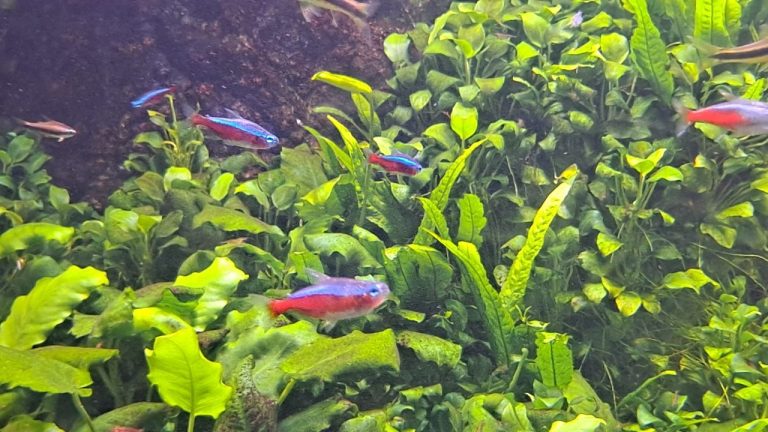
Absolutely. In water that is too cold, neon tetras often look washed out or “greyish.” When the neon tetra water temperature is in the ideal 75°F range, their blue and red stripes will pop with maximum intensity.
Summary of Best Practices
Managing the neon tetra water temperature is perhaps the most significant “hidden” factor in aquarium success. It influences everything from how much they eat to how long they live and how well they resist disease.
By aiming for a steady 75°F (24°C) and using reliable, calibrated equipment, you create an environment where your Paracheirodon innesi can settle in. Stability is always more important than chasing a “perfect” number on a dial.
If you keep your water clean, your general hardness low, and your temperature stable, your neon tetras will reward you with years of rich activity. They are a classic for a reason, and with these expert tips, you are well on your way to a successful aquarium.

- 2003First tank
- 20+Years keeping
- 40+Tanks kept
- 0Sponsored picks
Howard set up his first 10-gallon planted tank in 2003 and lost half of it within six weeks. Two decades and more than forty aquariums later, he writes the guides he wished he had then: clear numbers, the reasons behind them, and what actually goes wrong in home tanks.