Tetra 20 Gallon Fish Tank – Minimum Tank Size Explained
A tetra 20 gallon fish tank is a versatile, beginner-friendly aquarium kit that provides ample space for schooling fish like neon tetras while offering stability in water parameters for long-term success.
Starting your journey in the aquarium hobby is an exhilarating experience, but it often comes with a steep learning curve.
In my ten years of maintaining various setups, I have found that the tetra 20 gallon fish tank is the absolute “sweet spot” for most hobbyists.
It offers enough volume to buffer against sudden chemistry changes while remaining compact enough to fit on a standard dresser or dedicated stand.
When I first started, I made the mistake of beginning with a tiny five-gallon tank, thinking it would be easier.
I quickly learned that smaller volumes of water are much harder to keep stable than a larger environment.
A 20-gallon system allows you to create a diverse ecosystem, complete with live plants, various fish species, and even ornamental shrimp.
At a glance: Tetras (general) (Family Characidae and relatives)
- Temperature
- 72–80°F (22–27°C) for most species
- Water pH
- 6.0–7.5 for most species
- Adult size
- 1–3 in (2.5–8 cm)
- Minimum tank
- 10–30 gal depending on species
- Group size
- Groups of 6–10+
- Temperament
- Mostly peaceful schooling fish
- Diet
- Omnivores: quality flakes or micro pellets plus frozen foods
- Lifespan
- 3–8 years
Keeper’s tip: Schooling size matters more than tank size for most tetras: small groups hide, nip and stress.
Why the Tetra 20 Gallon Fish Tank is Ideal for Beginners
The tetra 20 gallon fish tank kit is designed to take the guesswork out of the initial setup.
Most of these kits come equipped with a Whisper Power Filter, a submersible heater, and an LED hood.
This all-in-one approach ensures that the components are properly rated for the water volume, preventing the common mistake of under-filtering a tank.
One of the standout features of this kit is the filtration system, which typically utilizes the Bio-Bag filter cartridge.
These cartridges are incredibly easy to swap out and contain activated carbon to help keep the water crystal clear and odor-free.
For a beginner, having a reliable filter that is quiet and efficient makes the daily enjoyment of the hobby much higher.
| Component | Function | Benefit |
|---|---|---|
| 20-Gallon Glass Tank | Water Containment | Scratch-resistant and provides stable water volume. |
| Whisper Power Filter | Mechanical & Chemical Filtration | Quiet operation and easy maintenance with Bio-Bags. |
| Submersible Heater | Temperature Regulation | Maintains a steady 78°F for tropical species. |
| LED Hood | Illumination | Energy-efficient and mimics natural daylight. |
Setting Up Your Tetra 20 Gallon Fish Tank
Proper placement is the first step toward a successful aquarium.
A 20-gallon tank weighs approximately 225 pounds when full, so you must ensure your surface is level and sturdy.
I always recommend placing the tank away from direct sunlight to prevent excessive algae growth and temperature spikes.
Once the tank is positioned, you should rinse your substrate thoroughly before adding it.
Whether you choose gravel or sand, rinsing removes fine dust that can cloud the water for days.
After adding the substrate, you can begin installing your hardware, keeping the submersible heater is placed in an area with good water flow.
Pro Tip: When filling your tank for the first time, place a clean dinner plate on top of the substrate and pour the water onto the plate. This prevents the force of the water from blowing a hole in your gravel and creating a messy, cloudy environment.
Installing the Whisper Power Filter
The Whisper Power Filter should be primed with water before you plug it in.
This ensures the motor doesn’t run dry, which can cause permanent damage to the impeller.
Inside the filter, you will place the Bio-Bag filter cartridge, which provides the primary mechanical filtration by trapping debris.
I’ve noticed that many beginners forget to change these cartridges regularly.
While the activated carbon inside the bag eventually becomes saturated, the bag itself also hosts beneficial bacteria.
To maintain a healthy balance, try to rinse the bag in old tank water during water changes rather than replacing it every single week.
Understanding the Nitrogen Cycle and Water Chemistry
The most critical phase of owning a tetra 20 gallon fish tank is the “cycling” period.
This is the process of establishing a colony of nitrifying bacteria that convert toxic fish waste into safer compounds.
Without this biological filter, your fish may suffer from ammonia burns or sudden death.
The nitrogen cycle begins when ammonia (from fish waste or decaying food) is converted into nitrites and then finally into nitrates.
Nitrates are much less harmful but must still be removed through regular water changes.
During the first few weeks, I highly suggest testing your water every few days to monitor these levels.
Managing Carbonate Hardness and pH
Water chemistry involves more than just waste management; it also includes carbonate hardness (KH).
KH acts as a buffer for your pH levels, preventing dangerous “pH swings” that can stress your aquatic inhabitants.
If your KH is too low, your water can become acidic very quickly, which is detrimental to most tropical fish.
If you find your pH is unstable, you might need to add crushed coral or specific buffers to your filter.
However, for most beginners, using a quality de-chlorinator and performing 25% weekly water changes is enough to maintain stability.
Always help the new water is the same temperature as the tank to avoid shocking the fish.
Best Fish Species for a 20 Gallon Setup
Stocking is the most exciting part of the hobby, but it requires restraint.
In a 20-gallon environment, you want to focus on fish that stay relatively small and have peaceful temperaments.
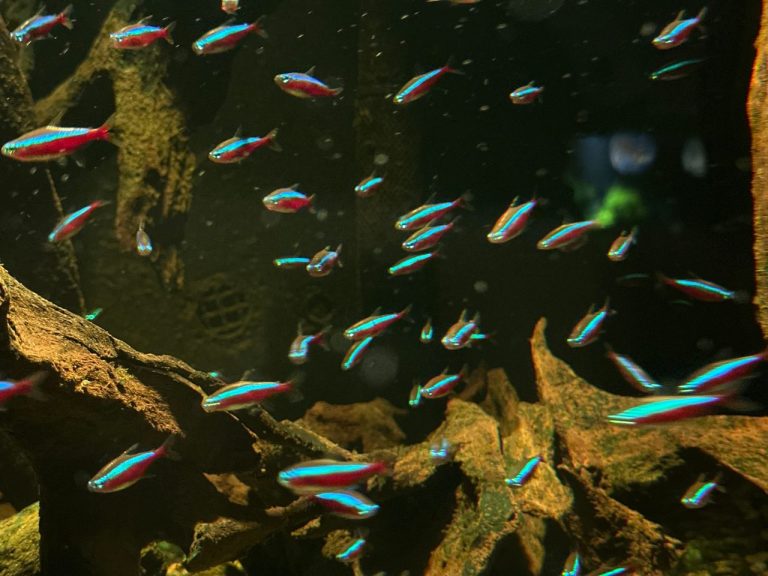
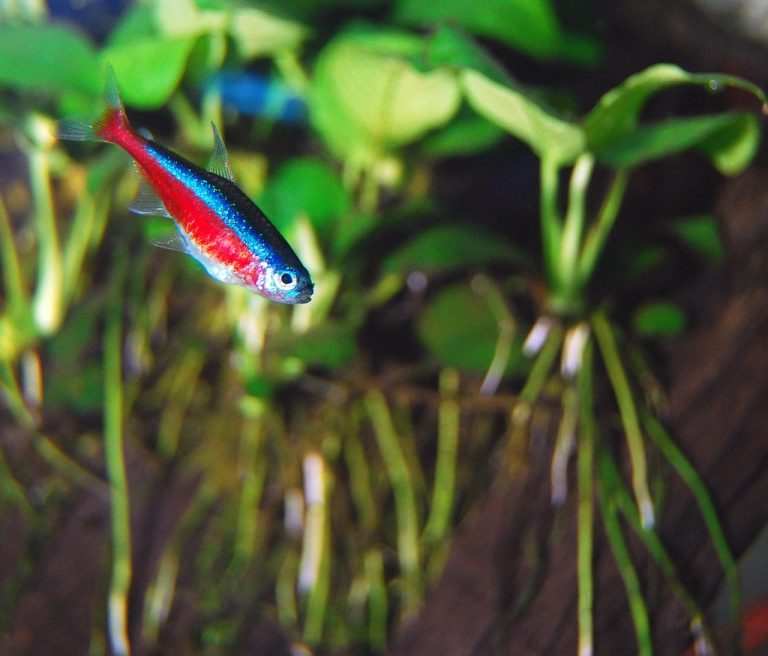
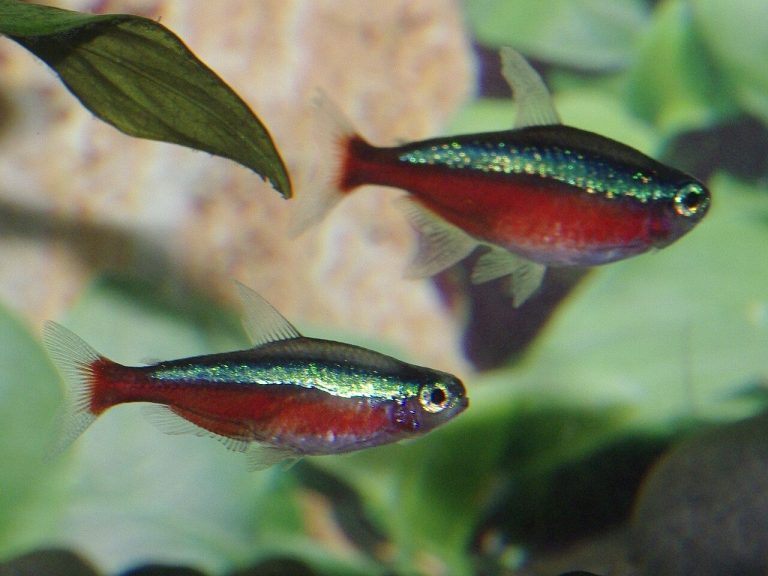
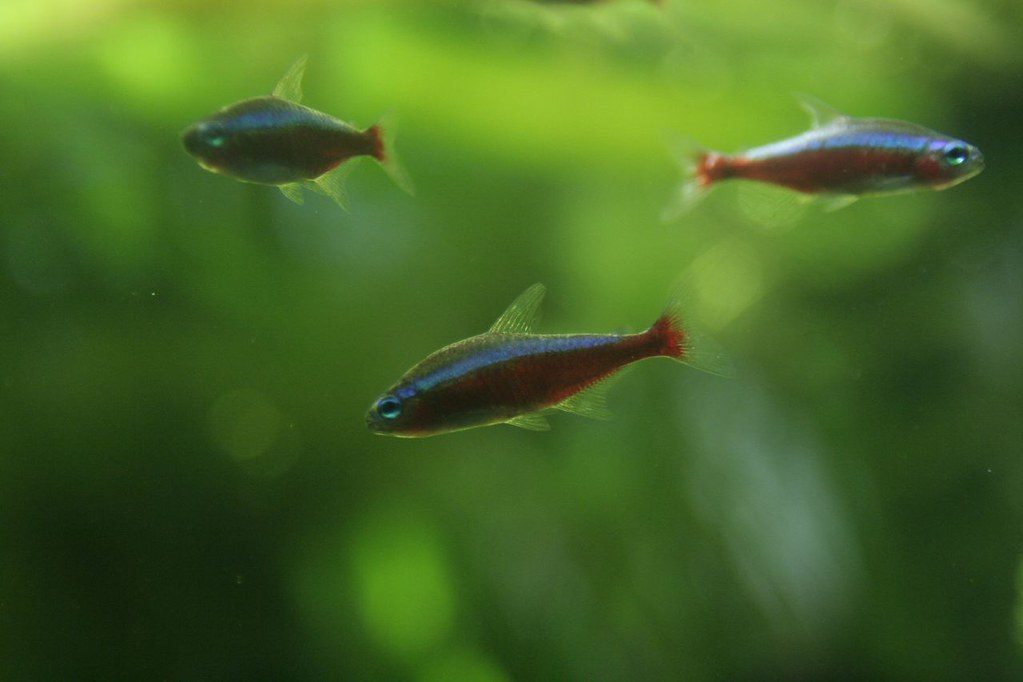
One of the most popular choices is Paracheirodon innesi, commonly known as the Neon Tetra.
These fish are beautiful when kept in schools of 8 to 10 individuals.
For those specifically wanting a blue and red pop, neon tetra freshwater setups are a classic choice that fits perfectly in this tank size.
They occupy the middle of the water column and provide constant movement and color.
| Fish Species | Ideal Number | Tank Level |
|---|---|---|
| Neon Tetra | 8-12 | Middle |
| Corydoras Catfish | 4-6 | Bottom |
| Honey Gourami | 1-2 | Top/Middle |
| Cherry Shrimp | 10+ | Everywhere |
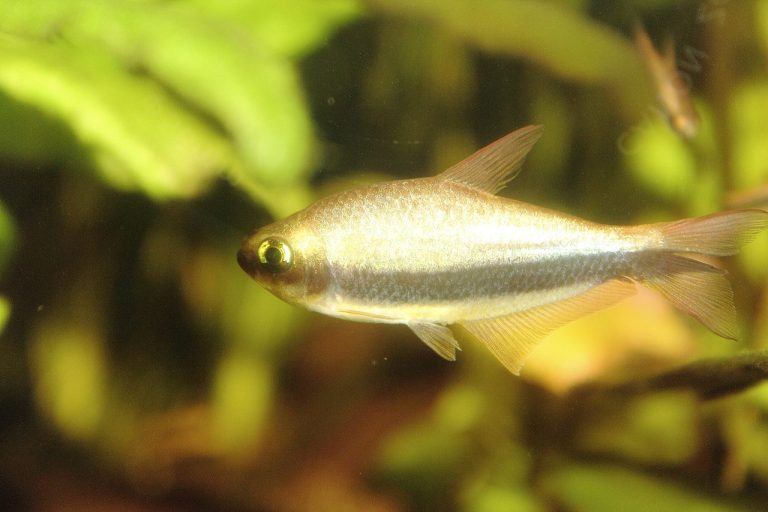
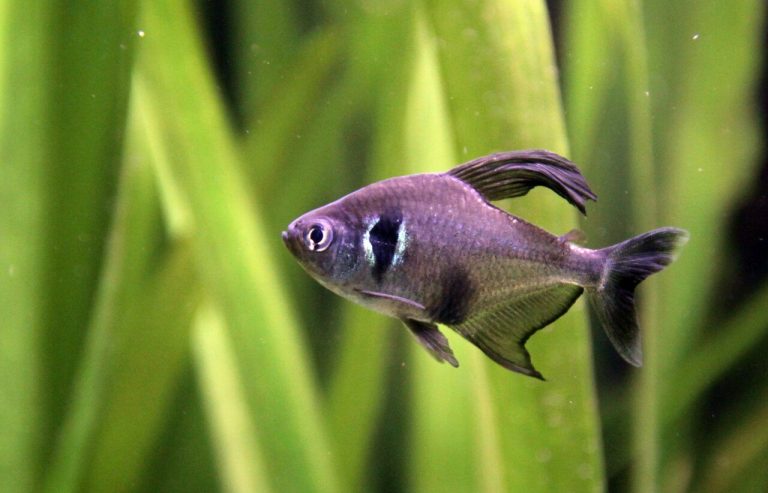
If you’re looking for variety, check out the different kinds of tetra fish available for this setup.
Ember Tetras or Rummy Nose Tetras are also excellent candidates that display remarkable schooling behaviors.
Avoid large or aggressive species like Oscars or large Cichlids, as they will quickly outgrow a 20-gallon tank and create too much waste.
Maintenance and Disease Prevention
Maintaining a tetra 20 gallon fish tank is a commitment to the health of your pets.
I recommend a weekly routine that includes a 20-25% water change and a light vacuuming of the substrate.
This removes the solid waste that the Whisper Power Filter might have missed, preventing it from rotting and spiking ammonia levels.
Maintaining rich colors starts with the best fish food for tetras.
A high-quality flake or micro-pellet, supplemented with frozen brine shrimp or daphnia, ensures your fish have the vitamins they need to fight off illness.
A well-fed fish is a resilient fish.
Pro Tip: Never wash your filter media in tap water. The chlorine in tap water will kill the nitrifying bacteria living on the sponge. Always use a bucket of water you just siphoned out of the tank to gently squeeze out debris.
Identifying Common Ailments
Even with the best care, fish can occasionally get sick.
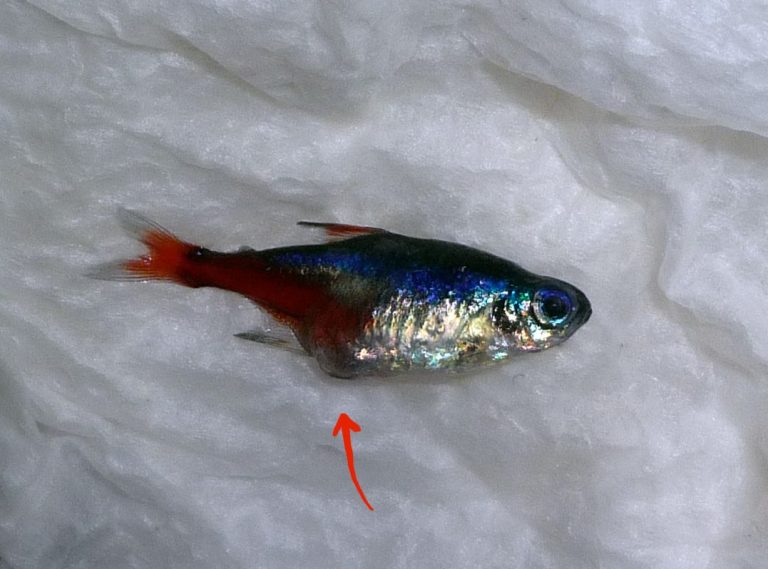
The two most common issues I see in 20-gallon community tanks are Ichthyophthirius multifiliis (commonly known as Ich or White Spot Disease) and Columnaris.
Ich looks like small grains of salt sprinkled on the fish’s body and is often caused by stress or temperature fluctuations.
Columnaris, on the other hand, is a bacterial infection that often appears as “mouth fungus” or white patches on the body.
Both can be treated with over-the-counter medications, but early detection is key.
If you notice a fish hiding more than usual or “flashing” (rubbing against decorations), it’s time to check your water parameters and look for signs of infection.
FAQ
How many fish can I put in a tetra 20 gallon fish tank?
While the “one inch of fish per gallon” rule is a common guideline, it is a bit oversimplified.
In a 20-gallon tank, you can comfortably house about 15-20 small community fish (like tetras and rasboras).
However, you must account for the biological load and make sure your filtration can handle the waste.
Should I use live plants or plastic ones?
I always advocate for live plants because they help consume nitrates and provide a natural hiding place for fish.
Easy-to-grow species like Anubias, Java Fern, and Amazon Swords do well in the light provided by the Tetra LED hood.
They also help compete with algae for nutrients, keeping your glass cleaner.
How often should I change the Bio-Bag?
The manufacturer typically suggests every 2 to 4 weeks.
However, if your water remains clear and the flow from the filter isn’t restricted, you can often go a bit longer.
Just keep in mind that the activated carbon stops working after about 3 weeks, so if you are trying to remove medications or odors, a fresh bag is necessary.
Final Thoughts on the Tetra 20 Gallon Experience
The tetra 20 gallon fish tank is more than just a glass box; it is a gateway into a deeply satisfying hobby.
If you focus on the fundamentals—stable water chemistry, appropriate stocking, and consistent maintenance—you can create an underwater paradise.
I’ve found that the peace and tranquility of a well-maintained aquarium are well worth the effort of the initial setup.
Patience is your best friend in fish keeping.
Don’t rush the cycling process, and don’t add all your fish at once.
Give your nitrifying bacteria time to catch up with the bioload, and your aquarium will remain a healthy, shimmering centerpiece for years to come.
Whether you are mesmerized by a school of neon tetras or the busy antics of Corydoras, this 20-gallon setup provides the perfect canvas.
Stay curious, keep testing your water, and enjoy every moment of your aquatic journey.

- 2003First tank
- 20+Years keeping
- 40+Tanks kept
- 0Sponsored picks
Howard set up his first 10-gallon planted tank in 2003 and lost half of it within six weeks. Two decades and more than forty aquariums later, he writes the guides he wished he had then: clear numbers, the reasons behind them, and what actually goes wrong in home tanks.