Tetras For Aquarium – Environments: The Expert Guide To Species
Selecting the best tetras for aquarium displays requires understanding their shoaling behavior and water needs. These bright fish excel in planted tanks, preferring soft, acidic water and the company of their own kind to stay healthy.
In my decade of maintaining freshwater setups, I have found that few things bring an aquarium to life like a synchronized school of tetras. These small, energetic fish provide a sense of movement and color that is hard to replicate with any other species.
They are the backbone of many successful community tanks, acting as the perfect “living jewelry” among well-grown green plants.
Choosing the right tetras for aquarium success involves more than just picking the prettiest colors at the pet store. It requires a deep understanding of their natural habitats, from the dark, tannin-stained waters of the Amazon to the clear streams of South America.
At a glance: Tetras (general) (Family Characidae and relatives)
- Temperature
- 72–80°F (22–27°C) for most species
- Water pH
- 6.0–7.5 for most species
- Adult size
- 1–3 in (2.5–8 cm)
- Minimum tank
- 10–30 gal depending on species
- Group size
- Groups of 6–10+
- Temperament
- Mostly peaceful schooling fish
- Diet
- Omnivores: quality flakes or micro pellets plus frozen foods
- Lifespan
- 3–8 years
Keeper’s tip: Schooling size matters more than tank size for most tetras: small groups hide, nip and stress.
The Fundamental Appeal of Tetras for Aquarium Success
Tetras belong to the Characidae family, a diverse group of fish known for their adipose fin and active personalities. Most species are relatively small, making them ideal candidates for various tank sizes, including nano aquariums.
Their primary appeal lies in their shoaling behavior. Unlike solitary fish, tetras feel most secure when surrounded by their own kind, moving in loose groups that create a shimmering effect in the water.
In my experience, a group of at least six to ten individuals is necessary to see their true personality. When kept in smaller numbers, they often become stressed, hide frequently, or may even display nippy behavior toward tank mates.
Why Shoaling Matters
In the wild, shoaling is a survival mechanism that confuses predators and makes it easier to find food. In your home aquarium, this behavior reduces cortisol levels in the fish, leading to better immune health and more rich colors.
A stressed tetra will often look “washed out,” but a happy school will display deep reds, brilliant blues, and striking blacks. Watching a school of Rummy Nose Tetras (Hemigrammus rhodostomus) handle through driftwood is a masterclass in natural synchronization.
Pro Tip: If you notice your tetras are staying in one corner or hiding constantly, check your school size. Increasing the group from five to twelve can often transform a shy tank into a high-energy display overnight.
Understanding Water Parameters and Peat Filtration
Most tetras originate from environments with soft acidic water. This is particularly true for species like the Cardinal Tetra (Paracheirodon axelrodi), which does well in conditions that mimic the “blackwater” regions of the Rio Negro.
To achieve these conditions, many experts utilize peat filtration or add botanical elements like Indian Almond leaves. These methods release humic substances into the water, which naturally lower the pH and provide antifungal properties.
While many farm-raised tetras are adaptable to a wider range of parameters, maintaining a stable environment is more important than chasing a “perfect” number. Rapid fluctuations in pH or temperature are the most common causes of health declines in these sensitive fish.
| Parameter | Ideal Range for Most Tetras | Notes |
|---|---|---|
| Temperature | 74°F – 82°F (23°C – 28°C) | Cardinal tetras prefer the warmer end of this scale. |
| pH Level | 6.0 – 7.5 | Wild-caught specimens usually require a pH below 6.5. |
| Water Hardness | 2 – 10 dGH | Softer water encourages better coloration and spawning. |
| Ammonia/Nitrite | 0 ppm | Tetras are highly sensitive to nitrogenous waste. |
Top Species of Tetras for Aquarium Success
With hundreds of different species of tetras available, it can be overwhelming to choose. I generally categorize them by their hardiness and their specific role within a community tank.
The Iconic Cardinal Tetra (Paracheirodon axelrodi)
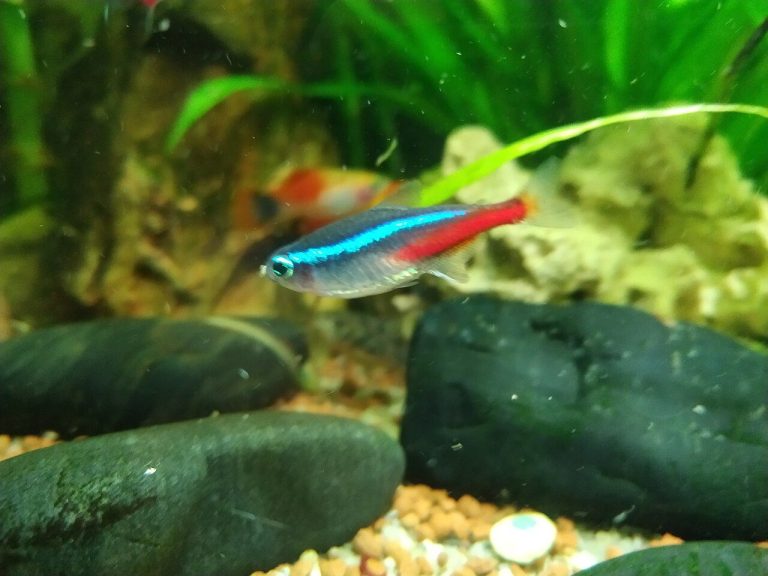
The Cardinal Tetra is often confused with the Neon Tetra, but it boasts a red stripe that runs the full length of its body. They are slightly more sensitive than Neons but are arguably the most beautiful fish in the hobby when kept in a large, planted blackwater biotope.
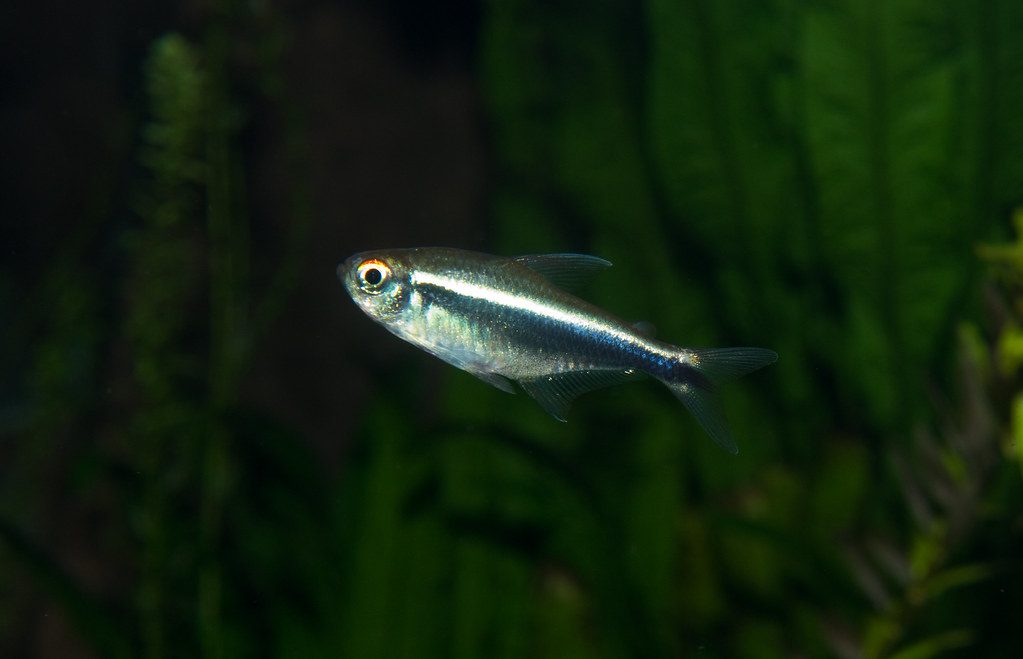
The Reliable Black Neon Tetra (Hyphessobrycon herbertaxelrodi)
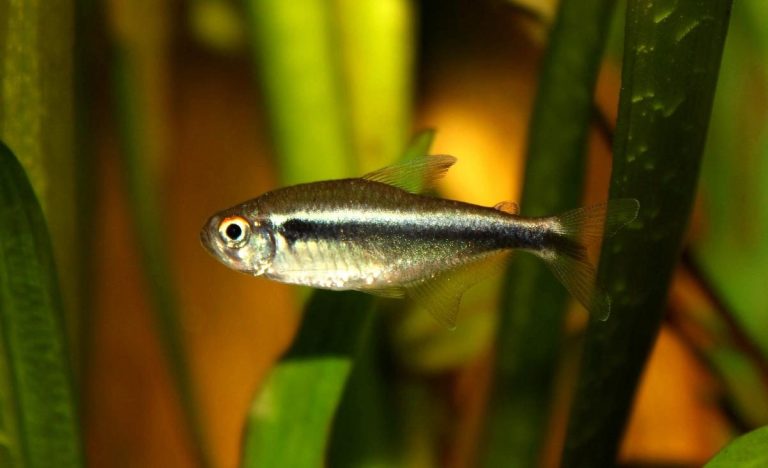
If you are looking for a hardy species that contrasts well with bright green plants, the Black Neon is an excellent choice. They are less prone to disease than their blue-and-red cousins and occupy the upper-middle layers of the tank.
The Rummy Nose Tetra (Hemigrammus rhodostomus)
These are the “canaries in the coal mine” for aquarists. Their bright red faces will fade significantly if water quality drops, making them excellent indicators of tank health. They are also some of the tightest-schooling tetras available.
Common Mistake: Many beginners mix five different species of tetras with only two fish each. This leads to high stress. Instead, choose one or two species and buy a larger group of each to promote natural behavior.
Designing a Blackwater Biotope for Tetras
Creating a blackwater biotope is one of the most satisfying ways to keep tetras for aquarium displays. This setup involves using driftwood, dried leaves, and seed pods to tint the water a tea-like color.
The tannins released by these materials mimic the natural Amazonian rivers. This dark water environment makes the iridescent colors of the tetras “pop” much more than they would in crystal-clear water.
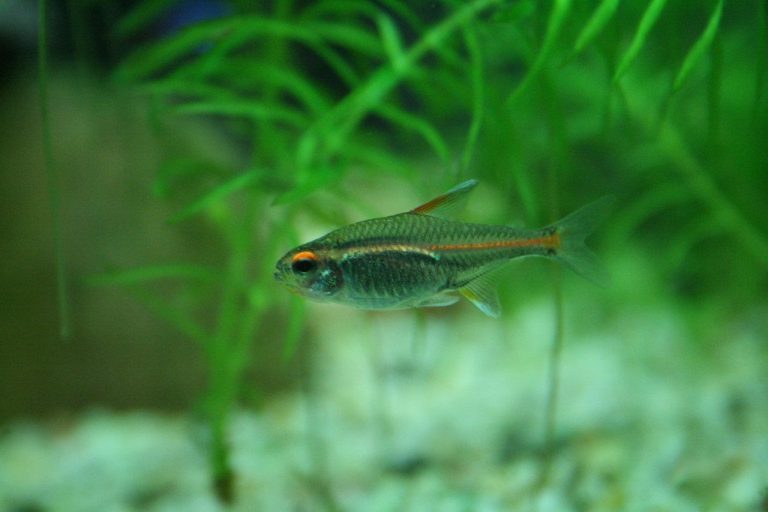
In my years of breeding, I’ve noticed that species like the Ember Tetra or the Cardinal Tetra show much better vitality in blackwater. The humic acids also help suppress the growth of harmful bacteria, creating a more “natural” immune system for the fish.
Essential Tools for a Blackwater Setup
To start, you will need high-quality driftwood (like Mopani or Bogwood) and botanicals like Catappa leaves. You might also consider using a specialized substrate that helps maintain a low pH.
Lighting should be somewhat dimmed or diffused using floating plants. Tetras can be skittish under intense, direct light, and floating plants provide the overhead cover they crave in the wild.
Dietary Needs and Best Feeding Practices
A healthy diet is the secret to longevity and color. While tetras are omnivores, they benefit from a varied diet that includes high-quality flakes, micro-pellets, and frozen foods.
I always recommend finding the best dietary options that include color enhancers like spirulina or astaxanthin. These ingredients help maintain the reds and oranges that make tetras so famous.
| Food Type | Frequency | Benefits |
|---|---|---|
| High-Quality Flakes | Daily (Base diet) | Provides essential vitamins and minerals. |
| Frozen Brine Shrimp | 2-3 times per week | High protein for growth and energy. |
| Daphnia | Once per week | Acts as a natural laxative and digestive aid. |
| Freeze-dried Bloodworms | Occasional treat | Excellent for conditioning fish for breeding. |
Health Challenges: Neon Tetra Disease and More
Even with the best care, tetras can face health challenges. The most notorious is Neon Tetra Disease, caused by the parasite Pleistophora hyphessobryconis.
This condition is often incurable and spreads quickly through a school. Symptoms include a loss of color, cysts on the body, and difficulty swimming. The best defense is a strict quarantine protocol for all new fish.
When I first started, I lost an entire school because I didn’t quarantine a single new addition. Now, I always keep new arrivals in a separate tank for at least three weeks to monitor for signs of stress or infection.
The Role of Tetras as Dither Fish
In larger community tanks, tetras often serve as dither fish. These are active, confident fish that stay in the open, signaling to more shy or territorial species (like Apistogramma cichlids) that there are no predators nearby.
By having a school of tetras swimming actively, you encourage your “centerpiece” fish to come out of hiding more often. It creates a balanced social dynamic within the aquarium.
Breeding Tetras: A Challenge for the Dedicated
While many hobbyists are content with a beautiful display, some want to try spawning these fish at home. Tetras are egg-scatterers and do not provide parental care.
Breeding usually requires a separate tank with very soft water and a mesh bottom or marble substrate to protect the eggs from the hungry parents. Success often depends on “conditioning” the adults with live foods and performing a large water change with slightly cooler water to mimic the rainy season.
It is a difficult but deeply satisfying process. Seeing a tiny cloud of fry emerge from the moss after days of careful monitoring is one of the highlights of the fish-keeping hobby.
A few common questions About Tetras
How many tetras can I keep in a 10-gallon tank?
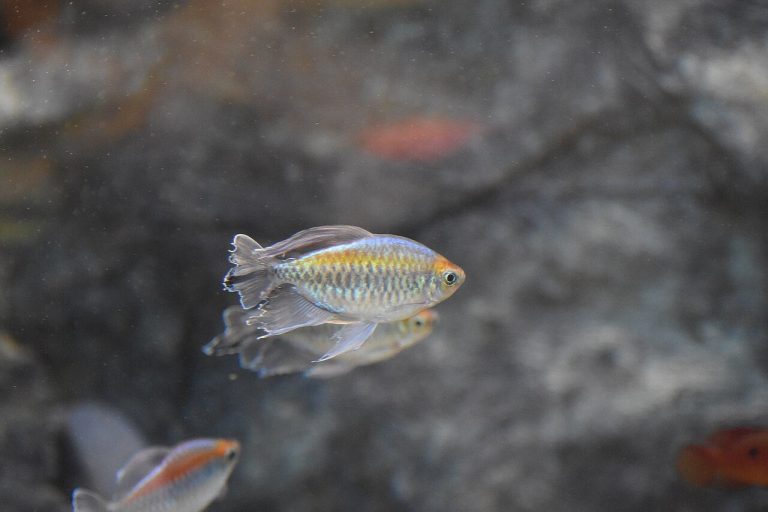
For a standard 10-gallon aquarium, you can comfortably keep a school of 6 to 8 small tetras like Neons or Embers. Avoid larger species like Congo Tetras or Buenos Aires Tetras, which require much more swimming space.
Do tetras need a heater?
Yes, tetras are tropical fish and require a stable temperature, usually between 75°F and 80°F. Use a reliable submersible heater and a thermometer to make sure the water does not dip too low at night.
Can tetras live with Bettas?
Generally, yes, but it depends on the species. Short-finned, peaceful tetras like the Neon or Ember are usually fine. Avoid “nippy” species like Serpae Tetras, which may harass the Betta’s long fins.
Why are my tetras losing their color?
Loss of color is usually a sign of stress, poor water quality, or illness. Check your ammonia and nitrite levels immediately. It can also happen at night when the fish are “sleeping,” which is a normal physiological response.
A last word
Mastering the art of keeping tetras for aquarium environments is a journey that combines science with aesthetics. If you focus on their need for social groups, soft water, and a varied diet, you can create a eye-catching underwater world.
I encourage you to start with a hardy species and slowly explore the more delicate varieties as your experience grows. There is nothing quite like the peace of watching a healthy school of tetras glide through a well-maintained tank at the end of a long day.
Patience is your best tool. Take the time to cycle your tank, research your specific species, and provide the stable environment these shimmering gems deserve.

- 2003First tank
- 20+Years keeping
- 40+Tanks kept
- 0Sponsored picks
Howard set up his first 10-gallon planted tank in 2003 and lost half of it within six weeks. Two decades and more than forty aquariums later, he writes the guides he wished he had then: clear numbers, the reasons behind them, and what actually goes wrong in home tanks.