Penguin Tetra Care Guide – Diet, Tank and Tank Mates
This Penguin Tetra care guide covers essential requirements including a 20-gallon tank, soft acidic water, and schooling groups of six or more. These unique fish settle in with high-quality flakes, live foods, and ample swimming space.
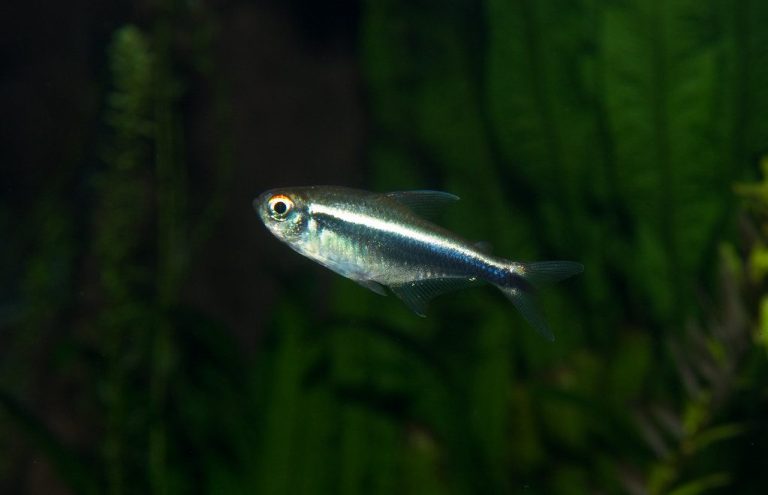
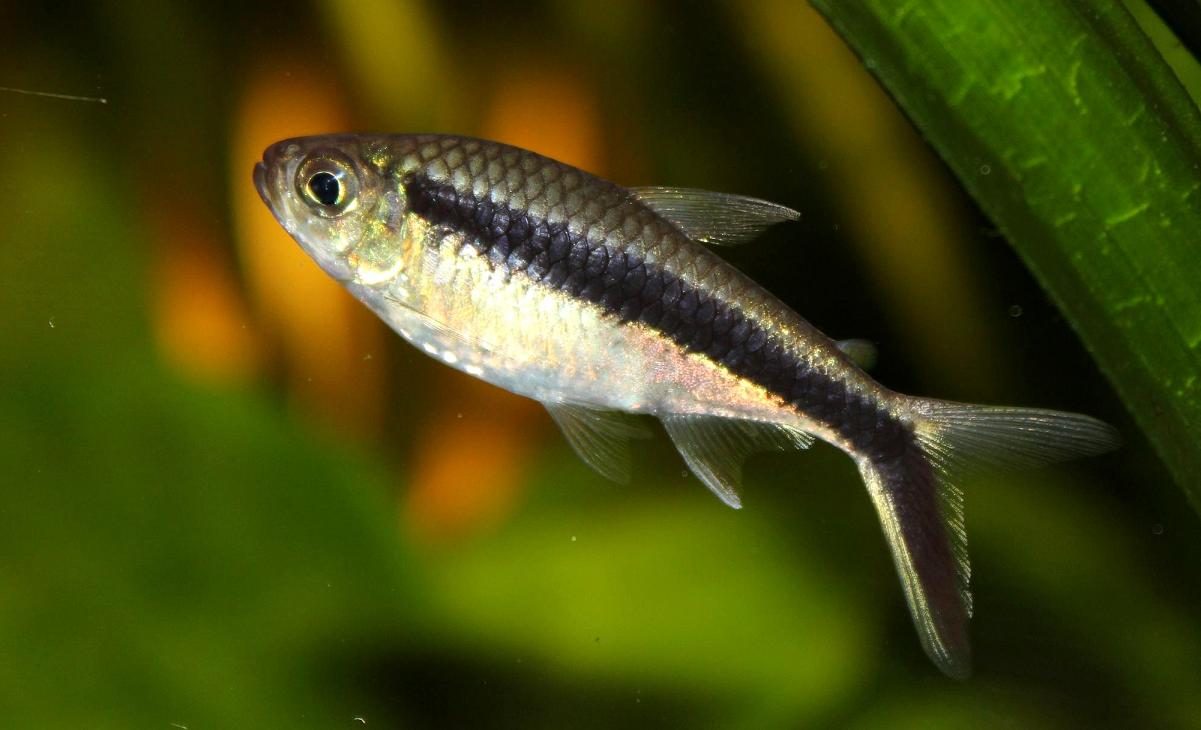
The Penguin Tetra, known scientifically as Thayeria boehlkei, is one of the most distinctive members of the Characidae family. While many tetras are known for their bright neon colors, the Penguin Tetra stands out with its striking black horizontal stripe and its interesting oblique swimming posture.
In my years of maintaining South American community tanks, I have found that these fish bring a unique verticality to the aquarium. They don’t just swim; they hover at a 45-degree angle, head up, tail down, creating a visual rhythm that few other species can match.
This Penguin Tetra care guide is designed to take you through every nuance of their husbandry.
At a glance: Penguin tetra (Thayeria boehlkei)
- Temperature
- 72–82°F (22–28°C)
- Water pH
- 6.0–8.0
- Adult size
- 2.5 in (6 cm)
- Minimum tank
- 20 gal
- Group size
- Groups of 6+
- Temperament
- Peaceful, slightly nippy
- Diet
- Omnivore: flakes, small pellets, frozen foods
- Lifespan
- 5 years
Keeper’s tip: They swim at a head-up angle naturally; that tilt is normal and not a swim bladder problem.
Understanding the Natural Habitat of Thayeria boehlkei
To succeed with any fish, we must first look at where they come from. The Penguin Tetra is native to the Amazon River basin, specifically found in the Araguaia River and parts of the Rio Paraguay.
These environments are typically slow-moving and filled with submerged roots, fallen branches, and leaf litter. This natural debris releases humic substances and tannic acid into the water, creating a “blackwater” effect that these fish adore.
The water in these regions is naturally soft and acidic, which is a key factor in their long-term health. When you replicate these conditions in the home aquarium, you will notice their black stripes become deeper and more defined.
The Unique Personality of the Penguin Tetra
One of the first things I noticed when I started keeping these fish over a decade ago is their incredible schooling behavior. Unlike some tetras that drift apart, Penguin Tetras stay remarkably close together, especially when they feel safe.
Their oblique swimming posture is not a sign of illness, but a natural adaptation. In the wild, this angle helps them blend into the shadows of overhanging vegetation, making them less visible to predators from above.
Pro Tip: If you see your Penguin Tetras swimming horizontally rather than at an angle, it usually means they are darting for food or are temporarily stressed by a sudden change in light or movement.
Penguin Tetra Care Guide: Ideal Tank Setup
Setting up a tank for Thayeria boehlkei requires a balance between open swimming room and dense cover. They are active swimmers that appreciate a bit of a current, but they also need “quiet zones” where they can rest.
I recommend a minimum tank size of 20 gallons for a small school. While they are small fish, their active nature means they will feel cramped in anything smaller, which can lead to fin-nipping or stunted growth.
Aquascaping and Decoration
In my experience, the best way to show off these fish is against a dark background. Use a dark sandy substrate or fine gravel to make their silver bodies and black stripes “pop” visually.
Incorporate plenty of live plants like Amazon Swords, Vallisneria, and Java Fern. These provide the necessary cover and help mimic the riverbanks of the Araguaia River.
| Feature | Recommendation |
|---|---|
| Minimum Tank Size | 20 Gallons (Long preferred) |
| Substrate | Dark sand or fine gravel |
| Lighting | Moderate to dimmed (floating plants help) |
| Water Flow | Gentle to moderate |
Mastering Water Chemistry and Filtration
Water quality is the cornerstone of this Penguin Tetra care guide. While these fish are relatively hardy, they do not tolerate high levels of nitrate or sudden swings in pH.
They prefer slightly acidic to neutral water. If your tap water is very hard, you might consider using peat filtration or adding Indian Almond leaves to help soften the water and lower the pH naturally.
The general hardness (dGH) should ideally stay on the lower side. I’ve found that keeping them in harder water can sometimes lead to a shortened lifespan and less successful breeding attempts.
Filtration Requirements
A high-quality hang-on-back or canister filter is essential. Ensure the filter provides enough turnover to make sure the water crystal clear but doesn’t create a whirlpool that exhausts the fish.
Using peat filtration in a media bag inside your filter is a classic “pro move.” It slowly releases tannins, which helps buffer the pH and provides that natural Amazonian feel that Thayeria boehlkei stays healthy in.
| Parameter | Ideal Range |
|---|---|
| Temperature | 72°F to 82°F (22°C – 28°C) |
| pH Level | 5.8 to 7.5 |
| Hardness (dGH) | 4 to 15 dGH |
| Ammonia / Nitrite | 0 ppm |
| Nitrate | < 20 ppm |
Diet and Nutritional Needs
Penguin Tetras are micro-predators in the wild, feeding on small insects, crustaceans, and worms. In the aquarium, they are unfussy eaters and will readily accept most high-quality prepared foods.
To maintain their bright silver sheen and energy levels, a varied diet is key. I always start with a base of high-quality flake food or small sinking pellets designed for community fish.
You can find excellent options in my guide on the best fish food for tetras to make sure they get the vitamins they need.
The Importance of Live and Frozen Foods
Feeding live or frozen Daphnia, brine shrimp, and bloodworms once or twice a week is highly recommended. These protein-rich snacks trigger their natural hunting instincts and are essential if you plan on breeding them.
I’ve noticed that when I include Daphnia in their diet, the fish appear much more active and their colors become significantly more intense. It also helps prevent digestive issues that can sometimes arise from a purely dry-food diet.
Pro Tip: Always feed in small amounts that they can consume within two minutes. Penguin Tetras are fast eaters, but any food that hits the bottom may be ignored, leading to water quality issues.
Choosing the Best Tank Mates
The Penguin Tetra is a peaceful community fish, but it does have a bit of a “zippy” energy. Because they are active, they might annoy very slow-moving or long-finned fish like certain Bettas or fancy Guppies.
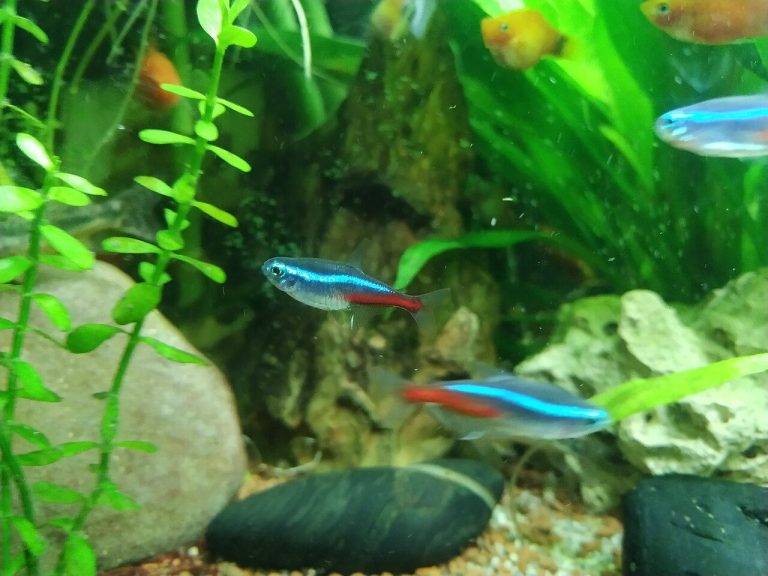
They do best with other South American species. For example, keeping them alongside a school of neon tetra freshwater favorites creates a beautiful contrast in color and swimming height.
Other great companions include Corydoras catfish, Harlequin Rasboras, and dwarf cichlids like Apistogramma. If you are looking for more variety, you might also consider the glowlight tetra care guide for another compatible schooling option.
Are They Shrimp Safe?
I am often asked if Penguin Tetras can live with ornamental shrimp. While they won’t usually hunt adult Cherry Shrimp, they will absolutely snack on any babies they can fit in their mouths.
If you want to keep them with shrimp, make sure the tank is heavily planted with mosses like Java Moss or Christmas Moss. This gives the shrimp a fighting chance to hide and multiply.
Breeding Penguin Tetras: A Rewarding Challenge
Breeding the Penguin Tetra is an achievable goal for the intermediate hobbyist. They are egg-scatterers, meaning they do not provide parental care and will actually eat their own eggs if given the chance.
To start, you will need a separate breeding tank. This tank should have very soft water (low dGH) and a pH around 6.0 to 6.5.
Add a spawning mop or a large clump of fine-leaved plants like Java Moss. This gives the female a place to deposit her eggs while protecting them from being eaten immediately.
The Spawning Process
Condition the pair or a small group with plenty of live foods for a week before moving them to the breeding tank. You will know the female is ready when she looks noticeably rounder with eggs.
Spawning usually occurs in the early morning hours. Once you see the eggs scattered among the plants, remove the adult fish immediately to help the fry have a chance to hatch.
The fry are tiny and will require “infusoria” or liquid fry food for the first few days. Once they are large enough, you can transition them to baby brine shrimp.
Common Health Issues and Disease Prevention
Like many small characins, the Penguin Tetra is susceptible to Ichthyophthirius multifiliis, commonly known as Ich or White Spot Disease. This is often triggered by stress or sudden temperature drops.
If you see small white grains of salt on their bodies, you must act quickly. Raising the temperature slightly and using a copper-based medication or a heat-and-salt treatment usually clears it up.
Regular water changes and avoiding overstocking are the best ways to prevent disease. I’ve found that keeping a stable environment is far more effective than any medicine you can buy.
Signs of Stress
Keep an eye out for gasping at the surface, clamped fins, or a loss of appetite. These are often the first indicators that something is wrong with the water chemistry or that a tank mate is being too aggressive.
If your Penguin Tetra loses its distinctive black stripe or looks pale, it is almost always a sign of poor water quality or inadequate nutrition.
FAQ
How many Penguin Tetras should I keep together? You should keep a minimum of 6, but a group of 10-12 is much better. Larger schools reduce stress and encourage more natural behavior.
How long do Penguin Tetras live? Looked after properly, they typically live between 3 to 5 years. High-quality food and stable water parameters are the keys to longevity.
Why is my Penguin Tetra swimming at an angle? This is their natural oblique swimming posture. It is perfectly normal and is how they hover in the water column.
Are Penguin Tetras aggressive? They are generally peaceful but can become “nippy” if kept in a tank that is too small or if their school is too small.
Do they need a lid on the tank? Yes. They are excellent jumpers, especially when startled. Always keep a tight-fitting lid on your aquarium.
Final Thoughts on the Penguin Tetra
The Penguin Tetra is a classic for a reason. Its unique swimming style, hardy nature, and striking monochrome look make it a standout choice for any community aquarium.
If you follow this Penguin Tetra care guide, you are setting yourself up for success. Remember to focus on water stability, provide a varied diet of Daphnia and flakes, and always keep them in a school to see their best behavior.
In my decade of fish keeping, I have always found that the simplest setups often yield the most beautiful results. A well-planted tank with a school of Thayeria boehlkei is a sign of the quiet beauty of the Amazonian rivers.
Keep learning, keep observing, and enjoy the rhythmic dance of these wonderful fish in your own home aquarium.

- 2003First tank
- 20+Years keeping
- 40+Tanks kept
- 0Sponsored picks
Howard set up his first 10-gallon planted tank in 2003 and lost half of it within six weeks. Two decades and more than forty aquariums later, he writes the guides he wished he had then: clear numbers, the reasons behind them, and what actually goes wrong in home tanks.