Glowlight Tetra Tank Mates – Compatibility Guide
Glowlight Tetras are peaceful, schooling fish that flourish with similarly sized, non-aggressive tank mates. Ideal companions include other small tetras, rasboras, corydoras, otocinclus, and certain dwarf cichlids, provided water parameters are compatible and adequate space is available for schooling.
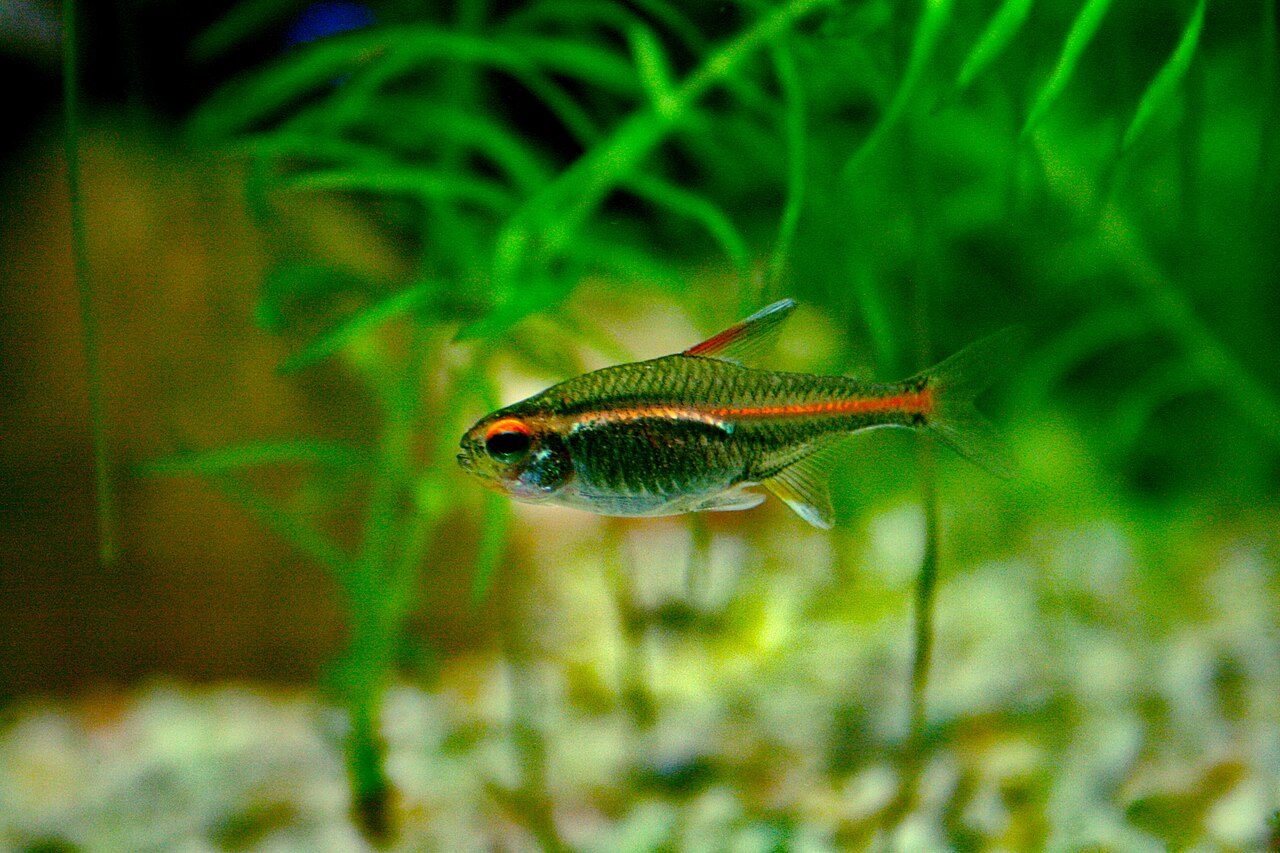
Welcome, fellow aquarists, to another deep go through creating a peaceful underwater world. If you’re considering adding the shimmering beauty of Glowlight Tetras to your aquatic family, you’re in for a treat. These eye-catching fish, with their distinctive orange stripe, bring a bright yet peaceful energy to any freshwater aquarium.
However, the key to a successful community tank lies in choosing the right Glowlight Tetra tank mates. As someone who has maintained numerous community aquariums over the past decade, I’ve learned that compatibility isn’t just about size; it’s about temperament, water parameters, and even swimming patterns. This guide will walk you through everything you need to know to select companions that will flourish alongside your Glowlight Tetras.
At a glance: Glowlight tetra (Hemigrammus erythrozonus)
- Temperature
- 72–80°F (22–27°C)
- Water pH
- 5.5–7.5
- Adult size
- 1.5 in (4 cm)
- Minimum tank
- 15 gal
- Group size
- Groups of 8+
- Temperament
- Very peaceful
- Diet
- Omnivore: flakes, micro pellets, frozen foods
- Lifespan
- 4–5 years
Keeper’s tip: Dark backgrounds and dim lighting make the orange stripe look far brighter.
Understanding Glowlight Tetras: Key to Compatible Tank Mates
Before we introduce any new fish, it’s important to understand the needs and characteristics of our primary residents: the Glowlight Tetra. Knowing their natural behavior and environmental preferences is the first step in ensuring a peaceful and healthy community.
Glowlight Tetra Temperament and Behavior
Glowlight Tetras (Hemigrammus erythrozonus) are renowned for their calm and non-aggressive nature. They are quintessential schooling fish, meaning they feel safest and display their most natural behaviors when kept in groups. A minimum school size of 6-8 individuals is highly recommended.
In my experience, a larger school of ten or more will shine, exhibiting tighter schooling patterns and reduced stress. They are active swimmers, preferring the middle and upper levels of the water column. This peaceful disposition makes them excellent candidates for a diverse community tank, but it also means they can easily be intimidated or outcompeted by more boisterous species.
Ideal Water Parameters for Glowlight Tetras
Maintaining stable and appropriate water conditions is the top priority for the health of your Glowlight Tetras and their potential tank mates. These South American natives prefer soft, acidic water, mimicking their Amazonian origins. When selecting companions, always keep their preferred parameters align closely with those of your Glowlights.
Here’s a quick overview of their ideal water parameters:
| Parameter | Ideal Range |
|---|---|
| Temperature | 72-78°F (22-26°C) |
| pH | 5.5-7.5 (slightly acidic to neutral) |
| GH (General Hardness) | 3-10 dGH (soft to medium-hard) |
| KH (Carbonate Hardness) | 3-8 dKH |
Regular water changes and solid filtration are essential to keep these parameters stable and free from harmful ammonia, nitrite, and nitrate. A well-cycled tank is non-negotiable for the health of any aquatic community.
Tank Size Considerations for Glowlight Tetras
While Glowlight Tetras are small, typically reaching about 1.5 inches (4 cm), their schooling needs dictate a larger minimum tank size than you might initially assume. A 20-gallon long aquarium is generally considered the smallest appropriate size for a school of 6-8 Glowlights.
This provides enough swimming room for their active schooling behavior and helps dilute waste products. If you plan to add multiple schools of fish or larger tank mates, a 30-gallon or even a 40-gallon breeder tank would be far more suitable. Adequate space reduces stress and aggression, contributing to the overall well-being of your entire aquatic community.
Best Glowlight Tetra Tank Mates: A Detailed Guide
Now that we understand the Glowlight Tetra’s needs, let’s explore some of the most compatible and enriching tank mates. The goal is to select fish that share similar temperaments, water parameter requirements, and ideally, occupy different areas of the tank to maximize space.
Other Small, Peaceful Tetras
This is often the easiest and most successful route for a rich community tank. Many other small tetra species share similar origins and care requirements, making them ideal Glowlight Tetra tank mates.
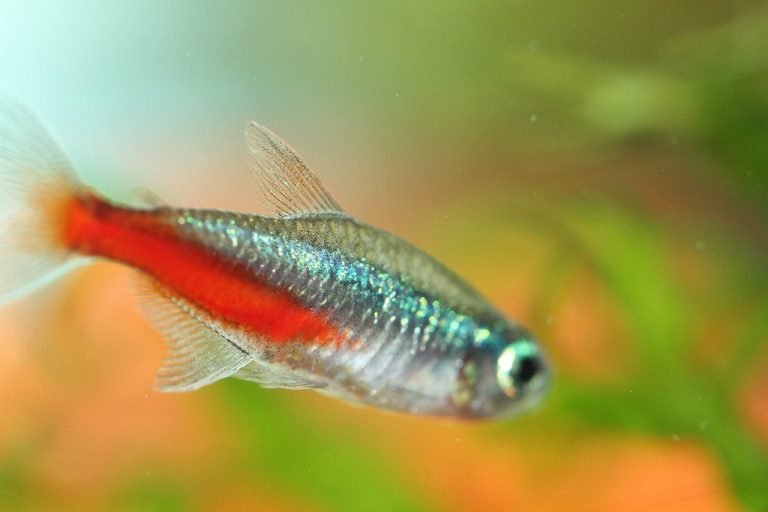
- Neon Tetras and Cardinal Tetras: These classic community fish are strikingly beautiful and share the peaceful disposition of Glowlights. They also prefer similar soft, acidic water conditions.
- Ember Tetras: If you’re looking for another pop of color, Ember Tetras are fantastic. They are even smaller than Glowlights and perfectly compatible. For more on these tiny gems, you might find our guide on Ember Tetra tank mates helpful.
- Rummy Nose Tetras: Known for their distinctive red noses and tight schooling, Rummy Nose Tetras are another excellent choice. They do well in similar conditions and contribute to a very active mid-water display. You can learn more about Rummy Nose Tetra tank mates in our dedicated article.
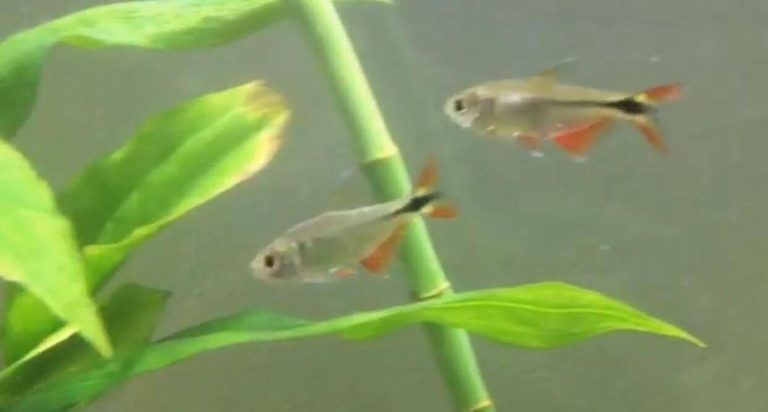
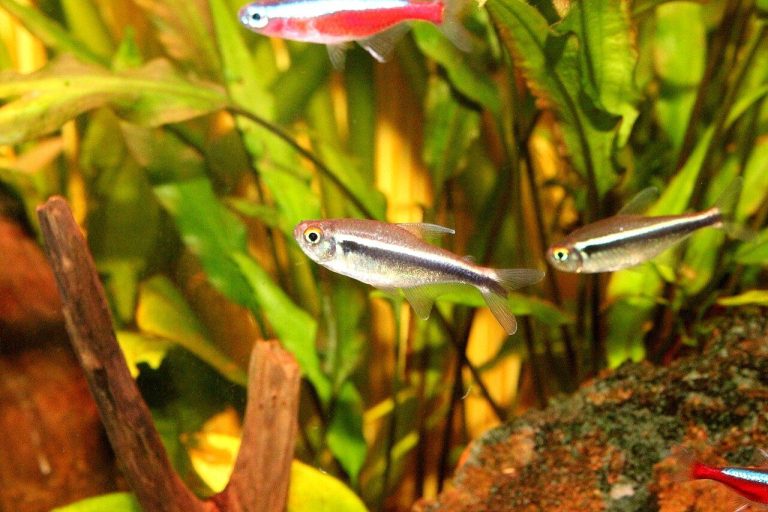
- Black Neon Tetras: These elegant, darker-striped tetras are another superb option, offering a nice contrast to the Glowlight’s orange.
When mixing tetra species, help your tank is large enough to comfortably house multiple schools without overstocking.
Rasboras and Danios
These groups of fish often come from similar regions or share comparable care needs and temperaments.
- Harlequin Rasboras: With their copper bodies and distinctive black wedge, Harlequins are peaceful, schooling fish that are a perfect match for Glowlights. They prefer similar water parameters and occupy the mid-to-upper tank levels.
- Chili Rasboras / Phoenix Rasboras: For those with larger tanks and a love for nano fish, these tiny, colorful rasboras are a delightful addition. They are extremely peaceful but can be outcompeted for food if not careful.
- Zebra Danios: These hardy, active fish are generally peaceful, though their high energy might occasionally startle very timid Glowlights. Ensure you keep them in a good-sized school (6+) to diffuse any potential nipping amongst themselves. Avoid long-finned varieties if you observe fin-nipping.
Bottom Dwellers: Corydoras and Otocinclus Catfish
These are some of the best choices for occupying the bottom strata of your aquarium, adding activity and functionality.
- Corydoras Catfish (e.g., Panda Cory, Pygmy Cory, Bronze Cory): These adorable, armored catfish are incredibly peaceful and social. They are excellent scavengers, sifting through the substrate for leftover food. Like Glowlights, Corydoras are schooling fish and should be kept in groups of at least six.
- Otocinclus Catfish (Oto Cats): These small, peaceful algae eaters are fantastic for keeping live plants and tank surfaces clean. They also prefer to be in groups (3-5 minimum) and are completely harmless to your Glowlights. Make sure your tank is well-established with algae or supplement their diet with algae wafers and blanched vegetables.
Pro Tip: Acclimation is Key. When introducing any new tank mates, always acclimate them slowly to your aquarium’s water parameters. Float the bag for 15-20 minutes to equalize temperature, then slowly drip acclimate them over an hour or more. This minimizes stress and reduces the risk of disease.
Livebearers (Peaceful Varieties)
Some peaceful livebearers can coexist well with Glowlight Tetras, especially in larger tanks.
- Guppies and Endler’s Livebearers: These colorful fish are generally peaceful and active, making them suitable companions. Be mindful that livebearers reproduce prolifically, so be prepared for fry or consider keeping only males. Their slightly higher pH preference can be a minor consideration, but they often adapt well to neutral water.
- Platies and Mollies (smaller varieties): Smaller varieties of Platies can work. However, some Mollies can get quite large and prefer slightly harder, more alkaline water, so always check species-specific needs.
Dwarf Cichlids (Careful Selection)
For intermediate to advanced aquarists with larger tanks, certain dwarf cichlids can add a striking focal point.
- German Blue Rams: These beautiful, peaceful cichlids are a fantastic choice for a well-maintained community tank. They share similar water parameter preferences and typically ignore small schooling fish like Glowlights. Provide plenty of hiding spots and territories with driftwood and plants.
- Bolivian Rams: A bit hardier than German Blue Rams, Bolivian Rams are also peaceful and make great companions. They are less sensitive to water parameters and are generally very tolerant of small tetras.
- Apistogramma Species (e.g., Apistogramma cacatuoides): Many Apistogramma species are excellent choices, provided they have their own defined territory and ample hiding spots. Research specific species, as some can be more territorial than others.
Always introduce dwarf cichlids into an established tank with plenty of cover to minimize stress and territorial disputes.
Invertebrates: Shrimp and Snails
Don’t forget the unusual world of invertebrates. They can add cleaning crew capabilities and unique behaviors to your tank.
- Amano Shrimp: These industrious shrimp are superb algae eaters and are too large for Glowlight Tetras to bother. They are a fantastic addition to any planted community tank.
- Cherry Shrimp (and other Neocaridina varieties): While Glowlight Tetras are generally peaceful, any adult fish might opportunistically snack on very small shrimp fry. Adult Cherry Shrimp are usually safe, especially in a heavily planted tank with plenty of hiding spots.
- Nerite Snails: Excellent algae eaters, Nerite snails are completely harmless and come in a variety of attractive shell patterns. They won’t reproduce excessively in freshwater.
- Mystery Snails: Larger, active snails that can help clean up uneaten food. They are peaceful and add a different dynamic to the bottom of the tank.
Fish to Avoid with Glowlight Tetras
Just as important as choosing suitable tank mates is knowing which fish to steer clear of. Introducing incompatible species can lead to stress, aggression, fin-nipping, and even predation, ultimately jeopardizing the well-being of your entire aquarium.
Aggressive or Semi-Aggressive Fish
Any fish known for territoriality, fin-nipping, or outright aggression should be avoided.
- Tiger Barbs: Despite their similar size, Tiger Barbs are notorious fin-nippers. They will harass peaceful, long-finned fish and stress out schooling tetras, making them very unsuitable tank mates.
- Serpae Tetras: While beautiful, Serpae Tetras can be quite nippy, especially if not kept in a large school. Their boisterous nature can stress out the more timid Glowlights. If you are interested in Serpae Tetra care, remember they do best with similarly sturdy tank mates.
- Larger, More Aggressive Cichlids (other than dwarf varieties): Species like Convict Cichlids or larger African Cichlids will see Glowlight Tetras as food or territorial intruders.
Large or Predatory Fish
Even if a larger fish isn’t overtly aggressive, if it can fit a Glowlight Tetra in its mouth, it’s a risk.
- Angelfish: While often peaceful, adult Angelfish can and will eat small tetras like Glowlights. Juvenile Angelfish might be fine initially, but as they grow, the risk significantly increases.
- Larger Gouramis (e.g., Pearl Gourami, Gold Gourami): Some larger Gourami species can become territorial or simply view smaller fish as prey. Dwarf Gouramis are generally a safer bet, though always observe their individual temperament.
- Many Catfish Species: While Corydoras are excellent, larger predatory catfish species like Pictus Catfish or Plecos (common plecos, not dwarf ones) can pose a threat to small tetras, especially at night.
Very Skittish or Shy Fish
While Glowlights are peaceful, their active schooling can be intimidating to extremely shy or slow-moving fish.
- Some delicate wild-caught species: These might struggle to compete for food or become overly stressed by the constant activity of a Glowlight school.
Fish Requiring Different Water Parameters
Mixing fish with vastly different water parameter requirements is a recipe for chronic stress and disease.
- African Cichlids (e.g., Mbuna, Peacocks): These fish require hard, alkaline water (high pH), which is the opposite of the soft, acidic water preferred by Glowlight Tetras.
- Brackish Water Fish: Certain species require brackish conditions (a mix of fresh and salt water) and are completely incompatible with freshwater Glowlights.
Common Mistake: Overstocking. One of the biggest mistakes new aquarists make is overstocking their tank. Even with perfectly compatible fish, too many inhabitants in too small a space leads to poor water quality, increased aggression, and stressed, unhealthy fish. Always research the adult size of your chosen species and factor in their schooling needs.
Essential Considerations for a Community Tank
Creating a healthy community aquarium with Glowlight Tetra tank mates involves more than just picking compatible fish. It also requires careful planning of the physical environment and ongoing maintenance.
Tank Size and Stocking Density
As mentioned, a 20-gallon long is a minimum for a school of Glowlights, but a larger tank (30-40 gallons or more) provides much more flexibility for adding diverse tank mates. Always adhere to the “inch per gallon” rule as a very rough guideline, but prioritize the adult size, schooling needs, and activity levels of your chosen fish. Giving fish ample space reduces stress and territorial aggression.
Filtration and Water Quality
A sturdy filtration system is non-negotiable for a healthy community tank. This includes mechanical filtration for particulates, chemical filtration (like activated carbon) for odors and discoloration, and most importantly, biological filtration for breaking down ammonia and nitrites. Regular water changes (25-30% weekly or bi-weekly, depending on stocking) are key for maintaining pristine water quality and replenishing essential minerals.
Aquascape and Hiding Spots
The layout of your aquarium, or aquascape, plays a vital role in fish well-being.
- Live Plants: Heavily planted tanks are ideal for Glowlight Tetras and many of their tank mates. Plants provide cover, reduce stress, offer foraging opportunities, and help maintain water quality by absorbing nitrates.
- Driftwood and Rocks: These elements provide additional hiding spots, visual barriers that can break up lines of sight (reducing aggression), and surfaces for beneficial bacteria to colonize. Dwarf cichlids, in particular, will appreciate caves and territories formed by rocks and wood.
- Open Swimming Space: While hiding spots are important, make sure there’s still plenty of open swimming space in the middle and upper water columns for your schooling Glowlights and other active fish.
Introducing New Tank Mates
Adding new fish to an established aquarium requires a careful approach to prevent disease and stress.
- Quarantine: Whenever possible, quarantine new fish in a separate tank for 2-4 weeks. This allows you to observe them for signs of disease and treat them if necessary, preventing the introduction of pathogens to your main display tank.
- Acclimation: Always acclimate new fish slowly to your tank’s water parameters. Drip acclimation is the safest method, gradually introducing your tank water to the fish’s bag water over an hour or more.
- Lighting: Introduce new fish in low light conditions or with the lights off. This reduces stress and gives them a chance to explore their new environment without immediate scrutiny from existing residents.
Quick answers About Glowlight Tetra Tank Mates
Let’s address some common questions that often arise when planning a community tank for Glowlight Tetras.
Can Glowlight Tetras live with Betta fish?
This is a frequently asked question, and the answer is: it depends. Glowlight Tetras are peaceful and don’t typically fin-nip, which is a good start. However, male Betta fish can be highly territorial and aggressive towards smaller, colorful fish they perceive as rivals or prey. In a heavily planted, adequately sized tank (20 gallons minimum, preferably larger), with a peaceful Betta, it might work. Always have a backup plan, observe closely, and be ready to separate them if aggression occurs. For a deeper go through this compatibility, check out our guide on Betta fish and tetras.
What is the minimum school size for Glowlight Tetras?
A minimum of 6-8 Glowlight Tetras is recommended to make sure they feel secure and display their natural schooling behavior. Keeping fewer can lead to stress, shyness, and a duller display. I always aim for 10 or more in a 20-gallon tank or larger.
Do Glowlight Tetras fin nip?
No, Glowlight Tetras are not known to be fin-nippers. Their peaceful nature makes them suitable for coexisting with fish that have flowing fins, provided the other fish are not aggressive towards them.
How big do Glowlight Tetras get?
Glowlight Tetras typically reach an adult size of about 1.5 inches (4 cm). This small size contributes to their suitability for smaller community tanks, though their schooling needs still require adequate space.
Conclusion: Harmony in Your Glowlight Tetra Aquarium
Creating a bright and peaceful aquarium with Glowlight Tetra tank mates is a rewarding experience. Once you understand their needs, carefully selecting compatible companions, and maintaining a well-filtered, properly aquascaped environment, you can encourage a well-kept underwater ecosystem.
Patience and observation are your best tools in fish keeping. Take the time to research each species, introduce new inhabitants thoughtfully, and always be prepared to make adjustments if needed. With a little planning and care, your Glowlight Tetras will shine, bringing life and color to your successful aquarium for years to come.

- 2003First tank
- 20+Years keeping
- 40+Tanks kept
- 0Sponsored picks
Howard set up his first 10-gallon planted tank in 2003 and lost half of it within six weeks. Two decades and more than forty aquariums later, he writes the guides he wished he had then: clear numbers, the reasons behind them, and what actually goes wrong in home tanks.