Betta Fish And Tetras – Can They Live Together?
Betta fish and tetras can coexist peacefully in a well-planned aquarium of at least 20 gallons. Success depends on selecting non-aggressive tetra species, providing ample hiding spots, and maintaining stable water parameters for a peaceful environment.
Many hobbyists believe that the Siamese Fighting Fish must always live in isolation.
In my experience, this is one of the most common misconceptions in the aquarium world today.
While Bettas are certainly territorial, keeping betta fish and tetras together is not only possible but can create a beautiful and active display.
The biggest factor lies in understanding the unique temperaments of both species.
Bettas are solitary and slow-moving, while tetras are energetic schooling fish that often occupy the middle of the water column.
When you balance these two different lifestyles correctly, you end up with a colorful, healthy community.
In this guide, I will share the secrets I have learned over the last decade about managing these species.
We will cover everything from tank size and water chemistry to the specific species that make the best neighbors.
Let’s look at how you can master the art of keeping betta fish and tetras in your home aquarium.
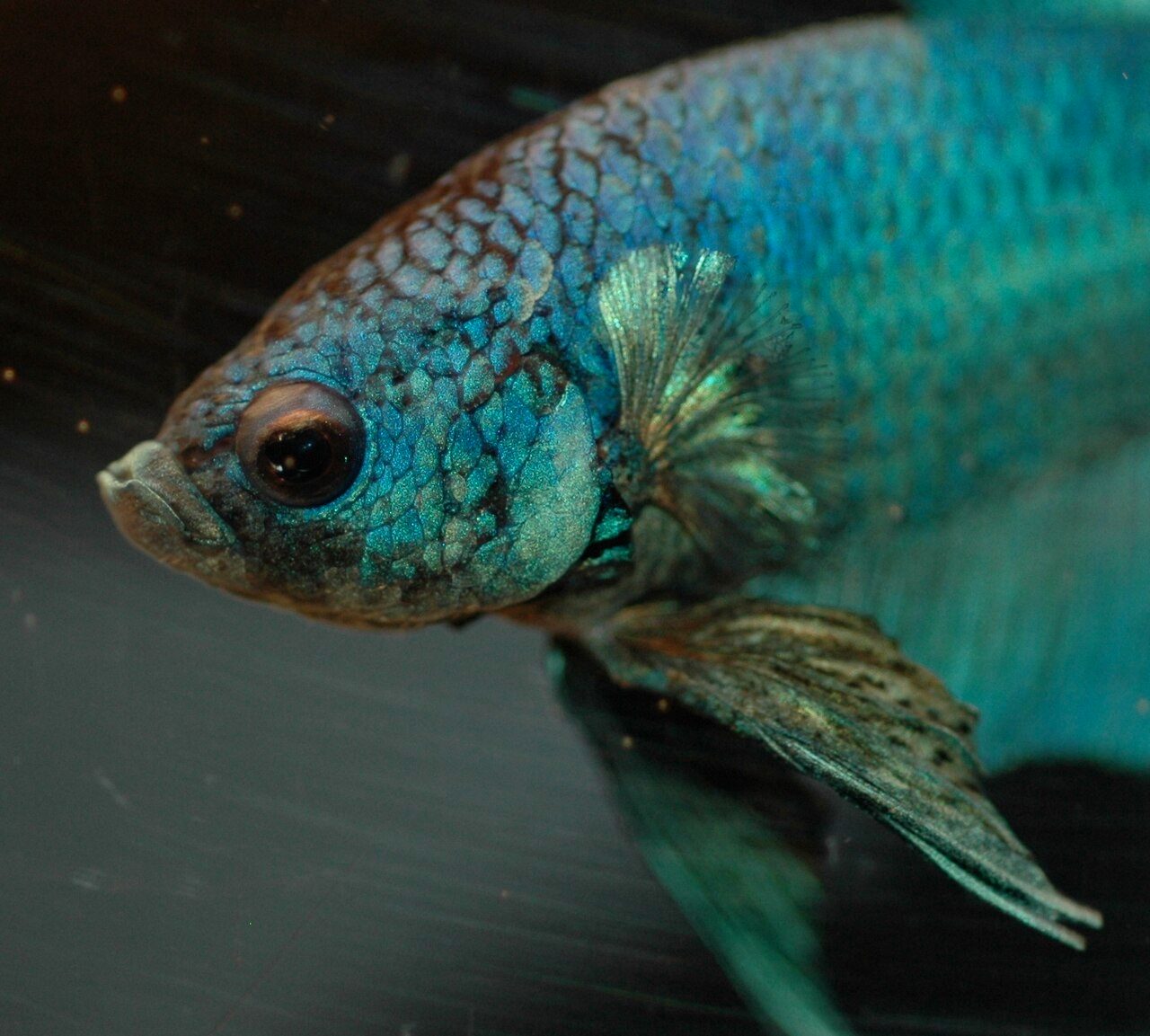
At a glance: Betta fish (Betta splendens)
- Temperature
- 76–82°F (24–28°C)
- Water pH
- 6.5–7.5
- Adult size
- 2.5 in (6 cm)
- Minimum tank
- 5 gal heated and filtered
- Group size
- Males alone
- Temperament
- Males aggressive to other males
- Diet
- Carnivore: betta pellets, frozen bloodworm, daphnia
- Lifespan
- 3–5 years
Keeper’s tip: A gentle filter and a lid matter as much as the heater; bettas jump and struggle in strong flow.
Understanding the Dynamics of Betta Fish and Tetras
Before adding any fish to your tank, you must understand the biological needs of your inhabitants.
Bettas possess a specialized Labyrinth organ, which allows them to breathe atmospheric air from the surface.
This evolutionary trait means they prefer calmer waters where they can easily reach the top without fighting heavy currents.
Tetras, on the other hand, are streamlined swimmers that rely on the safety of a group.
They are often used as dither fish, helping more timid fish feel secure by showing that no predators are nearby.
However, their high energy levels can sometimes stress out a slow-moving Betta if the tank is too crowded.
Pro Tip: Always introduce your tetras to the aquarium at least two weeks before adding the Betta. This allows the tetras to establish their territory and reduces the chance of the Betta viewing the entire tank as his exclusive domain from day one.
The interaction between these two depends heavily on the individual personality of your Betta.
Some Bettas are “puppies” that ignore everything, while others may flare at their own reflection.
Observation is your most powerful tool during the first few days of cohabitation.
Choosing the Right Tetra Species for Your Betta
Not all tetras are created equal when it comes to living with a long-finned companion.
Some species are notorious for fin nipping, which can lead to secondary infections like Columnaris in your Betta.
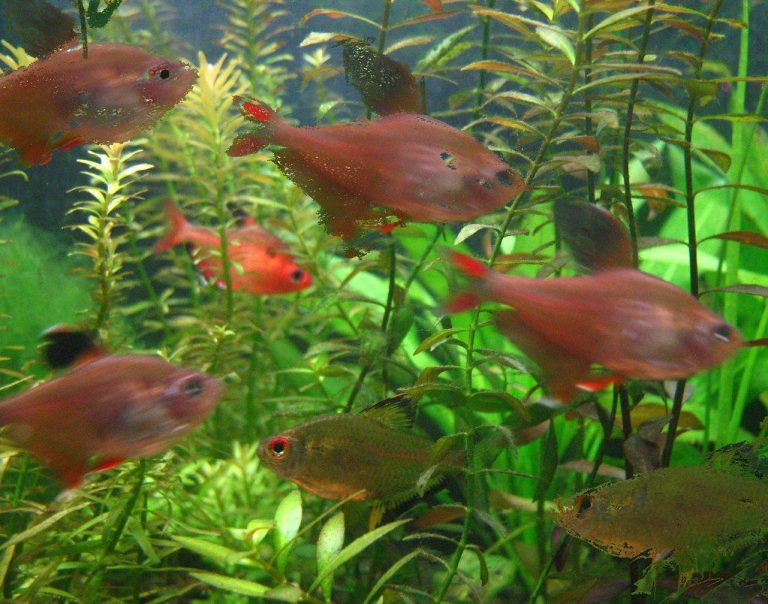
You want to avoid “nippy” tetras like Serpaes or Silver Tips and focus on peaceful, smaller varieties.
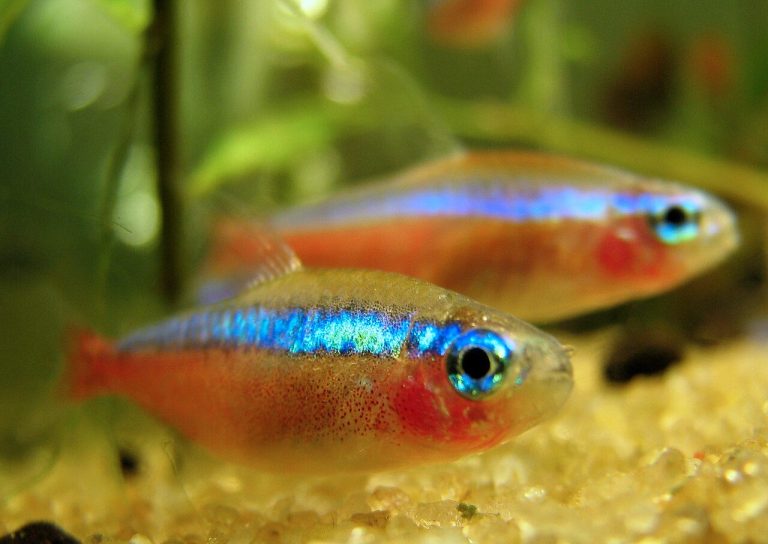
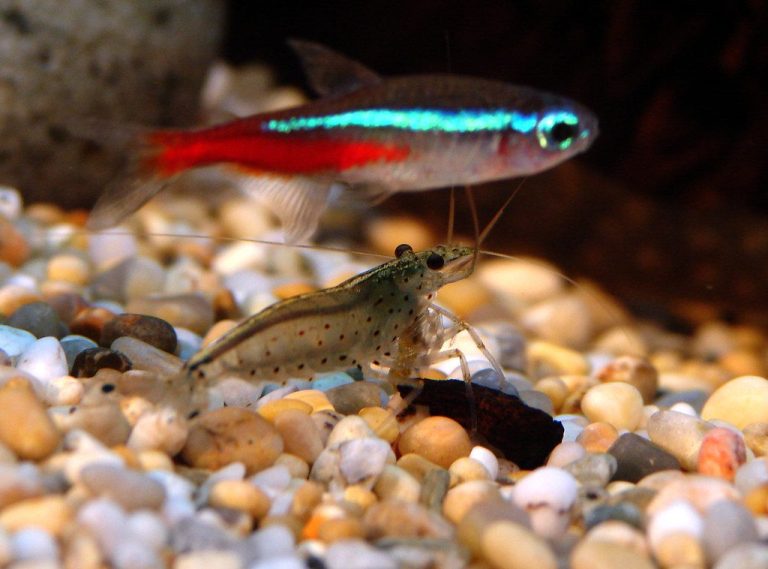
One of my favorite choices is the Neon Tetra, scientifically known as Paracheirodon innesi.
They are generally peaceful and small enough that they don’t pose a threat to the Betta’s delicate fins.
If you are looking for more variety, you might consider peaceful community companions to round out your tank.
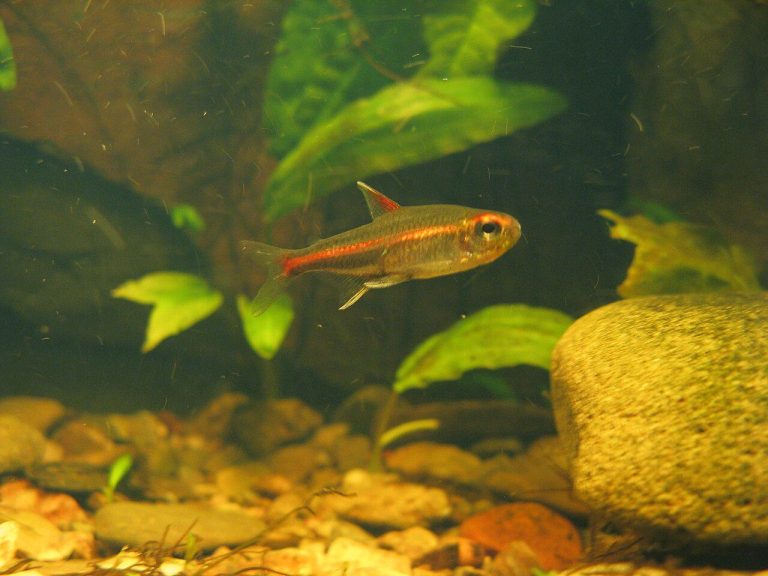
Another excellent option is the Ember Tetra, or Hyphessobrycon amandae.
These tiny, orange gems stay very small and are far too timid to bother a larger Betta.
They also share similar water preferences, making them an ideal match for a community setup.
Top Tetra Recommendations
| Tetra Species | Temperament | Compatibility Level |
|---|---|---|
| Neon Tetra | Peaceful | High |
| Ember Tetra | Very Peaceful | Excellent |
| Cardinal Tetra | Peaceful | High |
| Rummy Nose Tetra | Active/Peaceful | Moderate |
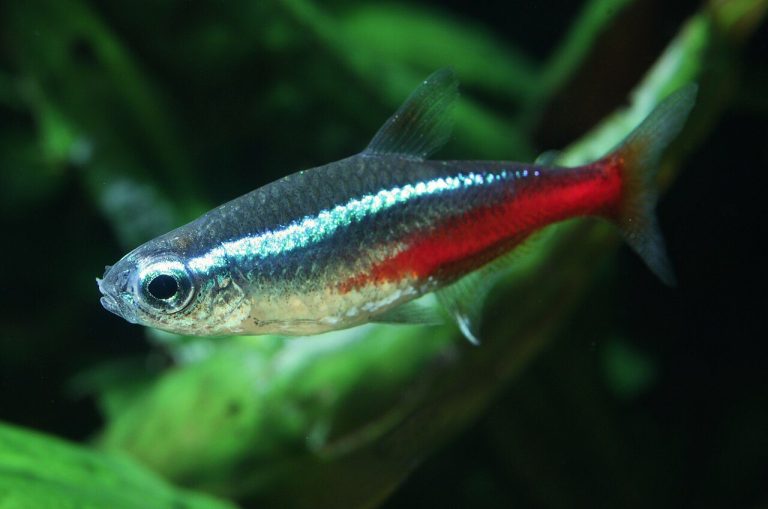
When considering mixing Cardinals with Bettas, make sure you have a larger tank.
Cardinals grow slightly larger than Neons and require more swimming space to feel comfortable.
Always keep tetras in groups of at least six to eight to minimize stress and prevent them from picking on the Betta.
Setting Up the Ideal Habitat for Betta Fish and Tetras
The environment is the single most important factor in preventing conflict.
I have found that a 20-gallon long tank is the “sweet spot” for this combination.
It provides enough horizontal swimming space for the tetras and plenty of surface area for the Betta.
If you are unsure about numbers, checking stocking levels for a 20-gallon setup can provide a great baseline.
A larger volume of water also helps maintain stability in water chemistry, which is vital for long-term health.
Smaller tanks, like 5 or 10 gallons, often lead to territorial disputes and rapid waste buildup.
Plants are your best friends in a community tank.
Use tall plants like Vallisneria or Amazon Swords to break the line of sight between the Betta and the tetras.
Floating plants, such as Frogbit or Salvinia, are also excellent for providing the shade that Bettas love.
Pro Tip: Use driftwood to naturally release Tannic acid into the water. This creates a mild Blackwater habitat effect, which mimics the natural environments of both species and has natural anti-fungal properties.
Adding caves and specialized Betta logs provides the Betta with a place to retreat if he feels overwhelmed.
Tetras will generally stay in the open middle sections, while the Betta will weave through the plants.
This vertical and horizontal separation is the secret to a peaceful coexistence.
Water Parameters and Health Management
Maintaining consistent water quality is non-negotiable when keeping betta fish and tetras.
Both species originate from soft, acidic waters in South America and Southeast Asia.
They flourish in temperatures between 76°F and 80°F, so a reliable heater is a must.
The General hardness (GH) should be kept relatively low to moderate.
Fluctuations in pH or temperature can weaken the immune systems of your fish.
This makes them susceptible to common parasites like Ichthyophthirius multifiliis, commonly known as Ich.
| Parameter | Ideal Range |
|---|---|
| Temperature | 78°F – 80°F (25.5°C – 26.5°C) |
| pH Level | 6.0 – 7.5 |
| Ammonia / Nitrite | 0 ppm |
| Nitrate | < 20 ppm |
Regular water changes of 20-25% weekly are essential for removing nitrates.
I always recommend using a high-quality water conditioner to neutralize chlorine and chloramines.
Keeping the water clean is the best way to prevent the spread of diseases in a community setting.
Managing Aggression and Feeding Strategies
Feeding time can be the most chaotic part of the day in a community tank.
Bettas are often slower eaters, while tetras are lightning-fast when food hits the water.
If you aren’t careful, your tetras will grow fat while your Betta goes hungry.
I suggest feeding the tetras on one side of the tank with small flakes or micro-pellets.
While they are distracted, you can feed the Betta his larger pellets on the opposite side.
This makes sure everyone gets their fair share without the Betta feeling the need to defend his food.
Keep a close eye on the Betta’s fins for any signs of fin nipping.
If you see jagged edges or missing chunks, the tetras may be getting too bold.
Sometimes, increasing the school size of the tetras can actually reduce aggression toward the Betta.
When tetras have a large enough group, they tend to focus their energy on interacting with each other.
If the Betta is the aggressor, it usually happens because he feels his territory is too small.
Re-arranging the decorations can sometimes “reset” the territorial boundaries.
However, if aggression persists for more than a few days, you must have a backup plan.
Essential Equipment for a Betta and Tetra Tank
To keep betta fish and tetras successfully, you need more than just a glass box.
A gentle filtration system is vital because Bettas struggle with high-flow filters.
I prefer using a sponge filter or a hang-on-back filter with an adjustable flow rate.
Lighting should not be too intense, as both species prefer slightly dimmer conditions.
If your light is very bright, use floating plants to create natural shadows.
This helps the fish feel secure and mimics their natural habitats under the jungle canopy.
Lastly, never underestimate the importance of a tight-fitting lid.
Bettas are excellent jumpers and can easily leap out of the tank if they are startled.
Tetras can also be jumpy, especially during a frantic feeding session or if they are chased.
Common Mistakes to Avoid
One of the biggest mistakes I see beginners make is choosing “glo” varieties of tetras without researching their base species.
Many of these are genetically modified versions of larger, more aggressive tetras.
Always check the temperament of the original species before adding them to a Betta tank.
Another mistake is neglecting the quarantine process for new additions.
Bringing in a group of tetras from a local store can introduce pathogens into your established tank.
Always quarantine new fish for at least two weeks to help they are healthy.
Finally, don’t overstock your tank in hopes that “more fish will dilute aggression.”
Overstocking leads to poor water quality and increased stress for all inhabitants.
Stick to the recommended gallons per fish to ensure a long and healthy life for your pets.
Common questions
Can I keep a female Betta with tetras?
Yes, female Bettas are often less aggressive and have shorter fins, making them great community candidates.
They are less likely to be targeted by nipping tetras and generally tolerate tank mates better.
However, individual personalities still vary, so monitor them closely.
How many tetras can I keep with one Betta?
In a 20-gallon tank, a school of 8 to 10 small tetras is usually perfect.
This provides the tetras with the security of a school without overcrowding the Betta.
Always prioritize water quality over the number of fish.
What should I do if my Betta is hiding all the time?
A hiding Betta might be stressed by the high activity levels of the tetras.
Check your water parameters first to rule out illness.
If the water is fine, try adding more plants to give the Betta more secure resting spots.
Do I need a heater for both species?
Absolutely, as both are tropical fish that require warm water to function.
A stable temperature of 78°F is the sweet spot for both species.
Without a heater, their metabolisms will slow down, leading to lethargy and illness.
A last word
Keeping betta fish and tetras together is a satisfying challenge for any aquarist.
If you choose the right species, providing a spacious environment, and maintaining pristine water, you can enjoy a peaceful community.
Every fish is an individual, and what works for one may not work for another.
Success comes from patience and careful observation of your underwater world.
If you provide plenty of plants, the right food, and a stress-free environment, your tank will do well.
I hope this guide gives you the confidence to start your own Betta community tank today.
With the right preparation, you can create a beautiful and peaceful home for these amazing fish.

- 2003First tank
- 20+Years keeping
- 40+Tanks kept
- 0Sponsored picks
Howard set up his first 10-gallon planted tank in 2003 and lost half of it within six weeks. Two decades and more than forty aquariums later, he writes the guides he wished he had then: clear numbers, the reasons behind them, and what actually goes wrong in home tanks.