Bloodfin Tetra With Betta Fish – Can They Live Together?
Keeping Bloodfin Tetra with betta fish is possible in tanks of 20 gallons or larger. Success depends on maintaining a school of tetras to prevent nipping and providing plenty of plants to break lines of sight.
Building a community aquarium is one of the most satisfying aspects of the fish-keeping hobby.
In my ten years of maintaining diverse setups, I have often been asked if Bloodfin Tetra with betta fish can coexist.
The short answer is yes, but it requires a nuanced understanding of both species to keep a stress-free environment.
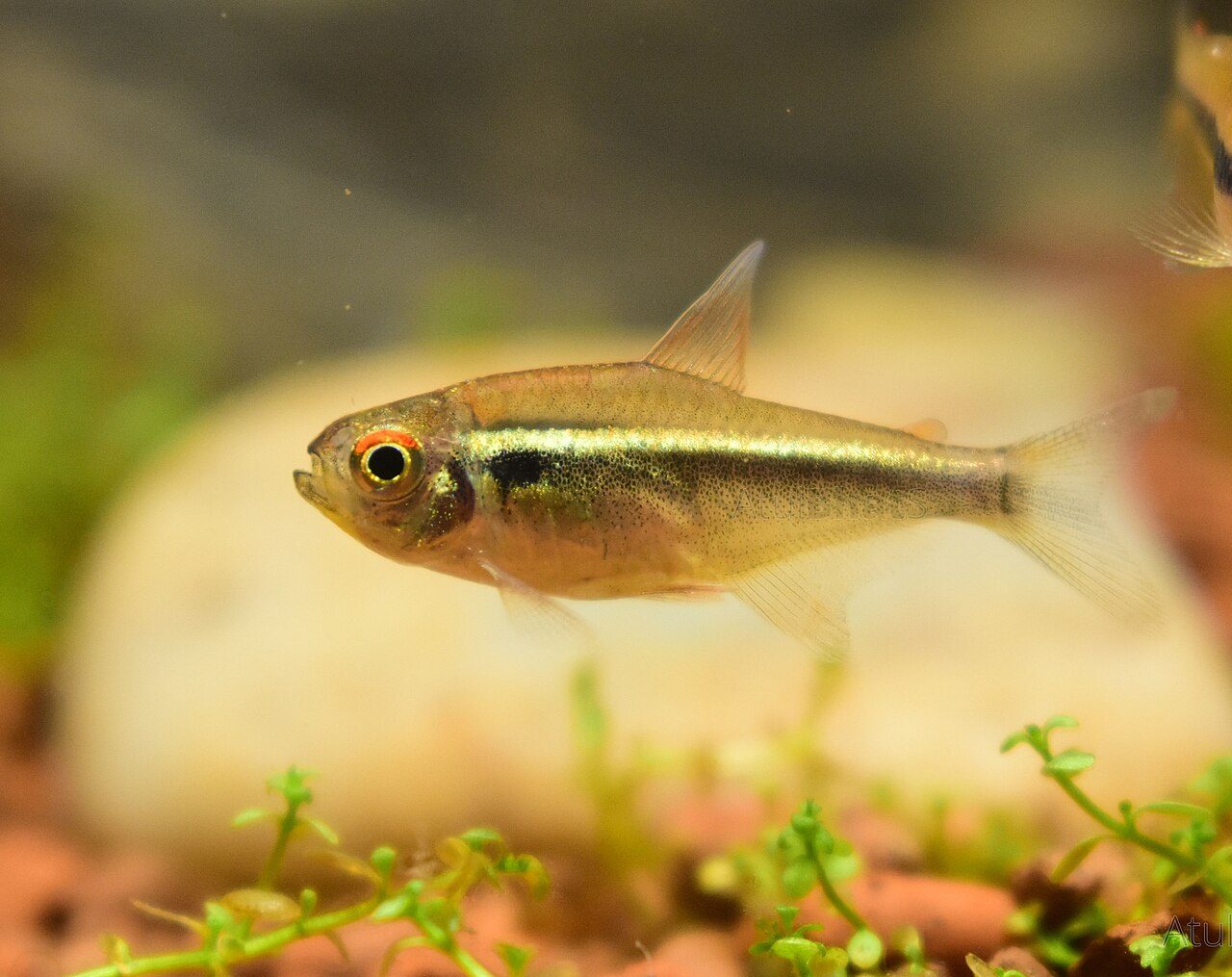
The Bloodfin Tetra, known scientifically as Aphyocharax anisitsi, is a hardy and energetic schooling fish.
On the other hand, the Betta splendens is a solitary and often territorial beauty.
Merging these two requires more than just dropping them into the same glass box; it requires careful planning of water chemistry and tank layout.
When I first started keeping community tanks, I learned that the secret to harmony is balance.
If you provide enough space and the right environmental cues, these two species can stay healthy together without constant conflict.
In this guide, I will walk you through everything you need to know to make this pairing a success in your home aquarium.
At a glance: Bloodfin tetra (Aphyocharax anisitsi)
- Temperature
- 64–82°F (18–28°C)
- Water pH
- 6.0–8.0
- Adult size
- 2 in (5 cm)
- Minimum tank
- 20 gal
- Group size
- Groups of 6+
- Temperament
- Active, slightly nippy
- Diet
- Omnivore: flakes, small pellets, frozen foods
- Lifespan
- 5–10 years
Keeper’s tip: One of the hardiest tetras and tolerant of cooler, unheated rooms.
Understanding the Dynamics of Bloodfin Tetra with Betta Fish
To successfully keep Bloodfin Tetra with betta fish, you must first understand their natural behaviors.
Bloodfin Tetras are native to the Paraná River basin in South America, where they inhabit flowing waters.
They are incredibly active and prefer to swim in the upper and middle layers of the water column.
Bettas originate from the stagnant or slow-moving waters of Southeast Asia.
They possess a specialized labyrinth organ, which allows them to breathe atmospheric air from the surface.
This difference in origin means they have slightly different preferences for water flow and temperature, though there is a significant “sweet spot” where they overlap.
One of the primary concerns with this pairing is agonistic behavior, which refers to social conflict between animals.
Bettas are famously territorial, while Bloodfins can sometimes be prone to fin nipping if their school is too small.
If you are looking for other options, you might also consider suitable tank mates for tetras to see how different species interact.
Bloodfin Tetras are strictly schooling fish and should never be kept alone.
In my experience, a group of at least six to eight is necessary to keep them feeling secure.
When they are in a proper school, they focus their energy on interacting with each other rather than bothering the betta.
The Solitary Nature of the Betta
Bettas do not need “friends” of their own kind; in fact, they usually prefer to be the only one of their species in the tank.
They view long-finned or brightly colored fish as potential rivals.
Since Bloodfins have relatively short fins and a sleek silver body, they often fly under the betta’s radar.
Essential Tank Requirements and Water Parameters
The foundation of a healthy aquarium is the water itself and the space provided.
Keeping Bloodfin Tetra with betta fish in a small 5-gallon or 10-gallon tank is a recipe for disaster.
I always recommend a minimum of 20 gallons for this specific community setup.
A larger tank provides more “territorial real estate,” allowing the betta to claim a corner without the tetras constantly invading its space.
It also helps dilute waste, which is vital for maintaining the nitrogen cycle.
A stable cycle ensures that toxic ammonia and nitrite remain at zero, preventing stress-related illnesses.
| Parameter | Ideal Range | Notes |
|---|---|---|
| Temperature | 76°F – 80°F (24°C – 27°C) | Bettas prefer the higher end; Bloodfins are adaptable. |
| pH Level | 6.5 – 7.5 | Keep it stable to avoid stress. |
| Water Hardness (dGH) | 5 – 15 dGH | Moderate hardness is acceptable for both. |
| Ammonia / Nitrite | 0 ppm | Essential for long-term health. |
Choosing the Right Filtration
Bettas are not strong swimmers and can be easily pushed around by heavy currents.
However, Bloodfin Tetras enjoy a bit of water movement.
I have found that a high-quality sponge filter or a hang-on-back filter with an adjustable flow is the best compromise.
The sponge filter provides excellent biological filtration without creating a “whirlpool” effect.
This allows the betta to rest comfortably near the surface, while the tetras can play in the gentle current.
Pro Tip: When setting up your filter, aim the output toward the glass or use a pre-filter sponge to baffle the flow. This creates “dead zones” of calm water where your betta can sleep without struggling against the current.
Aquascaping to Prevent Aggression
The layout of your tank is the most effective tool for managing behavior.
When keeping Bloodfin Tetra with betta fish, you must break up the “line of sight.”
If the betta cannot see the tetras from across the tank, it is much less likely to chase them.
Live plants are your best friend in this regard.
I highly recommend using Anubias barteri and Java Fern.
These plants have broad leaves that provide excellent resting spots for the betta near the water’s surface.
The Importance of Vertical Coverage
Tall plants like Vallisneria or Amazon Swords create a “forest” effect.
This allows the Bloodfin Tetras to dart in and out of cover if the betta becomes curious.
It also gives the tetras a place to establish their own “zone” within the tank.
Floating Plants for the Betta
Floating plants like Salvinia or Frogbit are excellent for bettas.
They provide shade and mimic the natural environment where bettas hunt and build bubble nests.
Just ensure the plants do not cover the entire surface, as the betta needs access to air for its labyrinth organ.
Feeding and Nutrition for a Mixed Tank
Feeding a community tank can be tricky because Bloodfin Tetras are incredibly fast.
They will often gobble up all the food before the slower betta even realizes it is mealtime.
In my experience, “distraction feeding” is the most effective method.
I usually drop a small pinch of flake food at one end of the tank for the tetras.
While they are busy, I use a pair of tweezers or a pipette to offer high-quality betta pellets directly to the betta at the other end.
This helps keep everyone gets their fair share without a frantic race.
Recommended Diet for Both Species
Both fish are primarily carnivores, though they benefit from a varied diet.
Bloodfin Tetras settle in on high-quality flakes and micro-pellets.
Bettas require specific betta pellets that are high in protein.
Treats like frozen bloodworms or brine shrimp are a hit with both species.
However, be careful not to overfeed, as this can lead to bloating in bettas and water quality issues.
For more on general tetra needs, you might find our guide on bloodfin tetra companions helpful.
Monitoring Health and Preventing Disease
A stressed fish is a sick fish.
The most common health issue in a community tank with these species is Columnaris.
This bacterial infection often strikes when fish are stressed by poor water quality or aggressive tank mates.
Keep a close eye on the fins of your betta.
If you notice ragged edges or “bites,” it may be a sign of fin nipping from the tetras.
If the school of Bloodfins is too small, they may nip at the betta’s long, flowing fins out of boredom or insecurity.
Common Mistake: Many beginners assume that if they see torn fins, the betta is the aggressor. In reality, it is often the tetras nipping the betta while it sleeps. Always observe the tank at night with a flashlight to see the true dynamics.
Signs of Stress to Watch For
Stress can manifest in several ways.
Bloodfin Tetras may lose their rich red color and appear pale.
Bettas might develop “stress stripes” (horizontal dark lines) or hide constantly in the bottom corners.
If you see these signs, check your water parameters immediately and keep the temperature hasn’t fluctuated.
How to Introduce Bloodfin Tetra with Betta Fish
The order of introduction is critical when establishing a community.
I always recommend adding the Bloodfin Tetras first.
Let them settle in for two to three weeks to establish their school and explore the tank.
Once the tetras are comfortable, you can introduce the betta.
By adding the betta last, it is entering an established environment rather than “owning” the entire tank and viewing the tetras as intruders.
This often results in a much more peaceful transition.
The Quarantine Process
I cannot stress this enough: always quarantine new fish.
I’ve seen entire tanks wiped out because a single new tetra brought in a parasite.
Keep new arrivals in a separate 5-gallon or 10-gallon tank for at least two weeks before moving them to the main display.
During this time, observe them for any signs of illness or unusual behavior.
This makes sure that your main community remains a healthy and safe environment for all inhabitants.
Frequently asked questions
Are Bloodfin Tetras too fast for a Betta?
Yes, they are much faster swimmers than bettas.
While this means the betta usually can’t catch them to hurt them, it also means the tetras can outcompete the betta for food.
Always use the distraction feeding method mentioned earlier.
What is the minimum school size for Bloodfins in a Betta tank?
The minimum should be six, but eight to ten is much better.
A larger school makes the tetras feel safer, which significantly reduces their urge to nip at the betta’s fins.
Can I keep multiple Bettas with Bloodfin Tetras?
No, you should never keep more than one male betta in the same tank.
Even in a large tank, they will eventually find each other and fight.
A sorority of female bettas is possible but is an advanced project that requires even more space and planning.
Do Bloodfin Tetras need a heater?
Yes, because you are keeping them with a betta.
While Bloodfins can tolerate cooler water (down to 65°F), bettas are tropical fish that need temperatures around 78°F.
The tetras will adapt well to this warmer environment.
My final take
Successfully keeping Bloodfin Tetra with betta fish is a hallmark of an observant and skilled aquarist.
If you focus on a large tank, heavy planting, and a proper schooling size for the tetras, you create a bright and dynamic underwater world.
Every fish has its own personality; some bettas are “peaceful giants,” while others are simply too grumpy for roommates.
Always have a backup plan, such as a spare 5-gallon tank, in case the individuals you choose don’t get along.
With patience and the right setup, the silver flash of the Bloodfins and the regal beauty of the betta can create a beautiful centerpiece in your home.
Keep learning, keep observing, and enjoy the wonderful journey of fish keeping.

- 2003First tank
- 20+Years keeping
- 40+Tanks kept
- 0Sponsored picks
Howard set up his first 10-gallon planted tank in 2003 and lost half of it within six weeks. Two decades and more than forty aquariums later, he writes the guides he wished he had then: clear numbers, the reasons behind them, and what actually goes wrong in home tanks.