Tank Mates For Tetras – Compatibility Guide
The best tank mates for tetras are peaceful, small-to-medium species such as Corydoras catfish, Rasboras, and dwarf gouramis. Always select companions that share similar water requirements and avoid large, predatory fish that may view tetras as prey.
Selecting the right tank mates for tetras is one of the most satisfying aspects of the aquarium hobby. When you get the combination right, your tank becomes a bright, moving piece of art where every inhabitant stays healthy.
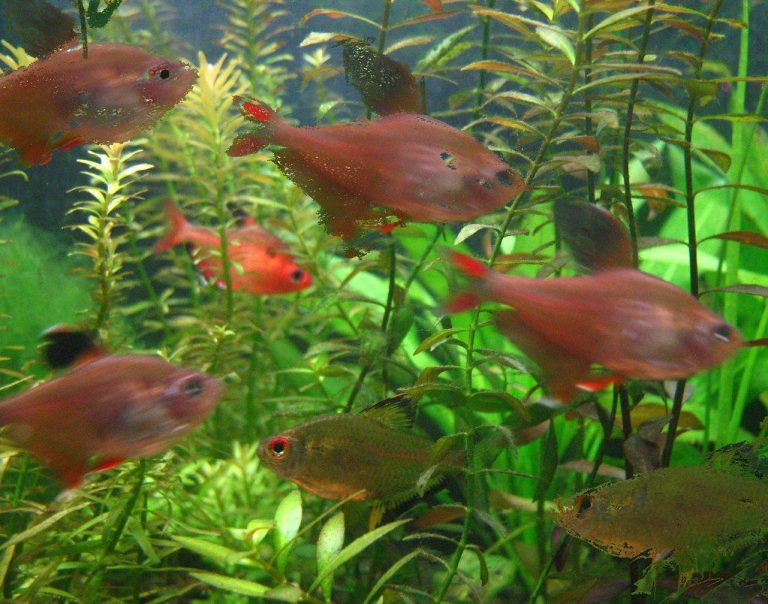
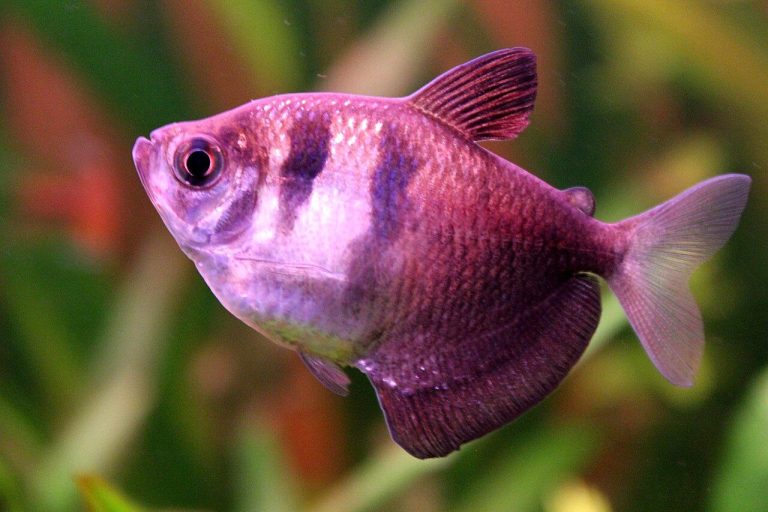
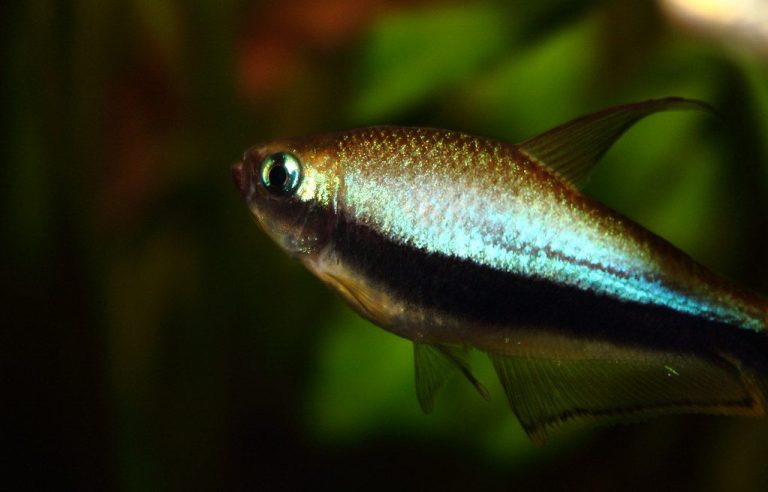
In my experience of over ten years maintaining community tanks, I’ve found that tetras are the “glue” that holds a display together. These members of the order Characiformes are generally peaceful, but their high energy requires specific social considerations.
A successful community isn’t just about picking fish that look good together. It’s about understanding vertical niche partitioning and ensuring every species has its own “zone” in the water column.
At a glance: Tetras (general) (Family Characidae and relatives)
- Temperature
- 72–80°F (22–27°C) for most species
- Water pH
- 6.0–7.5 for most species
- Adult size
- 1–3 in (2.5–8 cm)
- Minimum tank
- 10–30 gal depending on species
- Group size
- Groups of 6–10+
- Temperament
- Mostly peaceful schooling fish
- Diet
- Omnivores: quality flakes or micro pellets plus frozen foods
- Lifespan
- 3–8 years
Keeper’s tip: Schooling size matters more than tank size for most tetras: small groups hide, nip and stress.
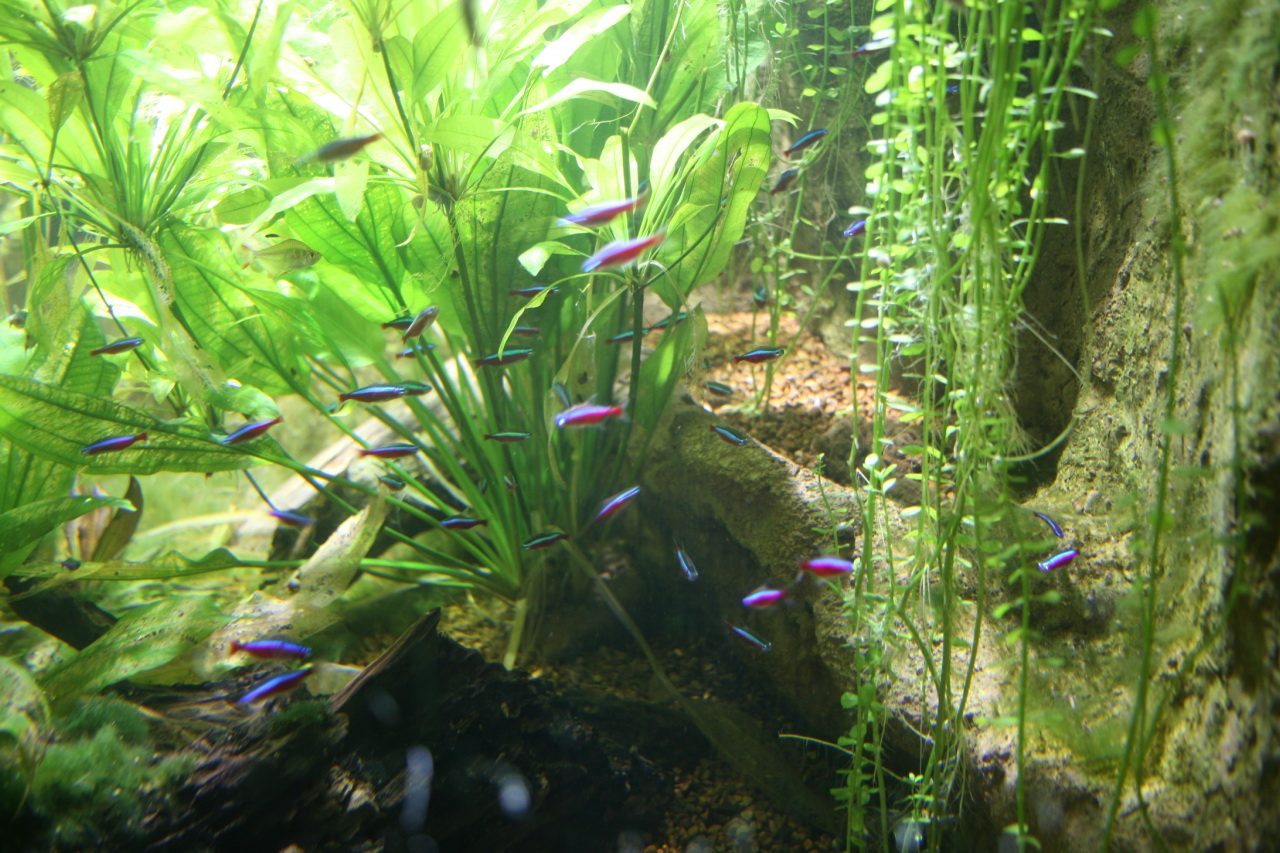
Tetras are famous for their schooling nature, which is a survival mechanism in the wild. This behavior is often referred to as dithering behavior, as their constant movement helps other shy fish feel safe enough to come out into the open.
When choosing tank mates for tetras, you must consider that tetras themselves need to be in groups of at least six to ten. Without a proper school, they can become stressed, leading to a weakened immune system and susceptibility to pathogens like Ichthyophthirius multifiliis.
In my early years, I made the mistake of keeping too few of one species. I noticed that the fish became nippy toward their tank mates simply because they didn’t feel secure in their own group.
Pro Tip: Always introduce your school of tetras first before adding larger or more “bossy” companions. This allows the tetras to establish their territory and feel confident in their new environment before any potential interspecific aggression occurs.
Top Bottom-Dwelling Tank Mates for Tetras
One of the best ways to create a balanced tank is to look at the bottom of the aquarium. Since most tetras occupy the middle and upper layers, bottom dwellers make excellent companions.
The Corydoras paleatus, or Peppered Cory, is a personal favorite of mine for tetra tanks. They are incredibly peaceful and spend their days scavenging for leftover food that the tetras might have missed during feeding time.
Another fantastic choice is the Ancistrus cirrhosus, commonly known as the Bristlenose Pleco. Unlike common plecos that grow far too large for most home setups, the Bristlenose stays at a manageable size and does a great job cleaning algae.
| Species Name | Water Layer | Min Tank Size | Temperament |
|---|---|---|---|
| Corydoras paleatus | Bottom | 15-20 Gallons | Peaceful |
| Ancistrus cirrhosus | Bottom/Surfaces | 20-30 Gallons | Peaceful/Solitary |
| Kuhli Loach | Bottom/Cracks | 20 Gallons | Shy/Peaceful |
Peaceful Middle and Top-Dwelling Companions
If you want to add variety to the middle of your tank, consider other schooling fish like Rasboras or Danios. Harlequin Rasboras are particularly striking when paired with the bright blues and reds of tetras.
Dwarf Gouramis are another popular choice because they provide a “centerpiece” look without being overly aggressive. However, be cautious with larger gourami species as they can sometimes become territorial.
I’ve often seen beginners try to mix tetras with Bettas with varying degrees of success. In my experience, this works best in heavily planted tanks where the Betta isn’t constantly in the line of sight of the active tetras.
Managing Dwarf Cichlids and Tetras
Many aquarists love the idea of adding a splash of personality with dwarf cichlids. The Microgeophagus ramirezi, or German Blue Ram, is a eye-catching fish that can coexist beautifully with tetras.
These cichlids are generally peaceful but can show interspecific aggression during spawning. To mitigate this, make sure you have plenty of caves, driftwood, and plants to break up the line of sight.
Tetras actually serve a vital role when kept with dwarf cichlids. Their active swimming acts as a signal to the cichlids that no predators are nearby, encouraging the cichlids to stay out in the open.
Water Chemistry and Environmental Needs
When selecting tank mates for tetras, matching water parameters is non-negotiable. Most tetras prefer soft, slightly acidic water, though many captive-bred varieties are adaptable.
You should pay close attention to General Hardness (dGH) and Carbonate Hardness (dKH). Keeping these levels stable is more important than hitting a “perfect” number, as wild fluctuations cause significant stress to small fish.
| Parameter | Ideal Range for Tetras | Common Companion Range |
|---|---|---|
| Temperature | 72°F – 82°F | 75°F – 80°F |
| pH Level | 6.0 – 7.5 | 6.5 – 7.5 |
| dGH | 4 – 12 | 5 – 15 |
Health Management in a Community Setting
Adding new tank mates for tetras always carries a small risk of introducing disease. The most common issue I’ve encountered is Ich, caused by the parasite Ichthyophthirius multifiliis.
Quarantining new fish for at least two weeks is the best way to protect your existing school. This is especially true for tetras, as they can be sensitive to some common copper-based medications.
If you notice your fish are struggling, it’s vital to act quickly. I recommend reading about preventing common tetra ailments to understand the differences between standard infections and more serious conditions like Neon Tetra Disease.
Common Mistake: Many keepers forget that tetras are very sensitive to high nitrate levels. When you add more tank mates, your bioload increases, so you must scale up your water change schedule accordingly to keep the environment pristine.
The Importance of Tank Size and Space
The number of fish you can keep depends heavily on the volume of your aquarium. While tetras are small, they are active swimmers and need horizontal space to school properly.
I’ve seen many hobbyists try to crowd too many species into small setups. If you are working with a smaller footprint, you might want to look into stocking a 10-gallon setup properly to avoid stress-related illness.
Larger tanks, such as a 29-gallon or 55-gallon, allow for a much wider variety of tank mates for tetras. In these larger volumes, you can successfully maintain multiple schools and bottom dwellers without overcrowding.
Invertebrates as Tetra Companions
Shrimp and snails can be wonderful additions to a tetra tank. Amano shrimp are particularly solid and are excellent at keeping the tank free of hair algae.
However, be careful with smaller shrimp like Cherry Shrimp. While adult tetras generally won’t eat adult shrimp, they will certainly make a snack out of the tiny shrimplets.
If your goal is to breed shrimp, I suggest providing a very thick carpet of moss. This gives the babies a place to hide until they are large enough to not be considered a meal.
Feeding a Diverse Community
With a variety of tank mates for tetras, you need a variety of foods. Tetras are generally surface and mid-water feeders, while your Corydoras and Plecos need sinking pellets.
I like to feed a mix of high-quality flakes, micro-pellets, and frozen foods like daphnia or brine shrimp. This helps make sure that every fish, regardless of where they sit in the water column, receives proper nutrition.
Watching a community tank at feeding time is one of the joys of the hobby. You get to see the different personalities of your fish as they interact and compete (peacefully) for their favorite treats.
A few common questions
Can I keep Goldfish with Tetras?
No. Goldfish are cold-water fish and grow much larger than tetras. They will eventually try to eat the tetras, and the temperature requirements for both species are fundamentally different.
Are Angelfish good tank mates for tetras?
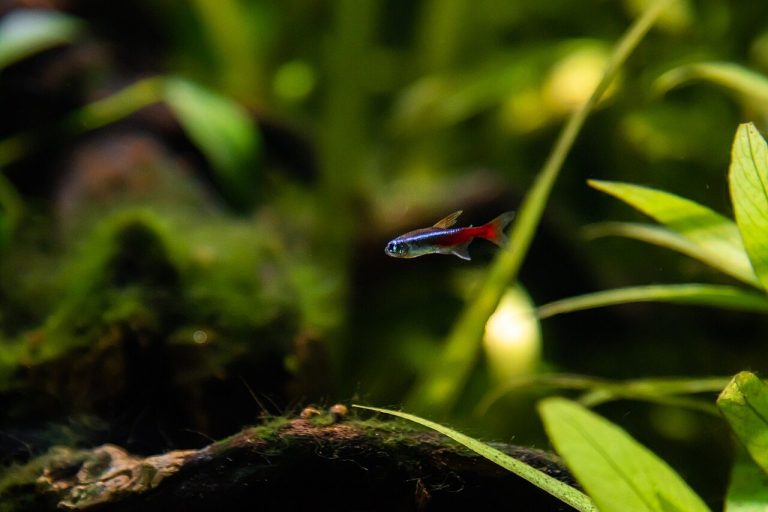
It depends. While they are often sold together, large Angelfish are natural predators of small tetras like Neons. If you want to keep them together, choose larger tetra species like Bleeding Heart or Rummy Nose tetras.
Do tetras need a heater?
Yes. Tetras are tropical fish and require stable temperatures, usually between 75°F and 80°F. A high-quality, adjustable heater is essential for their long-term health.
How many different species of tetras can I mix?
You can mix several species, but I recommend having at least six of each kind. A tank with two large schools of different species often looks much better than a tank with two of ten different species.
Creating Your Perfect Community
Building a community around your tetras is a journey of observation and adjustment. If you focus on tank mates for tetras that respect the social and environmental needs of your fish, you create a sustainable ecosystem.
Prioritize water quality, provide plenty of hiding spots with live plants, and always research the adult size of any new addition. In my decade of fish keeping, I’ve found that patience is the most valuable tool in an aquarist’s kit.
With the right companions, your tetras will show their brightest colors and most engaging behaviors., and may your aquarium be a source of constant wonder and relaxation.

- 2003First tank
- 20+Years keeping
- 40+Tanks kept
- 0Sponsored picks
Howard set up his first 10-gallon planted tank in 2003 and lost half of it within six weeks. Two decades and more than forty aquariums later, he writes the guides he wished he had then: clear numbers, the reasons behind them, and what actually goes wrong in home tanks.