Temperature For Tetras – The Ultimate Guide To Optimal Health
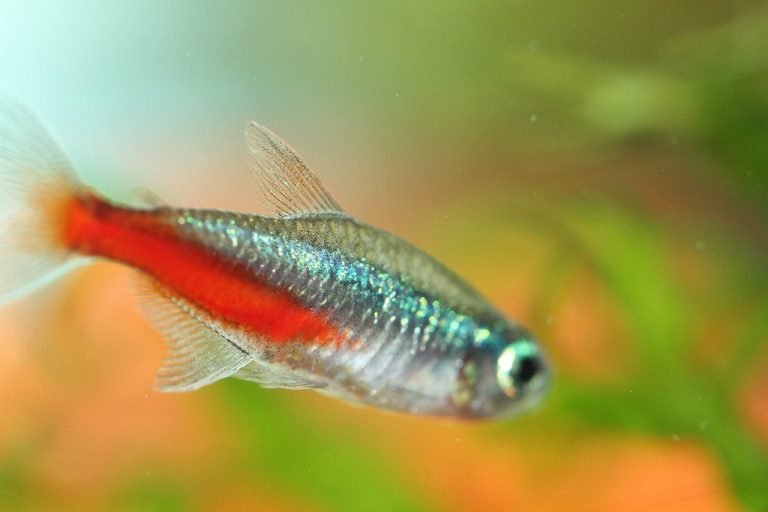
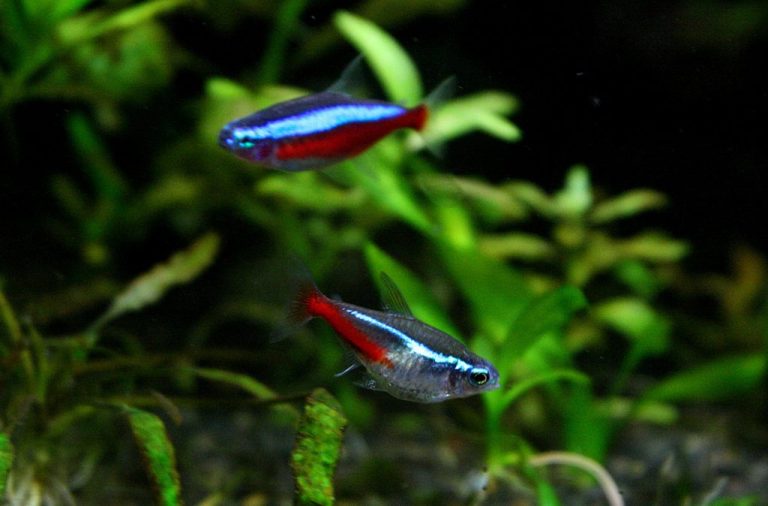
The ideal temperature for most popular tetra species ranges from 72°F to 78°F (22°C to 26°C), though specific species like Neon Tetras (Paracheirodon innesi) and Cardinal Tetras (Paracheirodon axelrodi) often prefer the warmer end of this spectrum. Maintaining a stable temperature within their preferred range is absolutely critical for their health, immune function, and overall well-being.
As an aquarist with over a decade of experience, I can tell you that few things impact the health and vibrancy of your fish as profoundly as stable and appropriate water parameters. Among these, temperature for tetras stands out as a fundamental pillar of successful fish keeping.
Tetras are well-loved for their schooling behavior, dazzling colors, and generally peaceful nature, making them a staple in many community aquariums. However, because they are ectothermic, meaning their body temperature is regulated by their environment, getting the water temperature just right isn’t merely a suggestion—it’s a requirement for their survival and flourishing.
This comprehensive guide will go through everything you need to know about maintaining the perfect thermal environment for your tetras. We’ll explore why temperature matters, specific ranges for popular species, essential equipment, and how to troubleshoot common issues to help your finned friends live long, happy, and bright lives.
At a glance: Tetras (general) (Family Characidae and relatives)
- Temperature
- 72–80°F (22–27°C) for most species
- Water pH
- 6.0–7.5 for most species
- Adult size
- 1–3 in (2.5–8 cm)
- Minimum tank
- 10–30 gal depending on species
- Group size
- Groups of 6–10+
- Temperament
- Mostly peaceful schooling fish
- Diet
- Omnivores: quality flakes or micro pellets plus frozen foods
- Lifespan
- 3–8 years
Keeper’s tip: Schooling size matters more than tank size for most tetras: small groups hide, nip and stress.
Understanding Tetra Temperature Needs: Why It’s Essential for Health
Imagine living in a house where the thermostat constantly fluctuates wildly. You’d feel stressed, get sick, and generally be unwell. Fish experience something similar, but with far more severe consequences because their bodies are entirely dependent on the water temperature.
Tetras, like all fish, are cold-blooded creatures. Their internal biological processes, from digestion to respiration and immune response, are directly influenced by the water temperature. This is known as their ectothermic physiology.
The Impact of Temperature on Metabolic Rate
Temperature directly affects a fish’s metabolic rate. In warmer water, their metabolism speeds up. This means they digest food faster, grow quicker, and are more active. While this might sound good, excessively warm water can lead to a shortened lifespan due to accelerated aging and increased stress on their organs.
Conversely, water that is too cold will slow down their metabolism. They’ll become sluggish, less active, and their immune system will be compromised, making them highly susceptible to diseases. It also impacts their ability to process food efficiently.
Oxygen Levels and Respiration
Another critical factor related to temperature is dissolved oxygen solubility. Colder water can hold more dissolved oxygen than warmer water. As water temperature rises, the amount of oxygen it can retain decreases significantly. If your tank runs too warm, especially without adequate surface agitation or aeration, your tetras could suffer from hypoxia, a condition where they don’t get enough oxygen. You might see them gasping at the surface, a clear sign of distress.
Pro Tip: Monitor Water Temperature Daily.
In my early years, I once assumed my heater was always accurate. A sudden fish illness prompted me to check with a separate thermometer, revealing a significant discrepancy. Always use a reliable thermometer and check the temperature daily. Consider a secondary thermometer as a backup or for calibration checks. This simple habit can prevent a lot of heartache.
The Perfect Temperature for Tetras: Species-Specific Ranges
While there’s a general range for most tetras, it’s important to keep in mind that different species originate from various parts of South America and may have slightly different preferences. Understanding these nuances is key to providing best care. Here’s a look at some popular tetra species and their ideal temperature ranges:
| Tetra Species | Scientific Name | Ideal Temperature Range (°F) | Ideal Temperature Range (°C) |
|---|---|---|---|
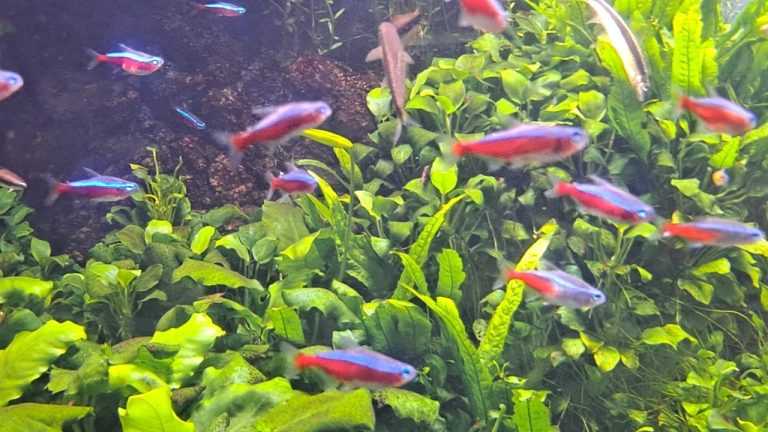
| Neon Tetra | Paracheirodon innesi | 72-76°F | 22-24.5°C |
| Cardinal Tetra | Paracheirodon axelrodi | 73-81°F | 23-27°C |
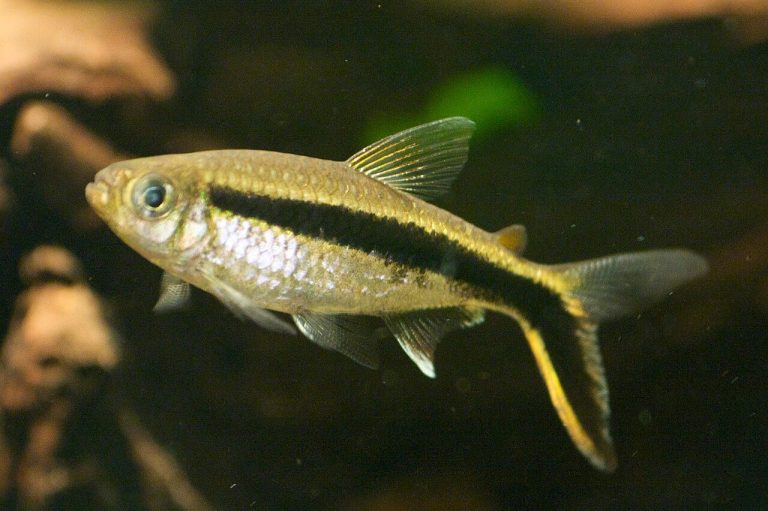
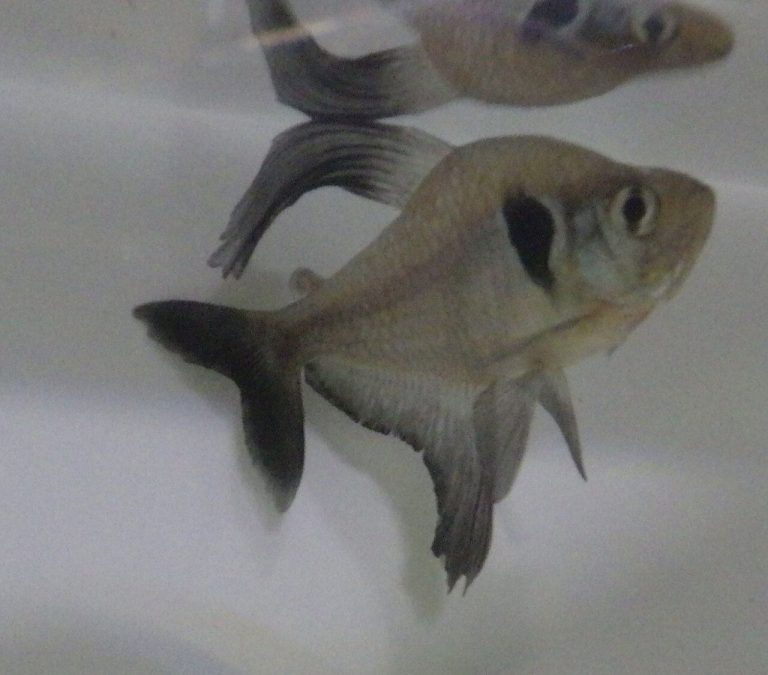
| Black Skirt Tetra | Gymnocorymbus ternetzi | 70-78°F | 21-25.5°C |
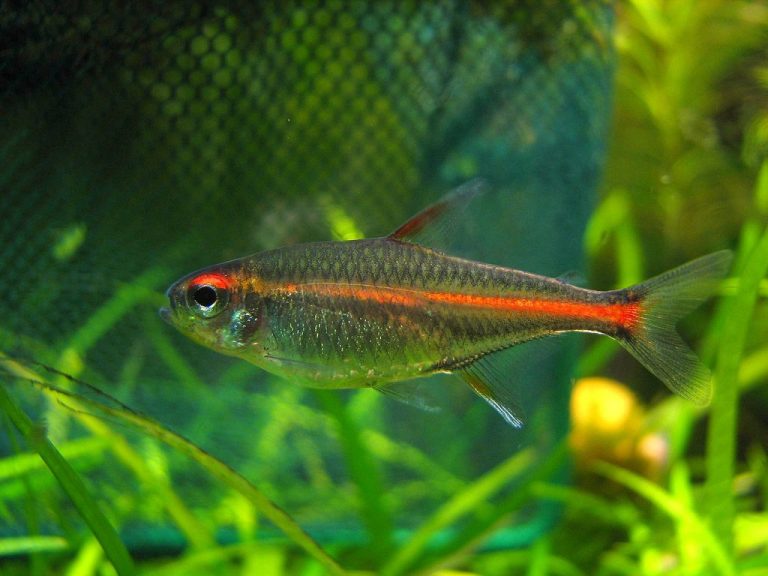
| Glowlight Tetra | Hemigrammus erythrozonus | 72-78°F | 22-25.5°C |
| Rummy-nose Tetra | Hemigrammus rhodostomus | 75-81°F | 24-27°C |
| Serpae Tetra | Hyphessobrycon eques | 72-79°F | 22-26°C |
| Buenos Aires Tetra | Hyphessobrycon anisitsi | 68-78°F | 20-25.5°C |
As you can see, even within the general “tetra” category, there’s some variation. Rich Neon Tetras, for example, do well best on the slightly cooler side of the typical tropical range, while Cardinal Tetras, often confused with Neons, prefer it a bit warmer. Always research the specific needs of your chosen species.
Achieving and Maintaining Stable Temperatures in Your Tetra Tank
Stability is the top priority. Wild environments often experience gradual temperature shifts, not sudden swings. Your job as an aquarist is to replicate this stability as much as possible. Here’s how:
Selecting the Right Heater
A good quality aquarium heater is your first line of defense against temperature fluctuations. For most tetra tanks, a submersible heater with an adjustable thermostat is ideal. The general rule of thumb is 5 watts per gallon for tanks in average room temperatures, but this can vary depending on your ambient room temperature and tank size. For example, a 20-gallon tank might need a 100-watt heater.
Proper Heater Placement
Place your heater near an area of good water flow, such as near the filter output. This helps distribute the heated water evenly throughout the tank, preventing hot or cold spots. Avoid burying the heater directly in the substrate, as this can impede heat transfer and potentially damage the unit.
Calibrating Your Submersible Heater
Many heaters come with a dial, but this dial often isn’t perfectly accurate. You’ll need to perform a submersible heater calibration. Set the heater to a middle temperature, let the tank stabilize for 24 hours, then check the actual temperature with a reliable thermometer. Adjust the heater dial slightly and recheck after another 24 hours until you hit your target.
Heaters work based on thermostat hysteresis, meaning they don’t turn on and off at the exact set temperature. Instead, they have a small temperature range (e.g., set to 75°F, it might turn on at 74°F and off at 76°F) to prevent constant cycling, which is normal.
Using a Reliable Thermometer
This is non-negotiable. Glass thermometers that suction to the inside of the tank are generally very accurate. Digital thermometers can also be good, but make sure they are designed for aquariums. Avoid stick-on external thermometers, as they measure the glass temperature, not the water temperature, and can be notoriously inaccurate.
Common Mistake: Underpowering Your Heater
A common error I’ve seen beginners make is using a heater that’s too small for their tank, especially in colder rooms. An underpowered heater will struggle to maintain the desired temperature, leading to constant operation and potential burnout. It’s always better to slightly over-size your heater (e.g., 150W for a 20-gallon tank if your room is cold) to help it can keep up without constant strain. Just make sure it has a reliable thermostat.
The Perils of Temperature Swings: Avoiding Stress and Disease
Sudden or significant temperature changes are incredibly harmful to tetras. They can lead to a condition called thermal shock, which weakens their immune system and can even be fatal.
Weakened Immune System
Fish constantly fight off low levels of parasites and bacteria present in any aquarium. A stable, appropriate temperature keeps their immune system strong. When stressed by temperature swings, their defenses drop, making them vulnerable.
Increased Disease Susceptibility
One of the most common diseases exacerbated by temperature stress is Ich, or White Spot Disease (caused by the parasite Ichthyophthirius multifiliis). When fish are stressed by unstable temperatures, Ich often takes hold, manifesting as small white spots on their body and fins. While Ich can be treated, preventing it through stable conditions is always better.
Troubleshooting Temperature Issues: Common Problems and Solutions
Even with the best equipment, issues can arise. Knowing how to react quickly is essential.
Tank Too Cold
- Check Heater Function: Ensure it’s plugged in, working, and set correctly.
- Heater Size: Is it powerful enough for your tank size and room temperature?
- Room Temperature: If your room is very cold, consider insulating the tank or increasing room warmth.
- Lid: A tight-fitting lid reduces heat loss through evaporation.
Tank Too Warm
This is often more concerning due to the risk of hypoxia (low oxygen) and accelerated metabolism.
- Heater Malfunction: Unplug the heater immediately if it’s stuck “on.” Replace it as soon as possible.
- Room Temperature: Is the room excessively hot? Use a fan pointed across the surface of the water to increase evaporative cooling.
- Lid: Remove the lid temporarily to allow more heat to escape.
- Water Changes: Perform small, frequent water changes with slightly cooler water (make sure it’s dechlorinated and introduce it slowly to avoid thermal shock).
- Aeration: Increase surface agitation with an air stone or by adjusting your filter outflow to promote better dissolved oxygen solubility.
Temperature Considerations for Breeding Tetras
For many tetra species, precise temperature manipulation can act as a trigger for spawning. Often, a slight increase in temperature, followed by a small, gradual drop, can mimic natural seasonal changes that encourage breeding behavior. For example, some species might be conditioned at the higher end of their temperature range and then a slight drop (1-2 degrees) with a large, cool water change can trigger spawning.
If you’re interested in breeding your tetras, research the specific requirements for your chosen species. You can find more detailed information and step-by-step guides on breeding tetras in our dedicated articles.
FAQ Section
What is the best temperature for tetras in a community tank?
For a community tank with various peaceful tropical fish, a temperature between 74-76°F (23-24.5°C) is generally a safe and comfortable range for most popular tetra species, as well as many other common community fish. Always make sure all tank inhabitants have compatible temperature requirements. You can check our tetra fish compatibility chart for more details.
Can tetras survive in cold water?
While some hardier tetras like the Buenos Aires Tetra can tolerate slightly cooler temperatures (down to 68°F/20°C), most tropical tetras cannot survive long-term in cold water. Prolonged exposure to temperatures below their ideal range will suppress their immune system, slow their metabolism, and make them highly susceptible to disease and stress.
Can tetras survive in warm water?
Tetras can tolerate slightly warmer water for short periods, especially during disease treatment (e.g., increasing temperature to combat Ich). However, consistently warm water (above 80°F/27°C for most species) significantly reduces dissolved oxygen levels and speeds up their metabolic rate, leading to stress, hypoxia, and a shortened lifespan.
How quickly can I change the temperature in my tetra tank?
Temperature changes should always be gradual. Aim for no more than 1-2 degrees Fahrenheit (0.5-1 degree Celsius) per hour, or even slower if possible. Rapid changes can induce severe thermal shock, which can be fatal. When performing water changes, help the new water is matched as closely as possible to the tank’s existing temperature.
Do I need a heater for my tetra tank?
Yes, for almost all tropical tetra species, a heater is essential. Unless you live in a consistently warm, tropical climate where your room temperature never drops below 72°F (22°C), a reliable heater is necessary to maintain the stable, warm environment your tetras need to flourish.
Final thoughts
Mastering the art of temperature control is a cornerstone of successful aquarium keeping, especially when it comes to delicate and bright species like tetras. Once you understand their ectothermic physiology, selecting the right equipment, and diligently monitoring your tank’s conditions, you can create a stable, healthy environment where your tetras will flourish.
Patience and consistency are your best tools. A properly heated and stable tank will not only lead to healthier, longer-lived fish but also allow their natural colors and behaviors to shine. Keep observing your fish, stay proactive, and enjoy the beauty of your well-kept tetra aquarium.

- 2003First tank
- 20+Years keeping
- 40+Tanks kept
- 0Sponsored picks
Howard set up his first 10-gallon planted tank in 2003 and lost half of it within six weeks. Two decades and more than forty aquariums later, he writes the guides he wished he had then: clear numbers, the reasons behind them, and what actually goes wrong in home tanks.