What Does Neon Tetra Eat – The Ultimate Guide To Feeding For Health
Neon tetras are omnivores that eat a diverse diet of high-quality flakes, micro-pellets, and small live or frozen foods such as daphnia, brine shrimp, and bloodworms to maintain their health and vivid coloration.
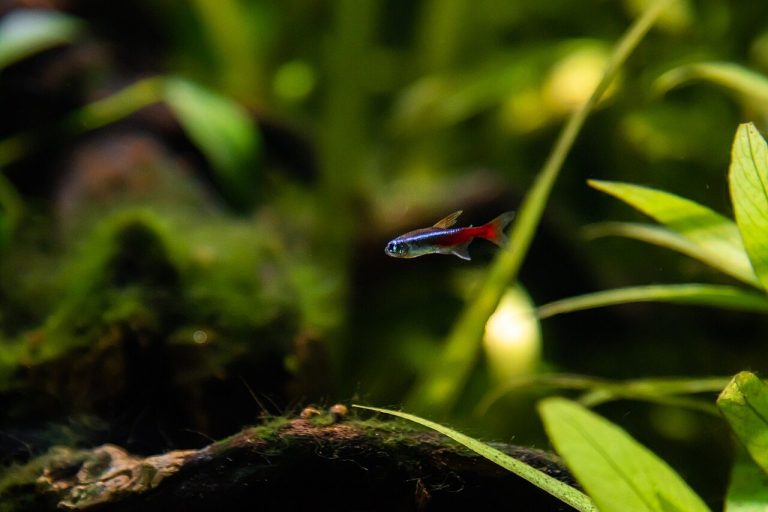
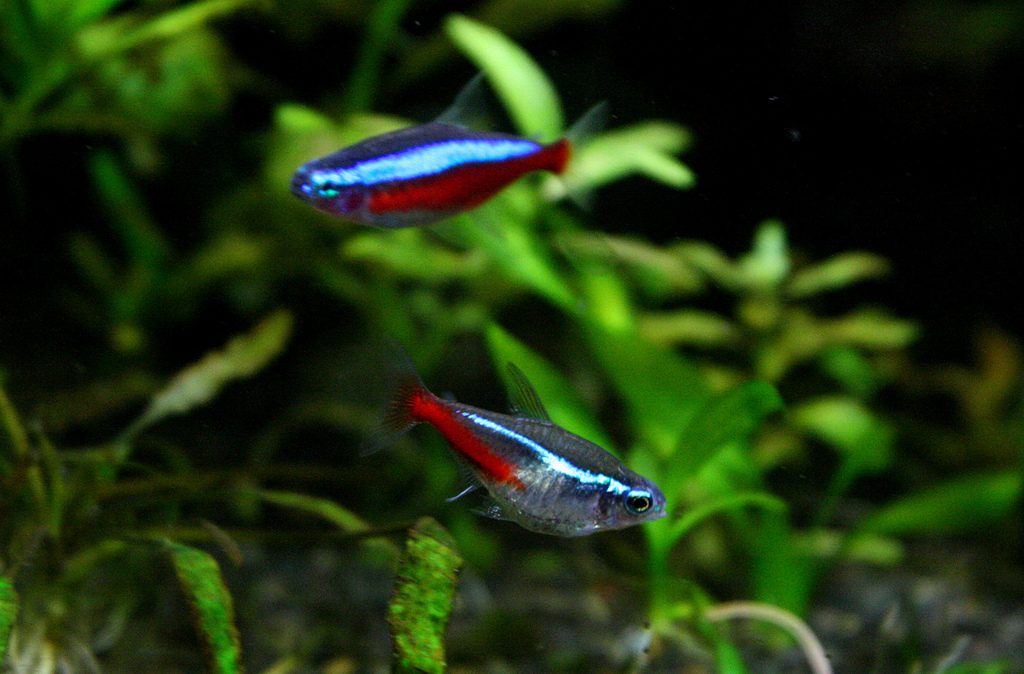
Proper nutrition is the cornerstone of a flourishing aquarium. When I first started keeping Paracheirodon innesi, commonly known as the neon tetra, I was captivated by their glowing blue and red stripes.
I quickly learned that their brilliance is directly tied to their diet. Understanding what does neon tetra eat is essential for any hobbyist who wants to see these fish live a full, five-year lifespan.
In this guide, I will share my decade of experience in feeding these South American gems. We will cover everything from their natural foraging habits to the best modern prepared foods.
At a glance: Neon tetra (Paracheirodon innesi)
- Temperature
- 72–78°F (22–26°C)
- Water pH
- 6.0–7.0
- Adult size
- 1.5 in (4 cm)
- Minimum tank
- 10 gal (20 gal for a proper school)
- Group size
- Groups of 8+
- Temperament
- Peaceful
- Diet
- Omnivore: micro pellets, flakes, frozen daphnia
- Lifespan
- 5–8 years
Keeper’s tip: Add neons only to a fully cycled, stable tank; they are among the first fish to suffer from ammonia swings.
The Natural Diet of Paracheirodon innesi
In the wild, neon tetras inhabit the blackwater and clearwater streams of the Orinoco and Amazon river basins. These environments are rich in organic matter but often low in mineral content.
Their natural diet is incredibly varied, consisting mostly of Benthic invertebrates and tiny insects that fall onto the water’s surface. They are opportunistic feeders that spend their day picking through Aufwuchs (a mix of algae and small organisms) on submerged wood.
Micro-Prey in the Amazon
Wild tetras consume a large amount of Chironomidae larvae, which many of us know as bloodworms. They also hunt for small crustaceans like Cyclopoida and other copepods found in the leaf litter.
This high-protein diet is supplemented by plant matter and algae. This balance ensures they receive all the necessary vitamins for their complex immune systems.
Pro Tip: In my experience, mimicking the “slow sink” of natural prey is the best way to trigger a feeding response. Neon tetras are mid-water feeders and rarely like to eat off the substrate.
what does neon tetra eat in a Home Aquarium?
In a home setting, providing a balanced diet is much easier than it is in the wild. Most what does neon tetra eat questions can be answered by looking at high-quality commercial prepared foods.
However, not all fish food is created equal. Because neon tetras have very small mouths, the physical size of the food is just as important as the nutritional content.
High-Quality Flakes and Micro-Pellets
A premium tropical flake food should serve as the “bread and butter” of their diet. Look for brands that list whole fish or shrimp as the first ingredient rather than “fish meal” or wheat fillers.
Micro-pellets are also an excellent choice because they sink slowly through the water column. This gives the school plenty of time to grab the morsels before they hit the bottom.
| Food Type | Nutritional Benefit | Frequency |
|---|---|---|
| Tropical Flakes | Balanced vitamins and minerals | Daily (Base diet) |
| Micro-Pellets | High protein, slow sinking | Daily (Base diet) |
| Frozen Bloodworms | Iron and essential fats | 2-3 times per week |
| Live Brine Shrimp | Stimulates hunting instinct | Once per week |
The Importance of Live and Frozen Foods
To see your tetras do well, you must supplement their dry food. When I’m asked what does neon tetra eat to get those deep reds, I always point toward frozen and live options.
These foods are packed with enzymes and proteins that are often lost during the high-heat processing of dry flakes. They also help condition the fish if you are interested in how to breed tetra fish.
Daphnia and Brine Shrimp
Daphnia pulex, often called “water fleas,” are perhaps the best supplemental food for neon tetras. They act as a natural laxative and are excellent for clearing out the digestive tract.
Artemia nauplii (baby brine shrimp) are another fantastic choice. Their small size is perfect for the tiny mouths of this colorful species.
Moina and Tubifex
Moina are similar to daphnia but even smaller, making them ideal for juvenile tetras. If you can find Tubifex tubifex, they are highly nutritious but should be fed sparingly.
I’ve noticed that feeding live foods once or twice a week significantly reduces stress in the school. It allows them to express natural behaviors that they cannot show when just eating floating flakes.
Pro Tip: Always rinse frozen foods in a fine-mesh strainer with dechlorinated water before adding them to the tank. This prevents excess phosphates and nitrates from polluting your water.
Boosting Coloration Through Nutrition
The red stripe on a neon tetra is fueled by Carotenoids. These are pigments found in many natural food sources that the fish cannot produce on their own.
If your fish look pale, it is often a sign of nutritional deficiency rather than disease. Adding foods rich in these pigments will make those colors pop against the green of your plants.
Spirulina and Krill
Foods containing Spirulina algae or krill meal are excellent for color enhancement. Krill, in particular, contains astaxanthin, which is a powerful antioxidant and color booster.
I recommend looking for “color-improving” flakes that use natural sources for these pigments. Avoid products that use artificial dyes, as these do not provide any health benefits.
Providing a varied diet also ensures they stay healthy enough to be kept in a peaceful community environment. Healthy fish are less likely to succumb to stress-related illnesses.
Feeding Schedule and Proper Techniques
Knowing what does neon tetra eat is only half the battle; you also need to know how much and how often to feed. In my experience, most beginners overfeed their tetras.
Because these fish are so small, their stomachs are roughly the size of their eye. Feeding too much at once leads to wasted food rotting on the substrate, which spikes ammonia levels.
How Often to Feed
I prefer feeding my neon tetras twice a day. Provide only what they can consume within two minutes.
If you see food hitting the bottom of the tank and staying there, you are feeding too much. A hungry tetra is a healthy tetra, and it is better to slightly underfeed than to overfeed.
Feeding During Vacations
One common mistake I see is using “weekend feeder” blocks. These blocks often dissolve and ruin water quality while providing poor nutrition.
Neon tetras can easily go 3-5 days without food in a well-established tank. They will simply forage for microorganisms and algae until you return.
Common Mistakes and Problems
Even with the best intentions, things can go wrong. One major issue is feeding food that is too large.
If a tetra tries to swallow a large pellet, it can actually choke or damage its jaw. Always crush large flakes between your fingers before dropping them into the water.
Selective Eating Habits
Sometimes, a school of tetras will become “spoiled” and only want to eat frozen bloodworms. While these are nutritious, they don’t provide a complete vitamin profile.
If this happens, I suggest skipping a day of feeding and then reintroducing high-quality flakes. Their hunger will usually overcome their pickiness quite quickly.
Feeding at Night
Neon tetras are diurnal, meaning they are active during the day and sleep at night. Feeding them after the lights are off is a waste of food.
The food will simply sit on the bottom and rot. Always feed your fish at least 30 minutes after the lights come on and at least an hour before they go off.
Still wondering?
Can neon tetras eat goldfish food?
While they can physically eat it if crushed, goldfish food is formulated for cold-water fish and is too high in carbohydrates. It lacks the protein levels neon tetras need for long-term health.
How long can neon tetras go without food?
Healthy adult neon tetras can survive for up to a week without food. However, I wouldn’t recommend testing this regularly, as it can weaken their immune systems.
Do neon tetras eat aquarium plants?
Generally, no. Unlike some other species, neon tetras are not known for destroying plants. They may occasionally pick at soft algae growing on leaves, which is actually beneficial.
Why are my neon tetras not eating?
This is usually a sign of stress, poor water quality, or high nitrate levels. Check your water parameters immediately and help the temperature is between 72°F and 78°F.
What do neon tetra fry eat?
Fry have extremely small mouths and require specialized food like infusoria, vinegar eels, or liquid fry food for the first few weeks of their lives.
Final Thoughts on Feeding Neon Tetras
Mastering the question of what does neon tetra eat is a satisfying part of the hobby. When you provide a rotation of high-quality flakes, frozen daphnia, and occasional live treats, your fish will reward you with striking colors.
Variety is the key to preventing nutritional deficiencies. If you watch your fish during feeding time, you can ensure everyone is getting their fair share and staying healthy.
Keep your water clean, your food fresh, and your tetras will be the shining stars of your aquarium for years to come.

- 2003First tank
- 20+Years keeping
- 40+Tanks kept
- 0Sponsored picks
Howard set up his first 10-gallon planted tank in 2003 and lost half of it within six weeks. Two decades and more than forty aquariums later, he writes the guides he wished he had then: clear numbers, the reasons behind them, and what actually goes wrong in home tanks.