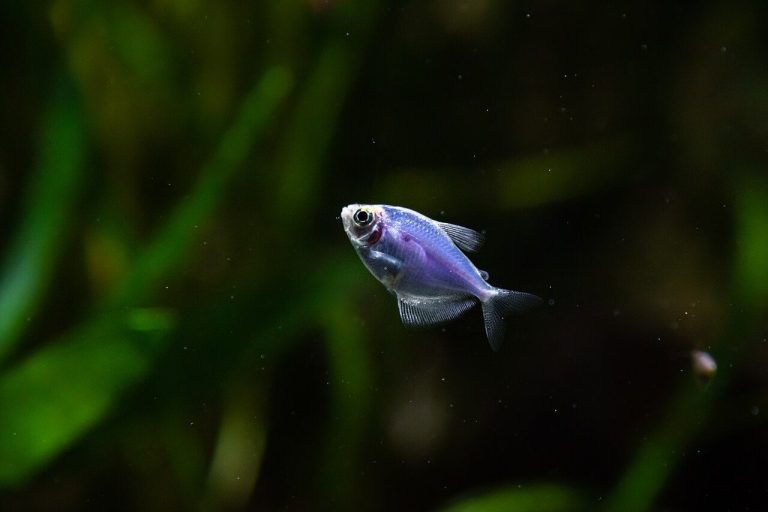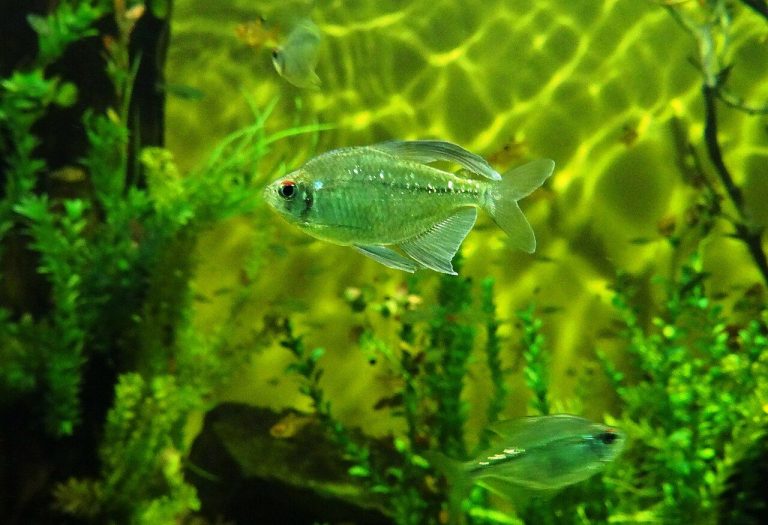
Can Neon Tetras Live With Bettas – The Complete Expert Compatibility
Yes, neon tetras can live with bettas, but success requires a tank of at least 20 gallons and plenty of plants. While compatible in water needs, their different temperaments must be carefully managed to avoid stress.
One of the most common questions I get from new hobbyists is whether they can mix the iconic Betta splendens with a shimmering school of Paracheirodon innesi. It is a tempting combination because the bold colors of the neon tetra perfectly complement the flowing fins of a male betta.
In my decade of keeping fish, I have found that this pairing is entirely possible, but it is not a “set it and forget it” situation. You are essentially trying to balance a solitary, territorial predator with a fast-moving, active schooling fish.
When done correctly, these two species can create a eye-catching and peaceful display. However, if you ignore the specific requirements of either fish, you might find yourself dealing with stressed inhabitants or even physical injuries.
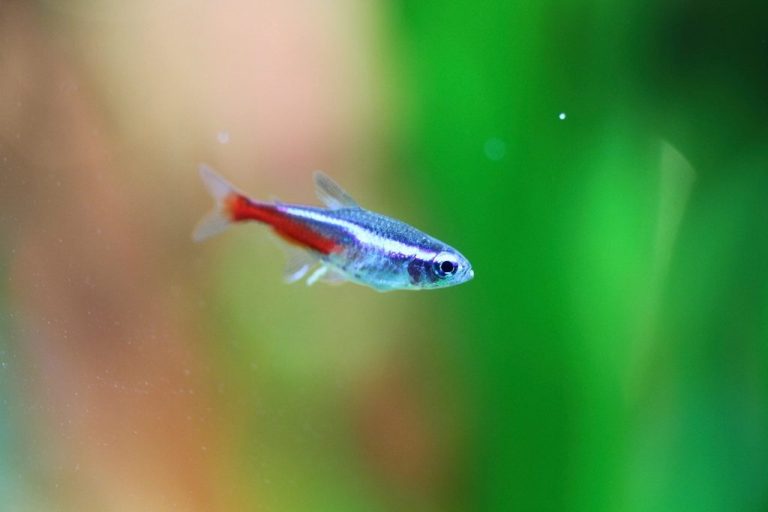
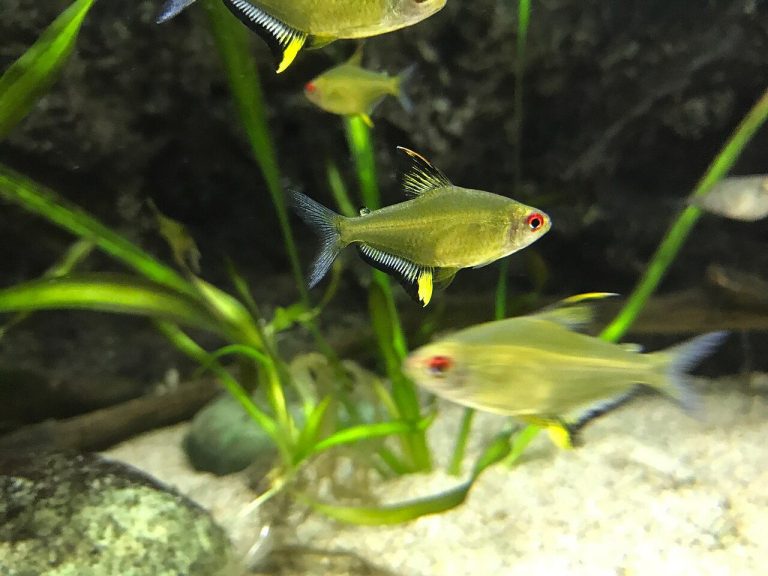
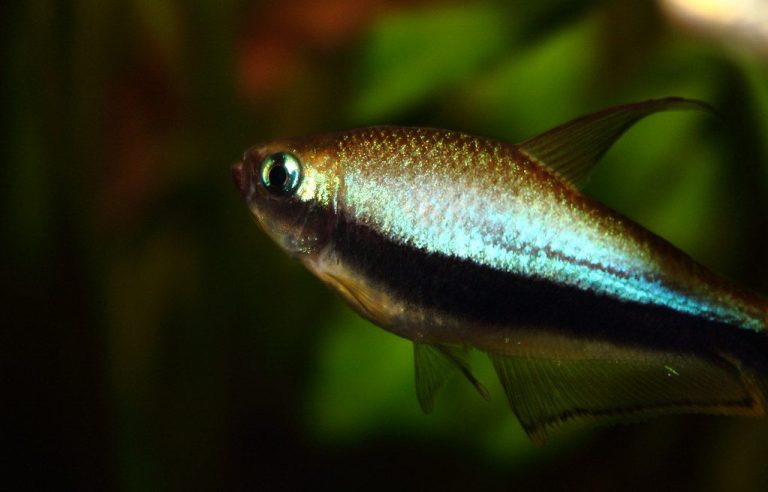
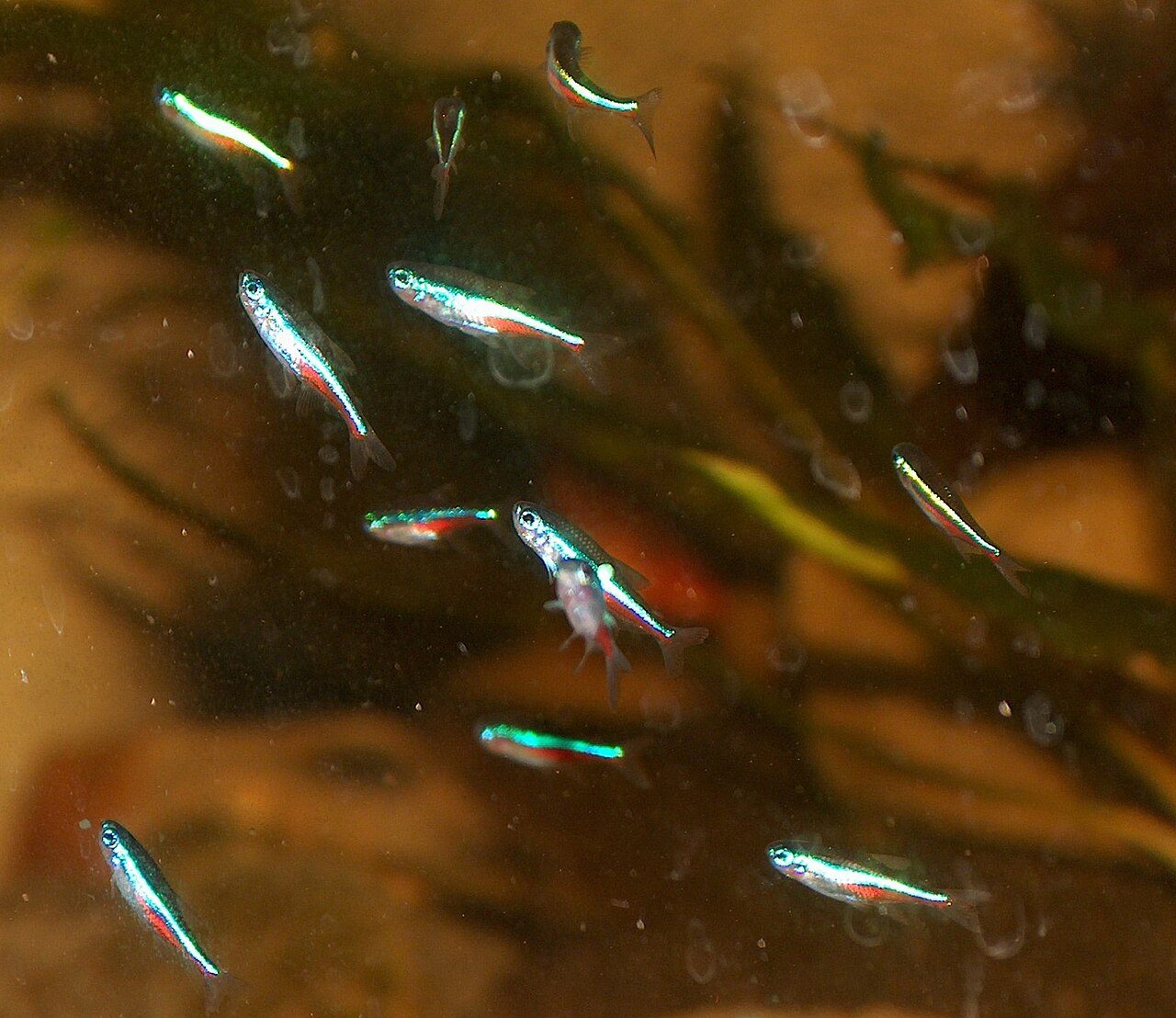
At a glance: Neon tetra (Paracheirodon innesi)
- Temperature
- 72–78°F (22–26°C)
- Water pH
- 6.0–7.0
- Adult size
- 1.5 in (4 cm)
- Minimum tank
- 10 gal (20 gal for a proper school)
- Group size
- Groups of 8+
- Temperament
- Peaceful
- Diet
- Omnivore: micro pellets, flakes, frozen daphnia
- Lifespan
- 5–8 years
Keeper’s tip: Add neons only to a fully cycled, stable tank; they are among the first fish to suffer from ammonia swings.
Can Neon Tetras Live With Bettas? Understanding the Species
The short answer is yes, can neon tetras live with bettas comfortably if the environment is designed to accommodate both. To understand why this works, we have to look at where these fish come from and how they behave in the wild.
Neon tetras are peaceful schooling fish that naturally inhabit the blackwater streams of South America. They are used to living in large groups, which provides them with a sense of security against larger predators.
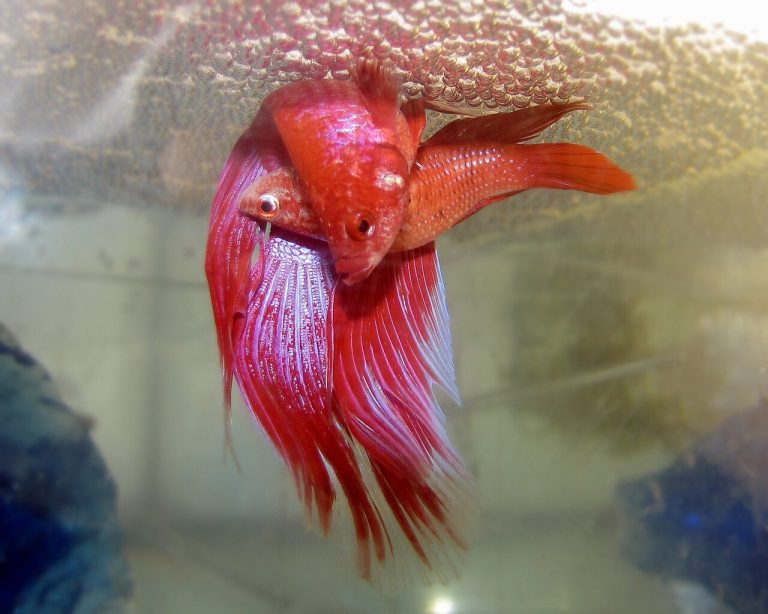
Bettas, on the other hand, come from the rice paddies and slow-moving waters of Southeast Asia. They are famous for their labyrinth organ, which allows them to breathe atmospheric air from the surface.
Pro Tip: Always introduce the neon tetras to the aquarium first. Let them establish their school for a week or two before adding the betta, as this prevents the betta from seeing the entire tank as his pre-established territory.
The Dynamics of a Community Tank
In a community setting, neon tetras often act as dither fish. Their constant, calm movement signals to the betta that there are no immediate threats in the area, which can actually help a shy betta feel more confident.
However, you must make sure your tetras have enough space to stay out of the betta’s personal bubble. If the tank is too small, the betta may feel crowded and lash out at the “intruders” in his space.
I have noticed that the success of this pairing often comes down to the individual personality of your betta. Some are “grumpy” and won’t tolerate any roommates, while others are quite laid-back and barely notice the tetras.
Fortunately, both species share very similar requirements when it comes to their environment. They both flourish in soft, slightly acidic water that mimics the tropical environments of their origins.
Maintaining a stable nitrogen cycle is important for both species, but neon tetras are particularly sensitive to fluctuations. They are often more fragile than bettas when it comes to ammonia or nitrite spikes.
To keep both species healthy, you should aim for the following water conditions:
| Parameter | Ideal Range | Importance |
|---|---|---|
| Temperature | 75°F to 80°F (24°C – 27°C) | Essential for metabolic health and immune function. |
| pH Level | 6.0 to 7.0 | Both species prefer slightly acidic conditions. |
| Water Hardness (dGH) | 2 to 10 dGH | Soft water helps mimic their natural blackwater habitats. |
| Ammonia / Nitrite | 0 ppm | Strictly necessary to prevent disease and stress. |
Achieving the ideal water chemistry is the first step toward a peaceful cohabitation. If the water is too cold, the betta’s immune system will suffer; if it is too hard, the tetras may struggle to stay healthy.
Using driftwood or dried Indian almond leaves can help release tannins into the water. This slightly tints the water brown and provides natural antibacterial properties that benefit both species.
Choosing the Right Tank Size and Setup
The biggest mistake I see beginners make is trying to keep a betta and neon tetras in a 5-gallon or 10-gallon tank. While a single betta can live in a 5-gallon, adding a school of tetras creates a massive bio-load and increases aggression.
For a successful community, I always recommend at least a 20-gallon “long” tank. The extra horizontal swimming space is vital for the tetras and gives the betta room to find a quiet corner for himself.
When you are choosing the right aquarium, think about the layout as much as the volume. A heavily planted tank is your best friend when mixing these species.
Why Plants and Decor Matter
Plants like Java Fern, Anubias, and Amazon Swords provide “sight breaks.” If the betta cannot see the tetras across the entire tank, he is much less likely to spend his day chasing them.
Floating plants are also a fantastic addition. Bettas love to rest near the surface, and the roots provide a sense of security for the tetras swimming below.
Make sure there are plenty of caves or driftwood pieces. These serve as territories for the betta and hiding spots for the tetras if they ever feel overwhelmed by the betta’s presence.
Behavioral Challenges: Fin Nipping and Aggression
One of the primary concerns when asking can neon tetras live with bettas is the risk of fin nipping. While we often worry about the betta attacking the tetras, the reverse can also happen.
Neon tetras are generally peaceful, but if they are kept in a school that is too small (fewer than 6-8 fish), they can become nippy. Those long, flowing fins of a male betta are an easy target for a bored or stressed tetra.
Conversely, a betta might see the bright, flashing colors of a neon tetra as a challenge. If your betta is particularly aggressive, he may spend his time hunting the tetras, which leads to exhaustion and death for the smaller fish.
Pro Tip: Keep a close eye on the betta’s fins for any small U-shaped chunks. This is a sign of fin nipping. If this occurs, you may need to increase the size of the neon school or move the betta to a separate tank.
Monitoring Interactions
During the first few days of housing them together, spend time observing their interactions. A little bit of curiosity from the betta is normal, but prolonged chasing is a red flag.
If you see the tetras huddled in a corner or hiding constantly, they are likely stressed. A healthy school should be active and moving throughout the middle and lower levels of the tank.
I have found that female bettas often make better tank mates for neon tetras. They generally have shorter fins and are often (though not always) less aggressive than their male counterparts.
Feeding Strategies for Neons and Bettas
Feeding a community tank requires a bit of strategy to ensure everyone gets their fair share. Bettas are carnivores that require high-protein meals, while tetras are omnivores that enjoy a mix of plant and animal matter.
You must be careful about their dietary requirements because tetras will often try to eat the betta’s food. This can lead to bloating in the tetras or the betta going hungry.
I like to use a two-step feeding process. I’ll drop some micro-pellets or crushed flakes on one side of the tank for the tetras, and while they are busy, I’ll hand-feed the betta his high-quality pellets on the other side.
Recommended Foods for a Mixed Tank
- For the Betta: High-protein betta pellets, frozen bloodworms, and brine shrimp.
- For the Neons: High-quality tropical flakes, micro-pellets, and daphnia.
- Occasional Treats: Both species will go crazy for live or frozen foods, which can be a great way to boost their health.
Avoid overfeeding, as uneaten food will quickly rot and ruin your water quality. A clean tank is essential for preventing common diseases like Columnaris, which can spread rapidly in a crowded or dirty environment.
The neon tetras have much smaller mouths than the betta. Make sure the food you provide for them is small enough for them to swallow without struggling.
Health Risks and Disease Prevention
When you mix species from different parts of the world, you have to be vigilant about health. Stress is the number one cause of illness in a community tank, and a betta chasing tetras is a recipe for a stressed environment.
Columnaris is a bacterial infection that I see quite often in stressed neon tetras. It often appears as white, saddle-like patches on their backs and can be fatal if not treated immediately with the correct medication.
Bettas are also prone to fin rot if their water is not pristine or if they are being nipped. The presence of tetras increases the bio-load, so your filtration system must be up to the task.
The Importance of Quarantine
I cannot stress this enough: always quarantine new fish for at least two weeks before adding them to your main tank. This allows you to spot any signs of parasites or infection before they spread to your established residents.
In my experience, neon tetras are often “carriers” of certain ailments because they are mass-bred. Taking the time to make sure they are healthy before they meet your betta will save you a lot of heartbreak later on.
Check your water parameters weekly with a reliable liquid test kit. If you see ammonia or nitrite rising above zero, perform a water change immediately to protect your fish.
Still wondering?
What is the minimum tank size for bettas and neon tetras? I strongly recommend at least a 20-gallon tank. This provides enough space for a school of 10-12 neon tetras and one betta to coexist without constant territorial disputes.
Will a betta eat neon tetras? While it is rare for an adult betta to eat a healthy adult neon tetra, it can happen if the betta is very large and the tetra is very small. Usually, the tetras are too fast for a long-finned betta to catch.
How many neon tetras should I keep with a betta? You should keep at least 6 to 10 neon tetras. In smaller groups, tetras can become stressed or aggressive toward the betta. A larger school makes them feel safe and keeps them focused on each other rather than the betta.
Can I keep multiple bettas with neon tetras? No, you should never keep more than one male betta in the same tank, regardless of the other tank mates. A sorority of female bettas is possible but requires a much larger tank and advanced experience.
What should I do if my betta is attacking the tetras? If the aggression is constant, you must separate them. Sometimes adding more plants or rearranging the decor can help, but safety should always come first. Have a backup plan or a spare tank ready just in case.
Wrapping up
The question of can neon tetras live with bettas is one that brings a lot of beauty to the hobby when answered with care. If you provide a spacious, well-planted environment and maintaining perfect water parameters, you can enjoy the best of both worlds.
Every fish is an individual. While the general rules of compatibility suggest they can live together, your specific betta might have a different idea. Patience and observation are your two most important tools as an aquarist.
If you provide them with a high-quality diet, clean water, and plenty of places to hide, your community tank will be a flourishing, vivid centerpiece for years to come. Success is always within reach when you put the needs of your fish first.

- 2003First tank
- 20+Years keeping
- 40+Tanks kept
- 0Sponsored picks
Howard set up his first 10-gallon planted tank in 2003 and lost half of it within six weeks. Two decades and more than forty aquariums later, he writes the guides he wished he had then: clear numbers, the reasons behind them, and what actually goes wrong in home tanks.