Can Neon Tetras Eat Betta Food – A Complete Guide To Safe Feeding
Yes, neon tetras can eat betta food as an occasional substitute, but it should not be their permanent diet. While both species are insectivores, betta pellets are often too large and high in protein for neon tetras to digest long-term.
In my decade of maintaining various freshwater setups, I have often found myself reaching for a different container when one runs out. You might find yourself in a pinch and wonder, can neon tetras eat betta food without any negative consequences?
The short answer is that they certainly can and will, but there are several biological factors to consider. From the physical size of the food to the specific crude protein content, understanding these details ensures your fish remain healthy and vivid.
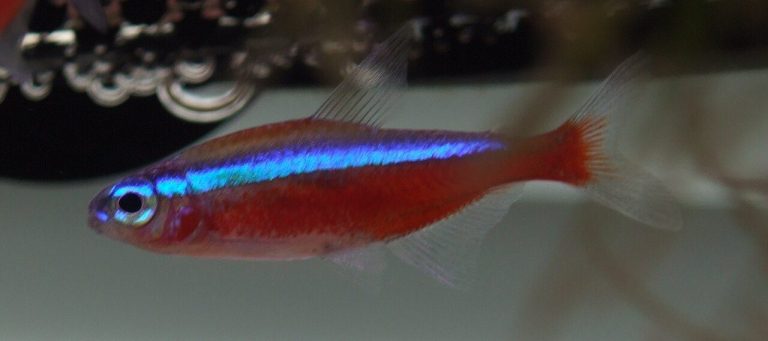
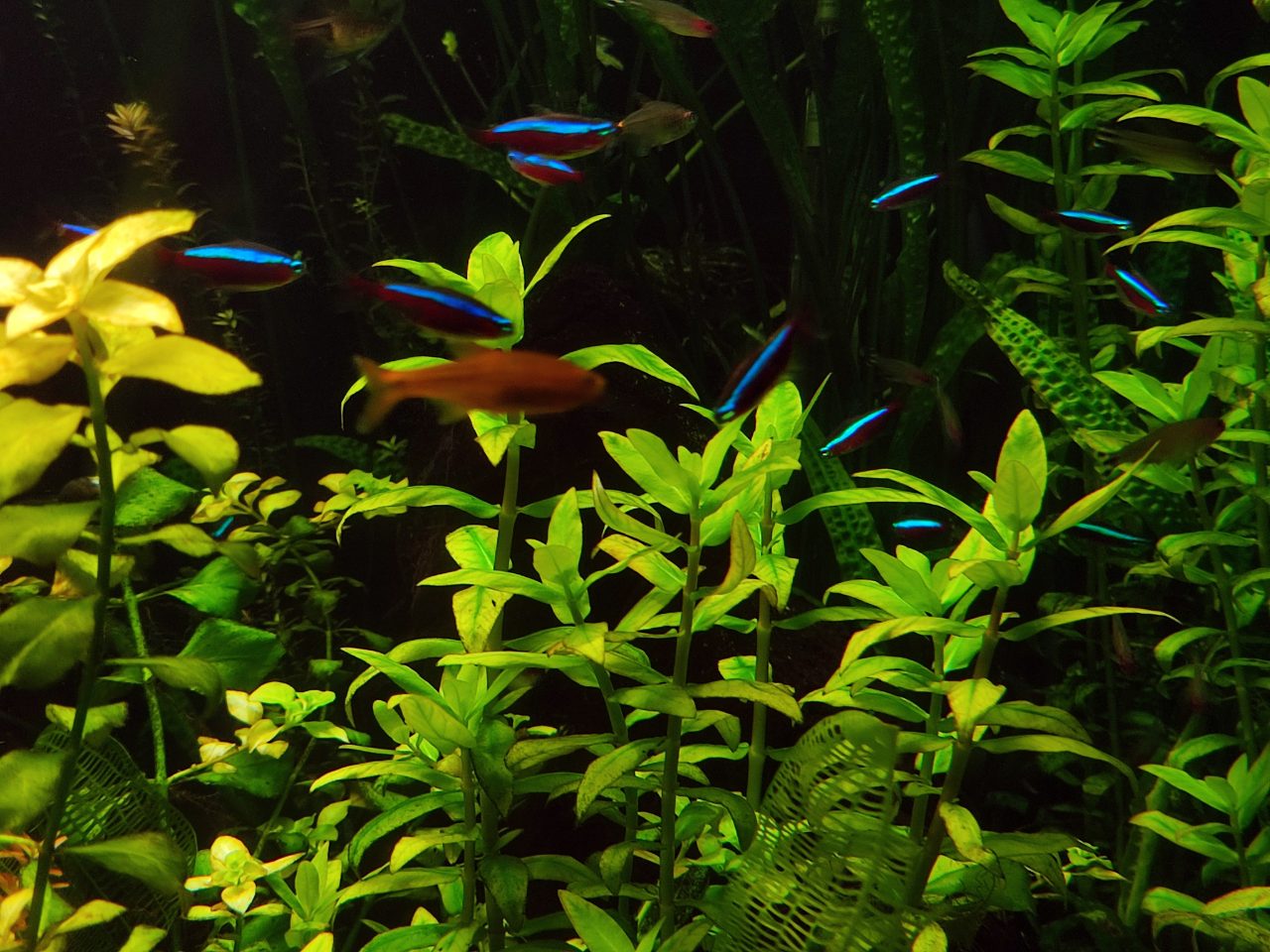
In this guide, I will share my personal observations on feeding Paracheirodon innesi and how to manage their diet when standard tetra flakes aren’t available. We will look closely at the nutritional requirements that keep these schooling fish flourishing in a colorful neon tetra environment.
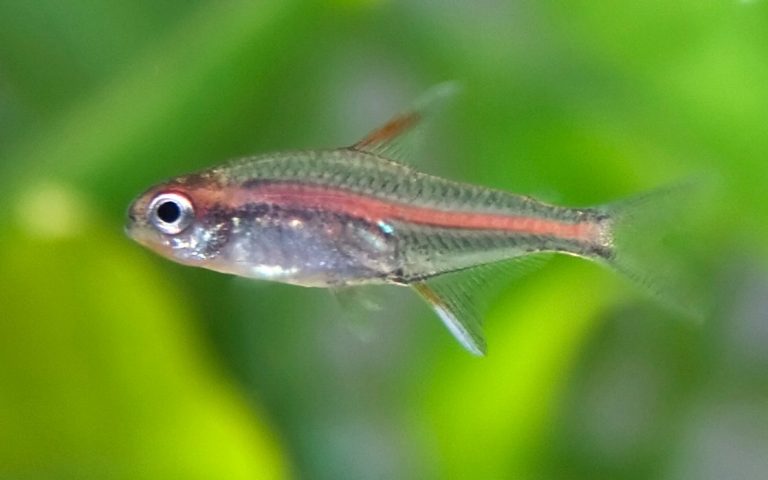
At a glance: Neon tetra (Paracheirodon innesi)
- Temperature
- 72–78°F (22–26°C)
- Water pH
- 6.0–7.0
- Adult size
- 1.5 in (4 cm)
- Minimum tank
- 10 gal (20 gal for a proper school)
- Group size
- Groups of 8+
- Temperament
- Peaceful
- Diet
- Omnivore: micro pellets, flakes, frozen daphnia
- Lifespan
- 5–8 years
Keeper’s tip: Add neons only to a fully cycled, stable tank; they are among the first fish to suffer from ammonia swings.
Can Neon Tetras Eat Betta Food? Understanding the Nutritional Fit
When we look at Betta splendens and neon tetras, they actually share a very similar insectivorous dietary profile. In the wild, both of these species spend their time hunting for small insects, larvae, and tiny crustaceans.
However, the concentration of nutrients in commercially prepared foods is tailored to the specific metabolism of each fish. Betta food is specifically formulated to support the high energy needs and long, flowing fins of a territorial predator.
Neon tetras, being small schooling fish, have a slightly different metabolic rate and gastrointestinal transit time. While they can process the nutrients in betta food, the “richness” of the meal might be more than their tiny systems are used to handling daily.
Pro Tip: If you must use betta food, try crushing the pellets between two spoons. This creates a powder or small crumble that fits the neon tetra’s mouth much better and prevents them from choking on hard pieces.
Nutritional Comparison: Tetra Food vs. Betta Food
To understand if can neon tetras eat betta food safely, we need to look at the numbers. High-quality fish food is all about the balance of proteins, lipids, and vitamins.
Below is a comparison of typical nutritional values found in standard tetra flakes versus premium betta pellets.
| Nutrient Component | Standard Tetra Flakes | Premium Betta Pellets |
|---|---|---|
| Crude Protein Content | 40% – 45% | 45% – 55% |
| Lipid Concentration | 5% – 8% | 8% – 12% |
| Fiber Content | 2% – 3% | 1% – 2% |
| Astaxanthin Levels | Moderate | High (for color) |
As you can see, betta food is significantly denser in protein and fats. While this might seem “better,” a neon tetra’s liver can become stressed if forced to process excessive lipid concentration over a long period.
Physical Constraints: Mouth Size and Feeding Habits
One of the biggest hurdles when asking can neon tetras eat betta food is the physical size of the morsels. Betta food often comes in the form of sinking micro-granules or floating pellets designed for a much larger mouth.
Neon tetras possess a terminal mouth morphology, meaning their mouth is located at the very end of their snout, pointing forward. This is perfect for snatching mid-water particles or picking at the surface.
However, a standard betta pellet is often half the size of a neon tetra’s head. I have watched my own tetras struggle to swallow a whole pellet, eventually spitting it out after it becomes soggy, which leads to aquarium waste.
In a community aquarium, this size mismatch can cause the tetras to miss out on meals entirely while larger fish dominate the food. You must ensure the particle size matches their tiny anatomy.
The Importance of Amino Acid Bioavailability
Not all proteins are created equal in aquatic nutrition. The amino acid bioavailability in betta food is usually tuned for the muscle development of a solitary, aggressive fish.
Neon tetras require a more diverse range of vitamins to support their schooling behavior and rapid swimming. If they only eat betta food, they may miss out on specific plant-based matter that is often included in tetra-specific flakes.
While tetras are primarily meat-eaters, they do benefit from the small amounts of algae and vegetable matter found in high-quality tetra diets. This fiber is essential for maintaining a healthy gastrointestinal transit time and preventing bloat.
Common Mistake: Many keepers assume that because a fish eats the food, it is healthy for them. Always watch for “stringy” white poop after feeding betta food, as this is a sign of digestive distress in neon tetras.
Potential Health Risks of a Long-Term Betta Diet
If you decide to ignore the warnings and use betta food as a primary source, you might notice changes in your fish. The high crude protein content can lead to faster growth, but it often comes at the cost of internal organ health.
Fatty liver disease is a real concern for small characins fed on diets meant for larger, more active predators. Furthermore, the astaxanthin levels in betta food are designed to bring out reds and blues.
While this might make your neon tetras look incredibly bright, excessive amounts of these pigments without proper vitamin balance can sometimes lead to skin issues. It is always better to provide a diet specifically balanced for their species.
When planning your compatibility guide for feeding, keep in mind that variety is the spice of life. Supplementing with frozen daphnia or brine shrimp is far superior to relying on betta pellets.
How to Safely Feed Betta Food to Your Tetras
If you are in a situation where you have no other choice, there is a right way to do it. You shouldn’t just toss the pellets into the tank and hope for the best.
First, consider the buoyancy of the food. Many betta foods are designed to float, while neon tetras prefer to feed in the middle of the water column.
I’ve noticed that soaking the food in a small cup of tank water for 5 minutes before feeding helps. This softens the sinking micro-granules and makes them easier for the tetras to break apart with their tiny teeth.
Steps for Safe Emergency Feeding:
- Take 2-3 betta pellets per 5 tetras.
- Crush them into a fine powder using a spoon or a mortar and pestle.
- Mix the powder with a few drops of aquarium water.
- Use a pipette or dropper to release the mixture directly into the school.
The Impact of Water Quality and Overfeeding
Another reason why can neon tetras eat betta food is a complex question involves water chemistry. Betta food is very “rich,” and uneaten portions break down into ammonia much faster than lighter flakes.
Because neon tetras are sensitive to nitrogenous waste, overfeeding with high-protein betta food can cause an ammonia spike. This is especially dangerous in smaller tanks where the water volume is limited.
I always recommend performing a 10% water change the day after feeding “heavy” foods like betta pellets or freeze-dried worms. This makes sure that any excess nutrients are exported before they can harm your Paracheirodon innesi.
A few common questions
Can neon tetras eat betta pellets every day?
No, it is not recommended to feed them betta pellets daily. The high protein and fat content can lead to obesity and digestive issues over time.
Will betta food make my neon tetras more colorful?
It might, due to the high astaxanthin levels, but this isn’t the healthiest way to achieve color. High-quality tetra flakes and live foods are safer for long-term color enhancement.
What happens if a neon tetra swallows a whole betta pellet?
It may cause a blockage or choking. If the pellet is too large, the fish will usually spit it out, but if they manage to swallow it, they may experience painful bloating as the pellet expands in their stomach.
Is freeze-dried betta food better for tetras?
Freeze-dried bloodworms or daphnia (often sold for bettas) are excellent treats for neon tetras. Just be sure to soak them first so they don’t expand inside the fish.
Can neon tetras eat betta flakes instead of pellets?
Yes, betta flakes are much safer than pellets because they are easier to break apart. However, the nutritional imbalance still exists, so keep it as a temporary solution.
Conclusion: The Final Verdict on Feeding
To wrap things up, the answer to can neon tetras eat betta food is a cautious “yes,” but with significant caveats. While it won’t poison them immediately, it is far from an ideal diet for these delicate South American gems.
In my experience, the best way to keep neon tetras healthy is to provide a dedicated micro-granule or high-quality flake. These products are designed with the correct amino acid bioavailability and particle size for their unique terminal mouth morphology.
If you find yourself out of food, feel free to use a crushed betta pellet to get through the night. Just make sure to head to the fish store the next day to pick up a container of food that meets their biological needs.
Your fish will thank you with brighter colors, more active schooling behavior, and a much longer lifespan in your home aquarium. Keeping the balance right is the hallmark of a successful and responsible aquarist.

- 2003First tank
- 20+Years keeping
- 40+Tanks kept
- 0Sponsored picks
Howard set up his first 10-gallon planted tank in 2003 and lost half of it within six weeks. Two decades and more than forty aquariums later, he writes the guides he wished he had then: clear numbers, the reasons behind them, and what actually goes wrong in home tanks.