What To Feed Neon Tetras – What and How Often to Feed
To keep neon tetras healthy, feed them a balanced diet of high-quality micro-pellets, crushed flakes, and frozen or live foods like brine shrimp and daphnia. Variety is key to maintaining their iconic glowing colors and long-term vitality.
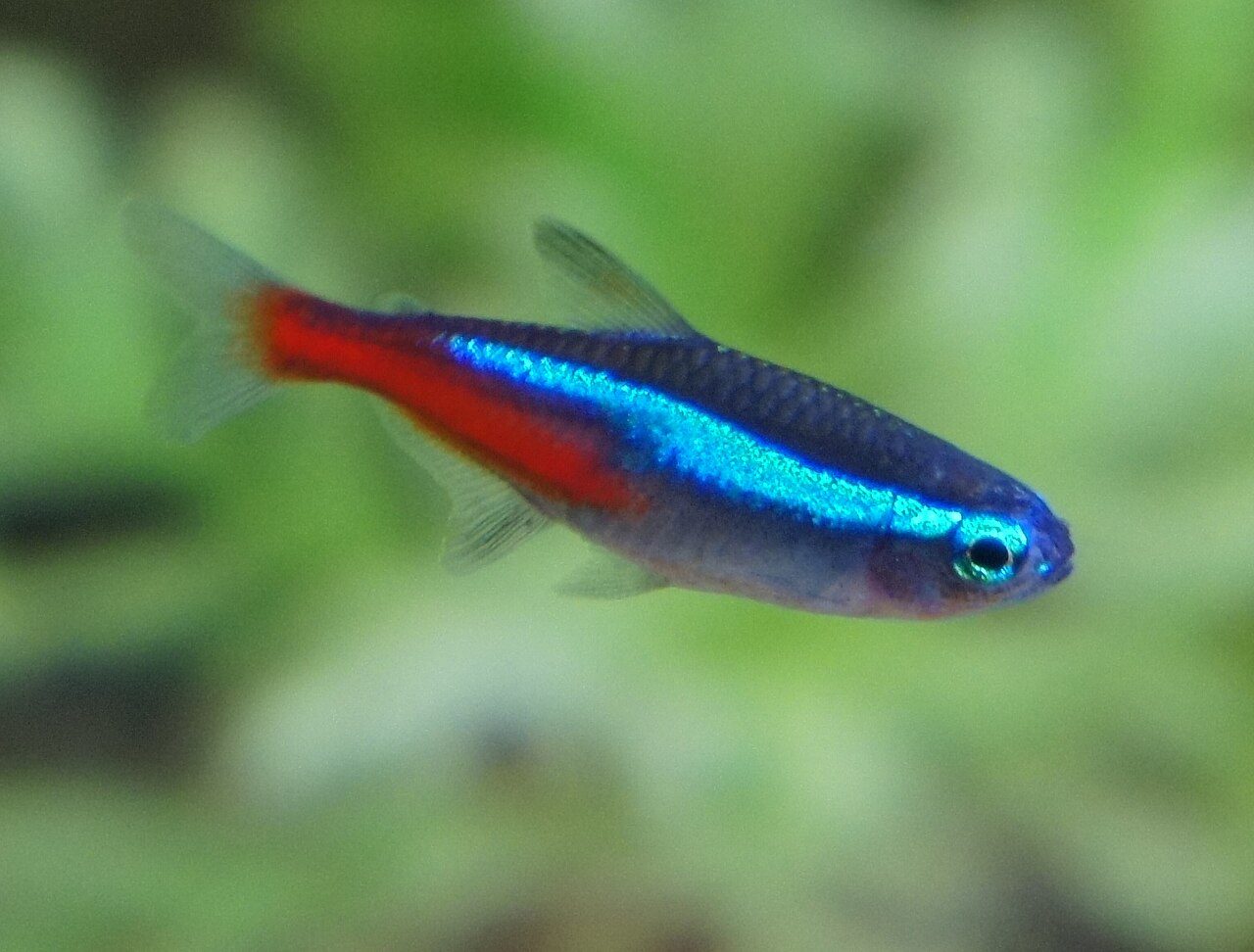
Keeping Paracheirodon innesi, more commonly known as the neon tetra, has been a passion of mine for over a decade. I still remember the first school I brought home; their iridescent blue and red stripes transformed my living room into a living piece of art.
One of the most critical aspects of their care is understanding exactly what to feed neon tetras to ensure they flourish rather than just survive. In my experience, a fish’s diet is the direct foundation of its immune system and color intensity.
In this guide, I will share everything I have learned about feeding these Amazonian beauties. From the best commercial foods to the secret of “gut-loading” live prey, we will cover it all to help you succeed.
At a glance: Neon tetra (Paracheirodon innesi)
- Temperature
- 72–78°F (22–26°C)
- Water pH
- 6.0–7.0
- Adult size
- 1.5 in (4 cm)
- Minimum tank
- 10 gal (20 gal for a proper school)
- Group size
- Groups of 8+
- Temperament
- Peaceful
- Diet
- Omnivore: micro pellets, flakes, frozen daphnia
- Lifespan
- 5–8 years
Keeper’s tip: Add neons only to a fully cycled, stable tank; they are among the first fish to suffer from ammonia swings.
The Natural Diet of Neon Tetras in the Wild
To understand what to feed neon tetras in an aquarium, we must first look at their origins in the blackwater streams of South America. These environments are rich in Tannic acid and decaying organic matter, creating a unique ecosystem for small fish.
In the wild, neon tetras are opportunistic omnivores that spend their days foraging for tiny morsels. They primarily consume Benthic invertebrates, small insects that fall onto the water’s surface, and various types of zooplankton.
They also graze on algae and microscopic organisms found on submerged wood and leaf litter. This varied diet provides them with a complex array of proteins, fats, and minerals that are hard to replicate with a single type of food.
Pro Tip: Replicating a natural environment with leaf litter can encourage the growth of “infusoria.” These tiny organisms provide a natural supplemental snack for your tetras between scheduled feedings.
Micro-Predators in Action
While they look delicate, neon tetras are efficient hunters of small aquatic life. They are particularly fond of Cyclops and other tiny crustaceans that inhabit the slow-moving waters of their home.
Because they have very small mouths, their food sources in nature are always “bite-sized.” When choosing what to feed neon tetras at home, you must keep this physical limitation at the forefront of your mind.
High-Quality Staple Foods: The Foundation of Health
For most hobbyists, a high-quality commercial food will make up the bulk of the diet. However, not all fish foods are created equal, and some can actually lead to nutritional deficiencies over time.
I always recommend starting with a specialized micro-pellet or a high-protein flake. The key is to make sure the food is small enough for them to swallow without struggling, as large pieces often go uneaten and rot on the substrate.
When I first started, I made the mistake of feeding standard-sized flakes that were too large. I noticed my fish would “spit out” the food, which is a clear sign that the morsels are too big or too hard for them to process.
| Food Type | Pros | Cons |
|---|---|---|
| Micro-Pellets | Nutrient-dense, slow-sinking, stays together. | Can be too hard if not soaked briefly. |
| Tropical Flakes | Easy to crush, widely available, floats well. | Nutrients leach out quickly once wet. |
| Freeze-Dried | Long shelf life, high protein content. | Can cause bloating if not hydrated. |
Selecting the Best Ingredients
When reading the label on a container of fish food, look for whole proteins like “whole fish meal” or “shrimp meal” as the first ingredient. Avoid foods that rely heavily on “wheat flour” or “soybean meal” as fillers.
Fillers are difficult for neon tetras to digest and result in more waste being produced in your neon tetra aquarium fish setup. High-quality ingredients keep more of the nutrients are absorbed into the fish’s body.
Live and Frozen Foods: Bringing Out the Best
If you want to see your tetras glow, you must incorporate live or frozen foods into their routine. This is the what really counts tetra community tank management and long-term health.
Frozen foods are a convenient way to provide high-quality protein without the risk of introducing parasites. I typically keep a “chocolate bar” style tray of various frozen treats in my freezer at all times.
Live foods, on the other hand, trigger the fish’s natural hunting instincts. Watching a school of tetras dart around after live prey is one of the most satisfying sights in the hobby.
Top Live and Frozen Options
Artemia salina (Brine Shrimp): These are perhaps the best all-around food for tetras. They are rich in proteins and fats, and newly hatched baby brine shrimp are the perfect size for neon tetras.
Daphnia pulex: Often called “water fleas,” daphnia are excellent for the digestive system. They act as a natural laxative and are great for preventing bloating in small characins.
Chironomidae (Bloodworms): These are highly attractive to fish due to their scent and bright red color. However, they are very rich, so they should only be fed once or twice a week as a special treat.
Common Mistake: Many beginners feed bloodworms every day because the fish love them so much. This can lead to obesity and nutrient imbalances; think of bloodworms as “fish candy” rather than a staple meal.
Improving Colors with Nutrition
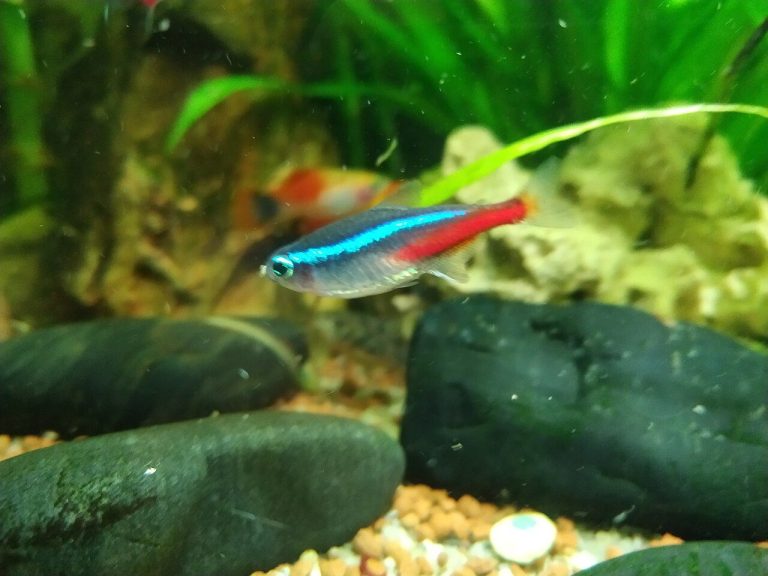
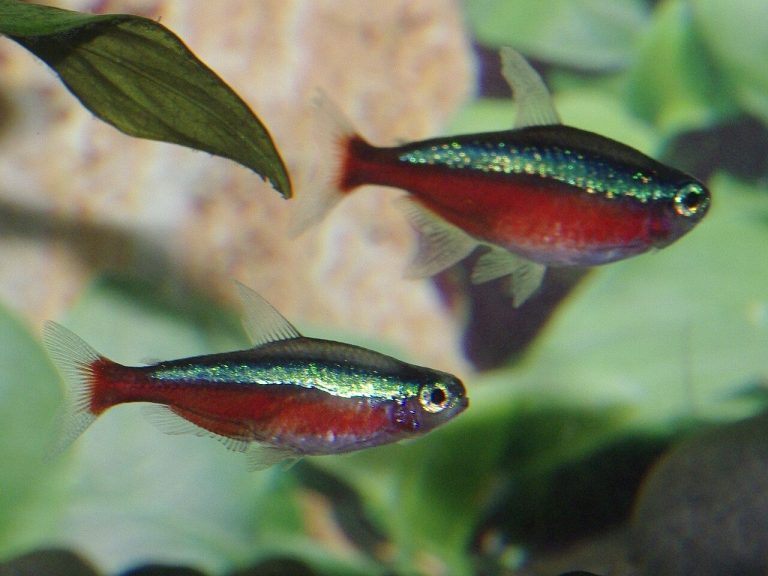
The bright blue and red stripes of a neon tetra are their most iconic feature. Interestingly, these colors are heavily influenced by the presence of Carotenoids in their diet.
In the wild, they get these pigments from the small crustaceans and algae they consume. In an aquarium, we can supplement this by choosing foods that contain Astaxanthin.
Astaxanthin is a natural pigment found in certain algae and krill. When tetras consume it, the pigment is deposited in their skin, making the red stripe appear deeper and the blue stripe more iridescent.
The Role of Vitamin C and E
Beyond just pigments, vitamins play a huge role in how a fish looks. Vitamin C is essential for collagen production and a strong immune system, which helps the fish resist diseases like Pleistophora hyphessobryconis (Neon Tetra Disease).
I have noticed that fish fed a vitamin-rich diet have much clearer eyes and more active swimming patterns. A healthy fish is a colorful fish, so never skip on the quality of your supplements.
How to Feed: Frequency and Techniques
Knowing what to feed neon tetras is only half the battle; knowing how and when to feed them is equally important. In a confined aquarium space, overfeeding is the number one cause of water quality issues.
Neon tetras have very small stomachs, roughly the size of one of their eyes. Feeding them a large amount once a day often results in wasted food that sinks to the bottom and rots.
Instead, I recommend feeding smaller amounts two to three times per day. This mimics their natural foraging behavior and helps make sure that most of the food is consumed before it hits the substrate.
| Feeding Factor | Recommendation |
|---|---|
| Frequency | 2-3 small feedings per day. |
| Duration | All food should be gone within 2 minutes. |
| Observation | Watch for aggressive eaters vs. shy fish. |
| Water Quality | Remove uneaten food immediately. |
The “Two-Minute Rule”
A good rule of thumb is to only provide what they can completely finish in two minutes. If there is food still floating or sitting on the bottom after this time, you have fed too much.
Over time, you will get a feel for the exact pinch of food your school requires. If you are keeping them in a larger tetra tank size, make sure to spread the food across the surface so everyone gets a chance to eat.
Feeding Neon Tetra Fry
If you are successful in breeding these fish, you will find that the fry are incredibly small. Adult food, even crushed flakes, will be too large for them during the first few weeks of life.
Neon tetra fry require “micro-foods.” In the beginning, they will feed on infusoria or commercially available “liquid fry food.”
As they grow, you can transition them to vinegar eels or freshly hatched Artemia salina nauplii. Providing high-protein food at this stage is vital for proper skeletal development and growth rates.
Transitioning to Adult Food
Once the fry reach about half an inch in length, you can begin introducing finely powdered flakes. I usually take my high-quality adult flakes and grind them into a dust using a mortar and pestle.
Gradual transitions prevent digestive upset and make sure the young fish continue to gain weight. Consistent feeding is even more important for fry than it is for adults, as they have very little fat reserves.
Common Feeding Problems and Solutions
Even with the best intentions, things can sometimes go wrong. Being able to identify feeding-related issues early can save your fish’s lives.
One common issue is “surface shyness.” Sometimes, neon tetras are hesitant to come to the surface if they feel threatened by bright lights or larger tank mates.
In these cases, I use a pipette to deliver food directly into the middle of the water column. This makes sure the tetras can eat in their “comfort zone” without having to expose themselves at the surface.
Identifying Nutritional Deficiencies
If your neon tetras appear pale, lethargic, or have “sunken” bellies, they may not be getting enough nutrients. This often happens when hobbyists rely on a single, low-quality food source for too long.
Another sign of trouble is “clamped fins” during feeding time. Healthy tetras should be excited and active when food hits the water; a lack of interest in food is usually the first sign of illness or poor water parameters.
Pro Tip: Always check the expiration date on your fish food. Many vitamins, especially Vitamin C, degrade rapidly once the container is opened and exposed to air and moisture.
Questions and answers
Can neon tetras eat betta food?
Yes, they can eat betta pellets if they are small enough. Betta food is usually high in protein, which tetras enjoy, but it should not be their only food source as it lacks some of the plant matter tetras need.
How long can neon tetras go without food?
Healthy adult neon tetras can typically survive for 5 to 7 days without food. However, this is not recommended, and you should use an automatic feeder or have a friend help if you are away for longer periods.
Do neon tetras eat algae?
They will occasionally pick at soft algae or biofilm in the tank, but they are not effective algae eaters. You should still provide them with a dedicated omnivorous diet to meet their nutritional requirements.
Why are my neon tetras not eating?
This could be due to stress, poor water quality, or the food being too large. Check your ammonia and nitrite levels first, and try offering a high-reward food like live brine shrimp to stimulate their appetite.
Can I feed my neon tetras bread or human food?
No, you should never feed fish bread, crackers, or processed human foods. These contain complex carbohydrates, sugars, and preservatives that a fish’s digestive system cannot handle, leading to severe health issues.
Conclusion: The Secret to Long-Lived Tetras
Mastering what to feed neon tetras is a journey of observation and adjustment. If you provide a varied diet rich in proteins, Carotenoids, and essential vitamins, you are giving your fish the best possible life.
Quality always beats quantity. It is far better to feed a small amount of premium food than a large amount of cheap filler.
I have found that the most successful aquarists are those who treat feeding time as an opportunity to observe their fish’s behavior and health. When you see those brilliant blue and red colors shining back at you, you’ll know all the effort was worth it.
Keep experimenting with different frozen and live treats, maintain your water quality, and your school of neon tetras will remain the colorful centerpiece of your aquarium for years to come.

- 2003First tank
- 20+Years keeping
- 40+Tanks kept
- 0Sponsored picks
Howard set up his first 10-gallon planted tank in 2003 and lost half of it within six weeks. Two decades and more than forty aquariums later, he writes the guides he wished he had then: clear numbers, the reasons behind them, and what actually goes wrong in home tanks.