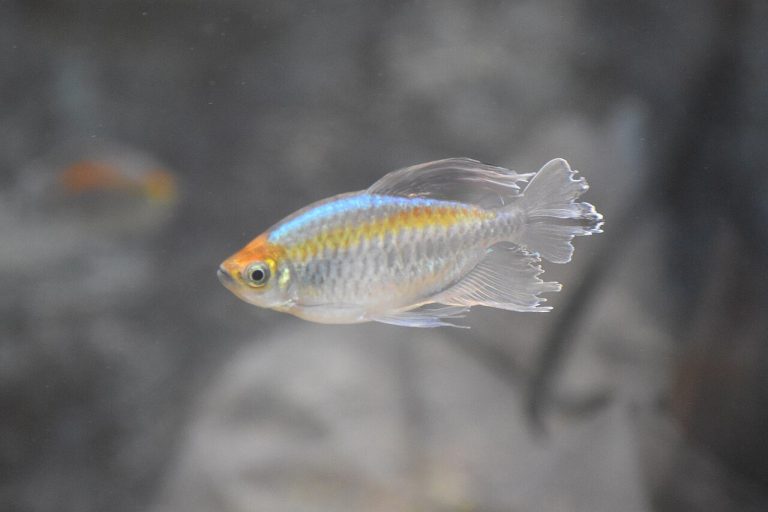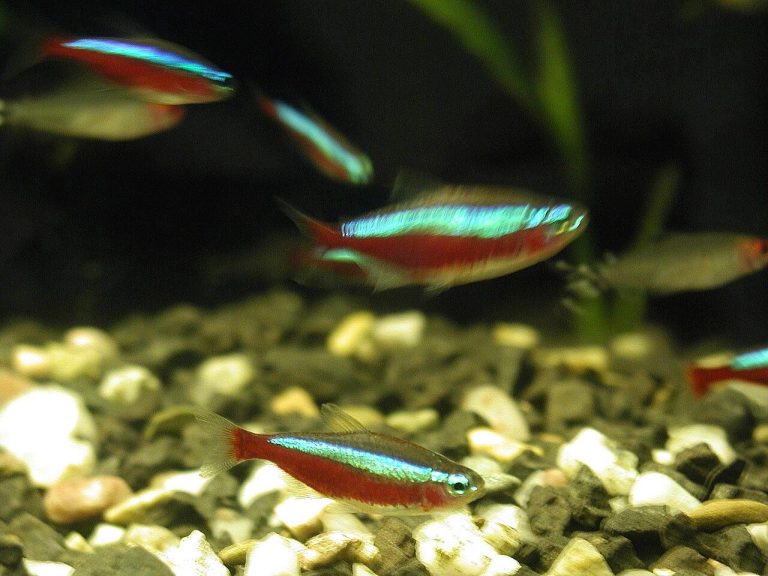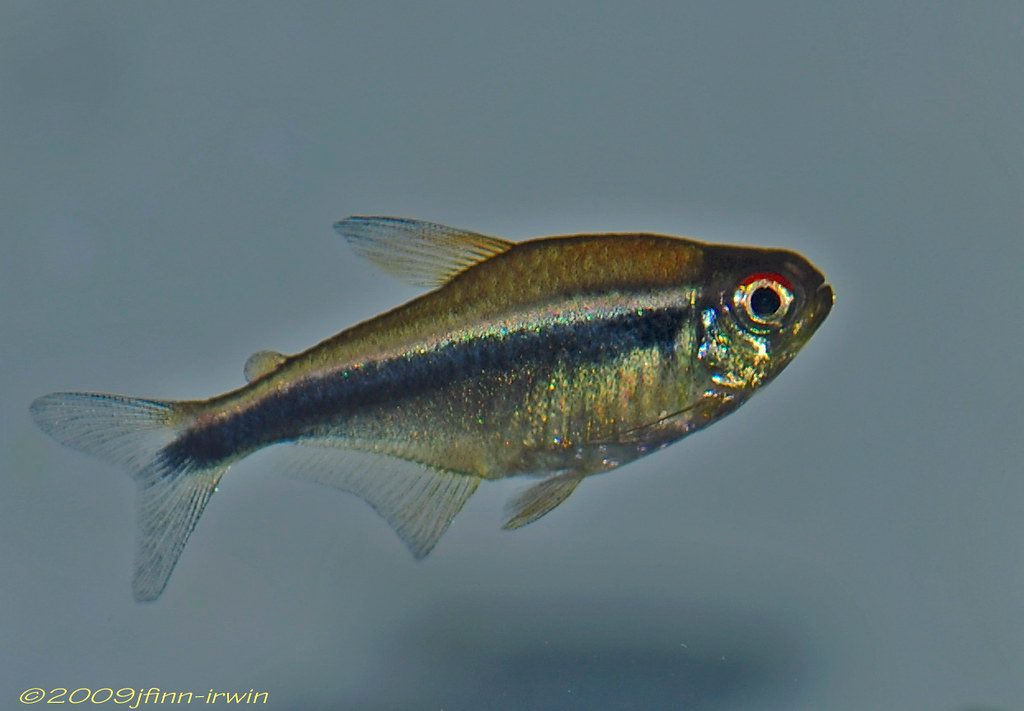
How Often To Feed Tetras – What and How Often to Feed
You should ideally feed tetras once or twice daily, providing only the amount they can completely consume within two minutes. Consistent, small feedings help prevent water pollution while supporting their high metabolic rates.
One of the most common questions I receive from new hobbyists is regarding the specific dietary schedule of their schooling fish. In my experience, finding the right balance is the single most important factor in maintaining a crystal-clear tank and a long-lived community.
Tetras are active, energetic creatures that bring life to any aquascape, but their small size means they have very little room for error when it comes to nutrition. Over the last decade of keeping various species, I have found that a structured routine is far better than a “whenever I remember” approach.
In this guide, we will look closely at the science and practical application of feeding schedules. We want to ensure your fish are flourishing, colorful, and energetic without compromising your water chemistry.
At a glance: Tetras (general) (Family Characidae and relatives)
- Temperature
- 72–80°F (22–27°C) for most species
- Water pH
- 6.0–7.5 for most species
- Adult size
- 1–3 in (2.5–8 cm)
- Minimum tank
- 10–30 gal depending on species
- Group size
- Groups of 6–10+
- Temperament
- Mostly peaceful schooling fish
- Diet
- Omnivores: quality flakes or micro pellets plus frozen foods
- Lifespan
- 3–8 years
Keeper’s tip: Schooling size matters more than tank size for most tetras: small groups hide, nip and stress.
Understanding the Biological Needs of Your School
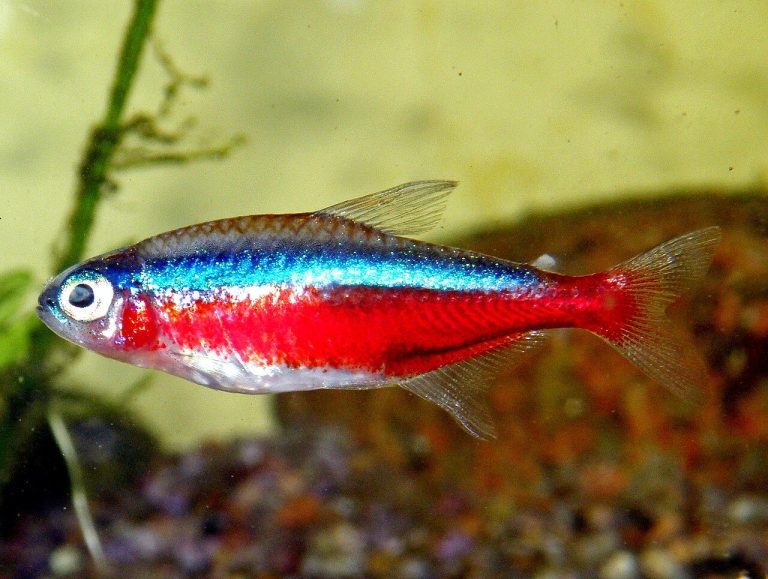
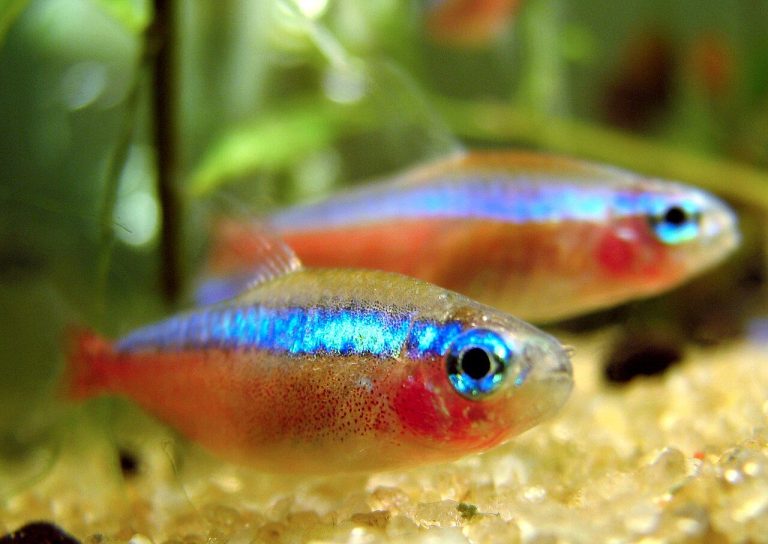
To determine how often to feed tetras, we first need to look at their natural biology. Most tetras, such as the popular Paracheirodon innesi (Neon Tetra), come from blackwater or clearwater environments where food is found in small, frequent bursts.
These fish have a very high metabolic rate compared to larger species. Because they are constantly swimming and schooling, they burn through energy quickly and do not have large stomachs to store food for long periods.
In the wild, they spend a significant portion of their day foraging for tiny crustaceans, insects, and larvae. This means their digestive systems are designed to process small amounts of nutrients continuously rather than one massive meal.
Pro Tip: I’ve noticed that tetras display much more natural schooling behavior when they are fed small amounts twice a day rather than once. It keeps them active and foraging throughout the daylight hours.
how often to feed tetras: The Standard Routine
For the vast majority of home aquariums, the gold standard is feeding once or twice per day. If you have a busy schedule, once a day is perfectly acceptable and will keep your fish healthy.
However, if you want to see the best growth and most colorful colors, two smaller feedings are superior. I typically recommend one feeding in the morning after the lights have been on for an hour and one in the evening before the lights go out.
The “two-minute rule” is your best friend here. If there is still food floating or resting on the bottom after two minutes, you have significantly overfed the tank.
| Feeding Frequency | Best For | Key Benefit |
|---|---|---|
| Once Daily | Adult fish in stable tanks | Lowers risk of water pollution |
| Twice Daily | Growing fish or breeding pairs | Promotes faster growth and color |
| 3-4 Times Daily | Young fry and larvae | Supports rapid development |
Variations Based on Life Stage
The question of how often to feed tetras changes as the fish age. Juvenile tetras are in a state of rapid physical development and require more frequent nutrient intake to prevent stunted growth.
When I am raising fry, I often use Artemia nauplii (baby brine shrimp) and feed up to four times a day. As they reach the “juvenile” stage, I scale back to three times, and finally to the adult schedule once they reach about 75% of their full size.
Adult tetras are much more resilient. In fact, most healthy adults can easily go 2 to 3 days without food if you are away for a weekend, though this shouldn’t be a regular occurrence.
The Importance of a Fasting Day
I highly recommend implementing a “fasting day” once a week. On this day, you do not provide any food to the aquarium at all.
This allows the fish’s digestive tract to clear out completely. It also encourages the tetras to forage around the tank, picking at any naturally occurring micro-fauna or biofilm, which is a great way to keep them engaged.
Fasting days are a secret weapon for preventing swim bladder impairment. This condition is often caused by constipation or overeating, which puts pressure on the organs responsible for buoyancy.
Quality Over Quantity: What to Feed
Knowing how often to feed tetras is only half the battle; the quality of the food matters just as much. A varied neon tetra diet ensures they receive a full spectrum of vitamins and minerals.
Most tetras are omnivores with a preference for meaty proteins. High-quality flakes or micro-pellets should form the base of their diet, but you should supplement this with frozen or live foods.
I’ve found that rotating between different types of food keeps the fish interested and prevents them from becoming “picky eaters.” It also makes sure that different members of the school, who may have different dominance levels, all get a chance to eat.
| Food Type | Frequency | Nutritional Focus |
|---|---|---|
| High-Quality Flakes | Daily staple | Balanced vitamins and minerals |
| Frozen Bloodworms | 1-2 times per week | High protein for energy |
| Daphnia | Once per week | Fiber for digestive health |
Sinking vs. Floating Foods
Tetras are generally “mid-water” feeders. This means they prefer to grab food as it slowly drifts through the water column.
If you use food that floats too long, they might be hesitant to come to the surface. Conversely, if it sinks like a rock, it will end up in the substrate before they can catch it.
I prefer to soak my flakes or pellets in a small cup of tank water for a minute before pouring them in. This causes the food to “rain” down slowly, giving every fish in the school a chance to grab a bite.
The Consequences of Overfeeding
In my early years of fish keeping, I made the mistake of thinking more food meant happier fish. I quickly learned that overfeeding is the leading cause of tank failure for beginners.
When you feed too much, the uneaten food begins the process of substrate decomposition. This process consumes oxygen and releases toxins into the water that can be lethal to sensitive species.
Even if the fish eat everything you give them, excessive food leads to more waste. This increases the ammonia concentration in the water, which puts an unnecessary strain on your nitrating bacteria colonies.
Pro Tip: Watch your tetras’ bellies. A healthy tetra should have a slightly rounded, but not bulging, abdomen after feeding. If they look like they’ve swallowed a marble, you are feeding way too much at once.
Water Quality and Nutrient Spikes
Excessive feeding frequency leads to an accumulation of dissolved organic compounds. These compounds act as fuel for algae blooms and can cause the water to take on a yellow tint or a foul odor.
High nitrate levels are another byproduct of overfeeding. While tetras are somewhat hardy, chronic exposure to high nitrates can suppress their immune systems, making them susceptible to diseases like Ich or Fin Rot.
Furthermore, phosphate accumulation from uneaten flakes can lead to stubborn hair algae that is difficult to remove. Maintaining a strict feeding schedule is the best “algae prevention” tool you have in your kit.
Monitoring Your Tetras’ Health
A vital part of learning how often to feed tetras is observing the fish themselves. Every aquarium is a unique ecosystem, and the “standard” advice might need slight adjustments based on your specific setup.
Look for signs of vitality: bright eyes, vivid colors, and active social behavior. If your tetras seem lethargic or their colors are fading, it might be time to evaluate their nutritional intake.
On the other hand, if you see “sunken bellies,” it is a clear sign that they aren’t getting enough calories or are suffering from internal parasites. In a healthy school, the fish should always appear “plump” but streamlined.
Environmental Factors
Temperature plays a massive role in how much your fish need to eat. When you maintain ideal water parameters, including a warmer temperature, their metabolism speeds up.
If your tank is on the cooler side of the tetra’s range, they will be less active and require less food. Always check your thermometer before deciding if you should increase your feeding frequency.
Plants also play a role. In a heavily planted tank, there is often more natural micro-food available for the fish to snack on between meals, allowing you to be a bit more conservative with manual feedings.
Essential Tools for Feeding Success
While you can certainly just use your fingers to pinch some flakes, a few simple tools can make the process much more precise. I personally use a small measuring spoon to help I am giving the exact same amount every day.
Automatic feeders can be useful for when you are on vacation, but I don’t recommend them for daily use. They often dispense too much food or the food becomes damp and clogs the mechanism, leading to water quality issues.
A feeding ring is another great addition. It keeps floating food in one area, preventing it from getting sucked into the filter intake before the fish can get to it.
Step-by-Step Feeding Implementation
- Observe: Watch the fish for a minute before feeding to ensure everyone is active.
- Measure: Use a consistent amount of food each time.
- Distribute: Spread the food across the surface so the whole school can access it.
- Timer: Note how long it takes for the food to disappear (aim for under 2 minutes).
- Clean: If any large pieces hit the bottom and remain there, use a turkey baster to remove them immediately.
If you follow these steps, you make sure your tetras are getting exactly what they need without the risk of polluting their environment. This is the foundation of caring for your school effectively.
FAQ: Frequently Asked Questions
What should I do if I miss a feeding?
If you miss a single feeding, do not worry. Simply feed them their normal amount at the next scheduled time. Do not double the amount of food to “make up” for the missed meal, as this will only lead to a spike in ammonia.
Can tetras eat every day?
Yes, tetras can and should eat every day, but many experts (myself included) recommend a one-day fast per week to help with digestion. This mimics natural cycles where food might be less abundant for a short period.
How do I know if my tetras are hungry?
Tetras are opportunistic feeders and will almost always act “hungry” when they see you approach the tank. Do not let their begging fool you. Stick to your schedule rather than reacting to their behavior.
Why are my tetras not eating?
If your tetras refuse food, it is often a sign of stress or poor water quality. Check your ammonia and nitrite levels immediately. If the water is fine, they may be adjusting to a new environment or the food size might be too large for their mouths.
Final thoughts
Mastering how often to feed tetras is a journey of observation and consistency. If you provide small, high-quality meals once or twice a day, you are setting your aquarium up for long-term success.
These fish do well on stability. A regular routine, combined with high-quality ingredients and a weekly fasting day, will result in the most rich and energetic school possible.
Keep a close eye on your water parameters and the physical condition of your fish. If you stay diligent and avoid the temptation to overfeed, your tetras will reward you with years of beauty and activity in your underwater world.

- 2003First tank
- 20+Years keeping
- 40+Tanks kept
- 0Sponsored picks
Howard set up his first 10-gallon planted tank in 2003 and lost half of it within six weeks. Two decades and more than forty aquariums later, he writes the guides he wished he had then: clear numbers, the reasons behind them, and what actually goes wrong in home tanks.