Silvertip Tetra Lifespan – How To Maximize The Longevity
The average Silvertip Tetra lifespan is 3 to 5 years in a home aquarium. With exceptional care, stable water parameters, and a high-quality diet, these bright fish can occasionally reach 6 years of age.
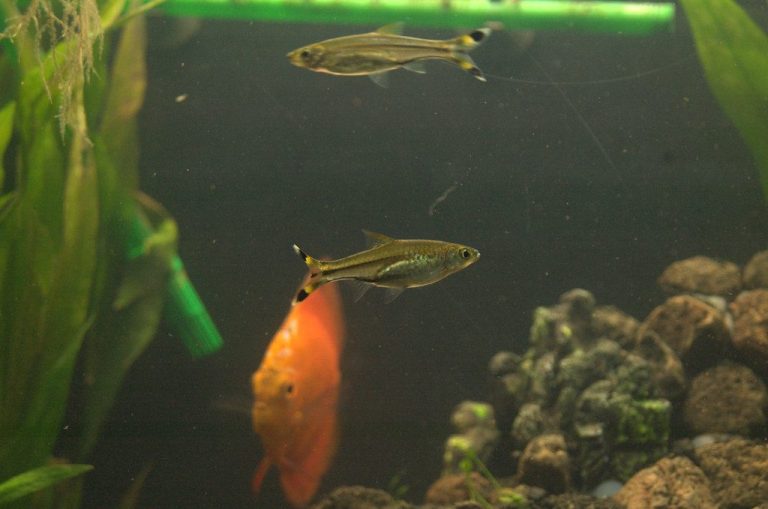
The Silvertip Tetra, scientifically known as Hasemania nana, is a staple in the freshwater aquarium hobby for a good reason. These active, golden-hued fish bring a unique energy to any community tank, especially when they are darting through a well-planted environment.
When I first started keeping these little gems over a decade ago, I was captivated by their lack of an adipose fin—a trait that distinguishes them from most other members of the Characidae family. Understanding the Silvertip Tetra lifespan is the first step toward ensuring these fish don’t just survive in your care, but stay healthy.
In this guide, we will explore the biological needs, environmental requirements, and dietary secrets that contribute to a long and healthy life for your school.
At a glance: Silvertip tetra (Hasemania nana)
- Temperature
- 72–82°F (22–28°C)
- Water pH
- 6.0–8.0
- Adult size
- 2 in (5 cm)
- Minimum tank
- 20 gal
- Group size
- Groups of 8+
- Temperament
- Active, can nip fins
- Diet
- Omnivore: flakes, small pellets, frozen foods
- Lifespan
- 3–5 years
Keeper’s tip: A busy, fast swimmer that does best with other quick fish rather than slow long-finned species.
Factors Influencing the Silvertip Tetra lifespan
The Silvertip Tetra lifespan is not set in stone; it is heavily influenced by the environment you provide. In the wild, these fish hail from the São Francisco River basin in Brazil, where they work through varying water conditions and seasonal changes.
In a home aquarium, we have the power to control these variables to maximize their years with us. Genetic lineage also plays a role, as fish sourced from reputable breeders often have stronger immune systems than those from mass-produced commercial sources.
However, the most significant impact on their longevity comes from the daily management of the tank. Consistency is more important than achieving “perfect” numbers that fluctuate wildly.
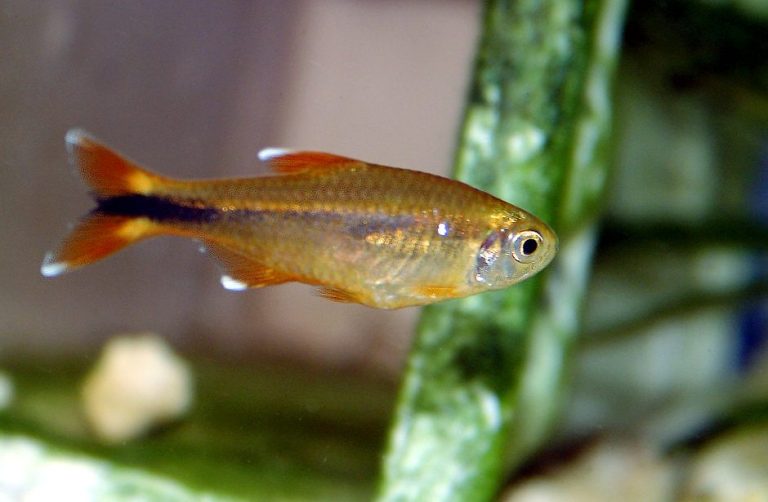
Pro Tip: When purchasing Silvertip Tetras, look for individuals with vivid copper bodies and clear, distinct white tips on their fins. Avoid any fish that appear lethargic or have “clamped” fins, as these are early indicators of stress that can permanently shorten their lifespan.
Genetics and Sourcing
The foundation of a long life begins before the fish even enters your tank. Fish that have been overbred or kept in poor conditions at a wholesaler may already have a compromised metabolic rate or weakened organs.
I always recommend finding a local fish store that specializes in healthy stock. When you start with solid individuals, you are already ahead in the game of maximizing the Silvertip Tetra lifespan.
The Impact of Stress
Stress is the silent killer in the aquarium hobby. For a schooling fish like Hasemania nana, being kept in groups that are too small can lead to chronic anxiety and nipping.
This social stress triggers the release of cortisol, which suppresses the immune system. Over time, this makes them more susceptible to common pathogens and naturally shortens their life expectancy.
Water Chemistry and the Nitrogen Cycle
Maintaining pristine water quality is the single most effective way to extend the Silvertip Tetra lifespan. These fish are relatively hardy, but they are sensitive to spikes in ammonia and nitrite.
A fully matured nitrogen cycle is non-negotiable. If you are starting out with this species, help your tank has been running for several weeks and shows zero ammonia and nitrite before adding your school.
| Parameter | Ideal Range | Importance for Longevity |
|---|---|---|
| Temperature | 72°F – 82°F (22°C – 28°C) | Regulates metabolic rate and immune response. |
| pH Level | 6.0 – 7.5 | Prevents acidosis or alkalosis stress. |
| Water Hardness (dGH) | 5 – 15 dGH | Essential for proper osmoregulation. |
| Carbonate Hardness (dKH) | 3 – 8 dKH | Buffers pH to prevent dangerous crashes. |
| Nitrates | < 20 ppm | Reduces long-term organ toxicity and stress. |
Understanding Osmoregulation
Osmoregulation is the process by which fish maintain the balance of water and salt in their bodies. If the water hardness (dGH) is too far outside their natural range, their organs have to work overtime to compensate.
This constant internal struggle wears the fish down. If you keep your water parameters within the ranges listed above, you allow the fish to divert that energy toward growth and immune health instead.
The Role of Humic Substances
In their native Brazilian waters, Silvertip Tetras are often found in environments rich in humic substances. These organic compounds come from decaying leaves and wood and have natural antibacterial and antifungal properties.
In my experience, adding Indian Almond leaves or driftwood to the tank provides a “blackwater” effect that mimics their natural habitat. This not only deepens their golden coloration but significantly bolsters their health and longevity.
Nutrition: Feeding for a Long Life
To reach the upper limits of the Silvertip Tetra lifespan, a varied and high-quality diet is essential. These fish are omnivores and require a balance of protein and plant matter to maintain their high energy levels.
In the wild, they consume small insects, crustaceans, and plant detritus. Replicating this variety in the aquarium prevents nutritional deficiencies that can lead to a premature decline in health.
Choosing the Right Foods
While high-quality flakes are a good baseline, they should not be the only thing your fish eat. I have found that incorporating frozen or live foods twice a week makes a world of difference in their vitality.
Consider feeding a high-quality diet that includes baby brine shrimp, daphnia, or bloodworms. These nutrient-dense foods provide the essential fatty acids needed for cellular repair and long-term health.
Avoid Overfeeding
Overfeeding is one of the quickest ways to shorten the Silvertip Tetra lifespan. Excess food decays and fuels ammonia spikes, while overeating leads to fatty liver disease and digestive blockages.
Feed small amounts that the fish can completely consume within two minutes. If you see food hitting the substrate, you are likely feeding too much.
Pro Tip: Implement a “fasting day” once a week. Skipping a day of feeding allows the fish’s digestive tract to clear out and encourages them to forage around the tank, mimicking natural behaviors.
The environment you build for your Silvertip Tetras directly impacts their stress levels. A sparse, brightly lit tank with no cover will leave them feeling exposed and vulnerable, which is detrimental to their health.
To optimize the Silvertip Tetra lifespan, you should aim for a “nature aquarium” style setup. This includes plenty of live plants, some shaded areas, and enough open space for their energetic schooling behavior.
Schooling and Group Size
Silvertip Tetras are highly social and must be kept in groups. A group of at least 6 to 8 is the bare minimum, but 10 or more is ideal for a 20-gallon tank or larger.
In larger groups, their “pecking order” is spread out. If you only keep two or three, the dominant fish will relentlessly chase the others, leading to exhaustion and a shortened life for the submissive fish.
Vegetation and Hiding Spots
Live plants like Amazon Swords, Java Fern, and Vallisneria provide excellent cover. These plants also help maintain water quality by absorbing nitrates and providing surfaces for beneficial microorganisms to grow.
Floating plants are particularly useful for Silvertip Tetras. They diffuse the light, creating the dappled environment these fish prefer, which helps them feel secure and display their best colors.
Disease Prevention and Health Monitoring
Even with the best care, fish can occasionally fall ill. However, a proactive approach to health can prevent a minor issue from becoming a tank-wide catastrophe that ends the Silvertip Tetra lifespan prematurely.
Regularly recognizing signs of illness is a skill every hobbyist should develop. Early intervention is the key to a full recovery.
Common Ailments
One of the most frequent issues is Ichthyophthirius multifiliis, commonly known as Ich or white spot disease. This parasite often takes hold when the fish’s immune system is weakened by a sudden temperature drop or poor water quality.
If you notice small white grains on their bodies, you must act quickly. Raising the temperature slightly and using a copper-based or malachite green treatment can be effective, but prevention through quarantine is always better.
The Importance of Quarantine
I cannot stress enough how important it is to quarantine new arrivals for at least two weeks. This prevents the introduction of pathogens into your established display tank.
During quarantine, you can observe the fish’s behavior and ensure they are eating well. This simple step can save your entire school and protect the longevity of your older fish.
Breeding and Its Effect on Longevity
Breeding Hasemania nana is a satisfying experience, but it does take a toll on the fish. Spawning requires a significant amount of energy, especially for the females who must produce eggs.
If you are focused solely on maximizing the Silvertip Tetra lifespan, you might choose to keep a single-sex group or provide a very large tank where spawning happens naturally without intense competition.
Spawning Stress
In a dedicated breeding setup, the frequent “chasing” and egg-laying can lead to physical exhaustion. In my years of breeding various tetras, I have noticed that fish used for intensive breeding programs often have slightly shorter lifespans than those kept in a relaxed community setting.
If you do choose to breed them, make sure they receive extra high-quality protein and plenty of rest between spawning cycles. This helps their bodies recover and maintains their long-term health.
FAQ: Frequently Asked Questions about Silvertip Tetra lifespan
How can I tell if my Silvertip Tetra is reaching the end of its life?
As they age, you may notice their colors becoming slightly duller and their swimming speed decreasing. Older tetras may also develop a slight curve in their spine or become less interested in social hierarchy.
Does tank size affect how long they live?
Yes. While they are small, they are very active. Keeping them in a tank that is too small (like a 5-gallon) leads to stunted growth and chronic stress, which will definitely shorten their lifespan. A 20-gallon long is the “sweet spot” for a healthy school.
Can they live with Betta fish?
It is possible, but not always recommended. Silvertip Tetras can be “nippy,” especially if their school is too small. This nipping can stress the Betta, and the resulting conflict can lead to injuries for both species.
Why are my Silvertip Tetras losing their “silver” tips?
This is often a sign of poor water quality or high stress. If the tips disappear, check your ammonia and nitrate levels immediately. It could also indicate the early stages of fin rot.
Conclusion: Achieving a Long-Lived Golden School
Maximizing the Silvertip Tetra lifespan is a journey that combines science, observation, and a bit of patience. If you focus on stable water parameters, a varied diet, and a low-stress environment, you can enjoy these energetic fish for up to five or even six years.
You are creating a tiny ecosystem. Every decision—from the type of filter you use to the plants you choose—plays a role in the health of your Hasemania nana.
I have found that the most successful aquarists are those who remain curious and attentive to the subtle changes in their fish’s behavior. If you provide a home that respects their natural origins in the São Francisco River, your Silvertip Tetras will reward you with years of shimmering beauty and lively activity.

- 2003First tank
- 20+Years keeping
- 40+Tanks kept
- 0Sponsored picks
Howard set up his first 10-gallon planted tank in 2003 and lost half of it within six weeks. Two decades and more than forty aquariums later, he writes the guides he wished he had then: clear numbers, the reasons behind them, and what actually goes wrong in home tanks.