Blind Cave Tetra Breeding – The Ultimate Expert Guide To Success
Blind Cave Tetra breeding is highly successful when adults are conditioned with live foods and moved to a dim breeding tank with soft water. These egg scatterers spawn readily, requiring a mesh floor or spawning mops to protect the eggs.
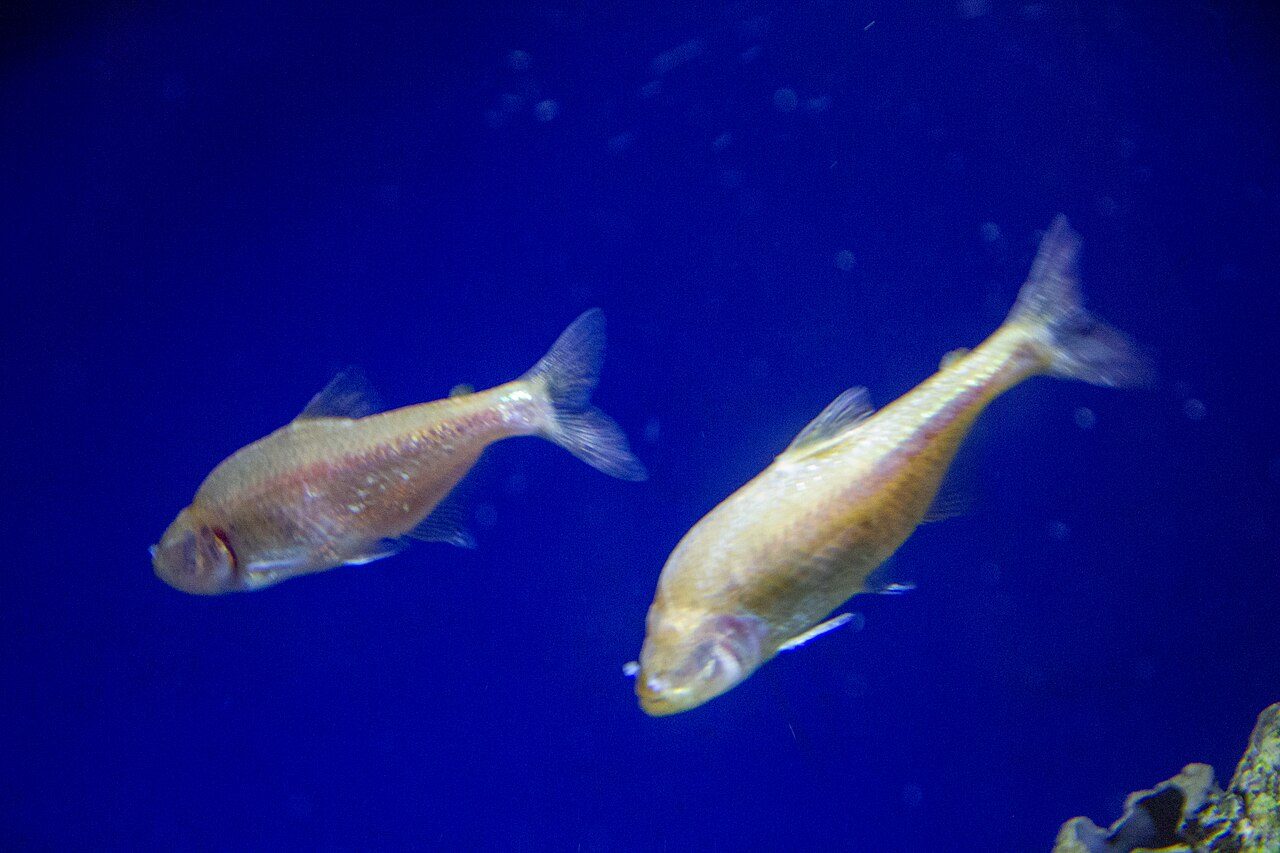
Breeding the Blind Cave Tetra, scientifically known as Astyanax mexicanus, is one of the most rewarding experiences for a dedicated aquarist. These unique fish, particularly the Pachón cave ecotype, have evolved in total darkness, losing their eyes and pigmentation in favor of a highly sensitive lateral line system.
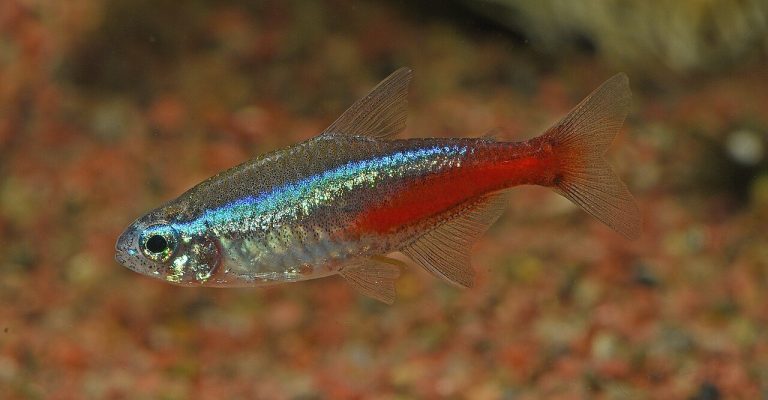
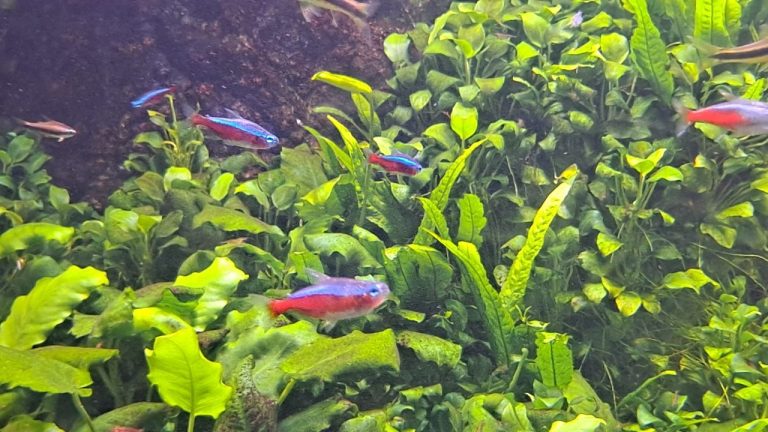
In my experience, many hobbyists overlook these fish because they lack the colorful colors of a Neon or Cardinal Tetra. However, their remarkable behavior and ease of spawning make them a perfect candidate for anyone looking to venture into characin reproduction.
When I first started with these “eyeless wonders” over ten years ago, I was amazed at how efficiently they work through. They don’t need sight to find a mate or a meal; they rely on vibrations and chemical cues, which makes the Blind Cave Tetra breeding process quite distinct from other species.
At a glance: Blind cave tetra (Astyanax mexicanus)
- Temperature
- 68–77°F (20–25°C)
- Water pH
- 6.5–8.0
- Adult size
- 3.5 in (9 cm)
- Minimum tank
- 30 gal
- Group size
- Groups of 4+
- Temperament
- Peaceful to semi-aggressive
- Diet
- Omnivore: sinking pellets, flakes, frozen foods
- Lifespan
- 10–15 years
Keeper’s tip: They find food by smell and lateral line, so sinking foods spread across the floor work best.
Understanding the Biology of the Blind Cave Tetra
Before you set up your breeding tank, it is vital to understand the environmental pressures that shaped this species. The Blind Cave Tetra originates from deep limestone caves in Mexico, where light never reaches the water.
This environment is stable, slightly alkaline, and rich in minerals, but for breeding purposes, we often simulate a “rainy season” to trigger their natural instincts. Unlike many other tetras that require very soft, acidic water, these fish are remarkably hardy and adaptable.
Because they are an egg scatterer, they do not provide parental care. In the wild, eggs would fall into crevices in the cave floor, protected from the adults who might otherwise see them as a high-protein snack.
Setting Up the Perfect Breeding Environment
To achieve the best results, I always recommend a dedicated breeding tank rather than attempting to spawn them in a community setting. A 10-gallon or 20-gallon long tank is perfect for a small group of breeders.
The setup should be simple. You do not need substrate, as a bare-bottom tank makes it much easier to clean and monitor the eggs once the parents are removed.
| Parameter | Ideal Range for Breeding |
|---|---|
| Temperature | 68°F to 75°F (20°C to 24°C) |
| pH Level | 7.0 to 7.8 |
| Carbonate Hardness (KH) | 5 to 12 dKH |
| Total Dissolved Solids (TDS) | 150 to 250 ppm |
The Importance of Egg Protection
Since these fish will eat their own eggs, you must provide a way for the eggs to fall out of reach. I’ve found that a plastic mesh or “egg crate” positioned an inch above the bottom of the tank works wonders.
Alternatively, you can use a spawning mop made of dark synthetic yarn or clumps of Java Moss. The eggs will stick to these surfaces or fall through them, keeping them safe from the hungry parents.
Pro Tip: In my experience, using a layer of glass marbles on the bottom of the tank is the most effective “old school” method. The eggs fall into the gaps between the marbles where the adults cannot reach them, and it makes the post-spawn cleanup a breeze.
Conditioning Your Breeders for Success
Success in Blind Cave Tetra breeding starts weeks before the actual spawn. You need to select healthy adults and provide them with a diet that mimics the abundance of a cave flood.
I recommend separating the males and females for about 7 to 10 days before breeding. During this time, feed them heavily with high-quality live or frozen foods.
The gravid female will become noticeably rounder and thicker when viewed from above. Males are generally slimmer and slightly smaller, though the difference can be subtle in this species compared to more colorful tetras.
Best Nutrition
Feeding is the “on” switch for reproduction. I’ve noticed that while they are hardy enough for easy tetra species setups, they need specific proteins to produce viable eggs.
Focus on foods like bloodworms, daphnia, and especially brine shrimp nauplii. These high-fat foods provide the energy the female needs to develop several hundred eggs.
If you are looking for more general information on what to feed your school, check out this guide on high-quality nutrition for small characins.
How to Trigger the Spawning Act
Once your fish are well-conditioned, move one or two pairs into the breeding tank in the evening. Because they are cave dwellers, they do not require a specific light cycle, but a sudden drop in temperature can act as a trigger.
I usually perform a 20% water change with water that is 2 or 3 degrees cooler than the tank water. This simulates the influx of cool rainwater that occurs in their natural habitat.
The spawning usually occurs in the early morning hours. You will notice the fish swimming vigorously, often bumping into one another. This is the egg scatterer behavior in action, as they release eggs and sperm simultaneously into the water column.
Monitoring for Eggs
Since they are blind, they rely on touch and vibrations. You will see the male “shivering” against the female. This physical contact ensures that the sperm reaches the eggs as they are released.
After a few hours of this activity, the female will appear much slimmer. At this point, it is essential to remove the adults immediately. If left in the tank, they will spend the rest of the day hunting down every single egg they can find.
Raising Blind Cave Tetra Fry
The eggs are tiny and translucent, making them hard to see against a glass bottom. They typically hatch within 24 to 36 hours depending on the temperature.
During the first few days, the larvae will stay attached to the glass or the spawning mop, absorbing their yolk sacs. You do not need to feed them during this stage.
Once they become free-swimming, usually on the third or fourth day, they will need microscopic food. This is the most critical phase of Blind Cave Tetra breeding.
| Fry Age | Recommended Food Type |
|---|---|
| Days 1-3 | None (Yolk sac absorption) |
| Days 4-10 | Infusoria or Liquid Fry Food |
| Days 10-21 | Baby Brine Shrimp (Artemia) |
| 3 Weeks+ | Crushed Flakes and Microworms |
Maintaining Water Quality
Fry are extremely sensitive to nitrogenous waste. I’ve found that even a small spike in ammonia can wipe out an entire batch of Blind Cave Tetra fry.
To prevent fungus on unfertilized eggs, many experts use a few drops of Methylene blue. This keeps the water sterile and prevents “fuzzy” eggs from infecting the healthy ones.
Perform small, daily water changes of about 10%. Use a piece of airline tubing to siphon waste from the bottom so you don’t accidentally suck up the tiny fry.
Pro Tip: When feeding infusoria, do it in small amounts multiple times a day. I’ve noticed that fry grow much faster and have a higher survival rate when fed 4-5 times a day rather than one large meal that might foul the water.
Common Challenges in Blind Cave Tetra Breeding
While these fish are easier to breed than many other tetra varieties, you may still encounter some hurdles. The most common issue is egg predation.
If you don’t use a mesh or marbles, you might find that the adults eat the eggs as fast as they lay them. Another common problem is “non-viable” eggs, which often happens if the water is too hard or the parents were not properly conditioned.
The Role of Water Hardness
If your Carbonate hardness is too high, the egg membranes may harden too quickly, preventing fertilization. If you are struggling with “clear” eggs that never hatch, try using a mix of RO (Reverse Osmosis) water to bring the hardness down.
Always keep an eye on the Total Dissolved Solids. A sudden jump in TDS can stress the fry and lead to deformities or stunted growth.
Frequently asked questions
Do Blind Cave Tetras need light to breed?
No, they do not. In fact, they are much more comfortable in dim lighting or total darkness. Bright lights can actually stress them out during the spawning process.
How many eggs does a female Blind Cave Tetra lay?
A healthy, well-conditioned gravid female can lay anywhere from 100 to 500 eggs in a single spawning session. The number depends on her size and age.
At what age can they start breeding?
Typically, they reach sexual maturity at around 6 to 12 months. I prefer waiting until they are at least a year old to help they are large enough to handle the physical stress of spawning.
Do the fry have eyes when they hatch?
Interestingly, yes! The fry are born with rudimentary eyes that eventually degenerate and are covered by skin as they grow. This is a remarkable look back at their evolutionary history as surface-dwelling fish.
My final take
Mastering Blind Cave Tetra breeding is a fantastic way to deepen your understanding of aquatic evolution and biology. These fish may not have the flash of a Diamond Tetra, but their unique adaptations make them stars in their own right.
If you focus on proper conditioning, providing a safe environment for the eggs, and maintaining pristine water quality for the fry, you can successfully raise a new generation of these cave-dwelling wonders.
Patience is key. If they don’t spawn the first night, give them a few days to settle in. Once they start, you’ll likely find yourself with more fry than you know what to do with. Keep exploring characins, and you’ll find that every species has a story to tell.

- 2003First tank
- 20+Years keeping
- 40+Tanks kept
- 0Sponsored picks
Howard set up his first 10-gallon planted tank in 2003 and lost half of it within six weeks. Two decades and more than forty aquariums later, he writes the guides he wished he had then: clear numbers, the reasons behind them, and what actually goes wrong in home tanks.