Tetra Tank Temp – The Ultimate Guide To Healthy, Vibrant Fish
The ideal tetra tank temp is generally between 75°F and 80°F (24°C–27°C). Maintaining a consistent temperature is vital for preventing stress and supporting the immune systems of these tropical freshwater species.
Finding the perfect tetra tank temp is one of the most critical steps in establishing a successful aquarium. In my 10 years of keeping tropical fish, I have found that temperature stability often matters more than the specific number on the thermometer.
When you bring home new fish, you are essentially managing their internal biology through the water around them. Tetras are ectothermic, meaning their body temperature is regulated by their environment.
If the tetra tank temp fluctuates too wildly, it can lead to a host of health issues. In this guide, we will explore the nuances of thermal management for these popular schooling fish.
At a glance: Tetras (general) (Family Characidae and relatives)
- Temperature
- 72–80°F (22–27°C) for most species
- Water pH
- 6.0–7.5 for most species
- Adult size
- 1–3 in (2.5–8 cm)
- Minimum tank
- 10–30 gal depending on species
- Group size
- Groups of 6–10+
- Temperament
- Mostly peaceful schooling fish
- Diet
- Omnivores: quality flakes or micro pellets plus frozen foods
- Lifespan
- 3–8 years
Keeper’s tip: Schooling size matters more than tank size for most tetras: small groups hide, nip and stress.
Understanding the Importance of Tetra Tank Temp
The temperature of your aquarium dictates the speed of your fishes’ biological processes. When we talk about tetra tank temp, we are discussing the foundation of their metabolic health.
Most tetras hail from the warm, slow-moving waters of South America and Africa. These regions provide a stable, warm environment that these fish have adapted to over millions of years.
In an aquarium, we must replicate these conditions to make sure our fish do well rather than just survive. A tank that is too cold will cause their systems to slow down, while a tank that is too hot can lead to oxygen depletion.
Pro Tip: I always recommend using two smaller heaters rather than one large one. If one fails and stays “on,” it is less likely to cook your fish, and if one fails “off,” the other can maintain a safe baseline until you notice the issue.
The Relationship Between Heat and Metabolism
As the water temperature rises, a fish’s metabolic rate increases significantly. This means they require more food and produce more waste, which can strain your filtration system.
Conversely, if the water is too cool, their digestion slows down, and their immune system becomes sluggish. This makes them much more susceptible to opportunistic pathogens in the water column.
Why Consistency Trumps Perfection
While there is a “perfect” range, the most important factor is avoiding thermal shock. Sudden jumps in temperature, even within the safe range, can be fatal to sensitive species.
I have noticed that tetras kept in stable conditions are far more colorful and active. Stability allows their bodies to focus on growth and colorful pigmentation rather than constantly adjusting to environmental stress.
Species-Specific Temperature Requirements
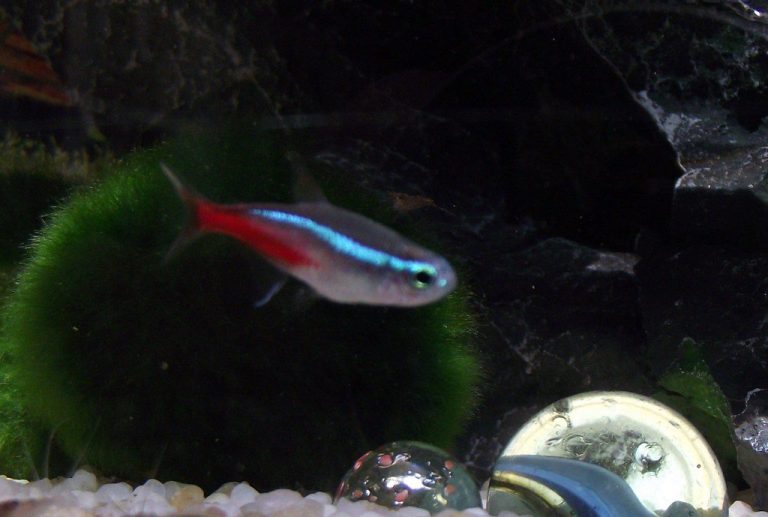
Not all tetras are the same, and their origins dictate their specific needs. For example, the Paracheirodon innesi, commonly known as the Neon Tetra, prefers slightly cooler water than its cousin.
The Paracheirodon axelrodi, or Cardinal Tetra, does well in warmer, more acidic environments. Understanding these subtle differences is key when planning a tetra fish compatibility chart for your community.
The following table outlines the ideal ranges for some of the most popular species in the hobby today.
| Tetra Species | Scientific Name | Ideal Temp Range (°F) | Ideal Temp Range (°C) |
|---|---|---|---|
| Neon Tetra | Paracheirodon innesi | 70°F – 78°F | 21°C – 25°C |
| Cardinal Tetra | Paracheirodon axelrodi | 73°F – 82°F | 23°C – 28°C |
| Rummy Nose Tetra | Hemigrammus rhodostomus | 75°F – 84°F | 24°C – 29°C |
| Ember Tetra | Hyphessobrycon amandae | 73°F – 84°F | 23°C – 29°C |
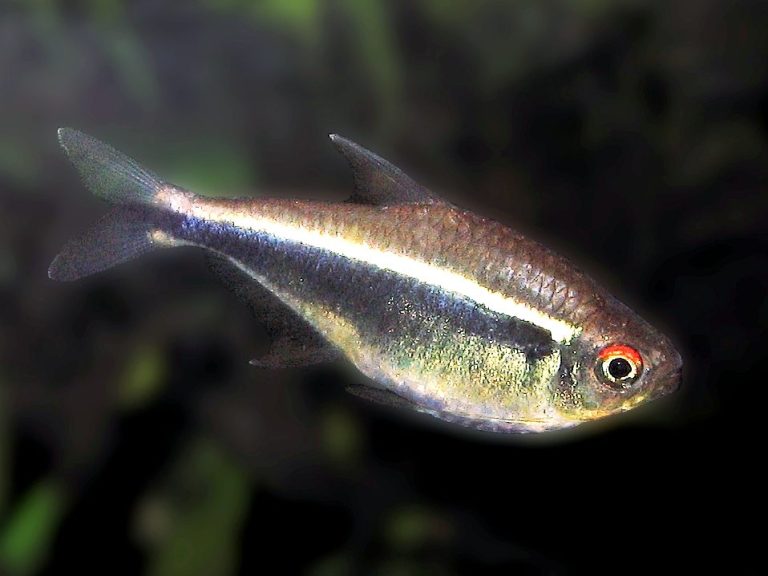
| Black Skirt Tetra | Gymnocorymbus ternetzi | 70°F – 82°F | 21°C – 28°C |
Choosing a Middle Ground for Community Tanks
If you are mixing species, I’ve found that aiming for 76°F to 78°F is usually the “sweet spot.” This range keeps the vast majority of tetras comfortable and active.
When setting up tetra fish tanks, always research the specific requirements of every fish you plan to add. Some species, like the Rummy Nose, are quite sensitive to shifts outside their preferred range.
The Science of Heat and Oxygen Solubility
One of the most overlooked aspects of tetra tank temp is its effect on oxygen. As water temperature increases, dissolved oxygen solubility decreases.
This means that a very warm tank actually holds less air for your fish to breathe. If your heater malfunctions and the tank gets too hot, your fish may suffer from hypoxia.
You might see them gasping at the surface or swimming near filter outlets. This is a clear sign that the water temperature has surpassed the safety threshold for oxygen retention.
Balancing Heat and Aeration
In warmer setups, especially those above 80°F, I always increase surface agitation. Using an air stone or adjusting your filter return can help replenish oxygen levels.
This is particularly important for high-energy swimmers like the Hemigrammus rhodostomus. These fish have high oxygen demands and will show signs of distress quickly if the water becomes stagnant and warm.
The Role of Plants in Temperature Regulation
Live plants can actually help buffer the effects of temperature on your fish. While they don’t change the temperature itself, they provide shade and contribute to oxygen production during the day.
A well-planted tank creates micro-climates where fish can find cooler spots near the substrate. This variety in the environment helps mimic the natural habitats of neon tetra aquarium fish and other species.
Essential Equipment for Temperature Management
To maintain a steady tetra tank temp, you need reliable equipment. A high-quality submersible heater is the most important investment you will make for your tank.
Look for a heater with an adjustable thermostat and a clear indicator light. I prefer models made of shatterproof glass or high-impact plastic to avoid accidents during water changes.
| Equipment Type | Purpose | Recommendation |
|---|---|---|
| Submersible Heater | Maintains consistent warmth | Adjustable, 5 watts per gallon |
| Digital Thermometer | Accurate monitoring | Probe-style for internal reading |
| External Controller | Redundant safety shut-off | Highly recommended for large tanks |
| Aquarium Fan | Evaporative cooling | Useful for summer heatwaves |
Understanding Thermostat Hysteresis
Every heater has something called thermostat hysteresis. This is the temperature difference between when the heater turns on and when it shuts off.
A high-quality heater will have a very narrow range, keeping the water within 1 degree of your target. Cheaper heaters may allow the temperature to swing by 3 or 4 degrees, which is stressful for small fish.
Monitoring with Accuracy
Don’t rely solely on the dial on your heater. Those dials are often calibrated poorly and can be off by several degrees.
I always use a separate digital thermometer with a probe. Place the probe at the opposite end of the tank from the heater to make sure the entire water column is reaching the desired tetra tank temp.
Pro Tip: Never trust the “sticker” thermometers that go on the outside of the glass. They are heavily influenced by the room’s air temperature and rarely give an accurate reading of the water inside.
When the tetra tank temp is incorrect, your fish become vulnerable to disease. One of the most common issues is Ichthyophthirius multifiliis, or “Ich.”
This parasite stays healthy when fish are stressed by cool temperatures or sudden fluctuations. While raising the temperature to 86°F can help treat Ich, it must be done slowly to avoid further stress.
Signs of Temperature Stress
It is vital to recognize the signs of thermal stress early. If you catch a problem with your heater quickly, you can save your entire school of fish.
- Lethargy: Fish sitting at the bottom and barely moving (too cold).
- Gasping: Rapid gill movement at the surface (too hot/low oxygen).
- Color Loss: Bright colors turning pale or washed out.
- Glass Surfing: Constant, frantic swimming against the glass.
Dealing with Overheating
During the summer months, your tetra tank temp might rise above safe levels even without the heater running. In these cases, you need to act to cool the tank down.
I’ve found that removing the aquarium lid and using a small desk fan to blow across the surface works wonders. The resulting evaporation can drop the temperature by several degrees quite effectively.
Troubleshooting Seasonal Changes
As the seasons change, the ambient temperature in your home will shift. This often leads to a corresponding shift in your tetra tank temp if your equipment isn’t up to the task.
In the winter, drafts from windows can create cold spots in the tank. If your aquarium is near an exterior wall, you might need a more powerful heater to compensate for the heat loss.
Water Changes and Temperature Matching
One of the most common mistakes I see beginners make is performing a water change with water that is too cold. This causes an immediate drop in the tetra tank temp and can trigger a disease outbreak.
Always use a thermometer to check the temperature of your replacement water. It should be within one or two degrees of your tank water before you begin the pour.
Moving and Transporting Tetras
If you are moving or buying new fish, maintaining the tetra tank temp during transport is vital. Use insulated coolers to hold the bags of fish.
Even a 15-minute drive in a cold car can cause the water in a small bag to drop rapidly. This is a prime example of when thermal shock can occur before the fish even enter their new home.
A few common questions
Can tetras live in unheated tanks?
Generally, no. Most tetras are tropical and require a consistent tetra tank temp between 75°F and 80°F. Keeping them at room temperature (usually 68°F–72°F) will weaken their immune systems over time.
What is the maximum safe temperature for tetras?
While some species like Cardinal Tetras can handle 84°F, most tetras start to struggle once the temperature exceeds 82°F. High temperatures significantly reduce oxygen levels, which can be fatal.
How fast should I change the temperature if it is wrong?
You should aim to change the temperature by no more than 1 or 2 degrees per hour. Sudden changes are much more dangerous to the fish than being at a slightly “wrong” temperature for a few extra hours.
Why is my heater light on, but the water is cold?
This usually means the heater is underpowered for your tank size or the heating element has failed. Help you have roughly 5 watts of heating power per gallon of water.
Does tank size affect temperature stability?
Yes, larger volumes of water hold heat better and change temperature more slowly. This is why a tetra tank temp is often easier to manage in a 20-gallon tank compared to a 5-gallon nano setup.
In short
Mastering the tetra tank temp is a fundamental skill for any aquarist. If you provide a stable, warm environment, you are giving your fish the best possible chance at a long and healthy life.
While specific ranges are important, avoiding sudden fluctuations is the real what really counts. Invest in quality heating and monitoring equipment, and always keep an eye on your fishes’ behavior.
Whether you are keeping a school of Neons or a bright group of Rummy Noses, consistency is the key. With the right temperature management, your tetras will reward you with active swimming and brilliant colors for years to come.

- 2003First tank
- 20+Years keeping
- 40+Tanks kept
- 0Sponsored picks
Howard set up his first 10-gallon planted tank in 2003 and lost half of it within six weeks. Two decades and more than forty aquariums later, he writes the guides he wished he had then: clear numbers, the reasons behind them, and what actually goes wrong in home tanks.