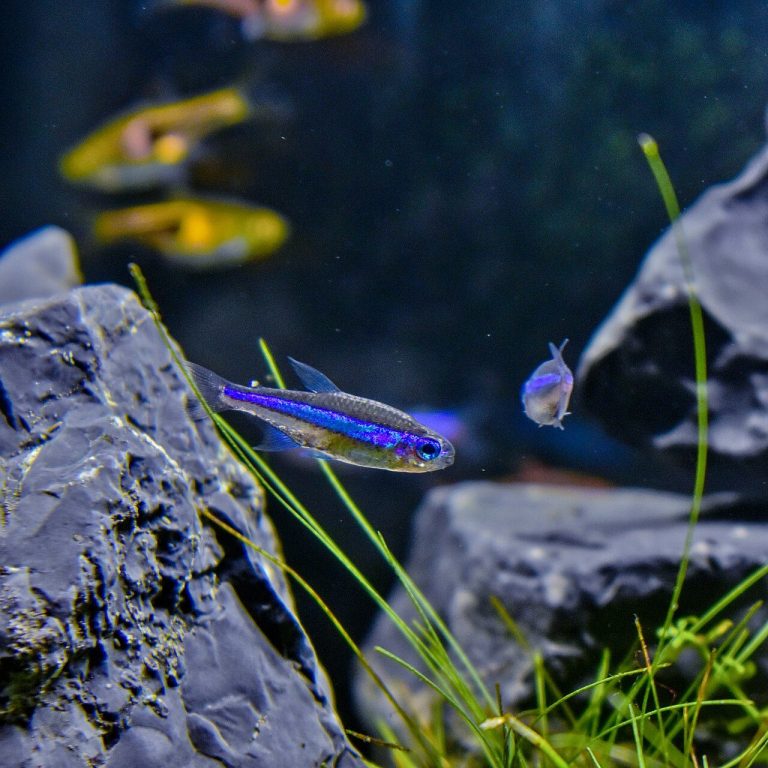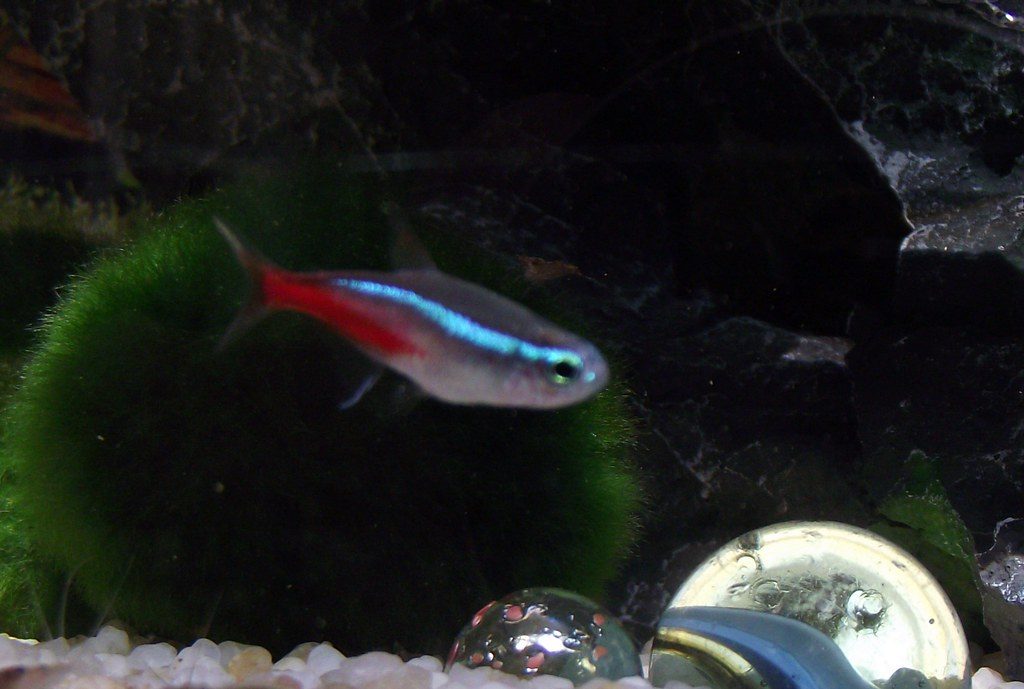
Neon Tetra Care And Tank Requirements Pdf – The Ultimate Expert Guide
To master neon tetra care and tank requirements, maintain a 10–20 gallon tank with soft, acidic water (pH 6.0–7.0), stable temperatures of 70–81°F, and keep them in groups of six or more.
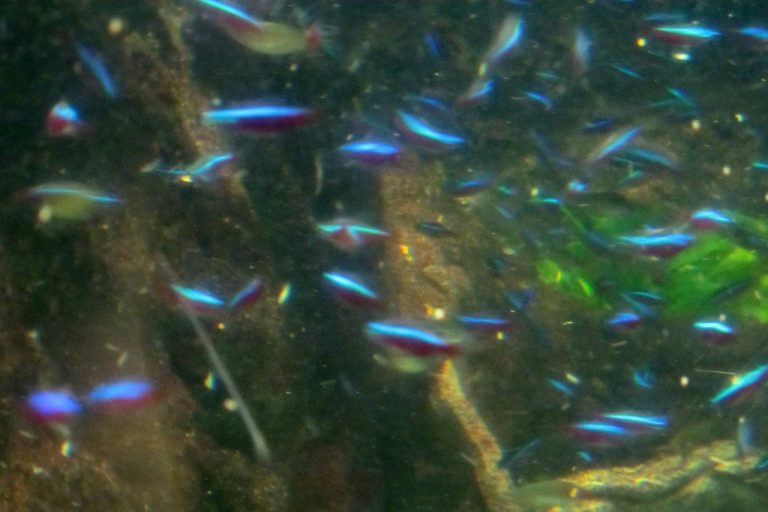
The neon tetra, or Paracheirodon innesi, is perhaps the most iconic fish in the freshwater hobby.
With their glowing blue and red stripes, these tiny gems can transform a standard aquarium into a striking underwater landscape.
In my ten years of keeping these characins, I have found that while they are often labeled as “beginner fish,” they actually require specific conditions to settle in.
This comprehensive guide serves as your definitive neon tetra care and tank requirements pdf resource, covering everything from water chemistry to social dynamics.
| Category | Specification |
|---|---|
| Scientific Name | Paracheirodon innesi |
| Adult Size | 1.5 inches (4 cm) |
| Minimum Tank Size | 10 Gallons (20 Gallons preferred) |
| Lifespan | 5 to 8 years |
| Temperament | Peaceful & Schooling |
At a glance: Neon tetra (Paracheirodon innesi)
- Temperature
- 72–78°F (22–26°C)
- Water pH
- 6.0–7.0
- Adult size
- 1.5 in (4 cm)
- Minimum tank
- 10 gal (20 gal for a proper school)
- Group size
- Groups of 8+
- Temperament
- Peaceful
- Diet
- Omnivore: micro pellets, flakes, frozen daphnia
- Lifespan
- 5–8 years
Keeper’s tip: Add neons only to a fully cycled, stable tank; they are among the first fish to suffer from ammonia swings.
Mastering the Neon Tetra Care and Tank Requirements PDF Fundamentals
The foundation of a healthy school starts with the environment you provide.
Many beginners make the mistake of placing these delicate fish in tanks that are too small or not properly matured.
While a 10-gallon tank is often cited as the minimum, I always recommend a 20-gallon setup for better stability.
A larger volume of water acts as a buffer against sudden changes in chemistry, which neon tetras are notoriously sensitive to.
Expert Tip: Never add neon tetras to a brand-new aquarium. They lack the hardiness of other species and should only be introduced to a tank that has been established for at least 2 to 3 months.
Choosing the Right Substrate and Decor
In their natural Amazonian habitats, these fish inhabit dark-water streams with plenty of leaf litter and driftwood.
Using a dark substrate, such as black sand or dark fluorite, helps the neon’s iridescent colors pop.
It also makes the fish feel more secure, as bright white substrates can often reflect too much light and cause stress.
Adding driftwood provides hiding spots and also releases Tannic acid into the water.
This slightly tints the water and helps mimic the acidic conditions they prefer in the wild.
Aquatic Plants for Security
Neon tetras love a heavily planted tank.
I’ve noticed that they spend much of their time darting between stems of Taxiphyllum barbieri (Java Moss) and broad-leaved plants like Amazon Swords.
Floating plants are also a fantastic addition because they diffuse the overhead lighting.
When the light is too bright, neons may become shy and lose their rich coloration.
Understanding Water Chemistry and Biological Filtration
Water quality is the most critical aspect of this neon tetra care and tank requirements pdf guide.
These fish are native to “blackwater” environments where the water is extremely soft and acidic.
To keep them healthy, you must understand the roles of Nitrosomonas and Nitrobacter bacteria in your filter.
These beneficial bacteria convert toxic ammonia into nitrite and then into less harmful nitrate.
Because neon tetras have a low tolerance for nitrate, regular water changes are non-negotiable.
| Parameter | Ideal Range |
|---|---|
| Temperature | 70°F – 81°F (21°C – 27°C) |
| pH Level | 6.0 – 7.0 |
| Water Hardness (dGH) | 2 – 10 dGH |
| Carbonate Hardness (dKH) | 1 – 2 dKH |
| Ammonia / Nitrite | 0 ppm |
Managing dGH and dKH
The terms dGH (degree of General Hardness) and dKH (degree of Karbonate Hardness) are vital for neon tetra success.
These fish come from waters with very low mineral content.
If your tap water is very hard, you might consider using a Reverse Osmosis (RO) system or mixing distilled water into your tank.
High hardness can interfere with their Osmoregulation, making it harder for the fish to maintain the balance of fluids in their bodies.
The Importance of Electrical Conductivity
Many hobbyists overlook Electrical conductivity, which measures the amount of dissolved salts and minerals in the water.
In my experience, neon tetras are much more active and show better colors when the conductivity is kept relatively low.
This is achieved through consistent maintenance and avoiding over-mineralization of the water.
Common Mistake: Chasing the “perfect” pH with chemicals. It is much better to have a slightly high but stable pH than one that fluctuates wildly because you are adding buffers every day.
Diet and Nutritional Requirements
To keep your neon tetras bright, you must provide a varied and high-quality diet.
In the wild, they are omnivores, feeding on small crustaceans, insect larvae, and plant matter.
In the home aquarium, I recommend a base of high-quality micro-pellets or crushed flakes.
However, do not rely solely on dry foods if you want to see their best colors.
Supplementing with Live and Frozen Foods
I have found that neon tetras respond best to frozen daphnia and baby brine shrimp.
These foods are rich in protein and mimic the natural prey they would find in the Amazon.
Feeding live foods can also trigger natural hunting behaviors, which is a joy to watch.
Just help you aren’t overfeeding, as uneaten food will quickly ruin your water quality.
Feeding Frequency
I prefer feeding my school small amounts twice a day rather than one large meal.
This helps make sure that the less aggressive feeders in the school get their share.
Their stomachs are only about the size of their eyes, so “less is more” is a good rule of thumb.
Choosing Compatible Tank Mates
Neon tetras are incredibly peaceful, making them ideal candidates for a community aquarium.
However, their small size makes them potential snacks for larger, more aggressive fish.
You should always avoid housing them with large cichlids or predatory species like Angelfish, which can eat a neon in a single gulp.
Best Schooling Companions
When selecting tank mates, look for species that share similar water requirements.
Other small tetras, rasboras, and peaceful bottom-dwellers are perfect.
I personally love keeping them with Corydoras catfish, as they occupy different levels of the tank.
| Compatible Tank Mates | Why They Work |
|---|---|
| Harlequin Rasboras | Peaceful, similar size and water needs. |
| Corydoras Catfish | Bottom dwellers that won’t bother the school. |
| Otocinclus Catfish | Excellent algae eaters and very gentle. |
| Dwarf Gouramis | Adds a centerpiece fish without aggression. |
The Power of the School
One of the most important aspects of this neon tetra care and tank requirements pdf guide is the school size.
Neon tetras are “obligate schoolers,” meaning they feel extreme stress if kept in small numbers.
I always tell beginners that six is the absolute minimum, but ten to fifteen is where the magic happens.
In a larger group, they display much more natural behavior and the “dithering” effect helps them feel safe from perceived predators.
Health Issues and Disease Prevention
Unfortunately, neon tetras are susceptible to several health issues, most notably Neon Tetra Disease.
This condition is caused by a parasite called Pleistophora hyphessobryconis.
It is often incurable and can spread quickly through a school.
Symptoms include loss of color, cysts on the body, and difficulty swimming.
Preventing Neon Tetra Disease
The best way to handle disease is to prevent it from entering your tank in the first place.
Always quarantine new arrivals for at least two weeks before adding them to your main display.
During this time, observe them closely for any signs of stress or odd growths.
Keeping your water quality high is the best defense, as a healthy immune system can often fight off minor infections.
Ich and Fin Rot
Like most tropical fish, neons can suffer from Ich (white spot disease) if the temperature fluctuates.
If you notice tiny white grains on their fins, increase the temperature slightly and use a copper-free medication.
I recommend copper-free because many neon tetra keepers also enjoy keeping ornamental shrimp.
Shrimp are highly sensitive to copper, so always read the labels of any medications you use.
Breeding Neon Tetras: A Challenge for the Dedicated
While many hobbyists are content with keeping a beautiful display, some want to learn how to breed tetras at home.
Neon tetras are notoriously difficult to breed because their eggs are light-sensitive and require extremely soft water.
You will need a dedicated breeding tank with almost zero hardness and a very low pH.
The Spawning Process
To trigger spawning, I usually perform a large water change with cool, soft water to simulate the rainy season.
The parents should be removed immediately after spawning, as they will readily eat their own eggs.
The fry are microscopic and require specialized foods like infusoria or liquid fry food for the first few weeks.
It is a challenging process, but incredibly satisfying for an experienced aquarist.
Quick answers
How many neon tetras can I put in a 10-gallon tank?
In a 10-gallon tank, you can safely keep a school of 6 to 10 neon tetras.
However, this assumes you have excellent filtration and stay on top of weekly water changes.
I personally find that 10 tetras in a 20-gallon tank creates a much more stable and visually appealing environment.
Do neon tetras need a heater?
Yes, neon tetras are tropical fish and require a stable temperature between 70°F and 81°F.
Fluctuations in temperature can weaken their immune systems and lead to outbreaks of Ich.
Invest in a high-quality, adjustable heater to make sure their environment remains consistent.
Why are my neon tetras losing their color at night?
This is a perfectly natural phenomenon known as “fading.”
When the lights go out, neon tetras “turn off” their colors to avoid being spotted by predators while they rest.
If you turn the lights on suddenly in the morning, they may look pale, but their color should return within minutes.
Can neon tetras live with Bettas?
In many cases, yes, neon tetras and Bettas can coexist in a tank of 20 gallons or larger.
However, it depends on the individual Betta’s personality.
Because neon tetras are fast swimmers, they can sometimes nip at the long fins of a Betta, or a grumpy Betta may chase them.
A closing note
Mastering neon tetra care and tank requirements pdf protocols is a journey that rewards patience and attention to detail.
If you focus on soft water, stable temperatures, and providing a stress-free environment with plenty of plants, you can enjoy these colorful fish for many years.
The biggest factor lies in the preparation of the tank and the consistency of your maintenance routine.
I hope this guide helps you create a stable, glowing school that brings life and color to your home.

- 2003First tank
- 20+Years keeping
- 40+Tanks kept
- 0Sponsored picks
Howard set up his first 10-gallon planted tank in 2003 and lost half of it within six weeks. Two decades and more than forty aquariums later, he writes the guides he wished he had then: clear numbers, the reasons behind them, and what actually goes wrong in home tanks.