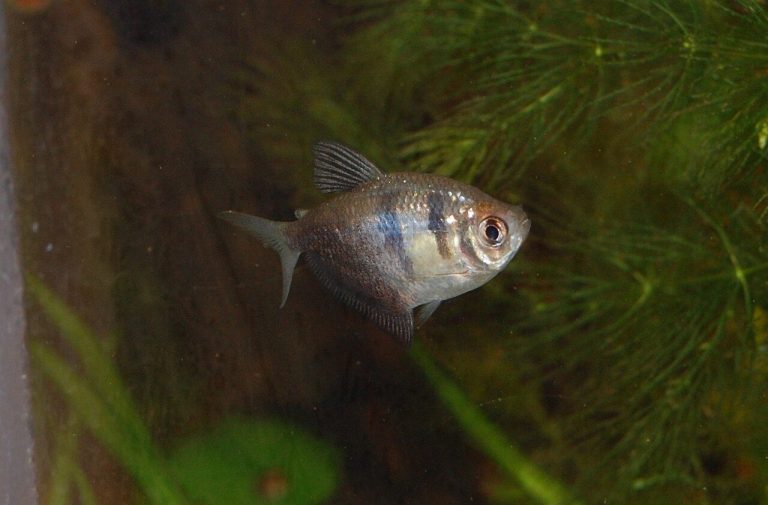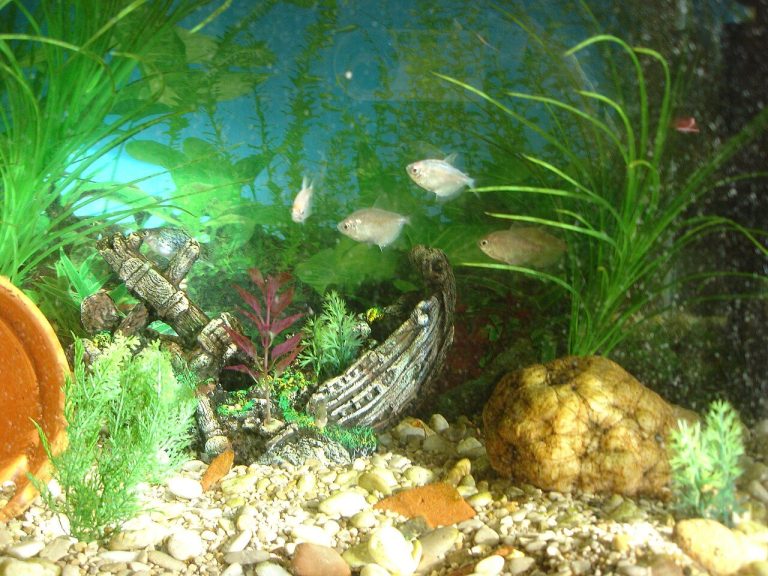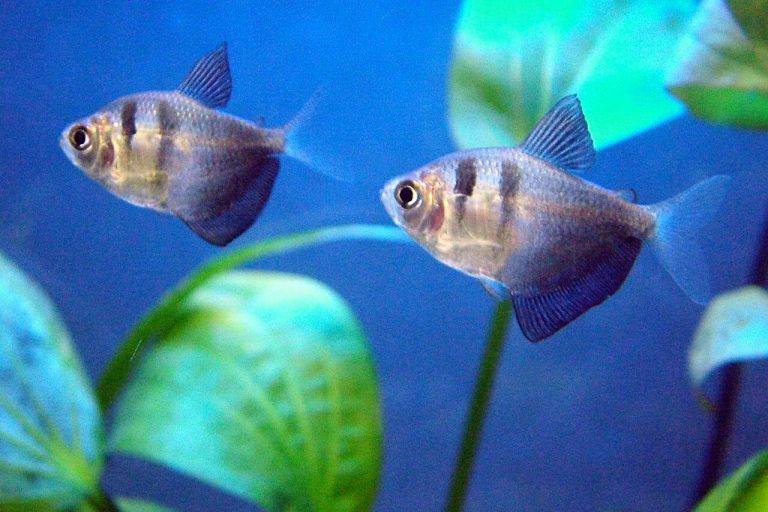
Peaceful Tetra Fish For Community Tank – The Ultimate Expert Selection
The best peaceful tetra fish for community tank setups include Neon Tetras, Ember Tetras, and Rummy Nose Tetras. These species are renowned for their calm temperaments, vivid colors, and active shoaling behavior in shared aquariums.
Selecting the right peaceful tetra fish for community tank environments is often the first major decision a hobbyist makes. After managing dozens of setups over the last ten years, I have learned that the harmony of your aquarium depends entirely on these tiny, shimmering jewels.
Tetras are the backbone of the freshwater hobby, offering a level of activity and color that few other species can match. Their shoaling behavior creates a dynamic visual display that brings the middle-water column of any tank to life.
In this guide, I will share my personal experiences and the technical nuances of keeping these fish. We will explore the best species, their specific water requirements, and how to create an environment where they flourish.
At a glance: Tetras (general) (Family Characidae and relatives)
- Temperature
- 72–80°F (22–27°C) for most species
- Water pH
- 6.0–7.5 for most species
- Adult size
- 1–3 in (2.5–8 cm)
- Minimum tank
- 10–30 gal depending on species
- Group size
- Groups of 6–10+
- Temperament
- Mostly peaceful schooling fish
- Diet
- Omnivores: quality flakes or micro pellets plus frozen foods
- Lifespan
- 3–8 years
Keeper’s tip: Schooling size matters more than tank size for most tetras: small groups hide, nip and stress.
Why Tetras are the Ideal Community Choice
Tetras belong to the Characidae family and are almost exclusively found in the river systems of South America and Africa. Most species are incredibly docile, making them the perfect peaceful tetra fish for community tank residents.
One of the primary reasons I always recommend tetras is their role as dither fish. These are active swimmers that signal to more shy species, like certain cichlids or catfish, that the environment is safe and free of predators.
When a school of tetras swims confidently in the open, it reduces the stress levels of every other inhabitant in the tank. This psychological benefit is often overlooked by beginners but is a secret to a balanced community.
Pro Tip: When selecting tetras, always buy them in groups of at least six to eight. In my experience, smaller groups lead to “fin-nipping” or extreme shyness because the fish do not feel secure without a proper shoal.
Top Species of Peaceful Tetra Fish for Community Tank
Not all tetras are created equal when it comes to temperament. While some can be surprisingly nippy, the following species are the “gold standard” for a peaceful community.
1. The Neon Tetra (Paracheirodon innesi)
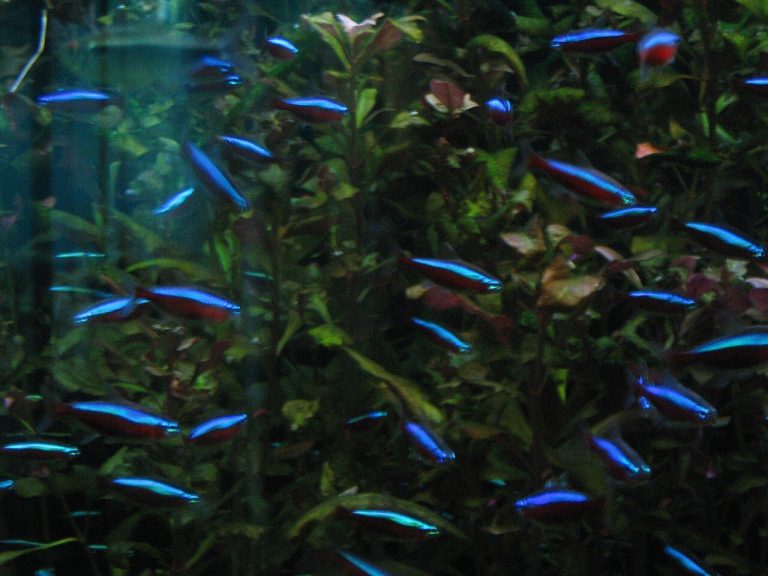
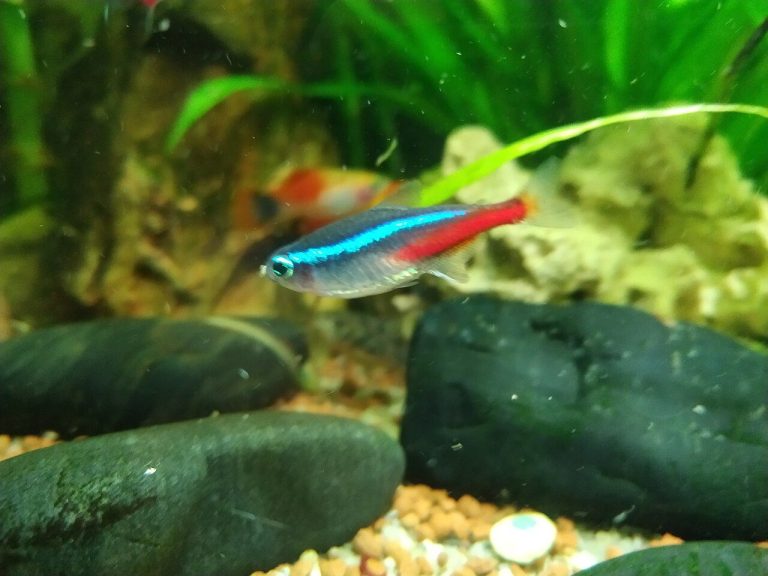
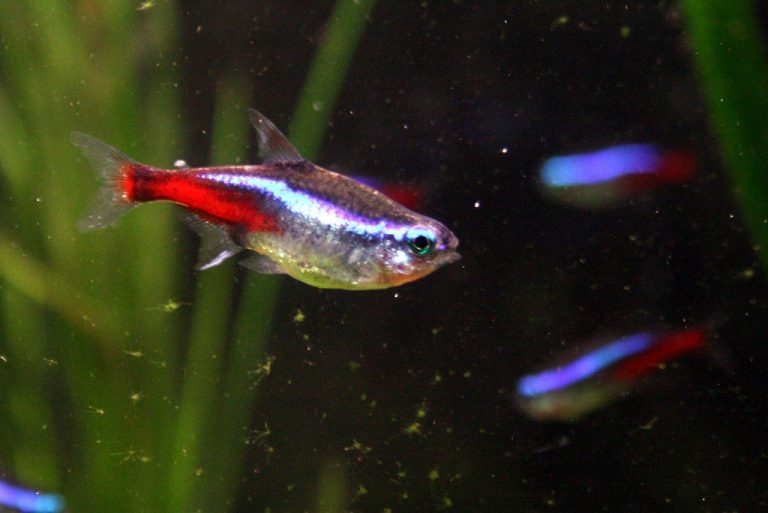
The Neon Tetra is perhaps the most iconic fish in the entire hobby. Their striking horizontal stripes of blue and red make them stand out even in heavily planted tanks.
They are incredibly peaceful and rarely interact negatively with other species. If you are looking for excellent species for newcomers, this is the place to start.
2. The Ember Tetra (Hyphessobrycon amandae)
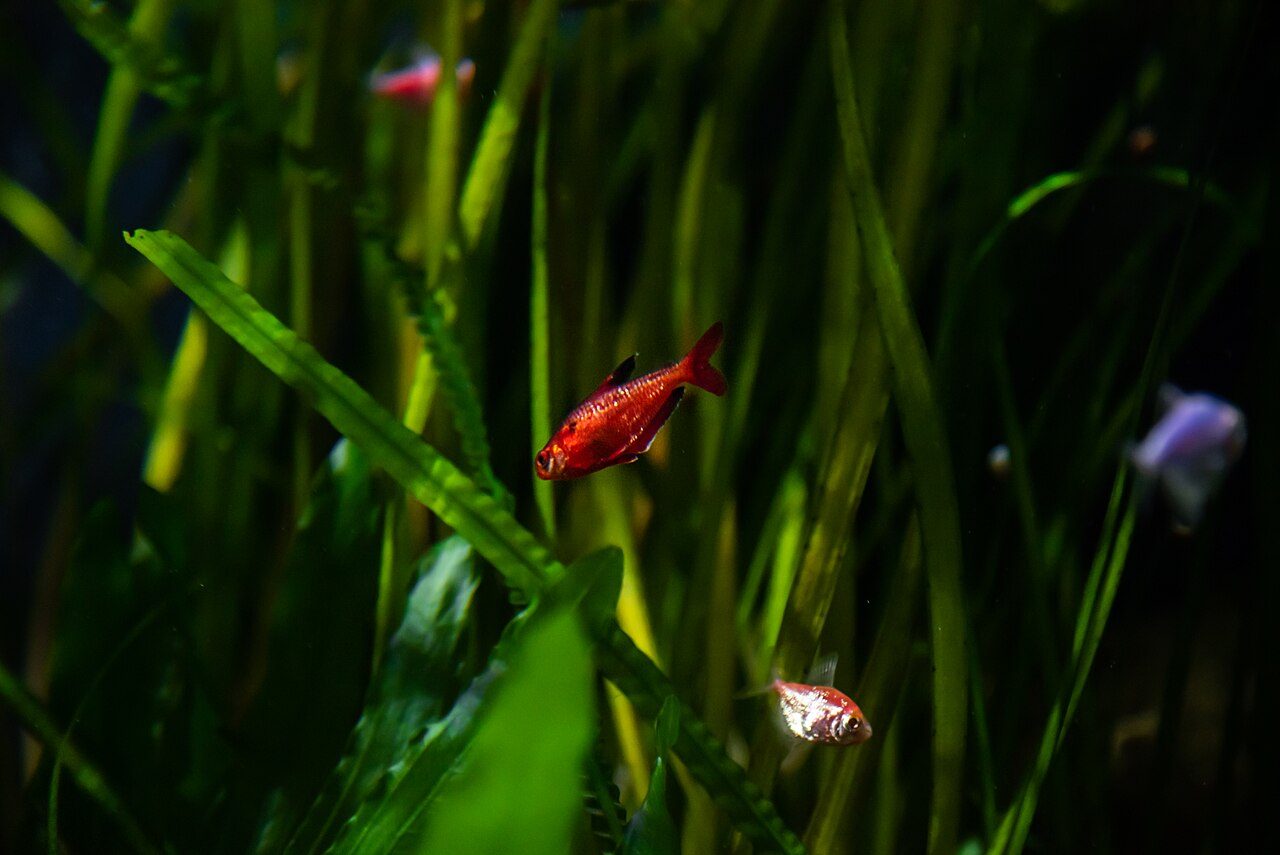
If you have a nano tank, the Ember Tetra is my absolute favorite choice. These tiny fish glow with a deep orange-red hue that intensifies when they are fed a high-quality diet.
They are exceptionally gentle and make perfect companions for ornamental shrimp. I have kept them with Neocaridina colonies for years without seeing a single act of aggression toward adult shrimp.
3. The Rummy Nose Tetra (Hemigrammus rhodostomus)
The Rummy Nose Tetra is famous for being one of the best “tight-schooling” fish available. Unlike some tetras that scatter, these fish move as a single, coordinated unit.
Their bright red faces serve as a “canary in a coal mine” for water quality. If their faces turn pale, it is a clear sign that you need to check your nitrate levels or perform a water change.
| Species Name | Adult Size | Minimum Tank Size | Temperament |
|---|---|---|---|
| Neon Tetra | 1.5 inches | 10 Gallons | Very Peaceful |
| Ember Tetra | 0.8 inches | 5-10 Gallons | Extremely Peaceful |
| Rummy Nose | 2.0 inches | 20 Gallons | Peaceful & Active |
| Glowlight Tetra | 1.5 inches | 10 Gallons | Peaceful |
Mastering Water Parameters for Tetras
To keep peaceful tetra fish for community tank setups healthy, you must understand their biological needs. Most tetras hail from “blackwater” or “clearwater” environments where the water is soft and slightly acidic.
I always pay close attention to Carbonate hardness (KH) and General hardness (GH). Low KH levels allow the pH to remain stable in the acidic range, which mimics the natural tannins found in tropical rivers.
Using humic substances, such as those released by Indian Almond leaves or driftwood, can significantly improve their immune systems. I have noticed that tetras kept in tannin-stained water show much more bright colors and higher spawning activity.
Consistent water maintenance for Neons and other tetras is the key to longevity. They are sensitive to sudden swings in temperature or nitrate spikes.
The Importance of Tank Setup and Decoration
Tetras primarily occupy the middle-water column of the aquarium. To make them feel at home, your tank layout should provide both open swimming space and dense cover.
I prefer using live aquatic plants like Vallisneria, Amazon Swords, or Cryptocoryne. These plants provide natural hiding spots where tetras can retreat if they feel threatened by larger tank mates.
Floating plants are another fantastic addition. They diffuse the light, which prevents the tetras from feeling exposed to “predators” from above, a common instinctual fear for these small fish.
Common Mistake: Many beginners use bright, neon-colored gravel and high-intensity lighting. In my experience, this washes out the fish’s colors and causes them significant stress. Use a dark substrate to make their colors “pop.”
Feeding Your Tetras for Best Health
A peaceful tetra fish for community tank display is only as good as the nutrition you provide. While tetras are omnivores and will eat almost any flake food, a varied diet is essential for their health.
I recommend a base of high-quality micro-pellets or crushed flakes. However, I always supplement this with frozen or live foods like baby brine shrimp, daphnia, or bloodworms.
Feeding live foods triggers their natural hunting instincts and provides the protein necessary for growth. It also helps in developing the deep reds and blues that make species like the Cardinal Tetra so desirable.
For those keeping specific species, following a detailed care routine will ensure they live out their full lifespan. Proper nutrition is the foundation of that care.
Common Health Challenges and Prevention
Even the most peaceful tetra fish for community tank can fall ill if the environment is not maintained. One of the most feared diseases in the hobby is Pleistophora hyphessobryconis, commonly known as Neon Tetra Disease.
This condition is often incurable and spreads quickly through a shoal. The best defense is a strict quarantine protocol for all new arrivals and maintaining pristine water conditions.
Look for signs of stress, such as labored breathing, loss of color, or separating from the shoal. If you catch these signs early, a simple water change and a reduction in lighting can often prevent a full-blown disease outbreak.
I have found that keeping the water slightly warmer (around 78°F) and well-oxygenated helps most tetra species maintain a strong metabolic rate and a sturdy immune system.
Designing a Harmonious Community Tank
When building a community around tetras, you must choose tank mates that share their gentle nature. Avoid large, aggressive fish like Oscars or large Cichlids that will view your tetras as a snack.
Great companions include Corydoras catfish, Otocinclus, and peaceful Gouramis. These species occupy different levels of the tank, making sure that the middle-water column remains the domain of your tetras.
If you are mixing different types of tetras, try to choose species with different body shapes. For example, the streamlined Neon Tetra looks beautiful alongside the deeper-bodied Diamond or Rosy Tetra.
The total bioload of a large shoal can be significant. Always make sure your filtration system is rated for slightly more than your actual tank volume to keep the water crystal clear.
Still wondering?
Can different types of tetras school together?
While different species of peaceful tetra fish for community tank may swim in the same general area, they usually do not “school” together. They prefer the company of their own kind, so it is better to have one large group of a single species than many tiny groups of different species.
How many tetras can I put in a 20-gallon tank?
In a standard 20-gallon tank, you can comfortably keep about 10 to 15 small tetras like Neons or Embers. This allows enough room for them to swim freely and keeps the bioload manageable for standard filtration.
Do tetras need a heater?
Yes, tetras are tropical fish and require stable temperatures between 75°F and 80°F. Significant temperature fluctuations can weaken their immune systems and lead to outbreaks of Ich.
Are tetras aggressive toward shrimp?
Most small tetras are safe with adult shrimp. However, almost any tetra will eat baby shrimp (shrimplets) if they can find them. Providing dense moss or specialized hiding spots will help your shrimp colony survive.
Why are my tetras nipping each other’s fins?
This is almost always a sign that the shoal is too small or the tank is too crowded. In my experience, increasing the group size to at least 8-10 individuals usually stops this behavior immediately.
Wrapping up
Choosing peaceful tetra fish for community tank setups is one of the most satisfying aspects of the aquarium hobby. These fish offer a combination of beauty, activity, and ease of care that is hard to beat.
If you focus on proper shoaling numbers, maintaining stable water parameters like KH and GH, and providing a planted environment, you can create a beautiful underwater world. Whether you choose the classic Neon or the fiery Ember Tetra, these fish will surely become the stars of your aquarium.
As you continue your journey, always keep in mind that the health of your fish is a reflection of the environment you provide. Take the time to observe their behavior daily, feed them a diverse diet, and enjoy the tranquil beauty of a successful community tank.

- 2003First tank
- 20+Years keeping
- 40+Tanks kept
- 0Sponsored picks
Howard set up his first 10-gallon planted tank in 2003 and lost half of it within six weeks. Two decades and more than forty aquariums later, he writes the guides he wished he had then: clear numbers, the reasons behind them, and what actually goes wrong in home tanks.